
Table of Contents
More than 80 percent of American urban residents now use smart technology to manage their home gardens. With space at a premium, modern city dwellers are exploring creative ways to grow lush indoor plants and abundant vegetables in compact settings. This guide examines how innovative gardening trends and sustainable practices are reshaping urban life, offering practical solutions for maximizing your plant collection and harvests within limited areas.
Key Takeaways
| Point | Details |
|---|---|
| Embrace Compact Gardening | Urban gardeners should utilize vertical gardens and container gardening to maximize limited space and enhance aesthetics. |
| Integrate Technology | Adopting smart horticulture tools like IoT sensors can optimize plant care and resource efficiency. |
| Focus on Sustainability | Implement eco-friendly practices including composting and rainwater harvesting to support biodiversity and reduce environmental impact. |
| Be Mindful of Challenges | Recognizing potential risks and common gardening errors is crucial for successful urban gardening initiatives. |
Defining 21st Century Gardening Trends
The landscape of modern gardening is rapidly transforming, driven by technological innovations and increasing environmental consciousness. Urban dwellers are reimagining green spaces through creative, sustainable approaches that maximize limited areas and minimize ecological impact. Urban horticulture practices are emerging as powerful solutions to traditional gardening constraints, blending aesthetics with functional sustainability.
Key characteristics of 21st century gardening include a significant shift towards compact, multi-purpose growing systems. Urban gardeners are adopting vertical gardens, rooftop greening, and container gardening techniques that enable food production and environmental beautification in minimal square footage. These innovative strategies represent more than trend – they are critical responses to urbanization challenges, allowing city residents to reconnect with nature while addressing food security and sustainability goals.
The technological dimension of contemporary gardening involves smart monitoring systems, precision agriculture techniques, and data-driven plant care approaches. Sensors that track soil moisture, automated watering systems, and mobile applications enabling remote plant management are becoming standard tools for modern gardeners. These technologies democratize sophisticated growing techniques, making advanced gardening accessible to urban residents with limited horticultural experience.
Pro tip: Invest in multipurpose gardening tools and vertical growing systems that maximize your limited urban space while providing both aesthetic and functional benefits.
Major Types: Tech-Driven and Sustainable Methods
Technology and sustainability are converging to revolutionize modern gardening practices, creating innovative approaches that maximize efficiency and environmental responsibility. Smart horticulture technologies are transforming how urban gardeners approach plant cultivation, integrating advanced digital tools with ecological consciousness.
Tech-driven methods represent a sophisticated approach to gardening, leveraging cutting-edge technologies like artificial intelligence, Internet of Things (IoT) sensors, and cloud computing platforms. These systems enable precise monitoring of plant health, automated irrigation, and data-driven decision making. Gardeners can now track soil moisture, nutrient levels, and environmental conditions in real-time, allowing for unprecedented levels of plant care optimization.
Sustainable gardening methods complement technological innovations by emphasizing ecological balance and resource conservation. Battery-powered smart tools and environmentally friendly practices are becoming increasingly prevalent, including solar-powered weeders, native plant selections, and peat-free composting techniques. These approaches minimize environmental impact while promoting biodiversity and reducing carbon footprints in urban gardening spaces.
Pro tip: Combine smart technology with sustainable practices by investing in IoT sensors that help optimize water usage and plant health while selecting native, low-maintenance plant species.
Here is a comparison of tech-driven versus sustainable gardening methods, highlighting their primary focus, tools, and major benefits:
| Approach | Core Focus | Typical Tools and Techniques | Main Benefits |
|---|---|---|---|
| Tech-Driven Gardening | Precision and automation | IoT sensors, smart irrigation, AI apps | Optimal resource use, higher yields |
| Sustainable Gardening | Ecology and resource conservation | Native plants, solar tools, composting | Biodiversity, lower footprint |
Emerging Indoor and Urban Gardening Practices
Urban gardening is experiencing a remarkable transformation, driven by innovative approaches that address limited space and environmental challenges. Global urban gardening trends are revealing sophisticated strategies for cultivating green spaces in dense metropolitan environments, focusing on adaptable and multifunctional gardening techniques that serve both aesthetic and practical purposes.
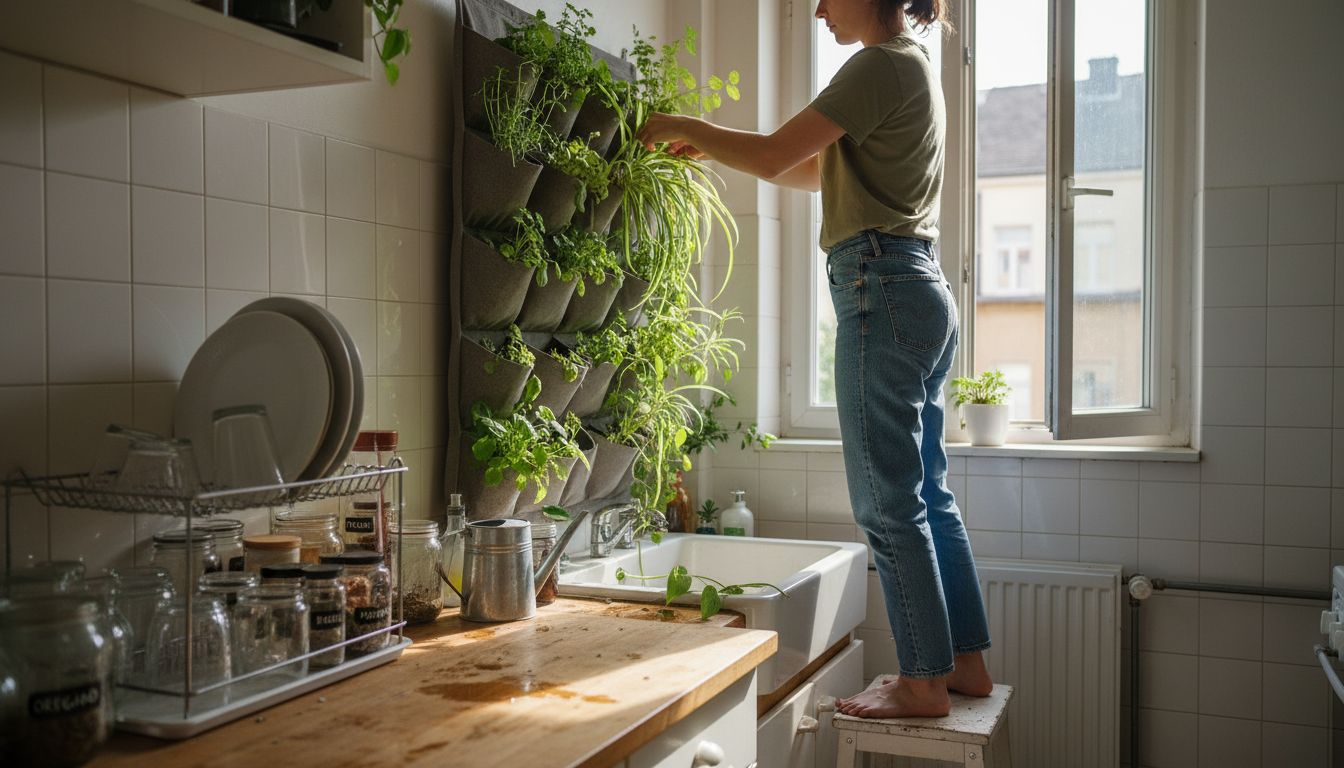
Container gardening has emerged as a revolutionary practice for urban dwellers, offering unprecedented flexibility and efficiency. These portable gardens enable residents to transform balconies, windowsills, and small indoor spaces into productive growing areas. Urban gardening enthusiasts are increasingly adopting container gardening as a solution to spatial limitations, selecting diverse plant species that thrive in compact environments and contribute to personal wellbeing.
Adaptation strategies are central to modern urban gardening practices, with a strong emphasis on water conservation and resilient plant selection. Gardeners are incorporating drought-resistant species, implementing water harvesting techniques, and utilizing innovative soil management methods to create sustainable indoor and urban growing environments. These approaches not only maximize limited spaces but also contribute to broader ecological sustainability goals, transforming urban landscapes into productive and environmentally conscious green zones.
Pro tip: Maximize your urban gardening success by selecting compact, multi-purpose plant varieties and investing in vertical growing systems that optimize your available space.
Below is a summary of innovative indoor and urban gardening strategies for maximizing results in limited spaces:
| Strategy | Space Efficiency | Key Implementation | Typical Plants Used |
|---|---|---|---|
| Vertical Gardening | High, utilizes vertical walls | Modular rack systems, trellises | Herbs, leafy greens, vines |
| Container Gardening | Flexible, portable spaces | Pots, planters, window boxes | Edible flowers, compact fruits |
| Drought-Resistant | Optimized for water savings | Drip irrigation, xeriscaping | Succulents, native perennials |
Innovative Tools and Smart Plant Care Systems
Smart horticulture technologies are transforming gardening from a traditional hobby into a precision-driven practice. Advanced technological innovations are revolutionizing plant care through artificial intelligence, Internet of Things (IoT) devices, and sophisticated data analytics that enable unprecedented levels of garden management and environmental monitoring.
These cutting-edge systems provide gardeners with real-time insights into plant health, soil conditions, and environmental factors. Sensors can now track moisture levels, nutrient concentrations, and potential pest threats with remarkable accuracy, allowing for immediate and targeted interventions. Automated irrigation systems can adjust water delivery based on specific plant requirements, weather conditions, and individual moisture needs, dramatically reducing water waste and improving plant resilience.
Battery-powered and solar garden technologies represent a significant leap forward in sustainable gardening practices. These eco-friendly tools minimize carbon footprints while providing sophisticated plant care capabilities. From solar-powered weeders to intelligent monitoring systems, modern gardening equipment is designed to maximize efficiency, reduce environmental impact, and make advanced plant care accessible to gardeners of all skill levels.
Pro tip: Invest in multi-functional smart gardening sensors that provide comprehensive plant health monitoring and can integrate with your smartphone for convenient, real-time garden management.
Eco-Friendly Approaches and Their Benefits
Sustainable gardening represents a holistic approach to nurturing plant life while minimizing environmental impact. Sustainable gardening practices encompass a comprehensive strategy that goes beyond traditional cultivation methods, focusing on conservation, resource efficiency, and ecological harmony.
Key eco-friendly approaches include composting, water conservation techniques, and organic pest management. Gardeners can significantly reduce their carbon footprint by implementing strategies such as rainwater harvesting, using native plant species, and creating natural fertilization systems. These methods not only support plant health but also contribute to broader environmental preservation efforts, transforming gardens into miniature ecosystems that support local biodiversity.
The benefits of eco-friendly gardening extend far beyond individual plant care. By reducing chemical inputs, conserving water, and supporting local wildlife, sustainable gardening practices help mitigate climate change impacts, improve soil health, and create resilient green spaces. Urban gardens become powerful tools for environmental education, demonstrating how individual actions can contribute to larger ecological sustainability goals.
Pro tip: Start small by implementing one sustainable practice at a time, such as creating a compost bin or collecting rainwater, to gradually transform your gardening approach.
Risks, Challenges, and Common Missteps
Urban gardening challenges represent complex obstacles that require nuanced understanding and strategic planning. Modern gardeners frequently encounter multifaceted barriers ranging from spatial limitations to ecological complexities, demanding adaptive and informed approaches to successful plant cultivation.
Common missteps in contemporary gardening include overdependence on technology without fundamental ecological knowledge, neglecting native species adaptation, and insufficient preparation for local climate variations. Gardeners often make critical errors such as inappropriate plant selection, inadequate soil preparation, and unrealistic expectations about growth and maintenance requirements. These mistakes can lead to decreased plant health, reduced yield, and unnecessary resource expenditure.
The pandemic era has further highlighted gardening vulnerabilities, revealing uneven access to gardening knowledge and resource scarcity. Pandemic-related gardening challenges demonstrated how external disruptions can significantly impact individual and community gardening practices. Understanding these risks involves recognizing limitations in personal expertise, local environmental conditions, and potential systemic constraints that can impede successful gardening initiatives.
Pro tip: Develop a robust risk management strategy by consulting local agricultural extensions, joining gardening communities, and continuously educating yourself about your specific ecological environment.

Embrace 21st Century Gardening with Lushy Gardens
Modern gardeners face the unique challenge of blending advanced technology with sustainable practices while managing limited urban spaces and ecological concerns. Whether you are working with vertical gardens, smart plant care systems, or drought-resistant varieties, understanding how to optimize these innovative trends is essential to achieving vibrant, healthy green spaces. It can be overwhelming to navigate these complex solutions alone, but you do not have to.
Discover practical advice and expert insights tailored to these new gardening realities at Gardening Tips – Lushy Gardens. Find inspiring Design Ideas – Lushy Gardens that help turn small spaces into lush environments. Begin your journey toward mastering 21st century gardening today at Lushy Gardens, your go-to resource for everything from plant care guides to smart, sustainable gardening strategies.
Take the next step now. Explore our trusted tips and become the confident gardener who thrives in the modern age by visiting Gardening Tips – Lushy Gardens and start transforming your garden with sustainable technology.
Frequently Asked Questions
What are some common eco-friendly gardening practices?
Eco-friendly gardening practices include composting, using native plants, water conservation techniques, and organic pest management. These practices help reduce your carbon footprint and promote biodiversity in your garden.
How can technology enhance urban gardening?
Technology enhances urban gardening through smart monitoring systems, such as IoT sensors that track soil moisture and automated irrigation systems that optimize water usage. These tools allow for precise care and help urban gardeners achieve optimal results in limited spaces.
What are the benefits of vertical gardening in urban spaces?
Vertical gardening maximizes limited space by using walls to grow plants upwards, making it ideal for urban environments. It also improves air quality, enhances the visual appeal of small areas, and can be used for both decorative and food-producing purposes.
What should I consider before starting a container garden?
Before starting a container garden, consider factors such as plant selection, size of containers, soil quality, and water drainage. Choose plants suited for compact spaces and ensure that containers have proper drainage to support healthy growth.
Recommended
- Essential Sustainable Gardening Practices for Every Home – Lushy Gardens
- What is Permaculture Gardening? Understanding Sustainable Practices – Lushy Gardens
- Best 7 Vegetable Garden Watering Systems – Expert Comparison 2025 – Lushy Gardens
- Best Gardening Tools 2025 – Expert Comparison – Lushy Gardens
- Understanding Eco Friendly Packaging Solutions for Businesses – Spaceman

I’m Eleanor, a seasoned gardener with over three decades of experience tending to Mother Nature’s creations. Through Lushy Gardens, I aim to share my wealth of knowledge and help fellow plant enthusiasts uncover the wonders of gardening. Let’s dive into this journey together, one leaf at a time.

