
Table of Contents
Growing your own vegetables in containers has become a practical solution for anyone with limited outdoor space or unpredictable weather. Nearly one in four households now cultivates edible plants on patios or balconies, turning small areas into thriving sources of fresh produce. With the right approach, container gardening simplifies everything from soil selection to harvest, making it easy to enjoy homegrown vegetables, no matter where you live.
Quick Summary
| Key Point | Explanation |
|---|---|
| 1. Choose appropriate container size | Use 3 to 5-gallon containers for most vegetables to allow adequate root space and nutrient absorption. |
| 2. Select a lightweight soil mix | Use potting mixes with peat, vermiculite, or perlite for optimal moisture retention and drainage in containers. |
| 3. Provide correct spacing and depth | Plant seeds at a depth of 2-3 times their diameter and ensure proper spacing for healthy growth. |
| 4. Water and feed regularly | Keep soil consistently moist and use diluted liquid fertilizer weekly to support growth and prevent stress. |
| 5. Monitor plant health closely | Regularly check for signs of stress and pests. Take action promptly to maintain vegetable vitality and yield. |
Step 1: Select the Ideal Pots and Soil Mix
Successfully growing vegetables in containers starts with choosing the right pots and soil mix. According to the University of Massachusetts Agricultural Extension, containers with a volume of three to five gallons work best for most vegetable crops, providing ample space for root development and nutrient absorption.
When selecting containers, prioritize materials that offer durability and proper drainage. Terra cotta, plastic, wooden, and fabric containers all work well. Look for pots with drainage holes at the bottom to prevent waterlogging. Pro tip: Darker colored containers absorb more heat, which can be beneficial in cooler climates but might stress plants in hot regions.
Soil selection is equally critical. As recommended by UMass Agricultural Extension, a lightweight soil mix that retains nutrients and moisture while providing excellent drainage is essential. Commercial potting mixes containing peat moss, vermiculite, or perlite create an ideal growing environment. Avoid using garden soil directly in containers, as it tends to be too heavy and can compact, restricting root growth.
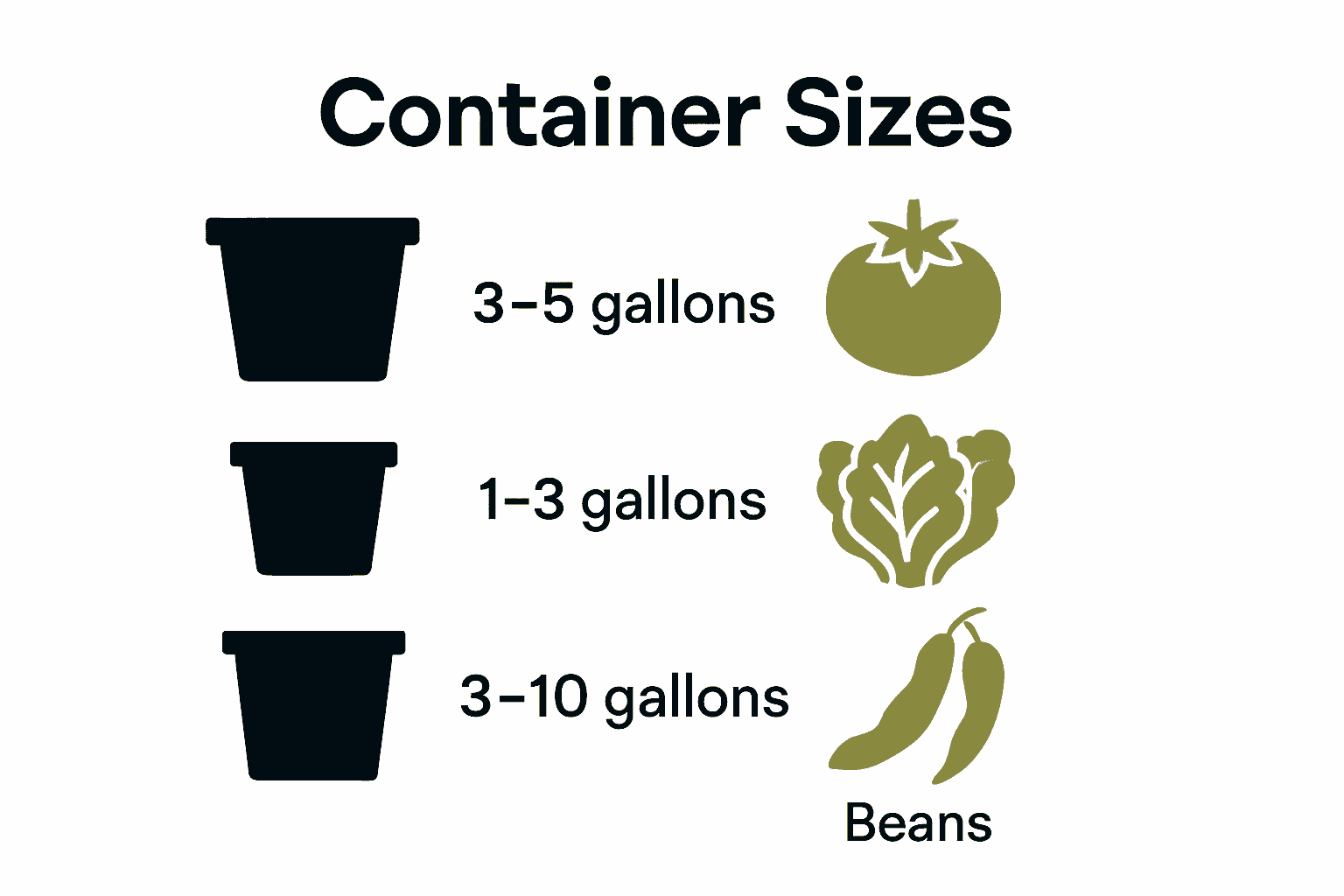
Remember that different vegetables have varying space requirements. Tomatoes and peppers need larger containers, while herbs and leafy greens can thrive in smaller pots. Check the specific needs of each vegetable you plan to grow to ensure optimal container selection.
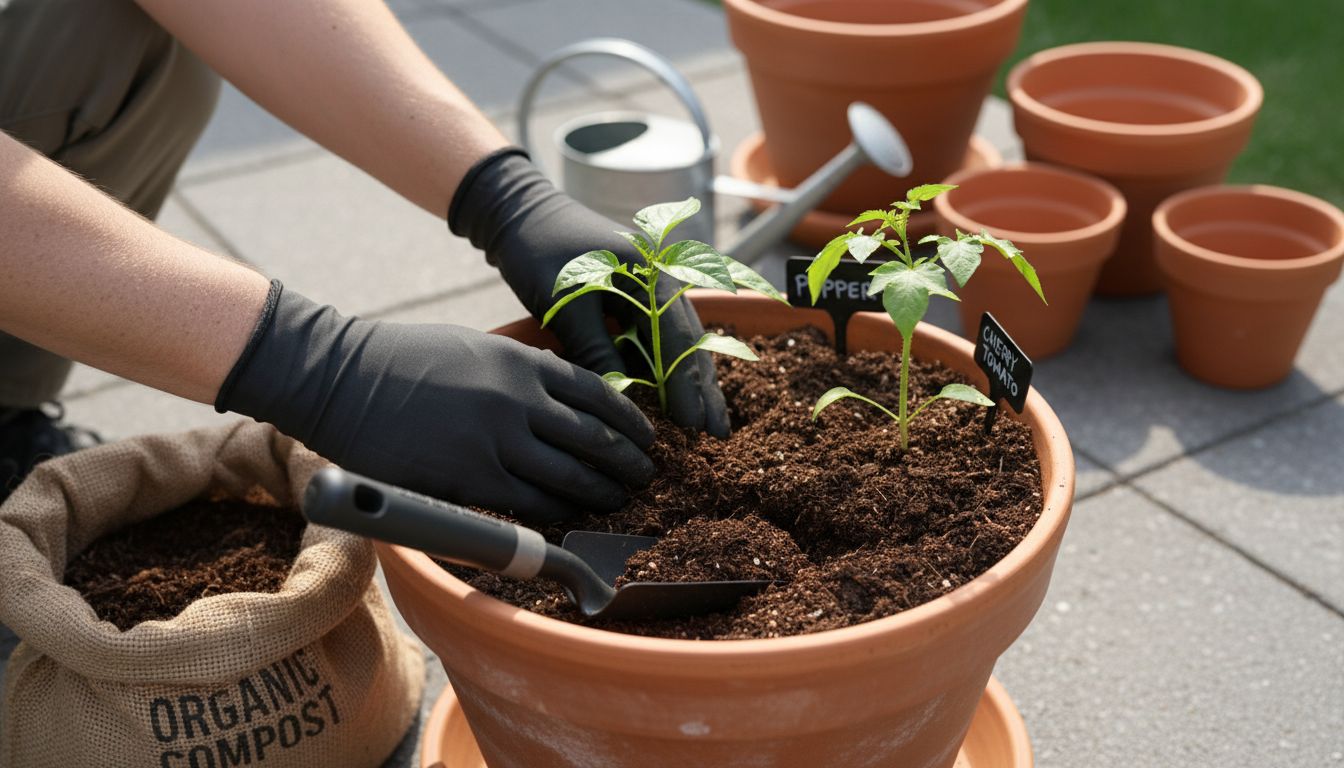
In our complete guide to container gardening tips, you can find more in-depth strategies for successful vegetable container gardening.
Step 2: Choose and Prepare Vegetable Seeds or Seedlings
Selecting the right seeds or seedlings is crucial for successful container vegetable gardening. According to the University of Alaska Fairbanks, some vegetables are better suited for container culture and can be easily transplanted, whether purchased from local nurseries or grown at home.
When choosing seeds, consider the growth characteristics and space requirements of each vegetable. Compact or bush varieties work best in containers. Some excellent options include cherry tomatoes, lettuce, spinach, peppers, and herbs. If you are a beginner, start with easier to grow vegetables that have shorter maturation times and are more forgiving.
Preparing your seeds requires careful attention. As recommended by the University of Alaska Fairbanks, you can germinate seeds in trays or pots filled with appropriate growing media. The University of New Hampshire Extension suggests adding up to 50% compost to your potting mix before planting to provide essential nutrients for young plants.
A pro tip for seedling success: once your plants have been growing for 3 to 4 weeks, start supplementing with a diluted liquid or water soluble fertilizer weekly. This will help ensure robust growth and healthy vegetable production.
In our vegetable gardening guide for beginners, you can find more detailed information about selecting and nurturing vegetable plants.
Step 3: Plant Vegetables with Proper Spacing and Depth
Successfully planting your container vegetables requires careful attention to spacing and depth to ensure optimal growth and productivity. According to Kansas State University research, the container size plays a critical role in determining which vegetables will thrive.
For different vegetable types, spacing varies significantly. As recommended by Kansas State University, small 1 to 3 gallon containers work perfectly for salad crops and single plants of broccoli, cauliflower, and cabbage. Medium sized 3 to 10 gallon pots are ideal for green beans, onions, and summer squash. When planting, ensure each vegetable has enough room to develop strong roots and foliage.
The Kansas City Kansas Public Library suggests choosing larger pots between 16 to 24 inches in diameter to improve moisture retention and stability. A good rule of thumb is to plant seeds or seedlings at a depth approximately two to three times their diameter. Gently press seeds into the soil and water thoroughly after planting.
A pro tip for container gardening success: rotate your containers periodically to ensure even sunlight exposure and prevent plants from leaning toward light sources.
This helps promote balanced growth and prevents potential stress on your vegetables.
For more detailed strategies on maximizing your vegetable garden layout, check out our vegetable garden layouts guide.
Step 4: Water and Feed Plants for Optimal Growth
Maintaining proper hydration and nutrition is crucial for growing healthy vegetables in containers. Container gardening requires more attentive care compared to traditional garden beds due to limited soil volume and faster moisture loss.
Watering demands special consideration in container gardening. As recommended by the University of New Hampshire Extension, soil in containers tends to dry quickly, making frequent watering critical. Check soil moisture by inserting your finger about a quarter inch deep. When it feels dry, water thoroughly until liquid runs from the drainage holes. This practice not only hydrates plants but also helps wash away accumulated salts and keeps the soil cool.
Fertilization is equally important for container vegetable success. According to the Oregon State University Extension, vegetables in containers require regular feeding. Use a soluble all purpose fertilizer mixed in water, applying it every three to four days at half the recommended mixing strength. This approach prevents nutrient overload while ensuring steady plant nutrition.
A pro tip for container gardeners: always water at the base of plants to avoid wetting leaves, which can promote fungal diseases. Consistent moisture and balanced nutrition will help your container vegetables thrive and produce bountiful harvests.
For more detailed guidance on nourishing your plants, explore our watering indoor plants guide.
Step 5: Monitor Health and Troubleshoot Common Issues
Successful container vegetable gardening requires ongoing observation and proactive management to ensure your plants remain healthy and productive. Understanding common challenges and knowing how to address them quickly can make the difference between a thriving garden and a struggling one.
As recommended by Kansas State University, one significant advantage of container gardening is your ability to control soil, fertilizer, and water conditions. Regularly inspect your containers to ensure they have adequate drainage holes, which prevent water logging and root rot. Look for signs of plant stress such as yellowing leaves, stunted growth, or wilting.
The University of New Hampshire Extension highlights that rapidly growing or fruit bearing crops often become top heavy. To prevent stem damage, provide stakes or trellises for vining plants and vegetables that require additional support. Check for pest infestations, focusing on the undersides of leaves and around stem bases. Common issues like aphids, spider mites, and whiteflies can be managed with insecticidal soap or neem oil.
A pro tip for container gardeners: maintain a weekly garden journal to track plant progress, noting any changes in growth, flowering, or potential issues. This documentation will help you identify patterns and improve your gardening skills over time.
For more comprehensive guidance on maintaining healthy plants, explore our watering indoor plants guide.
Step 6: Harvest and Enjoy Homegrown Vegetables
The moment of harvesting your container vegetables is the most rewarding part of your gardening journey. Each ripe vegetable represents your hard work, patience, and dedication to growing fresh produce right at home.
As recommended by the University of New Hampshire Extension, container gardeners can extend their harvest season by carefully managing plant environments. When frost threatens, you can cover plants or move them indoors, and some crops might even survive winter if they receive adequate light. Harvest vegetables at their peak ripeness by gently picking them when they reach their full color and size.
The Kansas City Kansas Public Library suggests positioning your vegetable container garden on a patio or porch where you can easily monitor and harvest your crops. Vegetables love sunlight, with leafy varieties tolerating partial sun and fruit bearing plants requiring full sun exposure. When harvesting, use clean sharp scissors or pruning shears to cut vegetables without damaging the plant.
A pro tip for container gardeners: create a harvest schedule based on each vegetable variety. Some vegetables like lettuce and herbs can be harvested continually, while others like tomatoes and peppers have specific peak harvest windows.
For more insights into successful vegetable gardening, explore our guide to indoor vegetable gardening.

Make Your Container Vegetable Garden Thrive with Expert Support
Growing vegetables in pots can feel overwhelming when you are unsure about the perfect containers or the right soil mix. This guide highlights common hurdles like selecting durable pots with proper drainage and using nutrient-rich potting mixes to avoid waterlogging. You might worry about watering frequency and fertilization to keep your vegetables healthy. These challenges are exactly where the right advice and resources can make all the difference.
At Lushy Gardens, we understand your desire to create a vibrant container garden that produces fresh vegetables right from your own space. Explore our extensive Gardening Tips to gain confidence in choosing seeds, proper planting techniques, and ongoing care. If nutrition is your concern, our insights on Fertilizers will help you feed your plants for optimal growth. Start your journey today and learn how to conquer common container gardening struggles by visiting Lushy Gardens. Refresh your garden routine with trusted guidance and enjoy a bountiful harvest sooner than you expect.
Frequently Asked Questions
What size pots are best for growing vegetables in containers?
Most vegetable crops thrive in pots with a volume of three to five gallons. Choose containers that allow enough space for root development and nutrient absorption for optimal growth.
How should I prepare seeds or seedlings for container gardening?
Select compact or bush varieties of vegetables, as they are better suited for pots. Germinate seeds in trays or pots filled with a lightweight soil mix and consider adding compost for nutrients before planting.
How can I ensure my container vegetables receive adequate watering?
Check the soil moisture by inserting your finger about a quarter inch deep; water thoroughly when it feels dry. Aim for consistent moisture levels, watering at the base of plants to minimize fungal diseases and encourage healthy growth.
What are the common signs of stress in container vegetables?
Watch for yellowing leaves, stunted growth, or wilting, which are indicators of stress. Regularly inspect your plants and adjust watering or fertilization as necessary to address these issues.
When is the best time to harvest vegetables grown in pots?
Harvest vegetables at their peak ripeness, which is when they reach their full color and size. Check your specific vegetable variety for guidelines on the optimal harvesting window to enjoy the best flavor.
How can I troubleshoot pest problems in my container garden?
Examine the undersides of leaves and around stem bases for pests like aphids or spider mites. Use insecticidal soap or neem oil to treat infestations promptly, ensuring your plants stay healthy and productive.
Recommended
- Vegetable Garden Planning Made Easy: A Step-by-Step Guide – Lushy Gardens
- 7 Essential Container Gardening Tips for Success – Lushy Gardens
- Master Vegetable Gardening Indoors: Grow Fresh Produce at Home – Lushy Gardens
- Understanding Vegetable Gardening for Beginners: Key Concepts – Lushy Gardens

I’m Eleanor, a seasoned gardener with over three decades of experience tending to Mother Nature’s creations. Through Lushy Gardens, I aim to share my wealth of knowledge and help fellow plant enthusiasts uncover the wonders of gardening. Let’s dive into this journey together, one leaf at a time.


