
Table of Contents
Over 350 million plastic plant pots are discarded in the United States each year, highlighting a growing concern for american gardeners who care about sustainability. As more people embrace eco-friendly choices, the need for practical solutions that work with nature has never been clearer. Biodegradable plant pots promise a cleaner alternative by supporting both healthy plants and a healthier environment, giving gardeners a smart way to reduce waste without giving up results.
Key Takeaways
| Point | Details |
|---|---|
| Eco-Friendly Solution | Biodegradable plant pots reduce plastic waste and offer a sustainable alternative to traditional pots. |
| Enhanced Plant Growth | These pots minimize root disturbance and enhance root system development, resulting in healthier plants. |
| Material Variety | They can be made from various natural materials such as cotton, newspaper, and agricultural waste, each supporting different gardening needs. |
| Proper Handling Required | Gardeners should manage moisture levels and handle these pots carefully to ensure optimal performance and longevity. |
What Are Biodegradable Plant Pots?
Biodegradable plant pots represent an innovative gardening solution designed to minimize environmental impact while supporting plant growth. According to research from West Virginia University, these containers are made from natural materials that decompose over time, offering an eco-friendly alternative to traditional plastic pots.
These unique containers are typically classified into two primary categories: plantable and compostable biopots. As documented by AgEcon Search, plantable biopots can be buried directly in the soil with the plant, while compostable versions are designed to degrade specifically in composting facilities. This design enables gardeners to reduce waste and simplify the transplantation process.
The key advantages of biodegradable plant pots include:
- Reduced plastic waste
- Minimized root disturbance during transplanting
- Direct soil integration
- Environmentally conscious gardening approach
By choosing biodegradable plant pots, gardeners can make a meaningful contribution to sustainable gardening practices while providing an optimal growing environment for their plants. When selecting these pots, consider the specific material composition and intended use to ensure the best results for your gardening project.

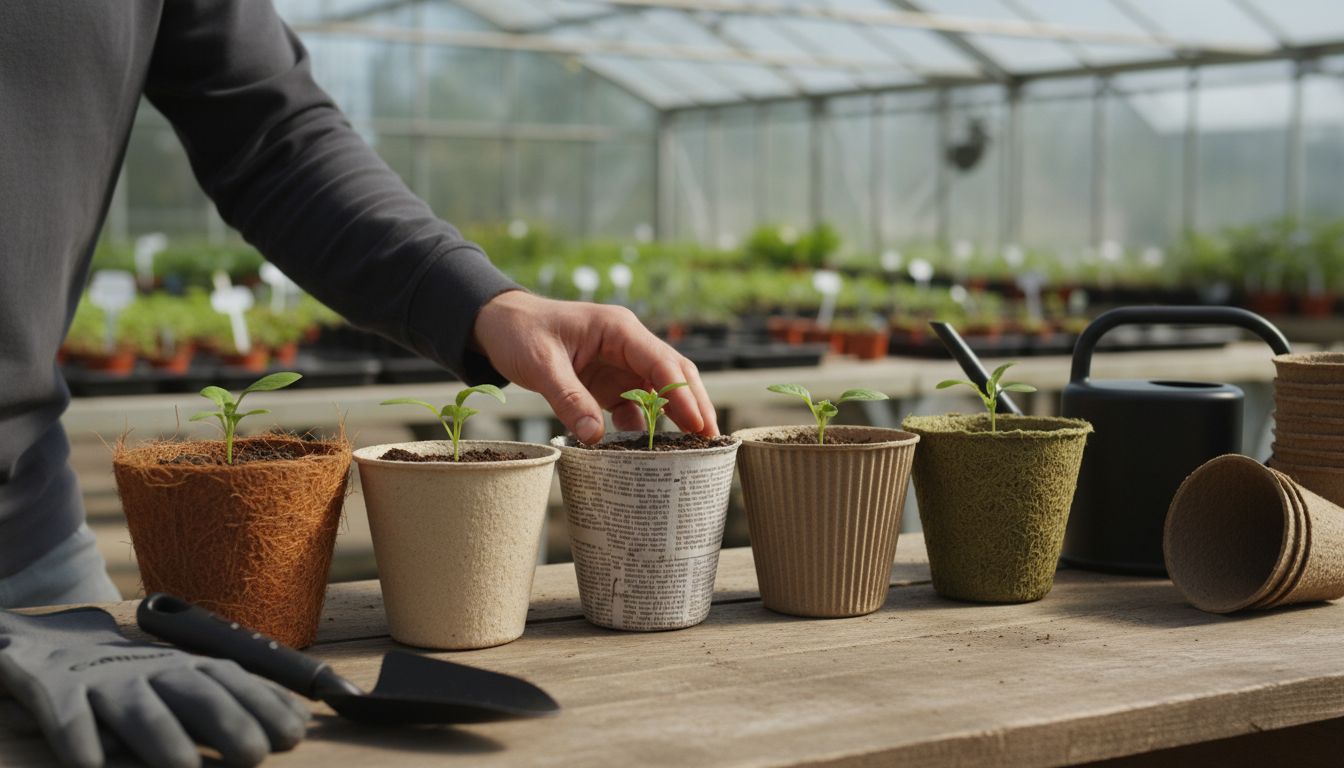
Types and Materials of Biodegradable Pots
Biodegradable pots come in a fascinating array of materials, each offering unique characteristics for gardeners seeking sustainable planting solutions. According to PubMed, common materials include cotton, polycotton, newspaper, and corrugated cardboard, which are often blended to create bio-composite seedling containers with optimal strength and biodegradability.
Interestingly, researchers have explored innovative materials beyond traditional options. National Research Council of Thailand documented remarkable experiments using water hyacinth as a pot-making material. These unique biodegradable pots can be crafted from long, short, or shredded water hyacinth pieces, with starch paste serving as a binding agent. The physical properties of these pots, including density and porosity, vary depending on the specific form of water hyacinth utilized.
The primary types of biodegradable pots include:
- Organic Fiber Pots: Made from natural plant fibers
- Newspaper-Based Pots: Recycled paper materials
- Coconut Coir Pots: Created from coconut husks
- Wood Pulp Pots: Derived from sustainable wood processing
- Agricultural Waste Pots: Utilizing materials like water hyacinth
When selecting biodegradable pots, gardeners should consider factors such as decomposition rate, structural integrity, and compatibility with specific plant types. These eco-friendly alternatives not only reduce plastic waste but also provide a nutrient-rich environment that supports seamless plant growth and transplantation.
How Biodegradable Pots Benefit Gardens
Biodegradable pots offer numerous advantages that extend far beyond traditional planting methods. According to research from West Virginia University, these innovative containers can significantly reduce root circling, a common problem with conventional plastic pots, ultimately leading to better root establishment and healthier plant development.
National Research Council of Thailand conducted comparative studies demonstrating that plants grown in biodegradable pots exhibit comparable growth metrics to those in standard plastic containers. This research validates that eco-friendly alternatives can support robust plant growth while simultaneously providing environmental benefits.
Key benefits of biodegradable pots include:
- Improved root system development
- Reduced plastic waste in gardening
- Enhanced soil nutrient integration
- Minimized transplant shock
- Natural decomposition process
For gardeners looking to adopt more sustainable gardening practices, biodegradable pots represent a simple yet effective strategy. By choosing these environmentally conscious containers, you’re not just nurturing your plants but also contributing to a broader ecological approach to gardening. The gradual decomposition of these pots enriches the soil, creates a more natural growing environment, and reduces the long-term environmental impact of traditional plastic planting containers.
Comparing Biodegradable and Plastic Pots
The debate between biodegradable and plastic pots reveals nuanced differences in plant cultivation techniques. According to research from MDPI, a comparative study of paper pulp biodegradable pots and polyethylene nursery pots demonstrated that while both effectively support plant growth, biodegradable pots offer significant environmental advantages through their compostability and reduced plastic waste.
J-Stage Research provides additional insights, noting that tomato seedlings grown in biodegradable paper pots showed slightly different growth characteristics compared to those in plastic containers. Specifically, these seedlings exhibited shorter shoot and root lengths, highlighting that eco-friendly alternatives can subtly impact plant development.
Key comparative aspects include:
- Environmental Impact: Biodegradable pots decompose naturally
- Durability: Plastic pots provide longer-lasting structure
- Root Development: Varied growth patterns between pot types
- Cost: Biodegradable pots often more expensive initially
- Sustainability: Clear advantage for biodegradable options
When exploring garden tools and equipment, gardeners must weigh the trade-offs between traditional plastic containers and innovative biodegradable alternatives. While plastic pots offer consistent performance, biodegradable options represent a forward-thinking approach to environmentally conscious gardening, balancing plant health with ecological responsibility.
Proper Use, Disposal, and Composting Tips
Successful use of biodegradable pots requires understanding their unique characteristics and proper handling techniques. According to PubMed, researchers recommend specific treatments to enhance the tensile strength of biodegradable pots made from textile and paper waste, such as alkali soaking and using binding agents like cornstarch to improve pot durability and performance.
When preparing biodegradable pots for planting, gardeners should consider several critical factors. Moisture management is key since these pots break down more quickly than traditional containers. It’s essential to monitor soil moisture levels, water carefully, and avoid oversaturation that might accelerate decomposition before plant establishment.
Key tips for using biodegradable pots include:
- Moisten pots before planting
- Use well-draining potting mix
- Plant directly into garden soil
- Water sparingly but consistently
- Handle pots gently to prevent premature breakdown
For gardeners looking to optimize their composting approach, a comprehensive compost guide for vegetables can provide additional insights into creating nutrient-rich soil environments. By understanding the intricate balance between pot durability and natural decomposition, gardeners can effectively integrate biodegradable pots into their sustainable gardening practices, minimizing waste while supporting healthy plant growth.

Embrace Sustainable Gardening with the Right Tools and Knowledge
Choosing biodegradable plant pots is a smart step toward reducing plastic waste and promoting healthier plant growth but it does come with challenges. You want pots that support root development without breaking down too soon. You may also worry about balancing durability with eco-friendliness while ensuring your plants thrive through every stage. At Lushy Gardens, we understand these concerns and provide practical advice to help you master sustainable gardening using biodegradable solutions.
Discover how to use these biodegradable pots effectively alongside the best Garden Tools & Equipment to enhance your gardening experience. Dive deeper into selecting the ideal biodegradable containers and care techniques by exploring expert guides and honest Reviews tailored for both beginners and seasoned gardeners. Visit Lushy Gardens today and take confident steps toward eco-conscious gardening. Start making a lasting impact on your garden and the planet now!
Frequently Asked Questions
What are biodegradable plant pots made from?
Biodegradable plant pots are typically made from natural materials like organic fibers, newspaper, coconut coir, wood pulp, or agricultural waste such as water hyacinth. These materials decompose over time, providing an eco-friendly alternative to traditional plastic pots.
How do biodegradable pots benefit plant growth?
Biodegradable pots minimize root disturbance during transplanting, reduce plastic waste, and integrate nutrients into the soil as they break down. This leads to improved root system development and healthier plants compared to those grown in plastic containers.
Can I plant biodegradable pots directly into the soil?
Yes, plantable biodegradable pots can be buried directly into the soil along with the plant. This allows for a seamless transition from pot to ground, reducing transplant shock and benefiting the plant’s growth.
How should I care for plants in biodegradable pots?
It’s important to monitor moisture levels carefully, as biodegradable pots break down faster than plastic ones. Moisten the pots before planting, use a well-draining potting mix, and water sparingly yet consistently to support healthy growth without accelerating decomposition.
Recommended
- How to Measure Plant Pots – Lushy Gardens
- 7 Essential Container Gardening Tips for Success – Lushy Gardens
- Blog – Lushy Gardens
- Growing Vegetables in Pots: A Step-by-Step Success Guide – Lushy Gardens

I’m Eleanor, a seasoned gardener with over three decades of experience tending to Mother Nature’s creations. Through Lushy Gardens, I aim to share my wealth of knowledge and help fellow plant enthusiasts uncover the wonders of gardening. Let’s dive into this journey together, one leaf at a time.


