
Table of Contents
Most american gardens struggle to keep weeds at bay while conserving moisture in the soil. As much as mulching can reduce water loss by up to 50 percent, many people still overlook this simple practice. Understanding how mulching works not only helps protect plants from harsh weather but also supports long term soil health and healthier harvests. Explore how choosing the right mulch can transform your approach and create a thriving, sustainable garden.
Key Takeaways
| Point | Details |
|---|---|
| Functionality of Mulching | Mulching creates a protective layer that suppresses weeds, moderates soil temperatures, and enhances water retention. |
| Types of Mulch | Gardeners can choose between organic (e.g., bark chips, straw) and inorganic (e.g., stones, rubber mulch) options based on specific needs. |
| Benefits to Soil and Plants | Mulching preserves soil moisture, retains nutrients, and fosters an optimal environment for plant growth by minimizing stress factors. |
| Cost and Maintenance Factors | Mulching requires an initial investment but leads to long-term savings through reduced maintenance and improved resource efficiency. |
What Is Mulching and How It Works
Mulching is a fundamental gardening technique that transforms how plants grow and thrive by creating a protective layer over soil surfaces. According to Cornell Blogs, mulching involves applying a strategic material barrier that serves multiple critical functions for plant health and soil management.
At its core, mulching is about creating an insulating shield for your garden’s soil. As FAO explains, this process typically involves covering topsoil with organic materials like leaves, straw, wood chips, or compost. The primary objectives are multifaceted:
- Suppress weed growth and prevent their emergence
- Moderate soil temperature fluctuations
- Prevent soil compaction
- Enhance water infiltration and retention
- Increase organic matter content
- Protect plant root systems
The mechanics of mulching work through strategic layering. When you spread a 2-4 inch thick layer of organic material across your garden’s soil surface, you create a microclimate that dramatically improves growing conditions. This protective barrier reflects sunlight, retains moisture, and gradually breaks down to feed soil microorganisms. Essentially, mulching mimics the natural forest floor environment where fallen leaves and organic matter continuously nourish and protect the ground beneath.
For gardeners looking to dive deeper into specific mulching techniques, check out our guide on understanding mulching vegetable gardens that provides detailed insights into optimal application methods for different plant types and garden environments.

Popular Types of Mulch Explained
Organic mulches and inorganic mulches represent the two primary categories gardeners can choose from when selecting the ideal ground cover. According to Oklahoma State Extension, these mulch types offer distinctly different characteristics and benefits for garden environments.
Organic mulch varieties include:
- Bark chips: Long-lasting and attractive
- Straw: Lightweight and excellent for vegetable gardens
- Leaves: Free and naturally decomposing
- Compost: Nutrient-rich and improves soil structure
- Wood chips: Slow decomposition with attractive appearance
- Pine needles: Ideal for acid-loving plants
Inorganic mulch options provide alternative solutions for gardeners seeking more permanent ground coverage. These include:
- Stones: Decorative and heat-retentive
- Rubber mulch: Durable and often made from recycled materials
- Landscape fabric: Prevents weed growth
- Gravel: Excellent drainage properties
The selection process depends on your specific garden needs. While USDA Research highlights various mulching techniques, the key is matching the mulch to your garden’s unique requirements.

Organic mulches gradually improve soil quality by decomposing, whereas inorganic options provide longer-lasting coverage with minimal maintenance.
If you want to explore soil composition further and understand how mulch interacts with different ground types, check out our guide to types of garden soil for comprehensive insights into creating the perfect growing environment.
Key Benefits for Soil and Plants
Mulching is a transformative gardening technique that delivers comprehensive benefits to both soil health and plant vitality. According to Agroforestry, this simple practice dramatically improves garden ecosystems by enhancing multiple critical aspects of plant growth and soil conditions.
Key benefits for soil include:
- Moisture Conservation: Reduces water evaporation
- Nutrient Retention: Prevents valuable nutrients from washing away
- Temperature Regulation: Insulates soil from extreme temperature fluctuations
- Erosion Prevention: Protects soil structure and prevents wind/water damage
For plant health, mulching provides equally impressive advantages. Frontiers in Agronomy highlights that mulching creates an optimal environment for plant growth by minimizing stress factors and supporting robust development. The protective layer encourages beneficial microbial activity, suppresses weed competition, and maintains consistent soil conditions that plants thrive in.
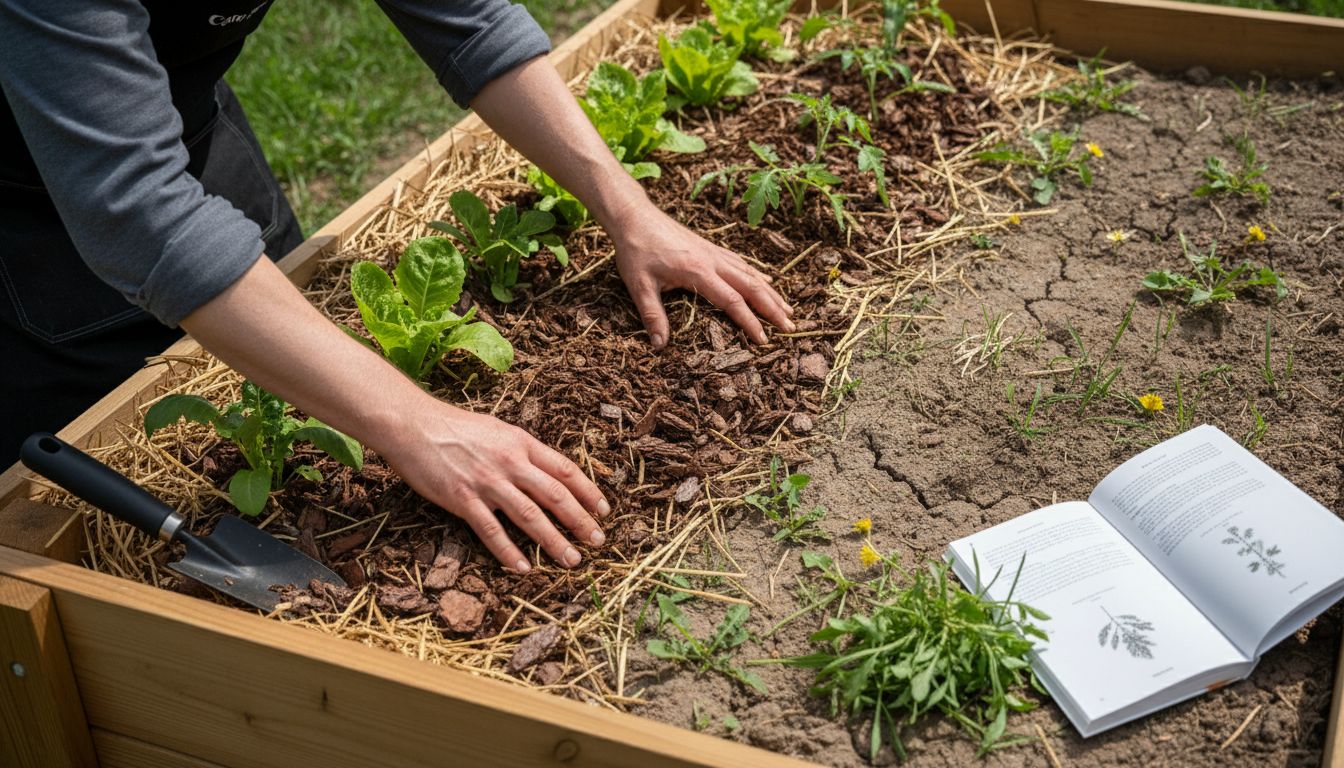
Beyond immediate benefits, mulching supports long-term soil health by gradually decomposing and adding organic matter. This process creates a self-sustaining ecosystem where plants receive continuous nutritional support. For gardeners interested in understanding the foundational aspects of soil health that complement mulching, our guide to soil testing importance offers deeper insights into maintaining optimal growing conditions.
Mulching for Weed and Moisture Control
Weed suppression and moisture management are two of the most critical benefits gardeners gain from strategic mulching. According to BASC Research, mulching provides a comprehensive solution for controlling unwanted plant growth while simultaneously optimizing soil hydration and plant health.
Weed control strategies through mulching include:
- Physical Barrier: Blocking sunlight from reaching weed seeds
- Germination Prevention: Interrupting seed sprouting conditions
- Density Management: Creating a thick layer that prevents weed emergence
- Competitive Exclusion: Limiting space and resources for unwanted plants
Moisture management represents another crucial advantage of mulching. By creating a protective layer over soil surfaces, mulch dramatically reduces water evaporation, maintains consistent soil moisture, and improves water absorption. The mulch acts like a natural sponge, trapping moisture during rainy periods and releasing it slowly during drier conditions. This process not only conserves water but also ensures that plant roots receive a steady, balanced water supply.
Gardeners looking to implement precise moisture control techniques can enhance their understanding by exploring our soil pH complete guide, which provides complementary insights into creating optimal growing environments for various plant types.
Cost, Environmental, and Maintenance Impacts
Mulching involves complex considerations beyond simple garden aesthetics, encompassing environmental sustainability, financial investment, and long-term maintenance strategies. According to DAV University, while mulching offers significant benefits, gardeners must carefully evaluate potential challenges and resource requirements.
Cost considerations include:
- Initial Material Expenses: Varying costs depending on mulch type
- Transportation Challenges: Potential logistics and delivery expenses
- Long-term Investment: Reduced gardening maintenance over time
- Resource Efficiency: Potential savings on water and pest management
Environmental impacts present both positive and potential negative dimensions. World Agroforestry emphasizes that material selection is crucial to preventing unintended consequences like pest attraction or disease transmission. Sustainable mulching practices can significantly reduce soil erosion, conserve water, and enhance overall ecosystem health when implemented thoughtfully.
Maintenance requirements demand strategic planning. Gardeners must periodically inspect mulch layers, replenish decomposed materials, and monitor for potential pest interactions. For those seeking deeper insights into creating resilient garden environments, our understanding native plants benefits guide offers complementary strategies for sustainable gardening practices.
Unlock the Full Potential of Mulching for Your Garden
Are you struggling with maintaining soil moisture or keeping weeds at bay despite your hard work? The Complete Guide to the Benefits of Mulching highlights how creating the right mulch layer can transform your garden by conserving water, suppressing weeds, and regulating soil temperature. These are common challenges gardeners face when trying to build a thriving, healthy garden ecosystem.
At Lushy Gardens, we understand these specific pain points and offer practical solutions tailored for every gardener. Whether you are starting out or want to embrace a more eco-friendly approach, our Sustainable Gardening – Lushy Gardens category is packed with expert advice and real-world tips to help you make the most of mulching and improve soil health. Jump into our Gardening for Beginners – Lushy Gardens to master fundamental techniques that complement mulching and bring out the best in your plants.
Don’t wait to nurture a more resilient garden this season. Visit Lushy Gardens now to explore detailed guides, community insights, and recommended products that support effective mulching strategies. Take the next step in giving your garden the care it deserves today.
Frequently Asked Questions
What is the purpose of mulching in gardening?
Mulching serves several purposes, including suppressing weeds, moderating soil temperatures, preventing soil compaction, enhancing water retention, and increasing organic matter in the soil.
What are the main types of mulch?
There are two primary types of mulch: organic mulches, such as bark chips, straw, and compost, and inorganic mulches, such as stones, rubber mulch, and landscape fabric.
How does mulching help with moisture management?
Mulching reduces water evaporation from the soil, maintains consistent moisture levels, and improves water absorption by acting as a barrier that traps moisture during rainy periods and releases it slowly during drier conditions.
Can mulching improve soil health?
Yes, mulching improves soil health by gradually decomposing to add organic matter, which enhances soil structure, nutrient retention, and supports beneficial microbial activity.
Recommended
- Understanding Mulching Vegetable Gardens for Healthier Growth – Lushy Gardens
- Benefits of Raised Beds: Complete Gardening Guide – Lushy Gardens
- Benefits of Raised Beds: Complete Gardening Guide – Lushy Gardens
- Best Compost for Vegetables: Complete Guide – Lushy Gardens

I’m Eleanor, a seasoned gardener with over three decades of experience tending to Mother Nature’s creations. Through Lushy Gardens, I aim to share my wealth of knowledge and help fellow plant enthusiasts uncover the wonders of gardening. Let’s dive into this journey together, one leaf at a time.


