
Table of Contents
More american gardeners are discovering that they can skip strenuous digging and still grow healthy, productive plants. Over 70 percent of soil health experts agree that disturbing the ground too much can damage essential underground ecosystems. No dig gardening flips the typical routine by building rich layers above existing earth, letting nature do most of the work. This guide will help you see how this method can support your garden, protect soil, and make tending your own crops easier and more rewarding.
Key Takeaways
| Point | Details |
|---|---|
| No Dig Gardening Definition | No dig gardening minimizes soil disturbance by adding organic matter on the surface, simulating natural nutrient accumulation processes. |
| Core Techniques | Key methods include layering organic materials, creating raised beds, and using materials like cardboard for ground cover to enhance soil health. |
| Ecological Benefits | This approach supports biodiversity, improves nutrient cycling, and enhances moisture retention, creating a healthier growing environment. |
| Common Pitfalls | Avoid low-quality compost and insufficient initial preparation to ensure a successful no dig gardening experience. |
What Is No Dig Gardening? Core Definition
No dig gardening represents a revolutionary approach to cultivating plants that challenges traditional soil management techniques by minimizing ground disturbance. According to the Soil Association, this method involves leaving soil completely undisturbed and instead adding organic matter like compost directly to the surface.
At its core, no dig gardening simulates natural ecosystem processes by layering organic materials on top of existing ground, much like how forest floors naturally accumulate nutrients. As University of Vermont Extension explains, this technique works across various soil types and promotes healthy plant growth without mechanical disruption like tilling or digging.
The fundamental principles of no dig gardening center on three key strategies:
- Preserving soil structure and microbial networks
- Adding organic matter as surface layers
- Minimizing human intervention in natural soil processes
By avoiding ground disturbance, gardeners create an environment that supports complex underground ecosystems. Beneficial microorganisms, earthworms, and soil bacteria can thrive undisturbed, developing intricate networks that enhance nutrient cycling and plant health. This approach transforms gardening from a disruptive activity into a collaborative process with nature’s existing systems.
Key Principles and Core Methods Explained
No dig gardening fundamentally transforms traditional cultivation approaches by prioritizing soil ecosystem preservation. According to Food Environment Research, this method focuses on minimal soil disturbance and nurturing ground through strategic natural processes.
The core methods of no dig gardening involve several strategic techniques that work in harmony with natural soil systems. These techniques include layering organic materials like compost and mulch directly on garden beds, which creates a rich environment supporting microorganisms, beneficial insects, and plant health. Gardeners essentially build fertile ground by adding successive layers of nutrient-rich materials without mechanical disruption.
Key implementation strategies for no dig gardening include:
- Creating raised bed systems with minimal ground preparation
- Using cardboard or newspaper as initial ground cover
- Applying thick organic compost layers (3-4 inches)
- Maintaining consistent organic material additions
- Allowing natural decomposition processes to enrich soil
This approach transforms gardening from an invasive practice to a regenerative process. By respecting underground ecosystems, gardeners can develop healthier, more resilient growing environments that require less ongoing maintenance and produce robust plant growth. The method essentially mimics natural woodland floor processes, where organic materials accumulate and decompose without human mechanical intervention.
Essential Materials and Getting Started Steps
Starting a no dig garden requires careful preparation and specific materials that support this sustainable gardening approach. As recommended by the University of Vermont Extension, the initial setup involves several strategic steps that minimize ground disturbance while creating an optimal growing environment.
The essential materials for no dig gardening include organic compost, cardboard or newspaper, high-quality mulch, and basic gardening tools. These materials work together to create a nutrient-rich, undisturbed growing space. Gardeners will need:
- Quality organic compost (6-8 inches thick)
- Cardboard or newspaper for ground cover
- Organic mulch materials
- Garden gloves
- Basic hand tools like pruners and a rake
- Watering equipment
Initial bed preparation follows a specific sequence. According to the University of Vermont method, start by mowing existing vegetation, then cover the area completely with cardboard or newspaper. Thoroughly wet this base layer to encourage decomposition. Next, add a substantial 6-inch layer of high-quality compost, which will serve as the primary growing medium.
For beginners looking to expand their gardening skills, our gardening basics for beginners guide can provide additional support in understanding foundational techniques.
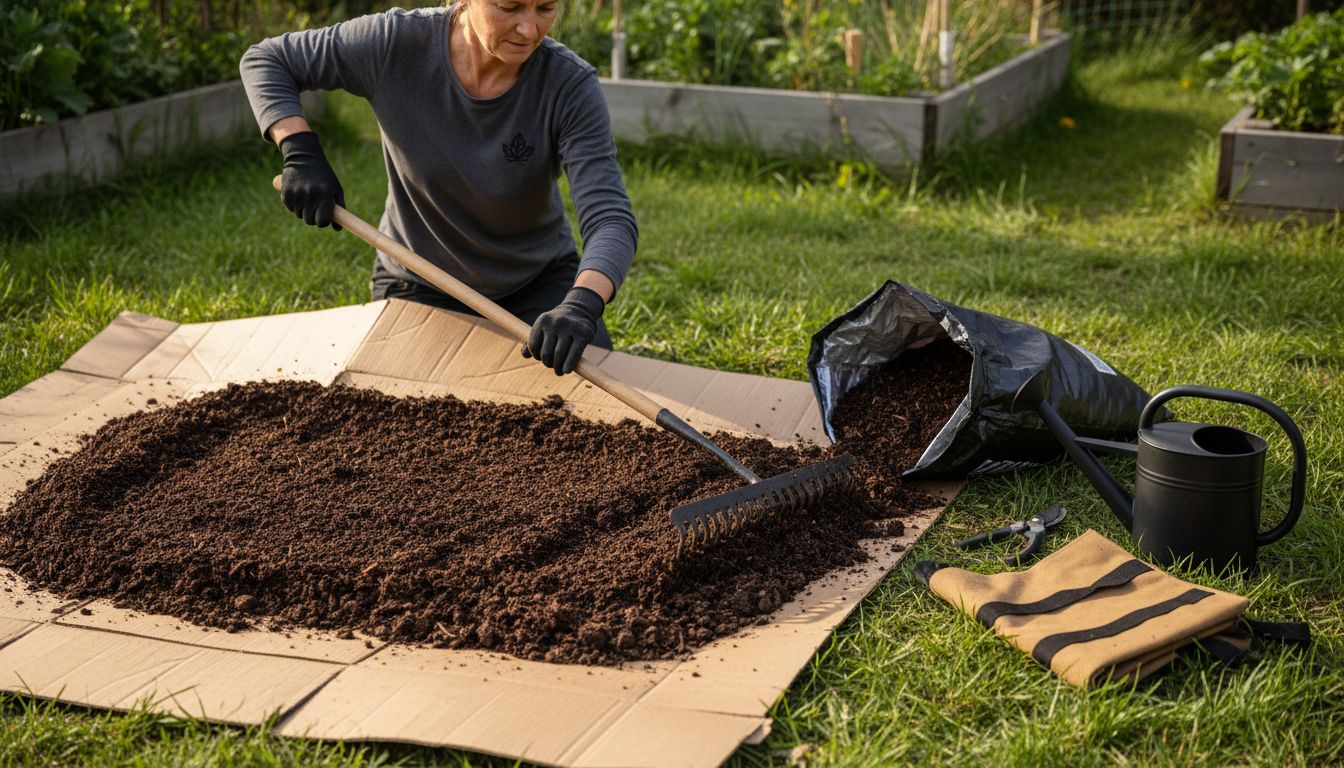 The no dig approach transforms traditional gardening by creating a self-sustaining ecosystem that requires minimal intervention and supports robust plant growth through natural processes.
Benefits for Soil, Plants, and Sustainability
No dig gardening offers transformative advantages that extend far beyond traditional cultivation methods. Food Environment Research highlights how this approach maintains critical soil structure, reduces erosion, and dramatically enhances overall ecosystem biodiversity by creating a habitat that supports beneficial organisms.
The ecological benefits of no dig gardening are profound and multifaceted. By minimizing ground disturbance, gardeners create an environment where complex underground networks of microorganisms, fungi, and insects can thrive. These intricate biological systems work symbiotically to:
- Improve soil nutrient cycling
- Enhance water retention capabilities
- Support natural pest resistance
- Promote healthier root development
- Reduce soil compaction
Sustainability becomes more than just a concept in no dig gardening. It transforms into a living, breathing practice that mimics natural ecological processes. The method significantly reduces carbon emissions associated with traditional tilling, minimizes soil disruption, and creates a self-regenerating growing environment that requires less external intervention and resources.
For gardeners seeking to integrate more sustainable practices into their cultivation techniques, our guide on sustainable gardening practices can provide additional insights into creating environmentally responsible growing spaces. No dig gardening represents a powerful approach to agriculture that respects natural systems while producing robust, healthy plant growth.
Common Mistakes and How to Avoid Them
No dig gardening presents unique challenges that can derail even the most well-intentioned gardeners. As noted by the University of Vermont Extension, one of the most critical potential pitfalls involves the quality of compost used in the gardening process.
Common mistakes in no dig gardening typically revolve around several key areas:
- Using low-quality or contaminated compost
- Applying insufficient organic material layers
- Neglecting initial ground preparation
- Overcompacting the growing surface
- Failing to maintain proper moisture levels
- Introducing invasive plant species accidentally
The most significant risk comes from using compost that contains weed seeds, pest larvae, or chemical residues. Gardeners must carefully source their organic materials, ensuring they are free from potential contaminants that could compromise the entire growing environment. This means selecting compost from reputable sources, thoroughly screening materials, and potentially heat-treating compost to eliminate potential threats.
For those looking to refine their approach, understanding these potential pitfalls is crucial. Our guide on sustainable gardening practices can provide additional insights into creating a robust, healthy growing environment that minimizes risks and maximizes plant health. Success in no dig gardening ultimately comes down to careful preparation, thoughtful material selection, and a deep respect for the delicate ecosystem you’re cultivating.
Comparing No Dig to Traditional Gardening
Traditional gardening and no dig methods represent fundamentally different approaches to cultivating plants. Food Environment Research highlights the critical distinctions, noting that unlike conventional tilling techniques, no dig farming preserves soil structure, enhances biodiversity, and significantly reduces environmental erosion.
The key differences between traditional and no dig gardening methods are stark and multifaceted:
- Soil Disruption: Traditional tilling breaks and inverts soil layers, while no dig methods preserve natural soil structure
- Ecosystem Impact: Conventional methods destroy underground microbial networks; no dig approaches nurture them
- Labor Intensity: Traditional gardening requires extensive physical labor; no dig methods minimize effort
- Nutrient Cycling: Tilling disrupts natural nutrient pathways; no dig gardening supports continuous biological processes
- Carbon Footprint: Traditional methods release stored carbon; no dig techniques help sequester carbon in soil
Beyond theoretical differences, the practical implications are profound. Traditional gardening essentially treats soil as a sterile medium to be mechanically manipulated, whereas no dig gardening views soil as a living, breathing ecosystem. This philosophical shift transforms gardening from a process of conquest to one of collaboration with natural biological systems.
Gardeners interested in transitioning to more sustainable practices can explore our guide on preparing garden beds naturally to understand the nuanced techniques that support this transformative approach to cultivation.

Discover the Power of No Dig Gardening with Lushy Gardens
If you are ready to transform your gardening experience by preserving soil health and boosting plant growth naturally then no dig gardening is the method for you. This article highlights the challenges of traditional soil disruption and shows how layering organic matter supports thriving ecosystems underground. At Lushy Gardens we understand your goal to create a sustainable and low-maintenance garden that works with nature instead of against it.
Explore expert tips and practical advice on Sustainable Gardening – Lushy Gardens along with easy-to-follow guides tailored for those just starting out at Gardening for Beginners – Lushy Gardens. Take the next step toward enriching your garden while minimizing effort by visiting Lushy Gardens today. Unlock the secrets of no dig gardening and begin building a healthier garden ecosystem now.
Frequently Asked Questions
What is no dig gardening?
No dig gardening is a method of growing plants that minimizes soil disturbance. Instead of tilling or digging, it involves adding organic matter like compost on top of existing soil to nurture and support healthy plant growth.
What are the key principles of no dig gardening?
The key principles of no dig gardening include preserving soil structure, layering organic materials on the surface, and minimizing human intervention to allow natural microbial networks to thrive and support nutritious plant growth.
What materials do I need to start a no dig garden?
To start a no dig garden, you will need quality organic compost, cardboard or newspaper for initial ground cover, organic mulch materials, garden gloves, basic hand tools, and watering equipment.
How does no dig gardening benefit soil health?
No dig gardening benefits soil health by preserving the natural soil structure, supporting beneficial microorganisms, improving nutrient cycling, enhancing water retention, and promoting biodiversity without the negative impacts of traditional tilling practices.
Recommended
- Benefits of Raised Beds: Complete Gardening Guide – Lushy Gardens
- Benefits of Raised Beds: Complete Gardening Guide – Lushy Gardens
- Understanding Mulching Vegetable Gardens for Healthier Growth – Lushy Gardens
- What is Organic Gardening? Understanding Sustainable Practices – Lushy Gardens

I’m Eleanor, a seasoned gardener with over three decades of experience tending to Mother Nature’s creations. Through Lushy Gardens, I aim to share my wealth of knowledge and help fellow plant enthusiasts uncover the wonders of gardening. Let’s dive into this journey together, one leaf at a time.


