
Table of Contents
Throwing away vegetable scraps can feel wasteful, especially when those bits hold untapped gardening potential. For urban gardeners aiming to fight food waste and grow fresh produce at home, starting with kitchen leftovers offers a rewarding and sustainable path. This guide reveals which vegetable scraps can easily sprout new life, how to prepare them for regrowth, and the simple steps beginners need to transform everyday waste into thriving plants right on a windowsill.
Quick Summary
| Key Message | Explanation |
|---|---|
| 1. Choose Suitable Vegetable Scraps | Select scraps with intact bases or stems like celery and lettuce for the best chance of regrowth. |
| 2. Prepare Scraps Carefully | Cut vegetable scraps properly and ensure they have enough base to promote healthy growth and root development. |
| 3. Use Proper Regrowth Techniques | For leafy vegetables, water rooting is effective; for potatoes, plant directly in soil after drying. |
| 4. Maintain Optimal Growing Conditions | Keep sprouted plants in indirect sunlight and mist regularly to ensure consistent moisture without overwatering. |
| 5. Monitor Growth and Harvest Methodically | Track the growth of each plant and harvest at the right time to encourage continued regrowth and healthy produce. |
Step 1: Collect Suitable Vegetable Scraps
Growing vegetables from kitchen scraps is an exciting way to reduce food waste and create fresh produce at home. In this step, you will learn how to select and prepare vegetable pieces with the potential to regrow into new plants.
Not all vegetable scraps can successfully regenerate. Some ideal candidates for regrowing include the bases of lettuce, bok choy, celery, carrot tops, and fresh herb stems. Look for pieces with intact stems or compact bases that can easily develop roots. Vegetables with compact root structures or growth points work best for this technique. Avoid using scraps from irradiated produce or those picked very early, as they might have sterile seeds or limited regenerative capacity.
To maximize your success, choose fresh vegetable pieces with visible growth points. Select scraps with at least half an inch to two inches of base intact, ensuring enough plant material remains to trigger new growth. Potatoes with visible eyes, herb stems with leaf nodes, and vegetable bottoms with concentrated growth tissues are particularly promising for regrowing.
Pro tip: Store your selected vegetable scraps in a cool, humid environment and check them daily for signs of root or shoot development to ensure optimal regrowth potential.
Here’s a quick reference comparing common kitchen scraps by their regrowth requirements and expected yield:
| Vegetable Scrap | Preparation Needed | Time to Root/Sprout | Typical Yield |
|---|---|---|---|
| Lettuce Base | 2-3 inches of base intact | 7-14 days | New leaves |
| Celery Base | 2 inches of bottom preserved | 7-14 days | Stalks regrow |
| Potato Piece | Piece with eyes, dried 1 day | 10-21 days | New plant, tubers |
| Carrot/Beet Tops | 0.5-1 inch top | 5-10 days | Green tops for use |
| Herb Stems | Nodes submerged, leaves off | 5-10 days | Stem and leaf shoots |
Step 2: Prepare Scraps for Regrowth
Now that you have collected suitable vegetable scraps, the next crucial step is preparing them for successful regeneration. Proper preparation ensures your kitchen scraps have the best chance of developing into healthy new plants.
Carefully cut your vegetable scraps to maximize their potential for regrowing. Vegetable scrap preparation techniques vary depending on the type of produce. For leafy vegetables like lettuce and bok choy, leave 2 to 3 inches of base intact. Celery requires about 2 inches at the bottom, while carrot, beet, and turnip tops should be trimmed to approximately half an inch to one inch. When working with potatoes, select pieces with visible eyes and allow them to dry for a night before planting to prevent rotting.
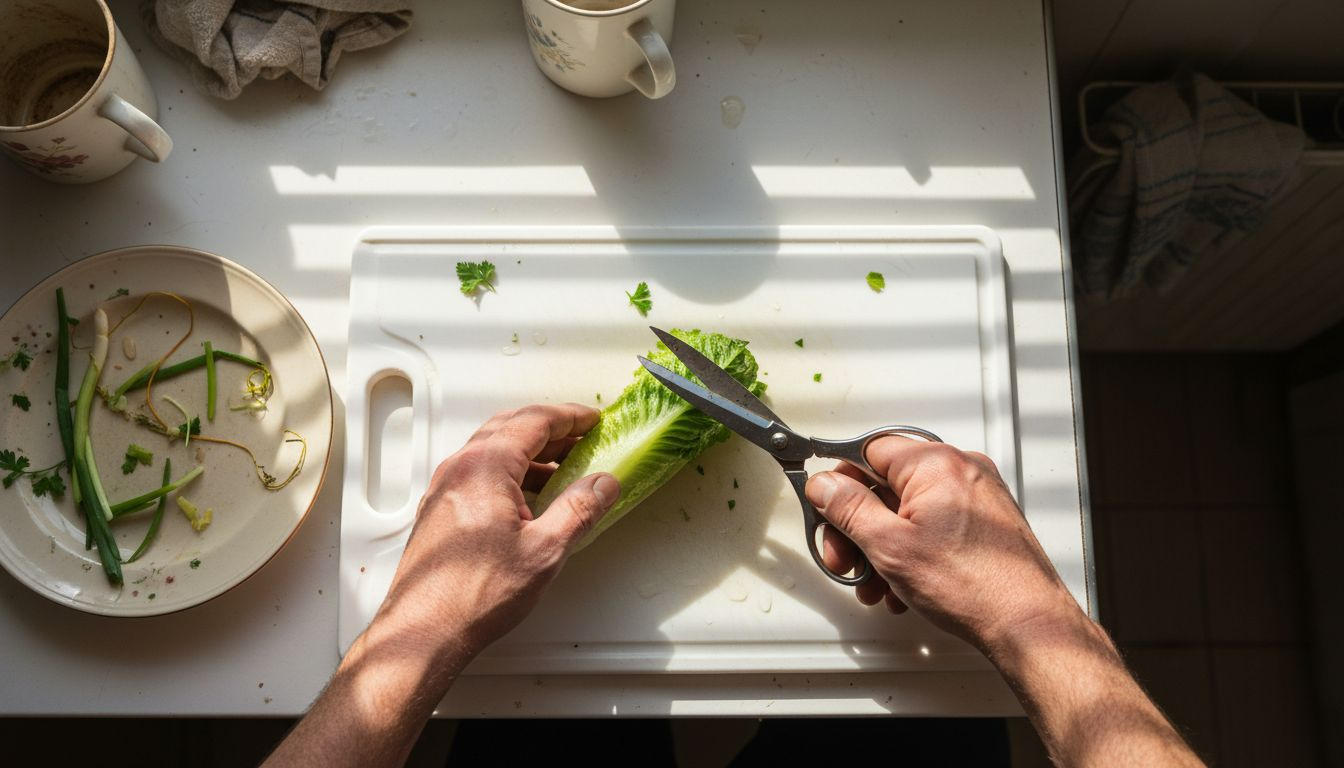
When preparing herb stems, remove lower leaves from the portion that will be submerged in water to prevent decay. Place your prepared scraps in shallow water or moist environments, ensuring they are not completely submerged. Change the water every few days to maintain freshness and prevent bacterial growth. Monitor your scraps closely for signs of root development or sprouting, which indicate successful preparation.
Pro tip: Use clean, sharp scissors when cutting vegetable scraps to create clean cuts that promote healthier root and shoot development.
Step 3: Plant Scraps in Water or Soil
After preparing your vegetable scraps, you are ready to begin the exciting process of regrowing them into new plants. This step transforms your kitchen waste into a thriving garden, offering a sustainable approach to food production right in your home.
Water rooting techniques work wonderfully for many vegetable types. Begin by placing vegetable bases like lettuce, bok choy, and celery in shallow containers with water reaching halfway up the base. Keep the base upright and ensure the water remains clean by changing it every few days. For root vegetables such as carrots and beets, use a similar shallow water method to encourage initial root development. Potato pieces with visible eyes should be dried overnight and then planted directly in loose potting soil about 4 inches deep, ensuring proper drainage and nutrient access.
Once roots start developing in water typically within days to weeks, you can transplant your scraps into nutrient rich soil. Fresh herbs particularly benefit from this water rooting method before soil transfer. When transplanting, choose a container with good drainage or a garden spot with loose, compost enriched soil. Gently transfer the rooted scrap, being careful not to damage the delicate new roots, and provide consistent moisture to support continued growth.
Pro tip: Use a clear glass container when rooting in water to easily monitor root development and track your vegetable scraps progress.
Step 4: Care for Sprouting Plants
As your vegetable scraps begin to develop roots and shoots, attentive care becomes crucial for transforming kitchen waste into thriving garden plants. This stage requires careful monitoring and consistent nurturing to ensure successful growth.
Plant care techniques involve maintaining optimal growing conditions. Keep your sprouting plants in a sunny windowsill with indirect light, avoiding harsh direct sunlight that could damage delicate new growth. Change the water every few days to prevent bacterial buildup and keep the environment clean. Monitor the roots closely as they develop, ensuring they remain moist but not waterlogged. When roots reach about an inch in length, prepare to transplant them into nutrient rich soil mixed with compost to provide essential nutrients for continued growth.
Once transplanted, continue providing consistent moisture and protection from extreme temperatures. Remove any yellowing or dying leaves to encourage healthy plant development and prevent potential disease spread. Watch for signs of pest activity and address any issues promptly to maintain the plant’s vigor. Different vegetables will have unique growth patterns, so observe each plant individually and adjust care as needed.
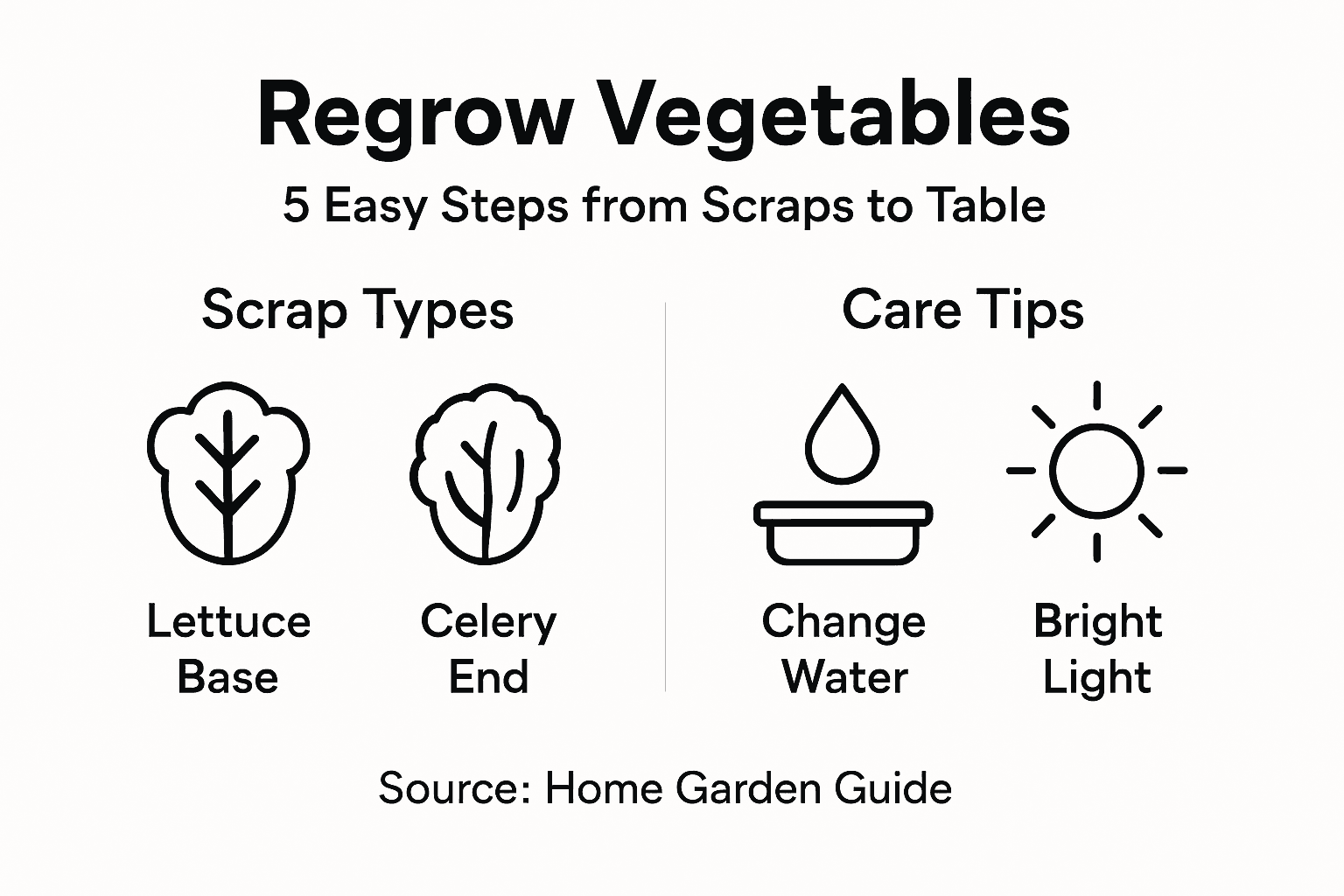
Pro tip: Use a spray bottle for gentle watering to prevent disturbing delicate new roots and maintain consistent moisture levels.
This summary outlines ideal growing conditions for scraps after initial rooting:
| Plant Type | Watering Needs | Light Exposure | Soil Type |
|---|---|---|---|
| Leafy Greens | Consistent moisture | Indirect sunlight | Compost-enriched, loose |
| Root Vegetables | Moist, not soggy | Partial shade | Well-drained, loose |
| Herbs | Regular misting | Bright window | Nutrient-rich, light |
| Potatoes | Moderate watering | Full to partial sun | Loose, deep, draining |
Step 5: Monitor Growth and Harvest
You have successfully started regrowing vegetables from kitchen scraps, and now comes the exciting stage of monitoring their growth and planning your harvest. This step transforms your initial efforts into a rewarding gardening experience that reduces food waste and provides fresh produce.
Vegetable regrowth monitoring techniques require consistent attention and patience. For leafy greens like lettuce and celery, harvest the leaves when they reach 2 to 3 inches in length by cutting near the base. This method encourages continued regrowth and ensures a steady supply of fresh greens. Root vegetables such as carrots and beets will require different harvesting strategies. Observe the plant’s growth patterns and remove green leaves for culinary use, understanding that the root itself may not regenerate fully.
Continuous care is essential during the growth cycle. Replace water regularly to maintain clarity and prevent bacterial growth. Keep plants in consistent sunlight and monitor soil moisture levels. For potato plants, watch for flowering and leaf dieback as indicators of readiness for harvest. Different vegetables will have unique growth cycles, so adapt your care approach based on each plant’s specific characteristics and development stages.
Pro tip: Keep a garden journal to track each vegetable scrap’s growth progress, noting water changes, sunlight exposure, and harvest times for future improvement.

Unlock the Full Potential of Regrowing Vegetables at Home
Trying to grow fresh vegetables from kitchen scraps can feel challenging without the right guidance and resources. Whether you are struggling with selecting the best scraps or need advice on proper plant care after rooting, understanding how to nurture your regrowing plants is essential for success. This article highlights key steps such as preparing scraps properly and monitoring their growth to maximize your yield and reduce food waste.
For gardeners eager to take their efforts further, explore our extensive collection of Gardening Tips to improve your knowledge on plant care and maintenance. Adding the right nutrients is also crucial, so discover effective options in our Fertilizers section designed to keep your plants healthy and thriving. Start transforming your kitchen scraps into a flourishing garden today by visiting Lushy Gardens and unlocking expert advice and practical solutions crafted just for you.
Frequently Asked Questions
What vegetable scraps are best for regrowing?
Ideal scraps for regrowing include the bases of lettuce, bok choy, celery, carrot tops, and herb stems. Choose pieces that have intact stems and visible growth points to maximize your chances of success.
How do I prepare vegetable scraps for regrowth?
Carefully cut the vegetable scraps to retain the necessary base. For instance, leave 2 to 3 inches for leafy vegetables and ensure cuts are clean to promote healthy root development.
How do I plant vegetable scraps in water or soil?
Place the prepared scraps in shallow containers of water or plant dried potato pieces in loose, nutrient-rich soil about 4 inches deep. Monitor the water level or soil moisture closely to support healthy growth.
What care do sprouting plants need?
Sprouting plants require consistent moisture and indirect sunlight to thrive. Change the water regularly and watch for overwatering to keep the roots healthy and strong.
When should I harvest regrown vegetables?
Harvest leafy greens when they reach about 2 to 3 inches in length by cutting near the base. For root vegetables, observe their growth and remove green tops while allowing the roots time to mature for the best yield.
Recommended
- Vegetable Garden Planning Made Easy: A Step-by-Step Guide – Lushy Gardens
- Best Compost for Vegetables: Complete Essential Guide – Lushy Gardens
- Best Compost for Vegetables: Complete Guide – Lushy Gardens
- Growing Vegetables in Pots: A Step-by-Step Success Guide – Lushy Gardens
- Ispezioni con drone a sostegno dell’Agricoltura 4.0

I’m Eleanor, a seasoned gardener with over three decades of experience tending to Mother Nature’s creations. Through Lushy Gardens, I aim to share my wealth of knowledge and help fellow plant enthusiasts uncover the wonders of gardening. Let’s dive into this journey together, one leaf at a time.


