
Table of Contents
More than 50 percent of american city dwellers now turn to indoor gardening to brighten up their homes and boost daily well-being. For beginners surrounded by concrete, figuring out where to start with garden design can seem tricky. Learning basic principles makes it possible to create stylish and functional green spaces in any location, no matter the square footage or daylight. This guide reveals simple approaches to help even first-time gardeners shape an inviting home sanctuary.
Key Takeaways
| Point | Details |
|---|---|
| Maximize Space | Utilize vertical gardening and modular designs to make the most of limited square footage in urban environments. |
| Understand Microclimates | Analyze sunlight, wind, and moisture variations in your garden to select the appropriate plants for your specific conditions. |
| Choose the Right Style | Align your garden design style with your home’s architecture and personal preferences for cohesive aesthetics. |
| Avoid Overcrowding | Plan for plants’ mature size and growth needs to prevent competition and ensure a healthy, visually appealing garden. |
Core Garden Design Principles Explained
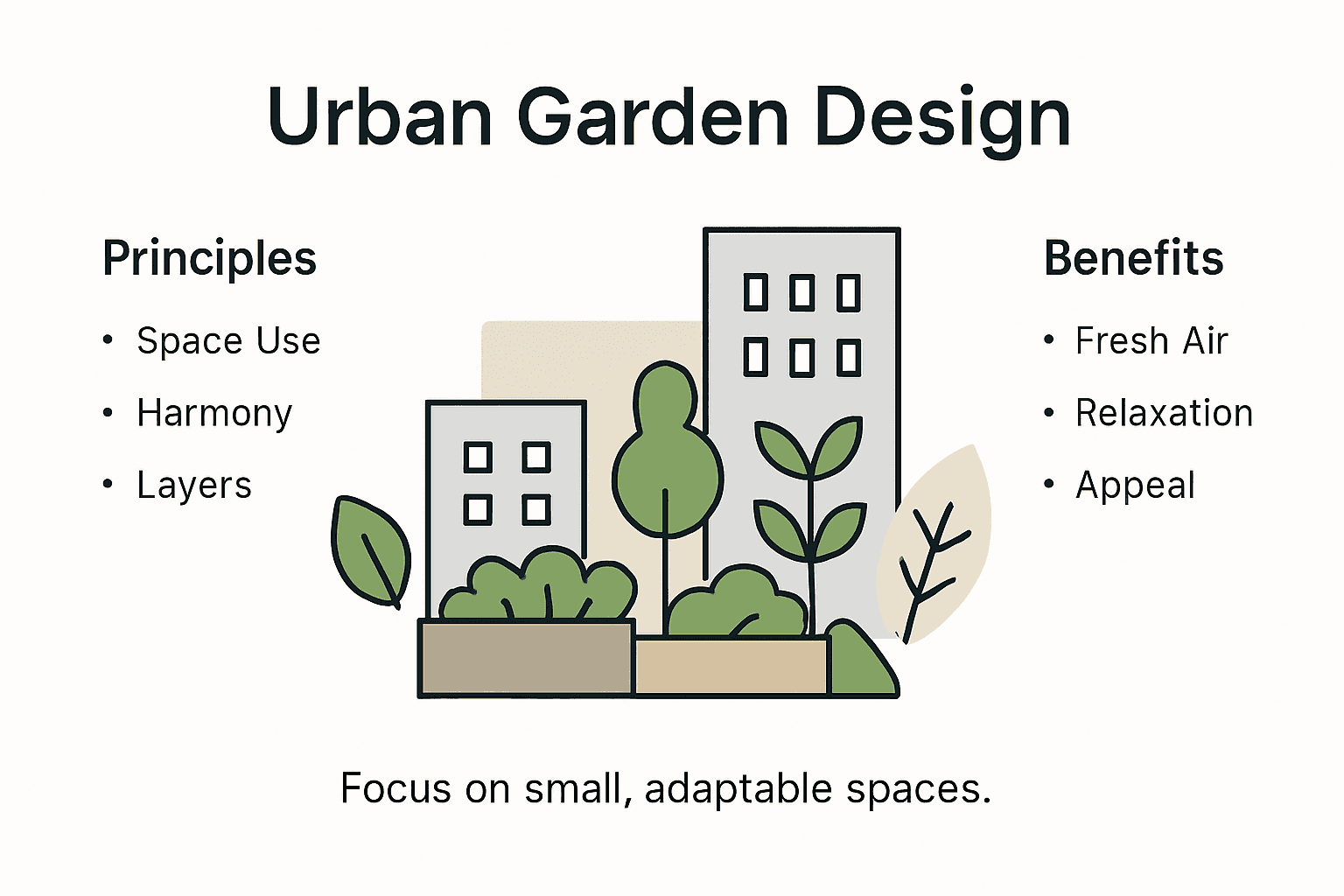
Designing a garden in an urban home requires strategic thinking and careful planning. Unlike traditional landscape spaces, urban gardens demand creative solutions that maximize limited square footage while creating visually appealing and functional environments. Understanding garden design for beginners involves mastering several core principles that transform small spaces into thriving green sanctuaries.
The fundamental principles of urban garden design center around three key concepts: spatial efficiency, visual hierarchy, and functional versatility. Spatial efficiency means utilizing every available inch strategically, which might involve vertical gardening techniques, hanging planters, or multi-level planting arrangements. Visual hierarchy focuses on creating depth and interest through thoughtful plant placement, using techniques like layering plants with varying heights, textures, and colors to create a dynamic landscape. Functional versatility ensures your garden serves multiple purposes beyond aesthetics – perhaps providing herbs for cooking, creating a relaxation zone, or supporting small-scale biodiversity.
Successful urban garden design also requires understanding microclimates within your specific space. Factors like sunlight exposure, wind patterns, temperature variations, and moisture levels dramatically impact plant selection and placement. South-facing windows offer different growing conditions compared to north-facing spaces, so mapping your garden’s unique environmental characteristics becomes crucial. By analyzing these nuanced details, urban gardeners can select plant species perfectly suited to their specific environmental conditions, ensuring healthier growth and more resilient green spaces.
Pro Tip: Start Small: Begin your urban garden design by selecting 3-5 plant varieties that match your space’s specific light and moisture conditions, gradually expanding your garden as you gain confidence and understand your unique microclimate.
Types of Garden Design Styles for Homes
Urban home gardens offer an incredible diversity of design styles that transform limited spaces into personalized green retreats. French garden design approaches represent one sophisticated option, emphasizing symmetry, structured layouts, and carefully manicured plant arrangements that bring elegance to compact environments. These design styles go far beyond mere aesthetic choices – they represent unique philosophies about how humans interact with natural spaces.
Garden design styles can be broadly categorized into several distinct approaches, each with unique characteristics and spatial requirements. Modern minimalist gardens prioritize clean lines, sparse plantings, and geometric shapes, perfect for contemporary urban homes with limited square footage. Mediterranean-inspired designs feature drought-resistant plants, terracotta elements, and warm color palettes that create a sense of relaxed sophistication. Japanese zen gardens offer another compelling option, focusing on simplicity, carefully curated rock and plant arrangements, and creating meditative spaces that transform small urban areas into tranquil retreats.
Choosing the right garden design style requires careful consideration of your specific urban environment, personal aesthetic preferences, and practical constraints. Factors like available sunlight, wind patterns, building architecture, and personal lifestyle all play crucial roles in determining the most suitable garden approach. Some urban gardeners might prefer vertical garden designs that maximize wall spaces, while others might opt for container gardens that offer flexibility and easy reconfiguration. Understanding these nuanced differences allows urban residents to create personalized green spaces that reflect individual tastes and complement their living environments.
Pro Tip: Style Matching: Analyze your home’s architectural style and existing outdoor space before selecting a garden design approach, ensuring visual harmony between your garden and living environment.
Here’s a side-by-side overview of popular urban garden design styles and their key benefits:
| Garden Style | Visual Characteristics | Practical Benefits |
|---|---|---|
| Modern Minimalist | Clean lines, geometric shapes | Low maintenance, maximizes space |
| French Formal | Symmetry, structured plantings | Elegant appearance, orderliness |
| Mediterranean | Warm colors, drought-tolerant | Water efficiency, relaxed feel |
| Japanese Zen | Simple, curated rocks & plants | Promotes tranquility, low clutter |
| Vertical/Wall | Green walls, vertical tiers | Saves floor space, high density |
| Container Gardens | Portable pots, varied heights | Flexible layout, easy to reconfigure |
Planning Layouts for Small Urban Spaces
Planning layouts for small urban spaces requires strategic thinking and innovative design approaches that maximize every available square inch. Container gardening ideas represent one of the most versatile solutions for urban gardeners seeking to transform limited areas into lush, productive green spaces. The key is understanding how to manipulate spatial constraints creatively, turning potential limitations into opportunities for unique garden design.
Spatial optimization becomes critical when designing gardens in compact urban environments. Vertical gardening techniques offer remarkable potential for maximizing growing areas, utilizing wall spaces, balcony railings, and suspended structures to create multi-dimensional green landscapes. Modular container systems, hanging planters, and tiered shelving units can transform seemingly unusable spaces into thriving garden ecosystems. Urban gardeners can strategically layer plants with different height requirements, creating visual depth and increasing overall plant density without consuming additional floor space.
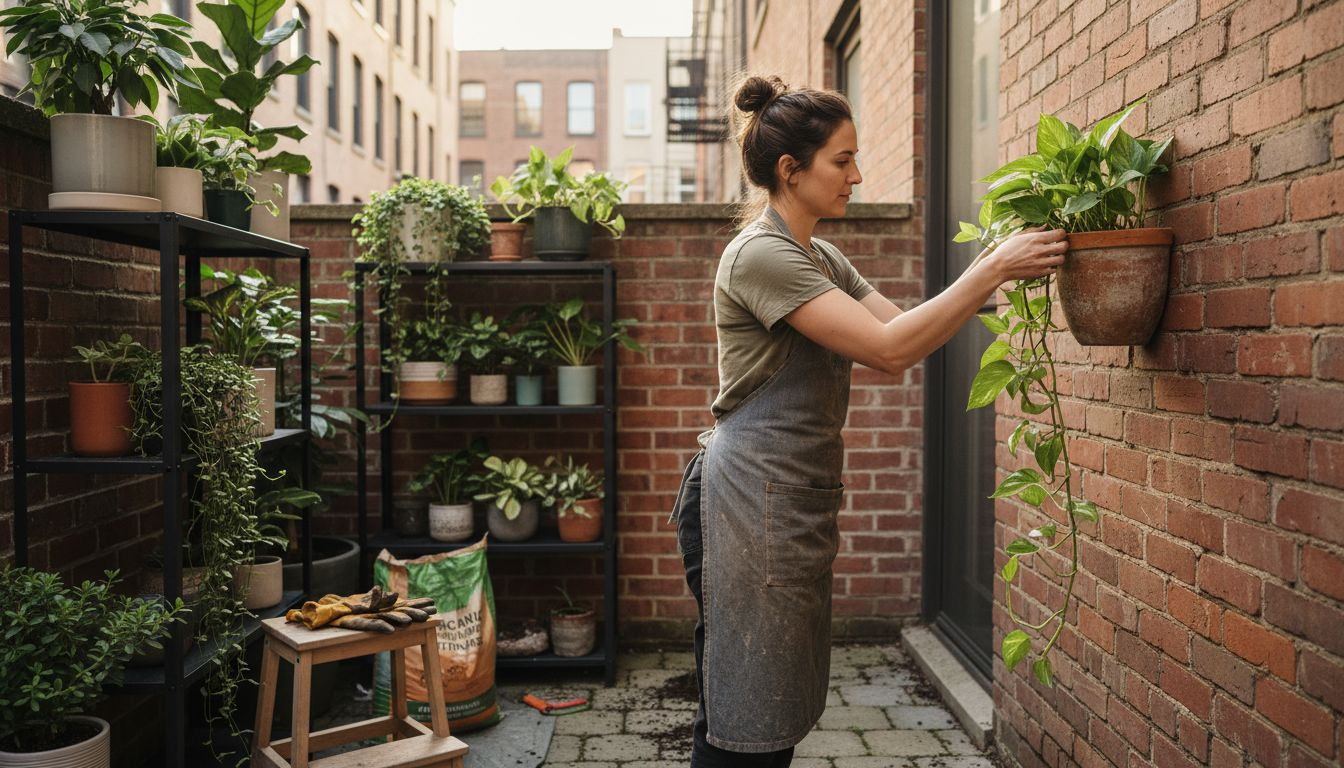
Successful small urban garden layouts demand a holistic approach that considers multiple factors beyond mere spatial dimensions. Sunlight exposure, wind patterns, temperature variations, and microclimatic conditions all play crucial roles in determining plant placement and garden configuration. Some urban gardeners might opt for compact raised beds on rooftops, while others might prefer mobile container gardens that can be rearranged based on seasonal light patterns. Understanding your specific urban environment’s unique characteristics allows for more precise and effective garden design, ensuring plants receive optimal growing conditions despite spatial constraints.
Pro Tip: Vertical Thinking: Invest in adjustable shelving, wall-mounted planters, and hanging systems that allow you to create garden spaces vertically, effectively tripling your potential growing area without consuming additional floor space.
Choosing Plants for Aesthetic Harmony
Creating aesthetic harmony in urban gardens requires a thoughtful approach to plant selection that goes beyond simple visual appeal. Decorating with houseplants involves understanding how different plant textures, colors, and forms interact to create a cohesive and visually engaging environment. The art of plant selection is about creating a balanced composition that reflects both personal style and the unique characteristics of your urban space.
Color coordination plays a crucial role in achieving aesthetic harmony. Urban gardeners should consider creating visual relationships between plants through complementary and analogous color schemes. This might involve selecting plants with foliage in similar color families – such as varying shades of green, or creating contrast with plants that feature deep burgundy, silvery blue, or variegated leaves. Texture becomes equally important, with a mix of broad-leafed plants, delicate ferns, and structural succulents creating depth and visual interest. The goal is to develop a layered, dynamic landscape that feels intentional and harmonious, even within the constraints of a small urban space.
Beyond visual aesthetics, successful plant selection requires careful consideration of practical growing conditions. Urban environments present unique challenges, including limited light exposure, temperature fluctuations, and restricted space. Plants must be chosen not just for their visual appeal, but for their ability to thrive in specific microclimates. Shade-tolerant plants work wonderfully in north-facing windows, while sun-loving varieties can transform bright balconies or rooftop gardens. Understanding each plant’s specific requirements ensures not just a beautiful garden, but a sustainable one that maintains its aesthetic appeal over time.
Pro Tip: Color Matching: Select plants with complementary leaf colors and textures, aiming for a 60-30-10 color ratio that creates visual balance without overwhelming your urban space.
Below is a quick reference highlighting how to select plants for urban gardens based on light and visual impact:
| Light Level | Suitable Plant Types | Visual Effect |
|---|---|---|
| Low/North-facing | Ferns, snake plant, pothos | Lush green, soft texture |
| Medium/Shaded | Peace lily, begonias, ivy | Subtle color, layering |
| Bright/Sunny | Succulents, herbs, lavender | Bold structure, contrast |
| Variable | ZZ plant, spider plant | Adaptable, consistent |
Common Pitfalls in Beginner Garden Design
Navigating urban garden design requires understanding the most common mistakes that can derail even the most well-intentioned gardening projects. Simple garden design ideas reveal that many beginners fall into predictable traps that compromise their garden’s potential. These pitfalls often stem from enthusiasm without proper planning, leading to gardens that look chaotic, unsustainable, or fail to thrive in urban environments.
Overcrowding represents one of the most significant challenges for novice urban gardeners. Beginners frequently underestimate plants’ growth potential, cramming too many specimens into limited spaces without considering their mature size, root systems, and individual requirements for sunlight, water, and nutrients. This approach leads to competition between plants, reduced overall health, and a cluttered aesthetic that diminishes the garden’s visual appeal. Successful urban garden design requires strategic spacing, understanding each plant’s growth characteristics, and creating room for natural development.
Another critical mistake involves neglecting microclimatic conditions specific to urban environments. Unlike rural or suburban gardens, urban spaces feature complex environmental factors like reflected heat from concrete surfaces, limited direct sunlight, wind tunnels created by building configurations, and variable moisture conditions. Inexperienced gardeners often select plants without thoroughly analyzing these unique environmental constraints. Shade-loving plants placed in direct sunlight, drought-sensitive species in windy locations, or moisture-demanding plants in dry urban settings can quickly lead to garden failure. Comprehensive research and careful plant selection based on specific environmental conditions become essential for creating a resilient and thriving urban garden.
Pro Tip: Microclimate Mapping: Spend a week observing your urban garden space at different times of day, documenting sunlight patterns, wind exposure, and temperature variations before selecting and placing any plants.
Transform Your Urban Garden Dream into Reality
Designing a garden for an urban home often feels challenging because of limited space and unique microclimates. This article highlights the hurdles of spatial efficiency, visual hierarchy, and choosing plants that thrive in your environment. You might be struggling with overcrowding your garden or matching your plant selection to tricky light and moisture conditions. These common issues can leave your garden looking cluttered or struggling to survive.
At Lushy Gardens, we understand these frustrations and offer clear, practical solutions tailored for urban gardeners like you. Explore our Design Ideas to find inspiration for styles that fit your living space perfectly. If you are new to gardening, our Gardening for Beginners guides provide step-by-step advice to help you start with confidence. Don’t let small space or complex conditions hold you back — visit Lushy Gardens now to access expert tips and personalized strategies that will help you create a beautiful, thriving urban garden.
Start your gardening journey today with trusted advice and creative solutions designed for urban homes. Your vibrant green sanctuary is just a few clicks away.
Frequently Asked Questions
What are the essential principles of urban garden design?
The essential principles of urban garden design include spatial efficiency, visual hierarchy, and functional versatility. These concepts help maximize limited space, create visual interest, and ensure the garden serves multiple purposes beyond aesthetics.
How can I choose the right plants for my urban garden?
To choose the right plants for your urban garden, consider the specific light and moisture conditions of your space. Understand the microclimate by observing factors like sunlight exposure and temperature variations, and select plants that thrive in those conditions.
What are some common mistakes to avoid when designing an urban garden?
Common mistakes include overcrowding plants without considering their mature size and neglecting the unique microclimatic conditions of urban areas. It’s crucial to research plants thoroughly and understand their growth characteristics to create a successful garden.
How can vertical gardening techniques benefit my limited urban space?
Vertical gardening techniques help maximize growing areas by utilizing wall spaces and suspended structures. This approach allows you to create multi-dimensional green landscapes and increase plant density without consuming additional floor space.
Recommended
- 10 Essential Urban Gardening Tips for Plant Lovers – Lushy Gardens
- Understanding Garden Design for Beginners: Key Concepts – Lushy Gardens
- 7 Smart Container Gardening Ideas for Urban Gardeners – Lushy Gardens
- Simple Garden Design Ideas for Beginners – Lushy Gardens

I’m Eleanor, a seasoned gardener with over three decades of experience tending to Mother Nature’s creations. Through Lushy Gardens, I aim to share my wealth of knowledge and help fellow plant enthusiasts uncover the wonders of gardening. Let’s dive into this journey together, one leaf at a time.


