
Table of Contents
Most advice about gardening gets it wrong. Even american gardeners still pass along tips rooted more in legend than science. Nearly 60 percent of home growers worldwide make choices based on folklore, not research, which can lead to wasted effort and disappointing results. Understanding why these gardening myths persist opens the door to smarter, healthier plant care for everyone. Discover how shaking off outdated beliefs will unlock greater success in your own garden.
Key Takeaways
| Point | Details |
|---|---|
| Understanding Gardening Myths | Gardening myths persist due to cultural beliefs and anecdotal experiences, often disregarding scientific evidence. |
| Evidence-Based Gardening | Utilizing scientific research enhances plant care, resulting in healthier gardens and improved yields. |
| Risks of Folklore | Relying on gardening folklore can lead to ineffective practices that harm plant health and limit innovation. |
| Modern Alternatives | Embracing organic amendments and targeted interventions supports plant resilience and improves soil quality. |
What Are Gardening Myths and Why They Persist
Gardening myths are persistent misconceptions about plant care and cultivation that have been passed down through generations, often rooted in traditional practices and cultural beliefs. These myths continue to circulate despite scientific evidence contradicting their validity, largely because of human tendencies to trust inherited wisdom and personal experiences over empirical research.
Historically, gardening myths have deep connections to ancient agricultural practices. Gardening traditions from ancient civilizations reveal how cultural knowledge about plant cultivation was transmitted orally, blending practical observations with spiritual and symbolic interpretations. Communities developed gardening techniques based on limited understanding, creating beliefs that survived through generational knowledge transfer.
The persistence of gardening myths stems from several psychological and social factors. Gardeners often rely on anecdotal evidence and personal experiences, which can create powerful narratives that feel more compelling than scientific explanations. Additionally, the complexity of plant biology means that some myths contain partial truths, making them seem credible. Confirmation bias plays a significant role, as people tend to remember instances that support their existing beliefs while disregarding contradictory information.
Pro Tip: Always verify gardening advice by consulting multiple scientific sources and reputable horticultural experts before implementing new techniques in your garden.
Types of Common Gardening Myths Explained
Gardening myths span a wide range of plant care practices, encompassing misconceptions about watering, soil management, pest control, and plant nutrition. Gardening sustainability myths reveal how deeply ingrained incorrect assumptions can be, particularly regarding environmental interactions and agricultural practices.
One prevalent category of myths involves watering techniques. Many gardeners believe that plants must be watered at specific times of day or completely saturated, when in reality, optimal watering depends on individual plant species, soil composition, and local climate conditions. Some gardeners mistakenly think more water equals better plant health, which can actually lead to root rot and other moisture-related problems.
Another significant cluster of myths surrounds soil management and plant nutrition. Gardeners often misunderstand fertilization, believing that more fertilizer always produces better results. In truth, plant nutrition requires balanced and targeted approaches that consider specific plant needs, soil chemistry, and environmental factors. Myths about soil composition can lead to improper amendments and potentially harmful gardening practices that compromise plant health.
Mythical beliefs about pest control represent another critical area of misinformation. Many gardeners rely on folklore or outdated strategies instead of scientifically proven methods, which can result in ineffective pest management and potential harm to beneficial garden ecosystems. Understanding the complex interactions between plants, insects, and their environment is crucial for developing effective, sustainable pest control strategies.
Here’s a summary of common gardening myth categories and why they persist:
| Myth Category | Typical Belief | Why It Persists |
|---|---|---|
| Watering Practices | Plants need daily, heavy water | Tradition, anecdotal success |
| Soil Management | More fertilizer always benefits | Misunderstood plant needs |
| Pest Control | Folklore methods always work | Cultural habits, partial truths |
| Plant Nutrition | All soils are the same | Inherited local knowledge |
Pro Tip: Always cross-reference gardening advice with scientific sources and local agricultural extensions to separate fact from fiction in plant care.
How Evidence-Based Gardening Improves Results
Evidence-based gardening transforms traditional plant cultivation by applying scientific research and systematic observation to improve growing outcomes. Community gardening research demonstrates that structured, scientifically informed approaches can significantly enhance both plant health and gardener well-being.
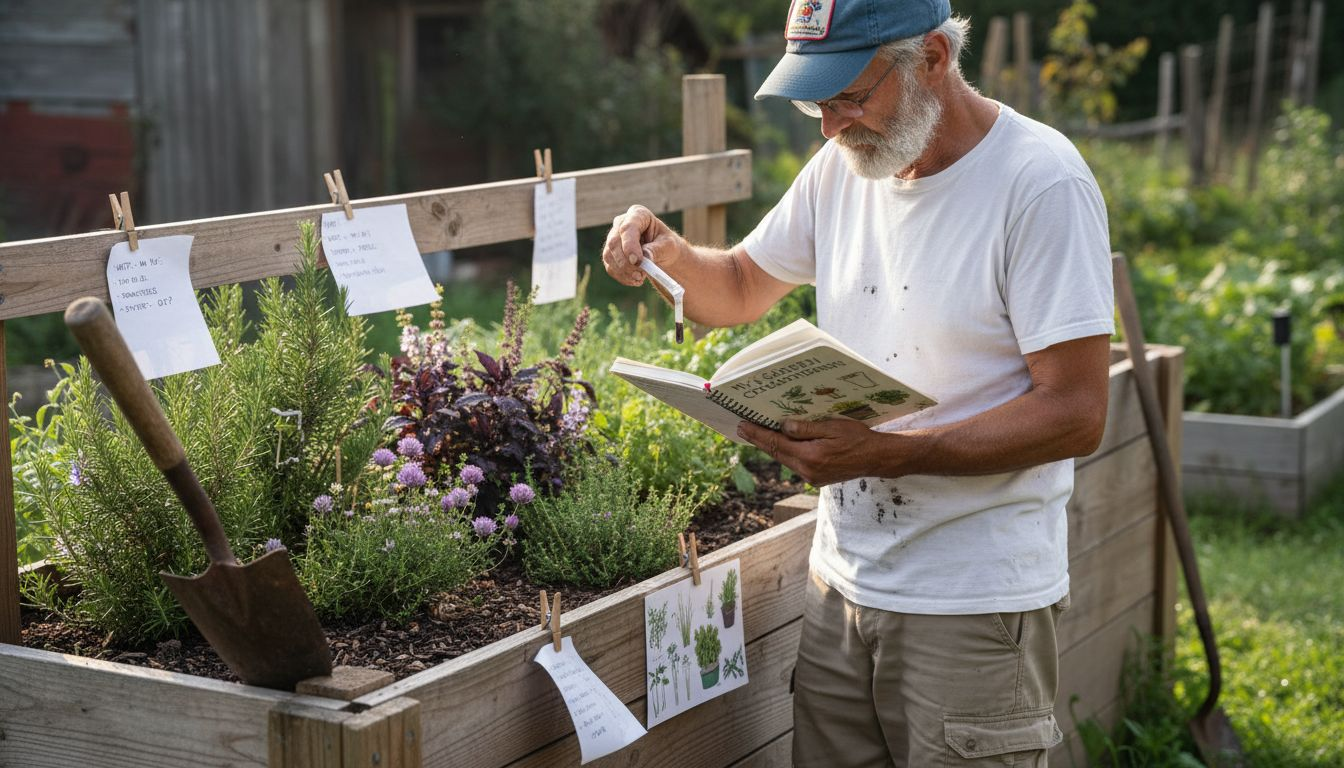
At its core, evidence-based gardening focuses on understanding plant physiology, local environmental conditions, and precise cultivation techniques. Instead of relying on generational folklore or anecdotal advice, gardeners utilize empirical data to make informed decisions about soil composition, watering schedules, pest management, and plant nutrition. This approach allows for more predictable and successful gardening results by eliminating guesswork and replacing it with measurable, reproducible strategies.
The benefits of evidence-based gardening extend far beyond improved plant growth. Household food security strategies demonstrate that systematic gardening approaches can optimize crop yields, adapt to local environmental constraints, and provide sustainable nutrition solutions. By understanding the scientific principles underlying plant growth, gardeners can develop more resilient and productive gardens that are tailored to their specific ecological contexts.
Scientific methodology transforms gardening from a hit-or-miss hobby into a precise, data-driven practice. Gardeners who embrace evidence-based techniques collect and analyze data about their specific growing environments, track plant performance, and continuously refine their approaches. This iterative process allows for constant improvement, enabling gardeners to develop increasingly sophisticated and successful cultivation strategies.
This table compares evidence-based gardening with traditional folklore:
| Approach | Sources of Advice | Results Consistency | Long-Term Benefits |
|---|---|---|---|
| Evidence-Based | Scientific studies | Predictable outcomes | Higher yields, healthier gardens |
| Traditional Folklore | Oral tradition, myths | Variable results | Often limited, risk of plant damage |
Pro Tip: Maintain a detailed garden journal to track plant performance, environmental conditions, and experimental techniques, creating your personal database of evidence-based gardening insights.
Risks of Believing Popular Gardening Folklore
Gardening folklore can be more than just harmless tradition. Cultural beliefs about gardening often contain hidden risks that can significantly compromise plant health and garden productivity. These deeply ingrained beliefs, passed down through generations, may sound convincing but frequently lack scientific validation.
Misconceptions can lead to serious practical consequences in plant care. Gardeners who blindly follow traditional advice might inadvertently damage their plants by applying incorrect watering techniques, using inappropriate soil amendments, or implementing ineffective pest control methods. For instance, believing that more water is always better can result in root rot, while following outdated fertilization myths might cause nutrient imbalances that stunt plant growth.
Beyond individual garden impacts, generational gardening beliefs can create broader systemic challenges. These folkloric practices can reinforce outdated thinking, potentially blocking the adoption of more sustainable and scientifically supported gardening techniques. Such resistance to new knowledge can limit innovation and prevent gardeners from understanding complex ecological interactions that are crucial for successful cultivation.
The most dangerous aspect of gardening folklore is its ability to create a false sense of expertise. Gardeners who rely exclusively on inherited wisdom may develop overconfidence in their methods, dismissing empirical evidence and scientific research that could dramatically improve their growing outcomes. This can lead to repeated failures and missed opportunities for learning and adaptation.
Pro Tip: Always cross-reference traditional gardening advice with current scientific research and expert recommendations before implementing any new technique in your garden.
Proven Alternatives for Healthier Plants
Modern gardening science offers sophisticated alternatives to traditional plant care that prioritize holistic ecosystem health. Plant-soil synergy techniques demonstrate how strategic interventions can dramatically improve plant resilience and growth by understanding complex biological interactions.
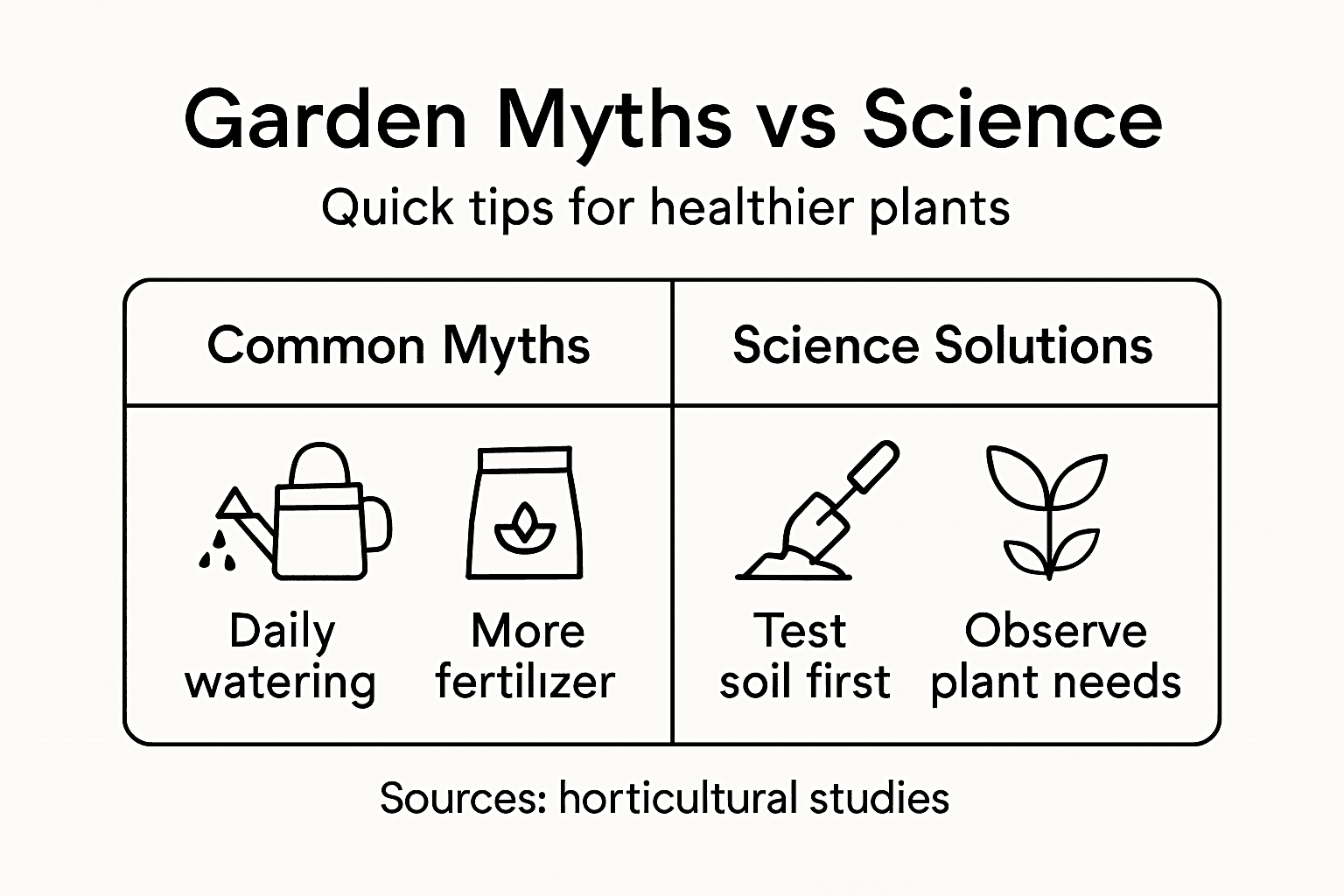
Organic amendments represent a powerful approach to plant health. Techniques like incorporating compost, biochar, and microbial inoculants can transform soil structure, enhance nutrient availability, and support robust plant development. These methods go beyond traditional fertilization, creating an entire microbiological environment that actively supports plant growth and stress resistance.
Phytoremediation strategies offer groundbreaking alternatives for managing soil quality and plant health. By leveraging plants’ natural abilities to interact with soil microbes, gardeners can improve environmental conditions, reduce contamination, and create more resilient growing ecosystems. These science-based approaches represent a significant departure from chemical-intensive gardening practices.
Understanding plant physiology allows gardeners to implement targeted interventions that support natural growth mechanisms. Instead of broad, generic treatments, modern approaches focus on specific nutritional needs, stress responses, and ecological interactions that promote genuine plant health from the root system outward.
Pro Tip: Conduct a soil microbiome test to understand your garden’s unique ecosystem and develop precisely targeted plant care strategies.

Unlock Science-Backed Gardening Success Today
Are you tired of falling for gardening myths that leave your plants struggling? This article reveals the pitfalls of traditional advice like overwatering and improper fertilization. If you want to replace guesswork with proven techniques focused on plant physiology and soil health, Lushy Gardens is here to guide you. Discover practical, evidence-based tips designed to improve your garden’s health and boost your confidence.
Start by exploring our Gardening Tips collection for trusted advice that cuts through common misconceptions. If you are new to gardening or want to strengthen your foundation, our Gardening for Beginners resources provide clear and actionable guidance. Don’t wait for trial and error to hold back your garden’s potential visit Lushy Gardens now and transform your gardening journey with science-based knowledge today.
Frequently Asked Questions
What common gardening myths should I be aware of?
Common gardening myths include the beliefs that plants need daily, heavy watering, that more fertilizer always benefits plants, and that traditional pest control methods are always effective. These misconceptions can negatively impact plant health.
How can I verify gardening advice to ensure it’s scientifically accurate?
To verify gardening advice, consult multiple scientific sources, reputable horticultural experts, and local agricultural extensions. Cross-referencing information helps separate fact from fiction in plant care.
What are evidence-based gardening techniques?
Evidence-based gardening techniques use scientific research and systematic observation to improve growing outcomes. This approach includes understanding plant physiology, precise cultivation techniques, and specific environmental conditions, leading to healthier and more productive gardens.
Why is it important to understand plant nutrition properly?
Understanding plant nutrition is crucial because each plant has unique needs based on its species and growing conditions. Over-fertilization or incorrect soil amendments can lead to nutrient imbalances that can stunt growth and harm plants.
Recommended
- Plant Nutrition Basics: Key to Thriving Gardens – Lushy Gardens
- Indoor Plant Care Basics: Everything You Need to Know – Lushy Gardens
- Watering Indoor Plants Made Easy: Your Step-by-Step Guide – Lushy Gardens
- 8 Essential Organic Gardening Tips for Beginners – Lushy Gardens

I’m Eleanor, a seasoned gardener with over three decades of experience tending to Mother Nature’s creations. Through Lushy Gardens, I aim to share my wealth of knowledge and help fellow plant enthusiasts uncover the wonders of gardening. Let’s dive into this journey together, one leaf at a time.


