
Table of Contents
Most American apartment dwellers believe fresh vegetables are out of reach without backyard access, yet more people are growing food indoors every year. Limited outdoor space does not have to stop your journey toward a greener, sustainable lifestyle. By mastering easy indoor gardening methods and understanding strategic tips, you can transform any small city apartment into a surprisingly productive vegetable haven.
Key Takeaways
| Point | Details |
|---|---|
| Indoor vegetable gardening maximizes limited space | Techniques such as hydroponics and vertical gardening allow urban dwellers to grow a variety of vegetables indoors efficiently. |
| Proper environmental control is essential | Maintaining optimal lighting, temperature, and humidity is crucial for successful indoor vegetable growth. |
| Selecting suitable vegetable varieties is key | Choosing easy-to-grow vegetables like microgreens and compact cultivars helps build confidence for beginners. |
| Invest in quality tools and equipment | High-quality LED grow lights and appropriate soil mixes enhance plant health and productivity in confined spaces. |
Indoor Vegetable Gardening Explained Clearly
Urban dwellers seeking sustainable food solutions can transform their living spaces into productive vegetable gardens through strategic indoor cultivation techniques. Indoor vegetable production has emerged as a revolutionary approach for city residents with limited outdoor access, offering opportunities to grow fresh produce right in apartments and small spaces.
Controlled environment agriculture enables precise management of growing conditions, allowing vegetables to thrive without traditional garden requirements. Techniques like hydroponics, vertical gardening, and container cultivation make it possible to maximize limited square footage while producing nutritious food. By understanding key principles such as lighting, temperature, humidity, and nutrient management, urban gardeners can successfully grow a wide variety of vegetables including leafy greens, herbs, tomatoes, and peppers.
Successful indoor vegetable gardening requires strategic planning and equipment selection. Key considerations include choosing appropriate containers, selecting vegetables suited to indoor conditions, implementing proper lighting systems (such as LED grow lights), and maintaining consistent temperature and humidity levels. Vegetables like microgreens, lettuce, spinach, and compact varieties of tomatoes and peppers tend to perform exceptionally well in indoor environments.
Pro tip: Start with easy-to-grow vegetables like microgreens and herbs to build confidence and develop your indoor gardening skills before attempting more complex crops.
Top Vegetable Types for Indoor Cultivation
Urban gardeners can successfully cultivate a surprising variety of vegetables indoors, transforming limited living spaces into productive food sources. Vegetable selection for indoor farming requires strategic consideration of plant type, space constraints, and environmental conditions to maximize growth potential and nutritional yield.
Leafy greens emerge as the most adaptable and beginner-friendly vegetables for indoor cultivation. Microgreens, spinach, lettuce, and kale thrive in compact spaces and offer rapid growth cycles, making them ideal for apartment dwellers. These nutrient-dense vegetables require minimal equipment and can be grown in small containers near windows or under specialized grow lights, providing fresh produce with minimal investment.
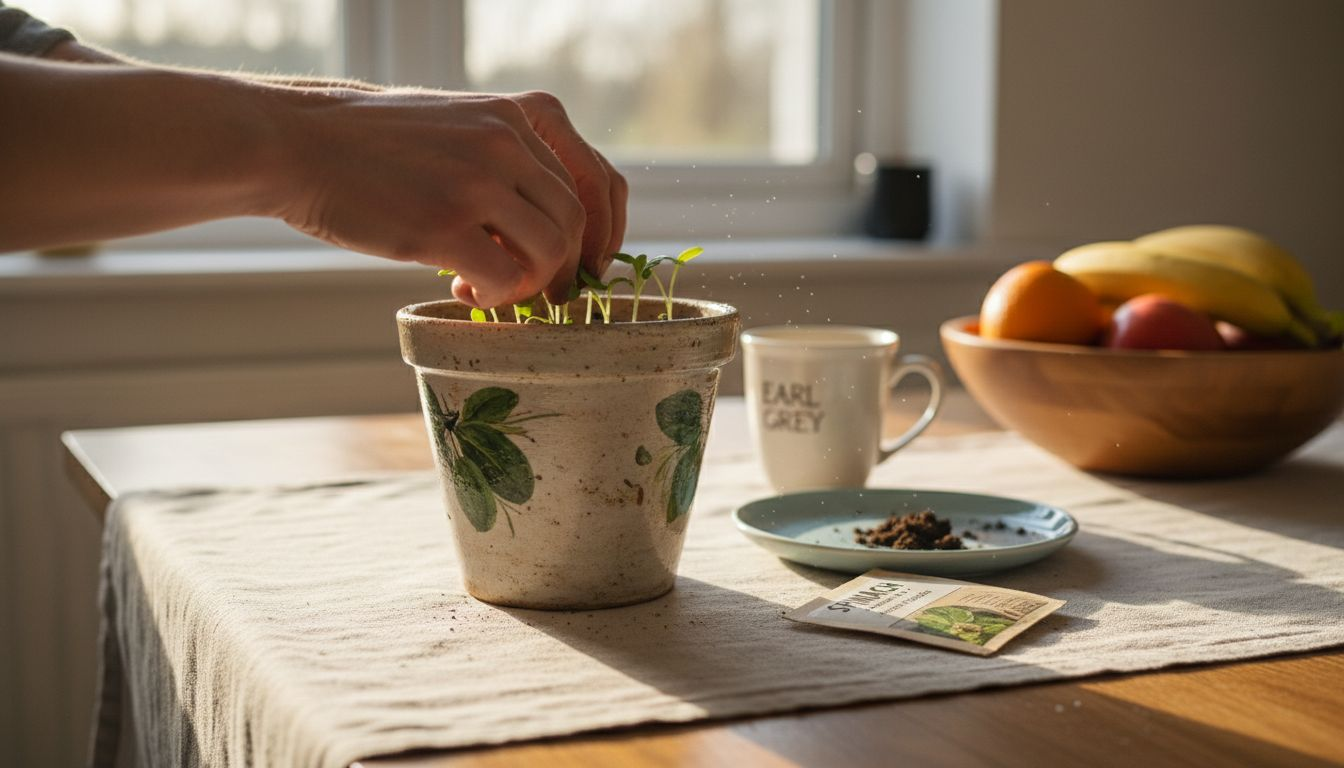
Fruiting vegetables like compact tomatoes, peppers, and chili varieties also perform exceptionally well in indoor environments. Selecting dwarf or container-specific cultivars ensures successful growth in limited spaces. These vegetables typically require more consistent light and temperature management compared to leafy greens, but can produce impressive yields when provided with appropriate care and specialized growing conditions.
Pro tip: Choose vegetable varieties specifically bred for container and indoor growing to maximize your success and minimize frustration with plant development.
Here’s a summary of popular vegetable types for indoor cultivation and why they excel in urban environments:
| Vegetable Type | Growth Speed | Space Efficiency | Special Benefit |
|---|---|---|---|
| Microgreens | Very fast | High | Nutrient dense, easy for beginners |
| Spinach | Rapid | Moderate | Performs well in cool conditions |
| Compact Tomato | Moderate | High | High yield in small containers |
| Peppers | Moderate | Moderate | Continuous harvest possibilities |
| Kale | Slow | Moderate | High nutritional value |
Creating the Ideal Indoor Growing Environment
Successful indoor vegetable gardening hinges on creating a meticulously controlled environment that mimics optimal outdoor growing conditions. Indoor vegetable growing environmental factors play a critical role in determining plant health, productivity, and overall yield, requiring careful attention to multiple interconnected variables.
Lighting represents the most fundamental element of indoor vegetable cultivation. Artificial grow lights must provide full spectrum illumination that closely replicates natural sunlight, with most vegetables requiring 12-16 hours of consistent light daily. LED grow lights offer energy-efficient solutions, allowing precise control over light intensity and color temperature to support different growth stages. Temperature and humidity also demand strategic management, with most indoor vegetables thriving between 65-75 degrees Fahrenheit and maintaining 50-70% relative humidity.
Nutrient delivery and air circulation represent additional critical components of a successful indoor growing environment. Hydroponic and container growing systems enable precise nutrient management, allowing gardeners to customize mineral and organic fertilizer blends tailored to specific vegetable varieties. Proper air circulation prevents moisture buildup, reduces disease risk, and ensures consistent carbon dioxide distribution essential for photosynthesis and plant development.
Pro tip: Invest in a digital environmental monitoring system to track temperature, humidity, and light levels automatically, helping you maintain consistent growing conditions with minimal manual intervention.
Essential Tools, Lighting, and Soil Choices
Indoor vegetable gardening requires a strategic approach to selecting the right equipment, lighting systems, and growing medium to ensure successful plant development. Indoor plant light requirements are fundamental to creating a productive growing environment that supports robust vegetable cultivation in limited urban spaces.
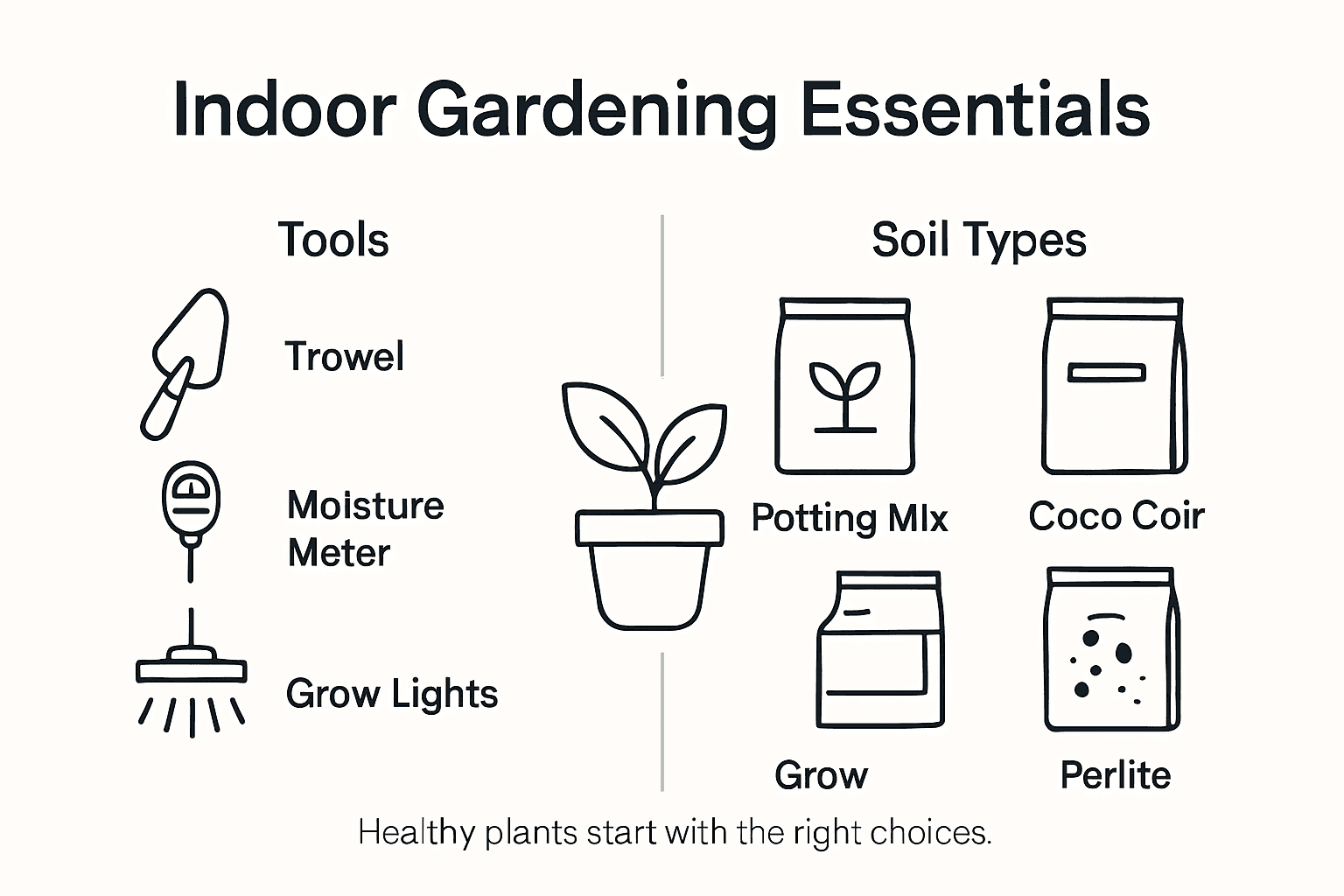
Lighting represents the most critical component of indoor vegetable gardening. LED grow lights provide essential full-spectrum illumination, with adjustable intensity and color temperature to support different plant growth stages. Complementing lighting, essential tools include lightweight containers with adequate drainage, precision digital thermometers, humidity monitors, pH testing kits, and compact hydroponic or container gardening systems. Urban gardeners should invest in high-quality, space-efficient equipment designed specifically for small indoor growing environments.
Soil selection demands careful consideration for indoor vegetable production. Specialized potting mixes formulated for container gardening offer superior drainage, nutrient retention, and microbial support compared to standard garden soil. Lightweight, sterile growing mediums like coconut coir, perlite-enriched potting soil, and organic compost blends provide optimal root development conditions while minimizing potential disease transmission. Choosing the right soil mix directly impacts plant health, growth rate, and overall vegetable production in confined indoor spaces.
Pro tip: Invest in a digital moisture meter to precisely monitor soil hydration levels, preventing overwatering and root rot in your compact indoor vegetable garden.
Compare these essential indoor gardening tools by their primary function and benefits:
| Tool | Main Use | Impact on Plant Growth |
|---|---|---|
| LED Grow Lights | Provide full-spectrum lighting | Boost photosynthesis, yield |
| Digital Thermometer | Monitor temperature | Prevents harmful fluctuations |
| Moisture Meter | Track soil hydration | Reduces risk of root rot |
| Humidity Monitor | Measure air moisture | Maintains ideal plant humidity |
| Compact Containers | Hold soil or hydroponics | Maximizes use of small spaces |
Common Challenges and How to Overcome Them
Indoor vegetable gardening presents unique obstacles that can discourage urban gardeners, but understanding and anticipating these challenges can transform potential setbacks into successful growing experiences. Urban gardening challenges and solutions reveal a complex landscape of environmental and practical hurdles that require strategic approaches.
Pest management and disease prevention represent significant challenges in confined indoor growing spaces. Fungal growth, spider mites, and powdery mildew can quickly devastate vegetable crops when humidity and air circulation are not carefully controlled. Urban gardeners can mitigate these risks by implementing preventative strategies such as maintaining proper spacing between plants, using sterilized soil, ensuring consistent air movement with small fans, and regularly inspecting plants for early signs of infection. Quarantining new plants before introducing them to existing indoor gardens can also prevent potential disease transmission.
Nutrient management and light optimization pose additional critical challenges for indoor vegetable production. Compact urban spaces often limit natural light exposure, requiring gardeners to invest in high-quality LED grow lights with full spectrum capabilities. Precise nutrient delivery through hydroponic or specialized container systems becomes essential, as traditional soil-based fertilization methods prove less effective in controlled indoor environments. Monitoring pH levels, implementing automated nutrient dosing systems, and selecting vegetable varieties specifically adapted to indoor cultivation can significantly improve overall plant health and productivity.
Pro tip: Create a dedicated quarantine area for new plants and implement a weekly plant health inspection routine to catch and address potential issues before they spread throughout your indoor garden.

Unlock Your Urban Garden Potential With Expert Support
Indoor vegetable gardening can be challenging when managing factors like lighting, nutrient delivery, and pest control to grow fresh produce in limited city spaces. If you want to overcome these hurdles with confidence and nurture thriving vegetables like microgreens, spinach, or compact tomatoes you need practical growing advice and tailored solutions. Understanding key elements such as soil selection, environmental controls, and effective fertilization can transform your urban garden into a sustainable food source that brightens your home and benefits your health.
Explore invaluable tips in our Gardening Tips – Lushy Gardens section to master indoor growing basics. Discover the best nutrients and feeding schedules in Fertilizers – Lushy Gardens to keep your plants vibrant and productive. For creative ways to maximize space and style, visit our Design Ideas – Lushy Gardens. Start your journey now by visiting Lushy Gardens for expert-guided inspiration and practical advice that empowers you to grow delicious vegetables indoors all year round.
Frequently Asked Questions
What types of vegetables are best to grow indoors?
Leafy greens such as microgreens, spinach, lettuce, and kale are ideal for indoor gardening due to their adaptability and rapid growth cycles. Fruiting vegetables like compact tomatoes and peppers also thrive indoors when you choose container-specific varieties.
How do I manage lighting for indoor vegetable gardening?
Indoor vegetables typically require 12-16 hours of consistent light daily. LED grow lights are highly recommended for providing full-spectrum illumination that mimics natural sunlight and supports different growth stages effectively.
What soil should I use for my indoor vegetable garden?
Specialized potting mixes formulated for container gardening are best, as they offer superior drainage and nutrient retention. Lightweight growing mediums like coconut coir and perlite-enriched potting soil are recommended for optimal root development.
How can I prevent pests and diseases in my indoor vegetable garden?
Maintain proper spacing between plants, use sterilized soil, ensure good air circulation, and regularly inspect for early signs of infection. Quarantining new plants before introducing them can also help prevent disease spread.
Recommended
- Master Vegetable Gardening Indoors: Grow Fresh Produce at Home – Lushy Gardens
- 10 Essential Urban Gardening Tips for Plant Lovers – Lushy Gardens
- 7 Smart Container Gardening Ideas for Urban Gardeners – Lushy Gardens
- Balcony Vegetable Gardening: Grow Fresh Food in Small Spaces – Lushy Gardens

I’m Eleanor, a seasoned gardener with over three decades of experience tending to Mother Nature’s creations. Through Lushy Gardens, I aim to share my wealth of knowledge and help fellow plant enthusiasts uncover the wonders of gardening. Let’s dive into this journey together, one leaf at a time.


