
Table of Contents
Over half of American gardeners admit they struggle to spot nutrient deficiencies before they impact their plants. The right nutrients are essential for every stage of growth, yet even experienced gardeners can overlook key warning signs. Learning how to assess needs, select natural fertilizers, and apply them correctly can transform even the most stubborn garden beds. This guide shows you how to create a thriving space by meeting your plants’ unique nutritional demands.
Quick Summary
| Key Point | Explanation |
|---|---|
| 1. Assess Plant Nutrient Needs | Conduct visual inspections to identify nutrient deficiencies based on leaf color and growth patterns. Early diagnosis prevents over or under fertilizing. |
| 2. Choose Suitable Natural Fertilizers | Select fertilizers based on specific plant needs and soil conditions, such as compost, bone meal, or fish emulsion for optimum growth. |
| 3. Apply Fertilizers Correctly | Measure application area and distribute fertilizers evenly. Avoid direct contact with plant roots to prevent damage. |
| 4. Monitor Plant Growth Regularly | Evaluate changes in plant health every few weeks and adjust fertilization strategies as needed based on visual cues and soil tests. |
| 5. Keep a Gardening Journal | Document observations about plant responses and fertilization dates to refine techniques and improve gardening practices over time. |
Step 1: Assess Your Plants’ Nutrient Needs
Understanding your plants’ specific nutrient requirements is crucial for healthy growth. Before applying any fertilizer, you need to carefully evaluate the current condition and nutritional status of your plants. Proper assessment helps you target specific deficiencies and avoid over or under fertilizing.
Start by conducting a visual inspection of your plants. Look for telltale signs of nutrient deficiencies such as discolored leaves, stunted growth, or weak stems. Different nutrient shortages manifest unique symptoms. Nitrogen deficiency often causes yellowing of older leaves, while potassium issues might result in brown leaf edges. Understanding these signs of potential nutrient problems can help you diagnose issues early.
Here is a reference table summarizing common visual symptoms of specific nutrient deficiencies:
| Nutrient Deficiency | Typical Symptom Location | Leaf Appearance |
|---|---|---|
| Nitrogen | Older leaves | Yellowing (chlorosis) |
| Potassium | Leaf edges | Brown or scorched edges |
| Phosphorus | Lower leaves | Dark green or purpling |
| Magnesium | Between veins on leaves | Interveinal yellowing |
| Iron | Young leaves | Yellowing with green veins |
To get a comprehensive understanding of your soil’s nutrient profile, consider performing a soil test. This scientific approach provides precise information about mineral content, pH levels, and potential deficiencies. Professional soil testing kits or local agricultural extension services can help you analyze your garden’s specific nutritional landscape. By obtaining these detailed insights, you can create a targeted fertilization strategy tailored to your plants’ exact needs.
Pro Tip: Take photographs of your plants during your initial assessment. These visual records can help you track changes and compare plant health before and after implementing your natural fertilization strategy.
Step 2: Select Natural Fertilizers for Your Space
Choosing the right natural fertilizers is essential for nurturing healthy plants and creating a sustainable garden ecosystem. Your selection will depend on your specific plants’ needs, soil conditions, and growing environment.
Natural fertilizers offer a range of nutrient sources that can support robust plant growth. Organic nutrient sources like compost, manure, and biofertilizers provide multiple benefits beyond basic nutrition. Consider options such as well-rotted compost, aged animal manure, bone meal, blood meal, and fish emulsion. Each natural fertilizer brings unique nutritional profiles perfect for different plant types. For indoor plants, look for balanced organic fertilizers with slow release properties. Vegetable gardens might benefit more from nitrogen rich sources like composted chicken manure.
Here is a comparison of popular natural fertilizers, their main nutrients, and ideal usage situations:
| Fertilizer Type | Primary Nutrient | Best For |
|---|---|---|
| Composted Manure | Nitrogen-rich | Vegetable gardens |
| Bone Meal | High phosphorus | Flowering plants, bulbs |
| Blood Meal | Quick nitrogen | Leafy greens, rapid growth |
| Fish Emulsion | Balanced N-P-K | Seedlings, container plants |
| Well-rotted Compost | Balanced organic | General garden use |
When selecting natural fertilizers, focus on matching the nutrient needs of your specific plants. Some plants require more phosphorus for root development, while others need higher nitrogen for leafy growth. Conduct a soil test to understand your current nutrient levels and choose amendments accordingly. Slow release nitrogen sources can enhance fertilizer efficiency and reduce environmental impact, making them an excellent choice for sustainable gardening.

Pro Tip: Create a fertilizer rotation schedule to prevent nutrient imbalances and provide a diverse range of organic nutrients to your plants throughout the growing season.
Step 3: Prepare and Apply Fertilizer Correctly
Successfully applying natural fertilizers requires precision and careful planning to ensure your plants receive optimal nutrition without risking over or under fertilization. Understanding the correct preparation and application techniques will help you maximize your plants’ health and growth potential.
Calculating fertilizer applications accurately involves several critical steps. Start by measuring the area you plan to fertilize and referencing your previous soil test results. Different plants and garden zones require unique nutrient ratios, so customize your approach accordingly. For most organic fertilizers, you will want to spread them evenly across the soil surface and gently work them into the top few inches of ground. Avoid applying fertilizers directly against plant stems or roots, which can cause chemical burns or nutrient shock.
Proper nutrient management involves understanding how different organic materials interact with your soil ecosystem. Integrating various nutrient sources helps optimize plant growth and maintain long term soil health. Water your plants thoroughly after applying fertilizers to help nutrients dissolve and become readily available to plant roots. Time your applications strategically timing based on plant growth stages for maximum effectiveness.
Pro Tip: Always wear gardening gloves and use a spreader or rake to ensure even distribution when applying organic fertilizers, preventing unintentional concentration of nutrients in specific areas.
Step 4: Monitor Growth and Adjust Techniques
Successful natural fertilization is an ongoing process that requires careful observation and strategic adjustments. Your goal is to create a dynamic approach that responds to your plants’ changing nutritional needs and growth patterns.
Developing a systematic approach for evaluating soil nutrient status involves regular monitoring and precise assessment. Take detailed notes and photographs of your plants every two to three weeks. Look for specific indicators of nutrient health such as leaf color, stem strength, overall plant vigor, and growth rate. Pay attention to subtle changes like yellowing leaves, stunted growth, or unusual leaf patterns that might signal nutrient deficiencies or imbalances. These visual cues are your plants’ way of communicating their nutritional requirements.
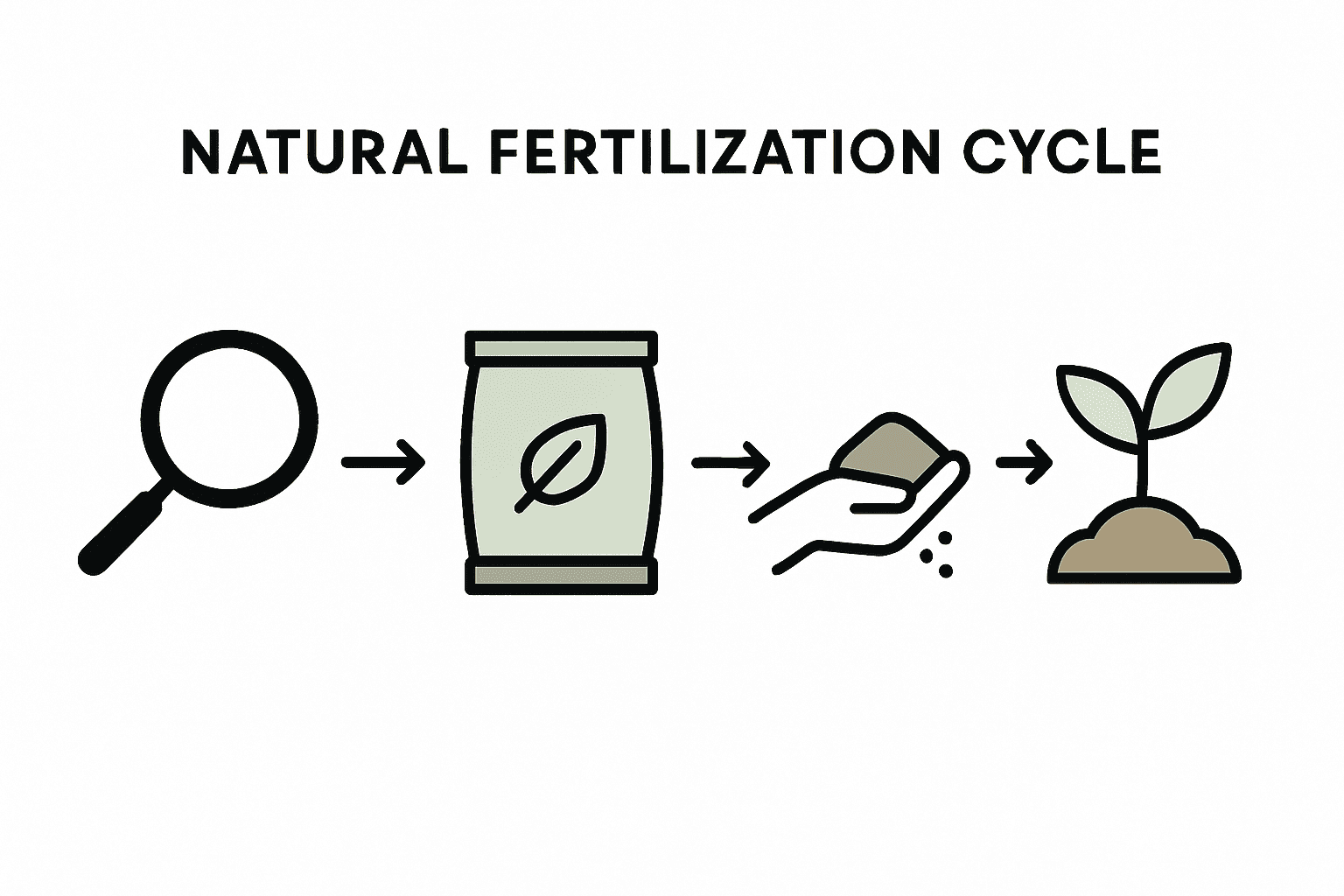
Nutrient management plans require consistent evaluation of plant growth and soil conditions to ensure optimal plant health. Consider performing soil tests twice a year to track nutrient levels and make informed adjustments. If you notice signs of nutrient deficiency, modify your fertilization strategy gradually. Sometimes this means increasing organic matter, changing fertilizer types, or adjusting application frequencies. Remember that each plant species and garden environment is unique, so flexibility is key to maintaining a thriving garden ecosystem.
Pro Tip: Create a garden journal to track your observations, documenting fertilization dates, plant responses, and seasonal changes. This record will become an invaluable resource for refining your gardening techniques over time.
Nourish Your Garden Naturally With Expert Guidance
Fertilizing your plants naturally is key to unlocking vibrant growth but understanding their unique nutrient needs can be challenging. If you have struggled with diagnosing nutrient deficiencies or selecting the right organic fertilizers for your garden, you are not alone. Many gardeners face confusion when deciding how and when to apply natural fertilizers to get the best results without risking overfeeding or harming the soil ecosystem.
At Lushy Gardens, we understand these challenges and offer a wealth of expert advice designed to help you master natural fertilization techniques. Our Fertilizers – Lushy Gardens section is packed with practical tips and detailed guides on organic nutrient sources and application strategies. Looking to learn how to adapt your fertilization plan through the seasons? Explore insights in our Seasonal Gardening – Lushy Gardens category to keep your plants thriving all year long. Ready to start transforming your garden into a vibrant, healthy oasis? Visit Lushy Gardens now and take the first step toward becoming a confident natural fertilizer user.
Frequently Asked Questions
How do I assess my plants’ nutrient needs before fertilizing naturally?
To assess your plants’ nutrient needs, start with a visual inspection. Look for signs like yellowing leaves or stunted growth, which indicate deficiencies. Take notes and photographs to track changes as you implement fertilization techniques.
What are some common signs of nutrient deficiencies in plants?
Common signs of nutrient deficiencies include yellowing of older leaves for nitrogen or brown edges for potassium. Observing these symptoms can help you diagnose nutrient issues early. Pay attention to your plants’ appearance and adjust your care accordingly.
What types of natural fertilizers should I consider for my garden?
Consider using natural fertilizers like composted manure, bone meal, and fish emulsion based on your plants’ specific needs. Each type provides different nutrients; for example, composted manure is nitrogen-rich, ideal for vegetable gardens. Match the fertilizer to your soil conditions and plant requirements.
How should I apply natural fertilizers for optimal results?
To apply natural fertilizers effectively, spread them evenly across the soil surface and gently mix them into the top few inches of soil. Avoid direct contact with plant stems to prevent damage. Water your plants thoroughly after application to help nutrients absorb into the soil.
How often should I monitor plant growth after fertilization?
Monitor your plants’ growth every two to three weeks after fertilizing. Look for changes in leaf color, stem strength, and overall vigor. Taking notes and photographs will help you adapt your fertilization strategy as needed for the healthiest growth.
What should I do if I notice signs of nutrient deficiencies after fertilizing?
If you see signs of nutrient deficiencies, modify your fertilization strategy gradually. This may involve increasing organic matter, changing fertilizer types, or adjusting your application frequency. Continuously evaluate your plants’ conditions to optimize their nutrition.
Recommended
- Is Plant Food the Same as Fertilizer – Lushy Gardens
- Best Indoor Plant Fertilizer – Lushy Gardens
- 8 Essential Organic Gardening Tips for Beginners – Lushy Gardens
- Best Plant Food for Indoor Plants – Lushy Gardens
- Deep Root Fertilization: Boost Your Tree’s Health Today
- 7 Essential Steps for a Summer Lawn Care Checklist in Minnetonka – YardWoo Lawncare

I’m Eleanor, a seasoned gardener with over three decades of experience tending to Mother Nature’s creations. Through Lushy Gardens, I aim to share my wealth of knowledge and help fellow plant enthusiasts uncover the wonders of gardening. Let’s dive into this journey together, one leaf at a time.


