
Table of Contents
Nearly half of American urban dwellers crave a more inviting home, especially as city living often feels detached from comfort and nature. Creating a hygge-inspired space goes beyond decorating with soft pillows or stylish furniture. It offers a grounded, meaningful antidote to daily stress and isolation. If you’re searching for practical ways to make your apartment feel calm and cozy with easy plant choices and smart design, this guide reveals what actually works for beginners.
Key Takeaways
| Point | Details |
|---|---|
| Understanding Hygge | Hygge is a Danish philosophy focused on creating warmth, comfort, and genuine connections through intentional design. It transforms spaces into nurturing environments prioritizing emotional wellbeing. |
| Houseplants for Hygge | Selecting the right houseplants enhances emotional comfort and sensory appeal in urban spaces. Soft, rounded plants like pothos and snake plants align well with hygge principles. |
| Plant Care Essentials | Basic care—adjusting watering schedules according to seasons and maintaining proper drainage—ensures plant health and supports a tranquil atmosphere. Consistency is key. |
| Potential Risks | Overwatering and poor maintenance can lead to mold and health risks. Regular plant checks and proper ventilation complement plant aesthetics for a truly healthy space. |
Defining Hygge and Its Cozy Roots
Hygge represents more than just a design trend or aesthetic – it’s a profound Danish cultural philosophy centered on creating warmth, comfort, and genuine connection. At its core, hygge transforms ordinary spaces into sanctuaries of emotional wellbeing through intentional design and social atmosphere. Academic researchers have extensively explored hygge as a foundational cultural concept that goes far beyond simple interior decorating.
Originating in Norwegian language meaning “well-being,” hygge emerged as a survival strategy for Scandinavian populations enduring long, dark winters. The concept transcends physical comfort, representing a holistic approach to living that prioritizes emotional safety, intimacy, and sensory experiences. Urban dwellers can interpret hygge as a deliberate practice of cultivating spaces that feel nurturing, calm, and psychologically restorative.
Key elements of hygge include soft textures, warm lighting, natural materials, and intentional design that encourages relaxation and connection. Think plush throw blankets, ambient candle glow, wooden furniture, and carefully curated spaces that invite lingering conversations and quiet contemplation. For apartment residents and urban professionals, hygge becomes a powerful antidote to the often sterile and disconnected nature of modern living spaces.
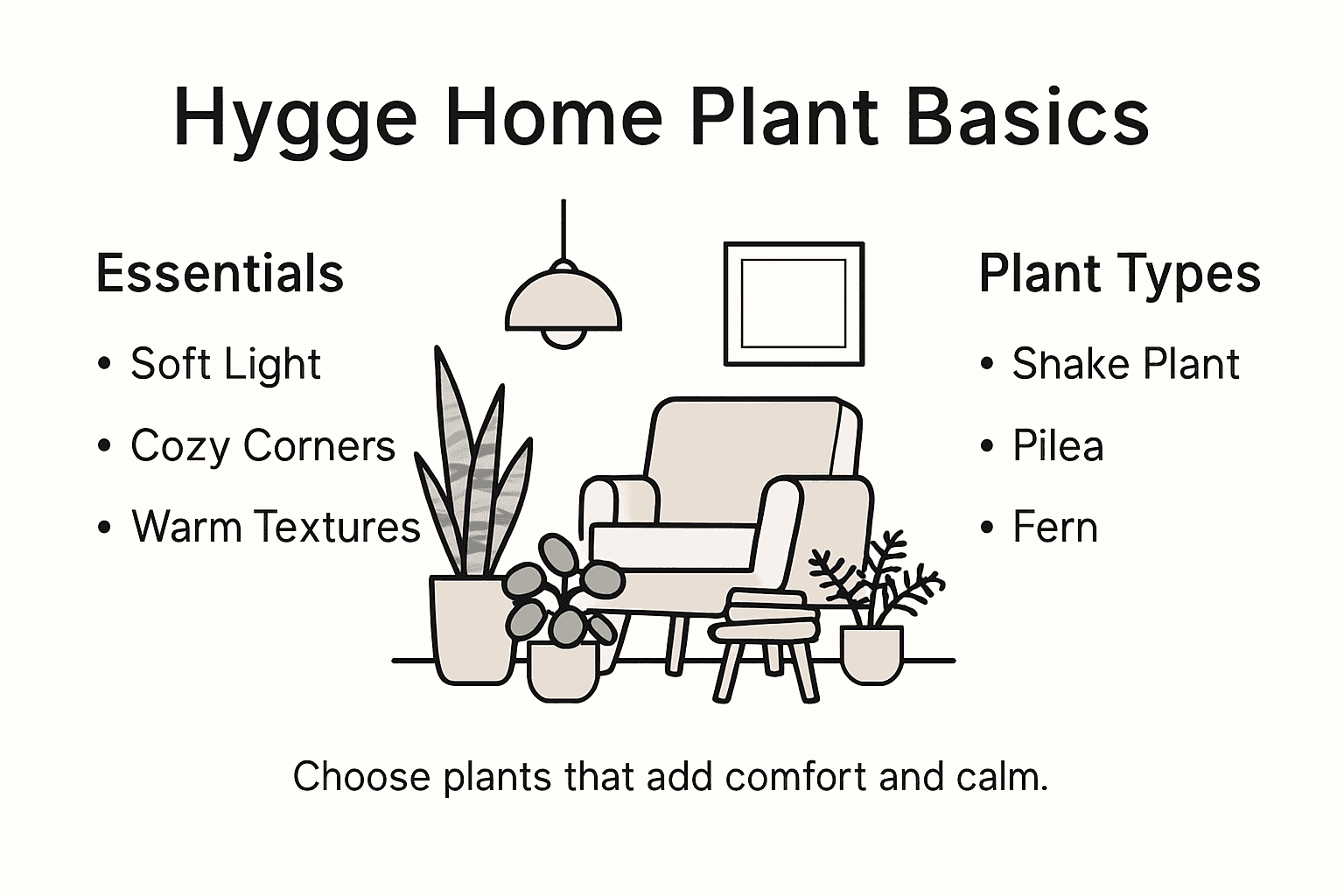
Hygge Transformation Pro Tip: Start small by creating one dedicated “hygge corner” in your home with soft lighting, a comfortable chair, a meaningful textile, and a plant – a microenvironment that signals safety and comfort within your broader living space.
Houseplants That Enhance Hygge Decor
Selecting the right houseplants transforms urban living spaces into warm, inviting sanctuaries that embody the essence of hygge. Contemporary interior plant research demonstrates how strategic plant selection contributes to environmental comfort and aesthetic appeal, making greenery an essential element of creating cozy, nurturing home environments.
Some houseplants naturally amplify hygge’s sensory and emotional qualities through their unique characteristics. Soft, trailing plants like pothos and string of pearls create a sense of organic movement and gentle texture. Large-leafed plants such as fiddle leaf figs and monstera provide a calming, sculptural presence that softens architectural lines and introduces natural tranquility. Compact plants like succulents and air plants add subtle visual interest without overwhelming small urban spaces.
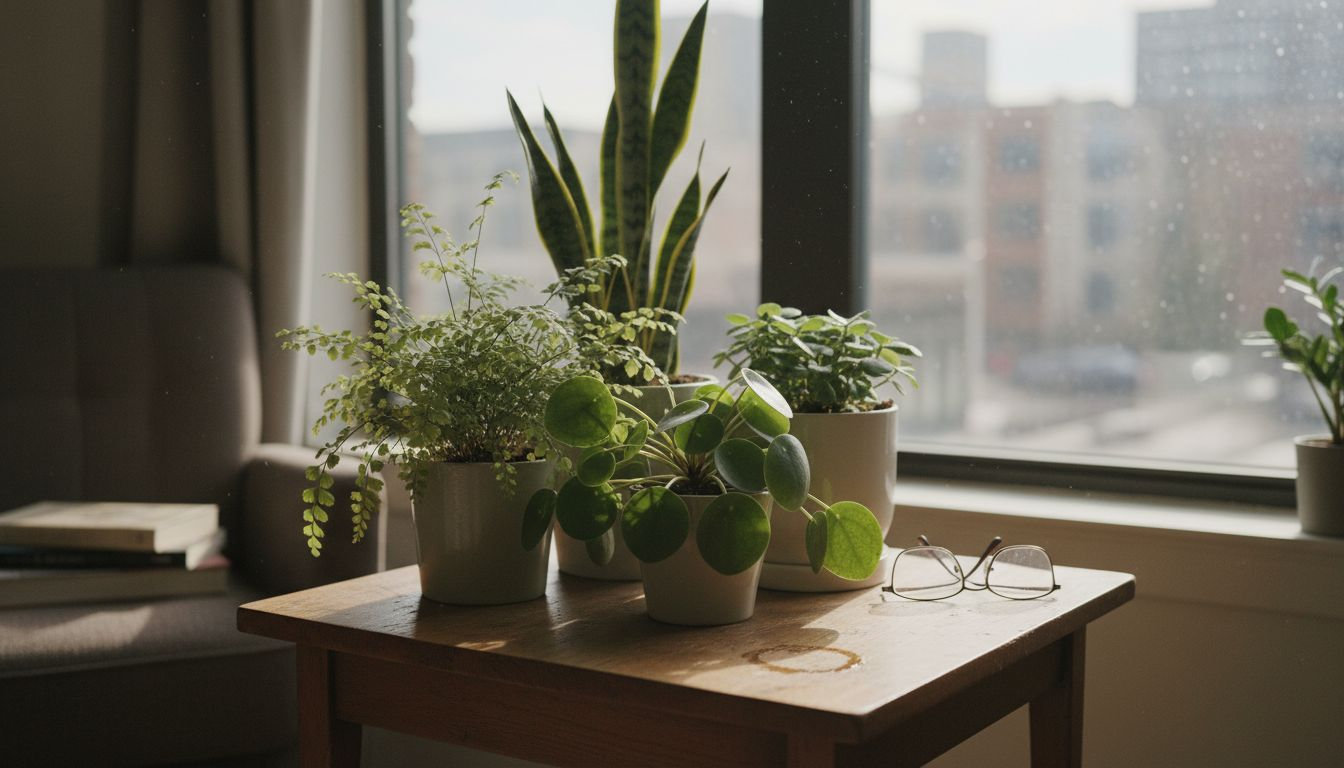
Beyond aesthetic considerations, certain plants contribute to the psychological comfort central to hygge. Snake plants and peace lilies improve indoor air quality, creating a sense of wellness. Plants with rounded, soft shapes like spider plants and Chinese money plants feel less angular and more emotionally soothing, perfectly aligning with hygge’s emphasis on comfort and emotional connection.
Plant Selection Pro Tip: Choose plants with soft, rounded leaf shapes and muted green tones that create a sense of calm – avoid plants with sharp, dramatic silhouettes that might feel visually jarring or intense in your living space.
Here’s a quick comparison of popular houseplants for hygge-inspired spaces:
| Plant Type | Key Benefit | Ideal Placement | Hygge Quality Focus |
|---|---|---|---|
| Pothos | Trailing, soft texture | Hanging baskets, shelves | Organic movement & calm |
| Fiddle Leaf Fig | Large sculptural leaves | Corner of living room | Tranquil, space-softening |
| Snake Plant | Air purification, hardy | Low-light areas | Wellness, easy care |
| Succulents | Visual interest, compact | Desk or window sill | Subtle, minimal aesthetic |
Easy Plant Styling for Hygge Atmosphere
Practical techniques for plant styling in interior design reveal that creating a hygge atmosphere is less about perfection and more about cultivating a sense of comfort and emotional connection through strategic plant placement. Urban dwellers can transform their living spaces by understanding how different plants interact with light, texture, and spatial dynamics.
Grouping plants creates visual harmony and depth in small spaces. Consider creating plant clusters with varying heights – a tall snake plant paired with a medium pothos and small succulents can create a layered, organic composition that feels intentional yet relaxed. Ceramic planters in neutral tones like soft grays, warm whites, and muted earth tones enhance the hygge aesthetic, providing a calm backdrop for green foliage.
Light and positioning play crucial roles in plant styling. Place plants near windows with soft, filtered light to create gentle shadows and add visual warmth. Hanging plants like trailing pothos or string of pearls can soften hard architectural lines in apartments, introducing a sense of organic movement. Biophilic design principles suggest that thoughtful plant integration can significantly improve psychological well-being, making your space feel more nurturing and alive.
Styling Strategy Pro Tip: Create visual balance by styling plants in odd-numbered groupings and using planters that complement your existing color palette – aim for cohesion, not perfection.
Beginner Plant Care for Long-Lasting Comfort
Essential houseplant maintenance strategies transform plant care from an intimidating task into a simple, enjoyable routine for urban dwellers seeking lasting comfort. Understanding basic plant needs creates a foundation for successful indoor gardening that supports both plant health and personal well-being.
Light and water represent the most critical factors in plant survival. Different houseplants require unique conditions: succulents thrive in bright, direct sunlight while snake plants tolerate low-light environments. Develop a consistent watering schedule by checking soil moisture – stick your finger one inch into the soil, and water only when the top layer feels dry. Drainage is crucial; always use pots with bottom holes to prevent root rot and ensure plants don’t sit in stagnant water.
Seasonal adjustments are key to maintaining plant health throughout the year. Comprehensive indoor plant care guides recommend adapting your routine based on temperature and humidity changes, which can dramatically impact plant growth. Winter months might require less frequent watering and additional humidity through occasional misting or pebble trays. Summer often demands more frequent watering and potential shade protection from intense afternoon sunlight.
Maintenance Mastery Pro Tip: Create a simple plant care calendar tracking watering dates, fertilization schedule, and seasonal light changes – consistency is the secret to transforming plant care from a chore into a nurturing, hygge-inspired ritual.
This table summarizes essential plant care adjustments for each season:
| Season | Watering Needs | Light Adjustment | Humidity Considerations |
|---|---|---|---|
| Winter | Less frequent watering | Provide extra indirect light | Increase humidity, mist |
| Spring | Moderate, check soil | Gradually increase exposure | Maintain even humidity |
| Summer | Frequent watering | Shade from harsh sunlight | Monitor for dryness |
| Autumn | Reduce watering again | Shorten exposure hours | Prepare for dry air |
Risks and Mistakes When Hygge With Plants
Indoor plant environments can harbor unexpected health risks that compromise the very comfort and wellness hygge aims to create. Understanding potential pitfalls is crucial for urban dwellers seeking to transform their living spaces into cozy, plant-filled sanctuaries without compromising personal health.
Potting soil and plant maintenance present significant potential hazards. Overwatered plants create ideal conditions for mold and bacterial growth, which can trigger respiratory issues and allergic reactions. Poor drainage, incorrect humidity levels, and neglected plant care can transform your hygge haven into a breeding ground for microscopic threats. Regular soil inspection, proper pot selection with drainage holes, and maintaining appropriate moisture levels are essential preventive strategies.
Common misconceptions about houseplants as air purifiers can lead to unrealistic expectations about indoor air quality, potentially compromising your health. While plants contribute aesthetic and psychological benefits, they cannot single-handedly filter indoor pollutants. Urban residents should complement plant-based decor with proper ventilation, air purifiers, and regular cleaning to maintain a truly healthy living environment.
Safety Awareness Pro Tip: Conduct a monthly plant health check, examining soil moisture, leaf condition, and potential signs of mold or pest infestation – early detection prevents larger health and aesthetic issues in your hygge-inspired space.
Bring Hygge Into Your Urban Home With Lushy Gardens
Transforming your living space into a cozy, nurturing haven with houseplants can feel overwhelming especially when juggling care routines and design ideas that truly embody hygge. Many readers seek comfort and emotional connection through soft textures and warm greenery but struggle with choosing the right plants or styling them effectively to boost wellness and calm. This article highlights how plants with rounded leaves and soft lighting create safe, inviting corners that promote psychological well-being a core element of the hygge philosophy.
At Lushy Gardens we understand these challenges and are here to support your journey toward creating a serene indoor oasis. Explore our Indoor Plants – Lushy Gardens section for expert insights on selecting plants that purify air and thrive in low light. Discover smart styling tips and thoughtful design inspiration in Design Ideas – Lushy Gardens that help you curate plant clusters and cozy nooks perfect for hygge living. Plus visit Gardening & Health – Lushy Gardens for practical care advice that prevents common mistakes and maintains your plant sanctuary’s health.
Start building your hygge home today with trusted guidance and step-by-step support from Lushy Gardens. Visit us now and find everything you need to bring warmth and calm to your urban lifestyle.

Frequently Asked Questions
What is hygge and how can I incorporate it into my home?
Hygge is a Danish cultural philosophy focusing on warmth, comfort, and genuine connections. To incorporate hygge into your home, create cozy spaces with soft textures, warm lighting, and inviting decor that encourages relaxation and social interaction.
Which houseplants are best for creating a hygge atmosphere?
Plants like pothos, fiddle leaf figs, snake plants, and succulents are great options for enhancing a hygge atmosphere. These plants offer soft textures, air purification, and aesthetic appeal that contribute to a cozy, nurturing environment.
How do I care for houseplants to maintain a hygge vibe in my home?
To maintain a hygge vibe, ensure proper light and watering for your plants. Develop a consistent routine by checking soil moisture and adapting your care based on seasonal changes to keep your plants healthy and enhance the cozy atmosphere.
What are some styling tips for arranging plants in a hygge-inspired space?
Group plants in odd-numbered combinations to create visual balance and use neutral-toned planters to complement your decor. Position them near soft lighting and windows to enhance warmth and create a relaxing ambiance.
Recommended
- 8 Essential Tips for Decorating with Houseplants – Lushy Gardens
- 7 Essential Tips for Decorating With Plants at Home – Lushy Gardens
- Best Plants for Small Spaces to Brighten Your Home – Lushy Gardens
- 10 Essential Urban Gardening Tips for Plant Lovers – Lushy Gardens
- Modern Interior Window Treatments Guide 2025 | Shutter World

I’m Eleanor, a seasoned gardener with over three decades of experience tending to Mother Nature’s creations. Through Lushy Gardens, I aim to share my wealth of knowledge and help fellow plant enthusiasts uncover the wonders of gardening. Let’s dive into this journey together, one leaf at a time.


