
Table of Contents
Most American gardeners underestimate just how much a single clipping can transform a plant’s future. Pruning not only shapes how your garden looks but also fuels stronger growth, better disease resistance, and more vibrant blooms. Whether you are maintaining fruit trees or styling ornamental shrubs, the right pruning technique has a big impact. Discover how intentional pruning leads to healthier, longer-lasting plants—and avoid common mistakes that even experienced American hobbyists make.
Key Takeaways
| Point | Details |
|---|---|
| Importance of Pruning | Pruning enhances plant health, removes damaged parts, and promotes new growth. It’s essential for maintaining overall plant vitality and structure. |
| Pruning Techniques | Understanding various pruning techniques, such as thinning and heading cuts, is vital to meet specific plant needs and gardening goals. |
| Optimal Timing | Timing is crucial for effective pruning; different plants have specific periods for pruning to minimize stress and maximize health benefits. |
| Common Mistakes | Avoid common pruning mistakes, such as topping or over-pruning, which can harm plant health and structure. Proper techniques ensure successful outcomes. |
What Is Pruning and Why It Matters
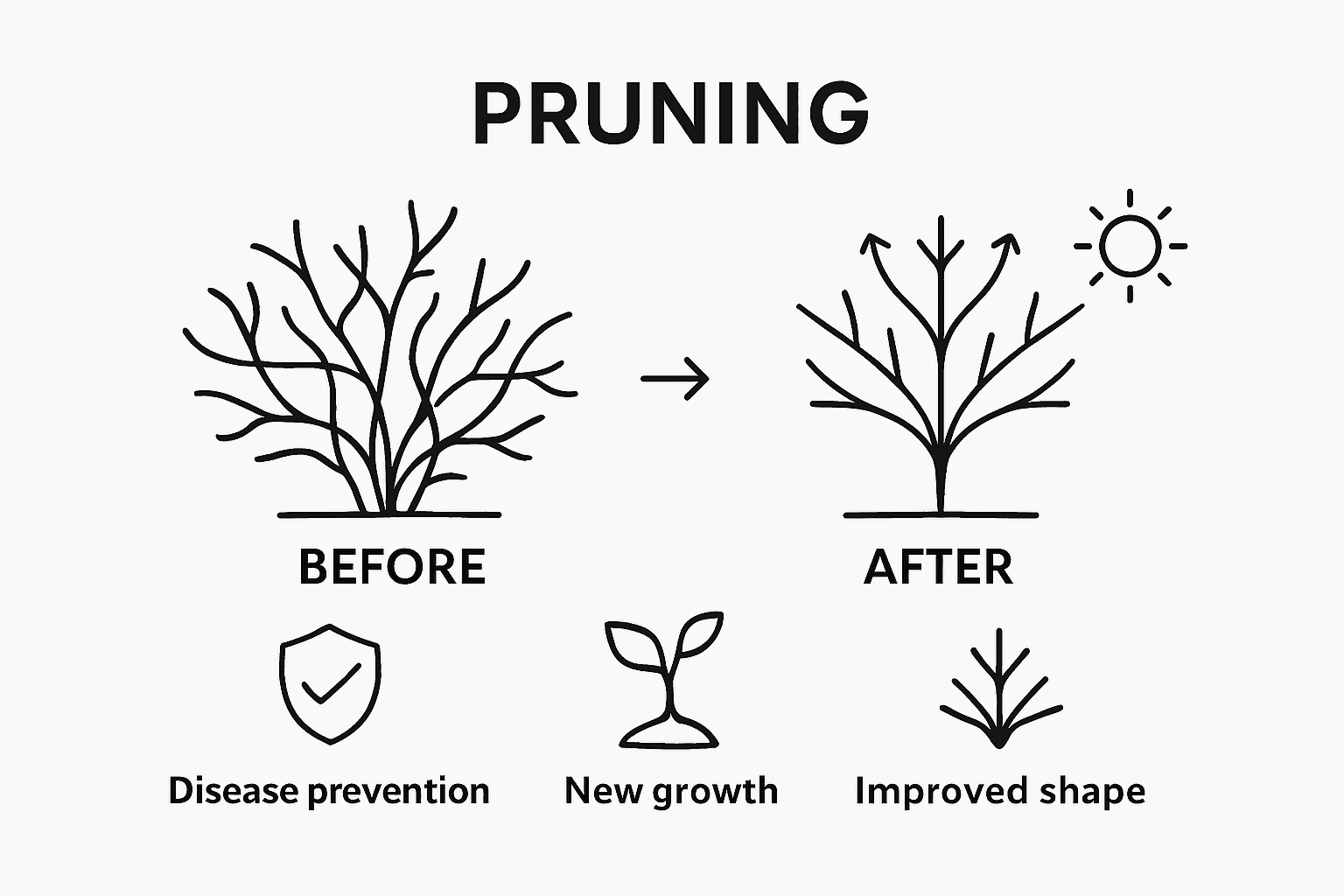
Pruning is a strategic horticultural practice that involves selectively removing specific plant parts to enhance overall plant health, structure, and growth potential. At its core, pruning is about intentional plant management, targeting branches, stems, roots, and sometimes buds to improve the plant’s form and function. Pruning serves as a preventive maintenance technique that protects plants from potential insect and disease damage while promoting robust development.
The primary objectives of pruning extend far beyond simple plant grooming. Gardeners use this technique to shape plant architecture, remove damaged or diseased sections, stimulate new growth, and control plant size. By carefully cutting specific branches, you create opportunities for improved air circulation, increased sunlight penetration, and more balanced energy distribution within the plant. This process helps redirect the plant’s resources toward healthier, more strategic growth patterns.
Different plants require unique pruning approaches based on their species, growth habits, and intended purpose. Some plants benefit from annual pruning to maintain their shape, while others need minimal intervention. Fruit trees, ornamental shrubs, and perennial flowers often have specific pruning windows that maximize their potential. Understanding these nuanced requirements helps gardeners make informed decisions about when and how to prune effectively.
Pro Tip: Invest in high-quality, clean pruning tools and sanitize them between plants to prevent potential disease transmission and ensure precise, healthy cuts.
Key Reasons to Prune:
- Improve plant health and vitality
- Remove damaged or diseased sections
- Stimulate new growth patterns
- Control plant size and shape
- Enhance aesthetic appearance
- Increase flowering or fruiting potential
Types of Pruning for Different Plants
Pruning is not a one-size-fits-all technique, but rather a nuanced approach that varies depending on plant species, growth patterns, and specific gardening goals. Different pruning techniques can dramatically transform plant structure and health, with specialized methods designed to address unique plant requirements and desired outcomes.
Three primary pruning approaches dominate horticultural practice. Thinning cuts involve removing entire branches to reduce plant density and stimulate balanced growth. Heading cuts focus on shortening branches to promote more compact plant development, while rejuvenation pruning targets overgrown or leggy plants by strategically removing old growth. Pruning methods also help manage plant interior light exposure and structural aesthetics, creating opportunities to shape plant appearance and health.
Here’s a quick-reference guide to the main pruning techniques and their horticultural impact:
| Pruning Technique | Main Purpose | Typical Use Case |
|---|---|---|
| Thinning Cuts | Reduce plant density | Encourage air flow in shrubs |
| Heading Cuts | Promote compact growth | Shape hedges and small trees |
| Rejuvenation Pruning | Revitalize old or leggy plants | Restore overgrown ornamentals |
Specific plant categories demand tailored pruning strategies. Fruit trees require precise branch removal to maximize fruit production, while ornamental shrubs need careful shaping to maintain aesthetic appeal. Perennial flowers benefit from deadheading to encourage continuous blooming, and evergreen plants demand minimal intervention to preserve their natural form. Understanding each plant’s unique growth characteristics ensures pruning becomes a transformative rather than destructive process.
Pro Tip: Match pruning tools to plant type and branch thickness to ensure clean, precise cuts that minimize plant stress and potential infection.
Pruning Categories by Plant Type:
- Fruit Trees: Maximize yield and tree health
- Ornamental Shrubs: Maintain shape and flowering potential
- Perennials: Encourage continuous blooming
- Evergreens: Preserve natural structure
- Flowering Plants: Stimulate robust growth
- Woody Plants: Control size and promote vigor

Benefits of Pruning for Growth and Health
Pruning provides a comprehensive approach to enhancing plant vitality and resilience, offering multiple benefits that extend far beyond simple aesthetic maintenance. By strategically removing specific plant parts, gardeners can dramatically improve overall plant health, stimulate growth, and prevent potential future complications.
One of the most significant advantages of pruning is its ability to improve plant structure and environmental interactions. Canopy management through pruning creates better light penetration and air circulation, which directly impacts plant metabolism and disease resistance. Removing dead, diseased, or crossing branches prevents potential pathogen spread and reduces the risk of structural damage from environmental stressors like wind, snow, or extreme temperature fluctuations.
Pruning also plays a critical role in plant energy optimization. By selectively removing certain branches or growth points, gardeners can redirect the plant’s nutritional resources toward more productive areas. This process encourages stronger root development, more robust flowering, and increased fruit production. Younger plants especially benefit from early pruning, which helps establish a strong, balanced growth pattern that will support long-term health and productivity.
Pro Tip: Always use clean, sharp pruning tools and make cuts at a 45-degree angle just above a leaf node to promote optimal healing and minimize stress on the plant.
Key Health Benefits of Pruning:
- Improved plant structure and resilience
- Enhanced light and air circulation
- Disease and pest prevention
- Redirected plant energy
- Stimulated new growth
- Increased flowering and fruiting potential

Optimal Timing and Seasonal Strategies
The late dormant season represents the most strategic window for pruning activities, offering gardeners a critical opportunity to shape plant health with minimal risk. Understanding seasonal nuances is essential for maximizing pruning effectiveness, as each plant type responds differently to timing and technique. The winter months provide a unique advantage, allowing gardeners to clearly see plant structure without dense foliage obscuring branch patterns.
Different plant categories demand unique pruning schedules that align with their natural growth cycles. Fruit trees benefit from late winter pruning before spring bud break, while spring-flowering shrubs require immediate post-bloom maintenance to preserve next season’s potential. Evergreen plants typically tolerate pruning during their active growth periods, whereas deciduous trees prefer dormant season interventions. This strategic approach prevents unnecessary stress and promotes robust plant recovery.
Seasonal pruning goes beyond simple maintenance, functioning as a critical health management strategy. Summer pruning can help control plant size and shape, especially for plants that generate excessive growth during warm months. Careful timing prevents sap loss, reduces disease transmission risks, and supports the plant’s natural healing processes. Younger plants particularly benefit from consistent, thoughtful pruning that establishes strong structural foundations for future growth.
Pro Tip: Create a pruning calendar specific to each plant species in your garden, tracking ideal pruning windows and individual plant responses to ensure optimal timing and technique.
Below is a comparison of optimal pruning timing for common plant groups:
| Plant Type | Best Pruning Period | Key Reason for Timing |
|---|---|---|
| Fruit Trees | Late winter/early spring | Avoid sap loss, boost yield |
| Spring-flowering Shrubs | Right after blooming | Preserve next year’s flowers |
| Evergreens | Active growth (summer) | Heal quickly, reduce stress |
| Deciduous Trees | Dormant season (winter) | Minimize disease, see structure |
Pruning Season Strategies:
- Late Winter/Early Spring: Dormant season pruning
- Immediately After Flowering: Spring-blooming shrubs
- Summer: Size and shape control
- Fall: Minimal intervention for most plants
- Always consider individual plant species requirements
Common Pruning Mistakes to Avoid
Many gardeners unknowingly compromise plant health through common pruning errors that can cause long-term damage and reduced plant vitality. Understanding these critical mistakes is essential for maintaining robust and healthy plants. Pruning might seem straightforward, but nuanced techniques can mean the difference between nurturing and harming your green companions.
One of the most destructive pruning practices is topping, which involves indiscriminately cutting large branches and leaving unsightly stubs. This technique destroys the plant’s natural growth pattern, creates vulnerable entry points for diseases, and weakens the overall plant structure. Equally problematic is neglecting to remove crossing or rubbing branches, which can create wounds that invite pests and compromise plant health. Strategic branch selection requires careful observation and understanding of each plant’s unique growth characteristics.
Timing and technique are crucial in preventing pruning-related stress. Avoiding pruning during wet weather helps prevent disease transmission, as moisture can spread pathogens rapidly. Additionally, removing excessive foliage in a single session can shock the plant, disrupting its natural growth cycles. Gardeners must exercise restraint, understanding that judicious, strategic pruning is far more beneficial than aggressive cutting.
Pro Tip: Clean and disinfect pruning tools between cuts and between different plants to prevent potential disease spread and maintain optimal plant health.
Critical Pruning Mistakes:
- Topping trees and large branches
- Ignoring crossing branch removal
- Pruning during inappropriate weather
- Over-pruning in a single session
- Using dull or unclean cutting tools
- Failing to understand specific plant requirements
Unlock the Full Potential of Your Garden with Proper Pruning
Pruning is more than just trimming branches it is the key to improving plant health, boosting growth, and preventing disease. If you have struggled with understanding when and how to prune or have seen your plants suffer from poor structure and limited flowering this article addresses exactly those challenges and offers clear solutions. By mastering pruning techniques like thinning cuts, heading cuts, and rejuvenation pruning you can help your plants thrive and flourish throughout the seasons.
Discover practical tips and strategies tailored to your garden’s needs by exploring our Plant Care – Lushy Gardens and Seasonal Gardening – Lushy Gardens sections. These resources guide you on timing, tool use, and specific pruning methods to reshape and revitalize your garden. Take control of your plant’s health today and visit Lushy Gardens for expert advice, detailed guides, and a supportive community eager to help you cultivate a vibrant garden. Start transforming your plants now and see the difference proper pruning makes.

Frequently Asked Questions
What is the purpose of pruning plants?
Pruning is a horticultural practice aimed at removing specific parts of a plant to improve its health, structure, and growth potential, while preventing disease and promoting robust development.
When is the best time to prune plants?
The optimal time to prune varies by plant type. Generally, late winter is ideal for most trees and shrubs, while spring-flowering plants should be pruned immediately after blooming to preserve next year’s flowers.
What are common mistakes to avoid when pruning?
Common mistakes include topping trees, neglecting to remove crossing branches, pruning in wet weather, over-pruning in one session, and using dull or unclean tools, all of which can harm plant health.
How does pruning affect plant growth?
Pruning enhances plant growth by improving light penetration and air circulation, redirecting energy towards healthier growth, stimulating new growth patterns, and increasing flowering or fruiting potential.
Recommended
- Pruning Indoor Plants Naturally for Healthy Growth – Lushy Gardens
- How to Trim Snake Plant – Lushy Gardens
- How to Make Spider Plant Bushier: A Step-By-Step Guide for Lush Growth – Lushy Gardens
- How to Trim Lavender Plant – Lushy Gardens
- Deep Root Fertilization: Boost Your Tree’s Health Today

I’m Eleanor, a seasoned gardener with over three decades of experience tending to Mother Nature’s creations. Through Lushy Gardens, I aim to share my wealth of knowledge and help fellow plant enthusiasts uncover the wonders of gardening. Let’s dive into this journey together, one leaf at a time.


