
Table of Contents
Finding the right houseplants can feel overwhelming when every apartment has different lighting and busy schedules keep watering routines unpredictable. Urban living rewards those who choose plants that are not only beautiful but also resilient and air-purifying. Research confirms that indoor plants actively break down harmful chemicals, improving air quality and adding a calming touch to compact homes. Discover how selecting low-maintenance botanical companions can create a vibrant, healthier indoor environment.
Key Takeaways
| Point | Details |
|---|---|
| Indoor Plants Enhance Air Quality | Indoor plants filter harmful pollutants and increase oxygen levels, contributing to a healthier living environment. |
| Careful Selection is Essential | Choosing the right plant based on light, humidity, and maintenance needs is crucial for successful indoor gardening. |
| Psychological Benefits | Indoor plants promote well-being by reducing stress and improving mood, creating a calming atmosphere. |
| Pet Safety Considerations | Awareness of toxic plant species is vital for pet owners, ensuring a safe home environment for animals. |
Indoor House Plants Defined and Explained
Indoor house plants are living organisms cultivated within enclosed spaces like apartments, offices, and homes, designed to thrive under controlled environmental conditions. Indoor plants contribute positively to air quality by filtering harmful chemicals and enhancing the overall microbial ecosystem of interior environments.
These botanical companions serve multiple purposes beyond aesthetic decoration. They are specifically selected and grown for their ability to:
- Improve indoor air quality
- Reduce psychological stress
- Enhance visual appeal of interior spaces
- Regulate humidity levels
- Create natural sound barriers
Modern urban dwellers choose indoor house plants as multifunctional additions to their living spaces. Unlike outdoor gardens, these plants are adapted to relatively constant temperatures and low light intensities, making them perfect for compact living environments like studio apartments and small condos.
Botanical Classification and Selection
Successful indoor plant cultivation requires understanding specific environmental requirements. Not all plants can survive indoors, so careful selection becomes crucial. Factors like light exposure, humidity, temperature, and maintenance needs determine a plant’s suitability for interior spaces.
Indoor plants transform living spaces from mere structures into dynamic, living ecosystems that support human well-being.
Pro tip: Start with low-maintenance plant varieties like snake plants or pothos, which are resilient and adaptable to various indoor conditions.
Popular Varieties for Urban Homes
Popular indoor plant varieties have become essential for urban dwellers seeking to transform their living spaces into green sanctuaries. These carefully selected plants not only beautify interiors but also provide significant environmental and health benefits tailored to compact urban environments.
The most recommended indoor plants for urban homes include:
- Snake Plant: Extremely low maintenance
- Pothos: Rapid growth and air-purifying capabilities
- Peace Lily: Excellent for filtering indoor pollutants
- Spider Plant: Adaptable to various light conditions
- Monstera: Dramatic leaf structures perfect for modern decor
- ZZ Plant: Thrives in low-light environments
- Aloe Vera: Medicinal properties and minimal care requirements
Urban gardeners appreciate these plants for their remarkable adaptability. Indoor plant species for urban landscaping are specifically chosen based on their ability to survive in low-light conditions typical of apartments and small living spaces.
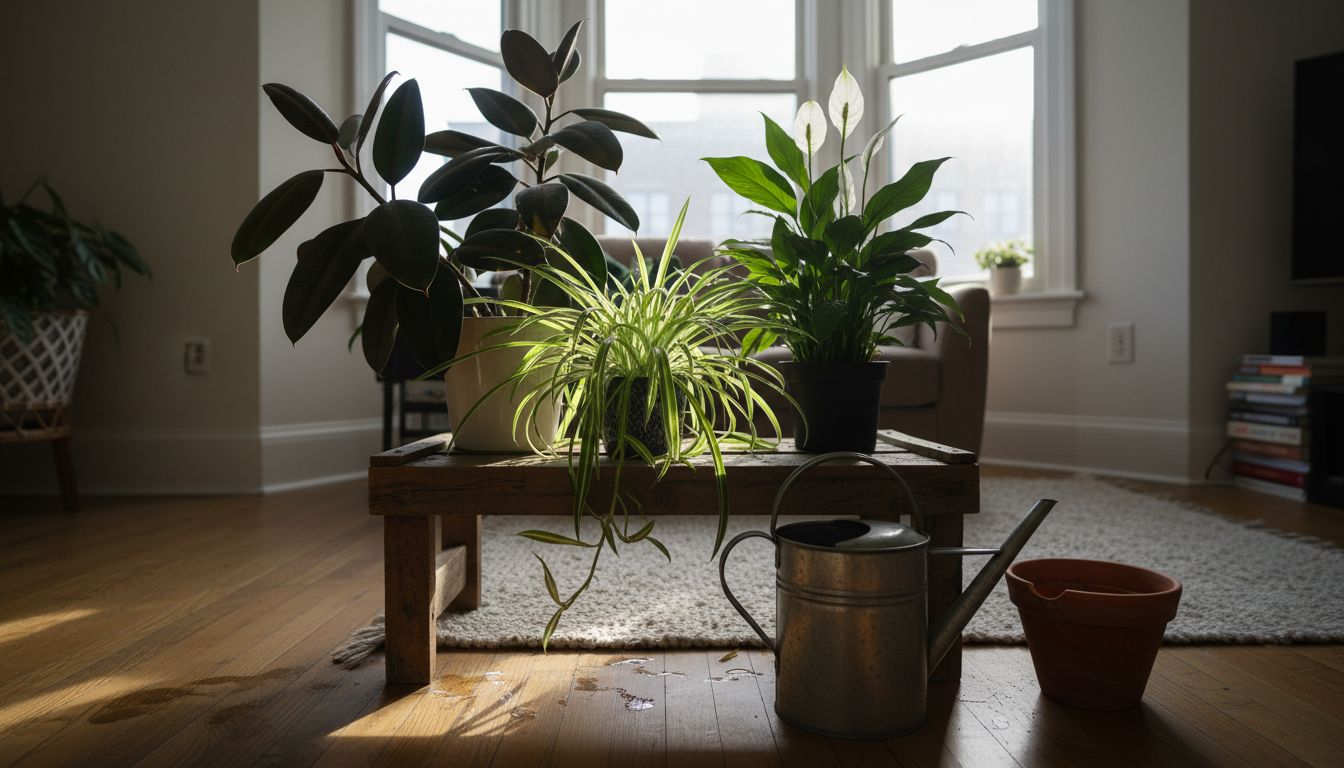
Here’s a helpful overview comparing popular indoor plant varieties suited for urban homes:
| Plant Name | Light Requirement | Pet Safety | Unique Benefit |
|---|---|---|---|
| Snake Plant | Low to moderate light | Generally safe | Excellent air purifier |
| Pothos | Low to bright, indirect | Toxic to pets | Easy to propagate |
| Peace Lily | Low to moderate, indirect | Toxic to pets | Removes mold spores |
| Spider Plant | Bright, indirect light | Safe for pets | Removes formaldehyde |
| Monstera | Medium to bright, indirect | Toxic to pets | Creates bold visual impact |
| ZZ Plant | Low light tolerated | Toxic to pets | Low water requirement |
| Aloe Vera | Bright, indirect light | Toxic to pets | Soothes skin; medicinal uses |
Selecting the Right Indoor Plant
Choosing the perfect indoor plant requires understanding your specific environment. Consider factors like available light, humidity levels, maintenance capacity, and room temperature. Some plants thrive in bright indirect light, while others can survive with minimal illumination.
Urban indoor plants are more than decorations – they’re living air purification systems that enhance both aesthetic and environmental quality.
Pro tip: Always research a plant’s specific care requirements before bringing it home, and start with resilient varieties that match your lifestyle and living conditions.
Key Benefits: Air Quality and Wellbeing
Indoor plants offer sustainable solutions for improving environmental health and personal wellness. These green companions do more than simply decorate spaces – they actively transform indoor atmospheres by filtering pollutants and enhancing overall air quality.
The key benefits of indoor plants for air quality and wellbeing include:
- Pollutant Reduction: Absorb volatile organic compounds (VOCs)
- Oxygen Generation: Increase oxygen levels through photosynthesis
- Stress Mitigation: Lower psychological stress through natural interactions
- Humidity Regulation: Balance indoor moisture levels
- Noise Absorption: Reduce ambient sound through leaf structures
- Mental Health Support: Improve mood and cognitive function
Air Purification Mechanisms
Indoor plant species effectively reduce air pollutants through complex biological processes. Their leaf surfaces and associated microbiomes actively trap and neutralize harmful substances like carbon dioxide, particulate matter, and chemical emissions from furniture, electronics, and building materials.
Indoor plants are living air purification systems that transform urban living spaces into healthier, more vibrant environments.
Psychological and Physical Health
Beyond air quality, indoor plants contribute significantly to human wellbeing. They create a connection with nature, reduce stress hormones, improve concentration, and promote a sense of calm in otherwise sterile urban environments. The visual and physiological interactions with plants can lower blood pressure, enhance mood, and increase overall productivity.
Pro tip: Position plants strategically near areas with high pollutant concentrations like home offices, living rooms, and bedrooms to maximize their air-purifying potential.
Essential Care and Growing Conditions
Indoor plant care requires careful environmental management to ensure healthy growth and sustained vitality. Understanding the precise conditions that support plant health is crucial for urban gardeners seeking to transform their living spaces into thriving green environments.
Key environmental factors for successful indoor plant care include:
- Temperature Range: Maintain between 60-75°F
- Light Exposure: Use indirect or supplemental lighting
- Humidity Levels: Keep consistent moisture in air
- Watering Frequency: Adjust based on plant species
- Soil Quality: Use well-draining, nutrient-rich potting mix
- Ventilation: Ensure moderate air circulation
Optimal Growing Conditions
Plant adaptation requires gradual environmental conditioning to prevent shock and promote healthy growth. Urban dwellers should rotate plants periodically to ensure even light exposure and monitor individual plant responses to indoor environments.
Successful indoor gardening is about creating a microclimate that mimics a plant’s natural habitat while adapting to urban living constraints.
Specific Care Strategies
Each plant species demands unique care approaches. Succulents require minimal water and bright light, while tropical plants need consistent humidity and indirect sunlight. Understanding these nuanced requirements transforms plant care from a guessing game to a precise science.
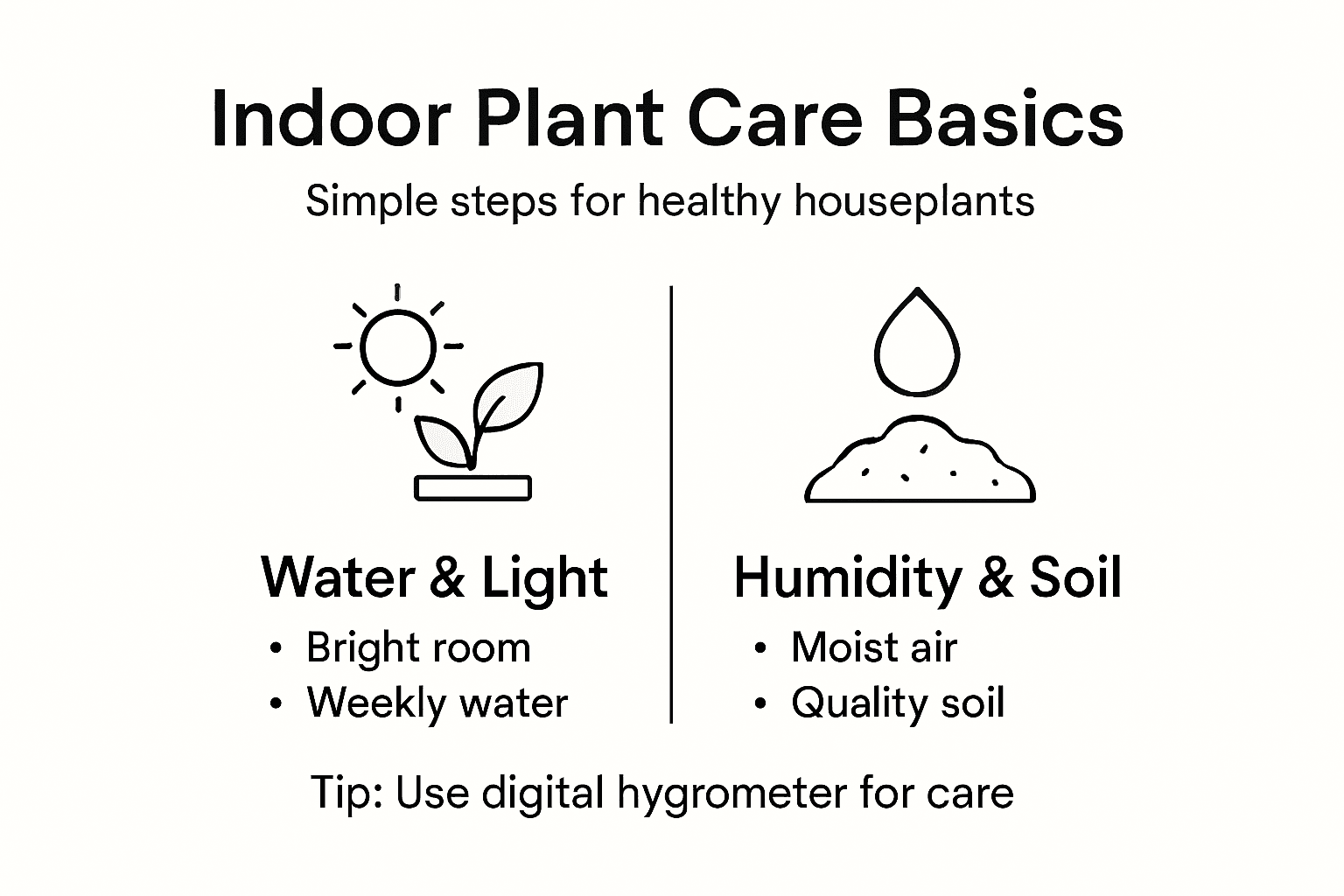
Pro tip: Invest in a digital hygrometer to accurately track temperature and humidity levels, helping you create the perfect indoor environment for your plants.
Pet Safety and Common Hazards
Indoor plant toxicity poses significant risks to companion animals, requiring careful selection and strategic placement of houseplants in pet-friendly homes. Understanding which plants are dangerous and how to mitigate potential hazards is crucial for responsible pet owners.
Common toxic houseplants that pose risks to pets include:
- Lilies: Extremely toxic to cats
- Pothos: Causes oral irritation and digestive issues
- Philodendron: Contains calcium oxalate crystals
- Dieffenbachia: Creates severe mouth and throat swelling
- Sago Palm: Highly poisonous if ingested
- Azalea: Can cause serious heart and digestive problems
Toxicity Mechanisms and Symptoms
Indoor plant poisoning is increasingly common among companion animals spending more time indoors. Toxic plants contain secondary metabolites like alkaloids, glycosides, and saponins that can trigger acute and chronic poisoning through ingestion or contact.
Pet safety requires constant vigilance and proactive management of indoor plant environments.
Prevention and Safety Strategies
Successful pet-safe indoor gardening involves comprehensive research, strategic plant placement, and creating physical barriers. Elevated shelves, hanging planters, and dedicated plant rooms can help separate curious pets from potentially harmful botanical species.
Pro tip: Before bringing any new plant home, consult the ASPCA’s toxic plant database and keep a pet emergency contact number readily available.
Mistakes to Avoid with Indoor Plants
Common indoor plant mistakes can significantly compromise the health and longevity of your botanical companions. Understanding these pitfalls is crucial for creating a thriving indoor garden environment that supports plant growth and vitality.
Most critical mistakes urban plant owners frequently make include:
- Overwatering: Drowning plant roots
- Incorrect Pot Selection: Using containers without drainage
- Light Mismanagement: Confusing low light with no light
- Neglecting Humidity: Ignoring moisture requirements
- Overfertilizing: Burning plant roots with excessive nutrients
- Improper Placement: Exposing plants to direct sunlight
- Premature Repotting: Disrupting plant root systems
Understanding Plant Stress Signals
Successful indoor gardening requires keen observation and responsive care. Plants communicate their distress through subtle changes in leaf color, texture, and overall appearance. Recognizing these early warning signs can prevent irreversible damage and promote plant health.
This quick-reference highlights common plant stress signals, what they may indicate, and recommended responses:
| Stress Signal | Possible Cause | Recommended Action |
|---|---|---|
| Yellow Leaves | Overwatering or low light | Check soil moisture; adjust light |
| Brown Leaf Edges | Low humidity or heat | Increase humidity; move from heat |
| Drooping Stems | Under- or overwatering | Assess watering routine |
| Leaf Drop | Sudden environment change | Gradually acclimate plant |
| Pale Growth | Nutrient deficiency | Use balanced fertilizer |
Indoor plants are living organisms that require nuanced, attentive care – not just decorative accessories.
Preventative Care Strategies
Each plant species has unique requirements for water, light, and nutrients. Developing a personalized care routine that considers individual plant characteristics is essential. Research each plant’s specific needs and create a tailored maintenance schedule.
Pro tip: Keep a plant journal to track watering schedules, growth patterns, and environmental conditions, helping you become a more intuitive and successful indoor gardener.
Bring Cleaner Air and Vibrant Life Into Your Home with Expert Indoor Plant Guidance
If you want to enhance your indoor air quality safely while creating a calming green sanctuary, understanding the right plants and care techniques is essential. Many struggle with selecting plants that thrive indoors and are safe for pets while effectively filtering airborne toxins and regulating humidity as discussed in the article. Navigating these challenges can feel overwhelming but you do not have to face them alone.
Explore our Indoor Plants – Lushy Gardens category to discover detailed guides on resilient, air-purifying plants perfectly suited for urban living spaces. Learn essential care tips in our Plant Care – Lushy Gardens section that help you maintain healthy thriving plants without stress or guesswork. Ready to find trusted product recommendations and reviews for indoor gardening tools? Visit our Reviews – Lushy Gardens page to equip yourself with the right resources.
Start improving your home’s air quality now by visiting Lushy Gardens and gain confidence in creating a safe, vibrant indoor environment that nurtures your wellbeing and your green companions.
Frequently Asked Questions
What are the benefits of indoor house plants?
Indoor house plants improve air quality by filtering pollutants, generate oxygen, reduce stress, regulate humidity, and create natural sound barriers.
How do I choose the right indoor plant for my space?
Consider factors like light exposure, humidity levels, maintenance needs, and room temperature when selecting your indoor plant to ensure it thrives in your environment.
What common mistakes should I avoid when caring for indoor plants?
Common mistakes include overwatering, using pots without drainage, mismanaging light exposure, and neglecting humidity needs, which can harm plant health.
Are indoor plants safe for pets?
Some indoor plants can be toxic to pets, so it’s important to research each plant’s toxicity before bringing it into your home and consider their placement carefully.
Recommended
- Indoor Plants for Wellbeing: Enhancing Air Quality and Healthy Living – Lushy Gardens
- 7 Best Plants for Air Quality Improvement – Lushy Gardens
- 7 Best Air Purification Plants for Healthier Indoor Air – Lushy Gardens
- 7 Types of Indoor Plants to Brighten Your Home – Lushy Gardens
- environmental impact urban planning | 3D Cityplanner

I’m Eleanor, a seasoned gardener with over three decades of experience tending to Mother Nature’s creations. Through Lushy Gardens, I aim to share my wealth of knowledge and help fellow plant enthusiasts uncover the wonders of gardening. Let’s dive into this journey together, one leaf at a time.


