
Table of Contents
More than half of American urban gardeners report feeling less stressed in their outdoor spaces when they embrace mindful practices. In busy city environments worldwide, the search for deeper nature connection and calmer daily routines drives many eco-conscious gardeners to rethink the way they care for their plants. Discover how mindful gardening transforms simple tasks into moments of clarity, sensory awareness, and personal wellness for a more harmonious life with nature.
Key Takeaways
| Point | Details |
|---|---|
| Mindful Gardening Benefits | Engaging in mindful gardening enhances mental health, reduces stress, and fosters a deeper connection to nature. |
| Sustainable Practices | Utilizing eco-friendly methods like native plant selection and composting promotes environmental health and biodiversity. |
| Sensory Engagement | Incorporating sensory experiences into gardening creates a more immersive and fulfilling relationship with the natural environment. |
| Common Gardening Mistakes | Recognizing and addressing fundamental errors in soil preparation and pest management supports a more sustainable and thriving garden. |
Defining Mindful Gardening Practices and Benefits
Mindful gardening represents a holistic approach to cultivating plants that transcends traditional gardening techniques by integrating conscious awareness and intentional presence into the gardening experience. Unlike routine gardening, this practice transforms plant care into a meditative and therapeutic activity that nurtures both physical landscapes and personal well-being. Studies have demonstrated that gardening can significantly improve mental health, quality of life, and overall wellness through diverse physiological and psychological pathways.
At its core, mindful gardening involves engaging with plants and garden environments using all sensory experiences while maintaining complete present-moment awareness. Practitioners focus intently on each gardening action – feeling soil textures, observing plant growth patterns, listening to natural sounds, and connecting intimately with living ecosystems. This deliberate, non-judgmental attention helps reduce stress, enhance emotional regulation, and create profound moments of tranquility amidst daily pressures. Research during the COVID-19 pandemic revealed that gardening can lower stress hormone levels comparably to traditional mindfulness meditation practices.
The benefits of mindful gardening extend far beyond mere plant cultivation. This practice offers a comprehensive wellness approach that integrates physical movement, sensory engagement, and emotional healing. Gardeners practicing mindfulness experience improved mental clarity, reduced anxiety, increased physical activity, and a deeper connection with natural environments. By transforming gardening from a routine task into a purposeful, meditative practice, individuals can cultivate not just plants, but personal resilience and inner peace.
Below is a summary table highlighting the key differences between routine gardening and mindful gardening practices:
| Aspect | Routine Gardening | Mindful Gardening |
|---|---|---|
| Approach | Task-oriented, automatic | Intentional, present awareness |
| Sensory Engagement | Limited, often overlooked | Deep, multisensory focus |
| Mental Health Impact | Minimal | Stress reduction, clarity |
| Wellness Benefits | Basic physical activity | Emotional, physical, spiritual |
Pro Tip: Begin your mindful gardening journey by dedicating just 15 minutes daily to fully present, intentional plant interaction, focusing on your breath and sensory experiences while working with your garden.
Core Principles and Daily Mindfulness Techniques
Mindful gardening is a transformative practice rooted in intentional awareness and holistic ecological engagement. Daily mindfulness techniques emphasize conscious interaction with natural systems, focusing on sensory experiences and deliberate, present-moment interactions with plants and garden environments. By cultivating a deep, attentive relationship with nature, gardeners can develop a more profound understanding of ecological interconnectedness and personal well-being.
The core principles of mindful gardening extend beyond traditional horticultural practices, integrating sustainability ethics and ecological consciousness. Practitioners approach gardening as a holistic system that prioritizes three fundamental values: Earth care, people care, and fair share. These principles guide gardeners to work in harmony with natural processes, considering the broader ecosystem’s health and interdependence. Key practices include observing plant behaviors, understanding soil microbiology, and making thoughtful interventions that support both individual plant growth and overall environmental balance.
Implementing daily mindfulness techniques requires intentional, sensory-focused engagement with garden spaces. Gardeners can develop awareness by practicing slow, deliberate movements, breathing synchronously with gardening tasks, and maintaining full attention on physical sensations. This might involve feeling soil textures, listening to ambient garden sounds, observing subtle plant changes, and cultivating a non-judgmental attitude toward gardening experiences. Such techniques transform routine maintenance into meditative practices that reduce stress, enhance emotional resilience, and deepen personal connection with natural environments.
Pro Tip: Create a dedicated mindfulness journal to document your garden interactions, noting sensory experiences, emotional states, and subtle ecological observations during each gardening session.
Incorporating Eco-Friendly and Sustainable Methods
Sustainable gardening represents a holistic approach to cultivating plants that prioritizes environmental health and personal wellness. Engagement in sustainable horticulture practices demonstrates significant positive impacts on ecosystem and human well-being, encompassing strategies that conserve resources, promote biodiversity, and reduce ecological footprints. By adopting mindful and intentional gardening techniques, individuals can transform their garden spaces into regenerative environments that support both personal health and broader environmental sustainability.
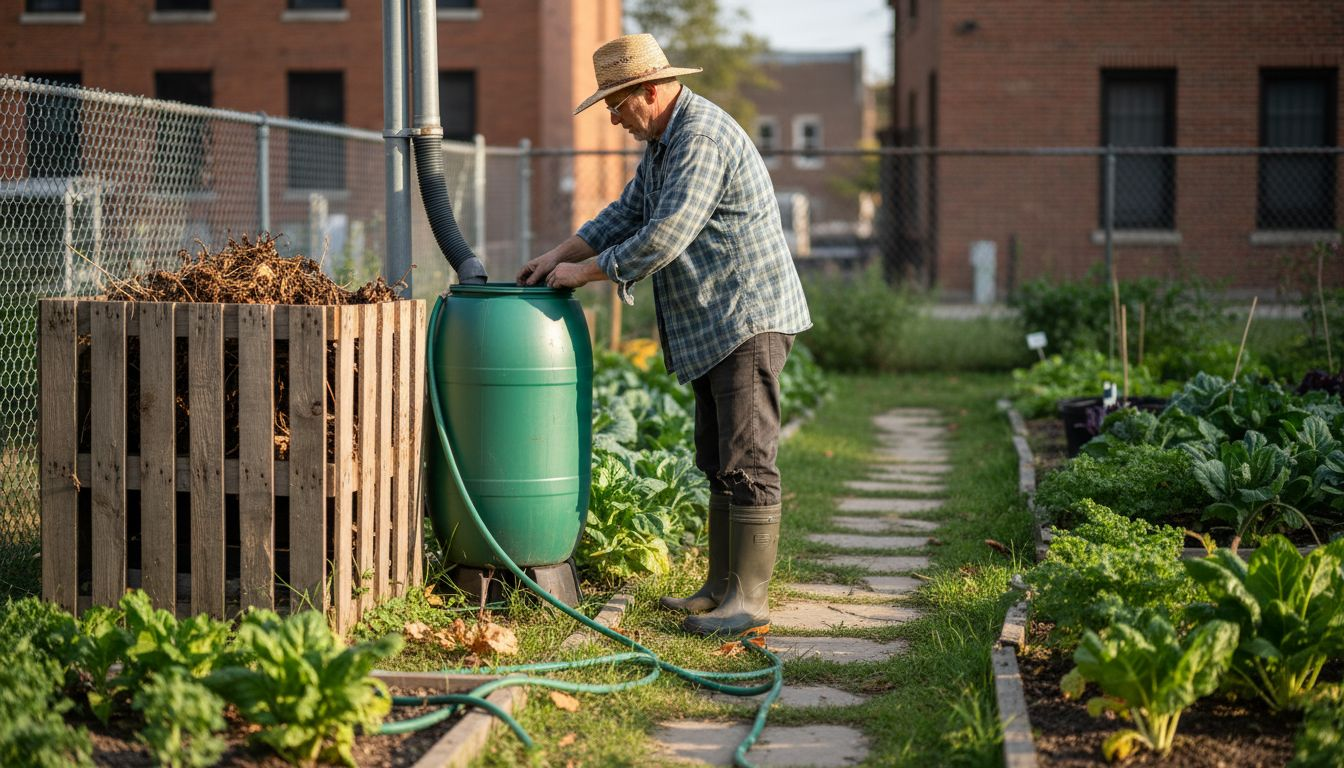
Key sustainable methods include implementing comprehensive water conservation strategies, developing organic pest management approaches, and creating robust composting systems. Native plant selection plays a crucial role in sustainable gardening, as these plant species are naturally adapted to local ecological conditions, requiring less intervention and supporting regional biodiversity. Gardeners can significantly reduce water consumption by utilizing techniques such as drip irrigation, collecting rainwater, mulching, and selecting drought-resistant plant varieties that thrive with minimal additional water resources.
Beyond resource management, eco-friendly gardening involves understanding and working with natural ecosystem dynamics. This approach requires observing plant interactions, supporting beneficial insect populations, avoiding chemical interventions, and creating habitat corridors that support local wildlife. By viewing gardens as interconnected living systems rather than isolated spaces, gardeners can develop practices that regenerate soil health, enhance biodiversity, and create resilient landscapes that contribute positively to environmental restoration.
Here is a quick reference table for eco-friendly gardening methods and their environmental benefits:
| Sustainable Method | Description | Environmental Benefit |
|---|---|---|
| Drip Irrigation | Slow, direct water to roots | Saves water, prevents runoff |
| Native Plant Selection | Uses locally adapted species | Supports biodiversity, low maintenance |
| Composting | Recycles organic garden/kitchen waste | Improves soil, reduces landfill waste |
| Mulching | Covers soil with organic material | Conserves moisture, suppresses weeds |
Pro Tip: Start your sustainable gardening journey by conducting a simple soil health assessment and creating a small composting area to recycle organic kitchen and garden waste.
Enhancing Nature Connection Through the Senses
Sensory engagement represents the core mechanism through which gardeners develop profound connections with natural environments. Gardening creates meaningful interactions that enhance emotional well-being by activating multiple sensory pathways, allowing individuals to experience nature through sight, touch, smell, and hearing. These multisensory experiences transform gardening from a simple horticultural activity into a deeply immersive practice that supports psychological and physiological health.
Touch emerges as a particularly powerful sensory channel in nature connection. Feeling soil textures, experiencing the coolness of leaves, and sensing the intricate structures of plant stems provide direct, intimate interactions with living systems. Smell offers another rich dimension of sensory experience, with garden fragrances like herbs, flowers, and soil creating powerful emotional and memory associations. Visual experiences – observing color variations, plant growth patterns, and subtle environmental changes – further deepen this sensory engagement, encouraging mindful observation and appreciation of natural complexity.
Community gardening programs demonstrate how collaborative sensory interactions can enhance psychological well-being, highlighting that nature connection is not just an individual experience but a shared, social phenomenon. By creating spaces that encourage collective sensory exploration, gardeners can develop deeper ecological awareness, reduce feelings of isolation, and build meaningful connections with both natural environments and community members. These shared experiences transform gardening from a solitary activity into a powerful tool for social connection and collective well-being.
Pro Tip: Dedicate 10 minutes during each gardening session to close your eyes and focus exclusively on the sensory experiences around you, intentionally noting different textures, sounds, and scents.
Common Mistakes and Practical Solutions
Mindful gardening requires navigating several potential pitfalls that can undermine both plant health and personal wellness. Common gardening mistakes often stem from fundamental misunderstandings about soil preparation, pest management, and plant care, creating challenges that can discourage even the most enthusiastic gardeners. Understanding these potential errors and developing strategic solutions becomes crucial for maintaining a thriving, sustainable garden environment.
Soil preparation represents a critical area where many gardeners encounter significant challenges. Novice gardeners frequently overlook the importance of comprehensive soil assessment, leading to poor plant nutrition and reduced growth potential. Practical solutions include conducting thorough soil tests, incorporating organic matter, and developing a nuanced understanding of local soil composition. Proper soil management involves balancing nutrient levels, improving drainage, and creating an ecosystem that supports beneficial microbial activity. This approach transforms soil from a mere growing medium into a dynamic, living system that nurtures plant health and supports mindful gardening practices.
Pest management and watering techniques represent additional areas where gardeners often struggle. Many individuals default to chemical interventions or inconsistent watering patterns that stress plants and disrupt ecological balance. Integrated pest management strategies emphasize observation, prevention, and holistic approaches that work with natural ecosystem dynamics. This might include introducing beneficial insects, using companion planting techniques, and developing resilient garden designs that naturally reduce pest pressures. Similarly, effective watering requires understanding individual plant needs, utilizing efficient techniques like drip irrigation, and adapting approaches based on specific environmental conditions.
Pro Tip: Create a garden journal to track plant performance, environmental conditions, and intervention strategies, allowing you to develop increasingly precise and mindful gardening approaches over time.
Elevate Your Well-Being with Mindful Gardening Today
Struggling to transform gardening from a routine chore into a truly calming and restorative experience Mindful gardening offers a solution by encouraging intentional presence and sensory engagement that reduces stress and deepens your connection with nature. If you want to enhance your mental clarity, reduce anxiety, and embrace sustainable gardening practices this is the perfect moment to dive deeper.
Discover expert tips and practical advice on how to nurture both your garden and your personal wellness at Gardening & Health – Lushy Gardens. Embrace eco-friendly techniques with insights from Sustainable Gardening – Lushy Gardens and grow your mindful gardening skills daily. Don’t wait to create a peaceful garden sanctuary that supports your emotional and physical well-being. Start your journey now by visiting Lushy Gardens and find inspiration and guidance that helps you cultivate a flourishing garden and a calmer mind.

Frequently Asked Questions
What is mindful gardening?
Mindful gardening is an approach that integrates conscious awareness and intentional presence into plant care, transforming gardening into a meditative and therapeutic practice that benefits mental health and personal well-being.
How does mindful gardening improve mental health?
Mindful gardening can significantly reduce stress, enhance emotional regulation, and promote mental clarity. Studies show it can lower stress hormone levels and provide similar benefits to traditional mindfulness meditation practices.
What are some daily techniques I can use to practice mindful gardening?
Daily techniques include slow, deliberate movements while gardening, focusing on sensory experiences like the texture of soil and the sounds of nature, and maintaining full attention to the present moment. Keeping a mindfulness journal can also support your practice.
How can I make my gardening practices more sustainable?
To incorporate sustainability, you can use methods like drip irrigation, selecting native plants, composting, and observing natural ecosystem dynamics to support biodiversity and reduce resource consumption.
Recommended
- Understanding Gardening for Mental Health Benefits – Lushy Gardens
- Forest Bathing Benefits: Everything You Need to Know – Lushy Gardens
- Understanding Gardening as a Hobby: A Comprehensive Guide – Lushy Gardens
- Understanding Community Gardening Benefits for All – Lushy Gardens

I’m Eleanor, a seasoned gardener with over three decades of experience tending to Mother Nature’s creations. Through Lushy Gardens, I aim to share my wealth of knowledge and help fellow plant enthusiasts uncover the wonders of gardening. Let’s dive into this journey together, one leaf at a time.


