
Table of Contents
TL;DR:
- Pet safe vegetable gardens combine non-toxic plants, physical barriers, and behavior management to keep animals safe. Growing safe vegetables like carrots, peas, and strawberries alongside pet deterrents minimizes risks from toxic plants such as onions and garlic. Building layered fences, enriching pet behavior, and monitoring garden layout help create a secure environment for both plants and animals.
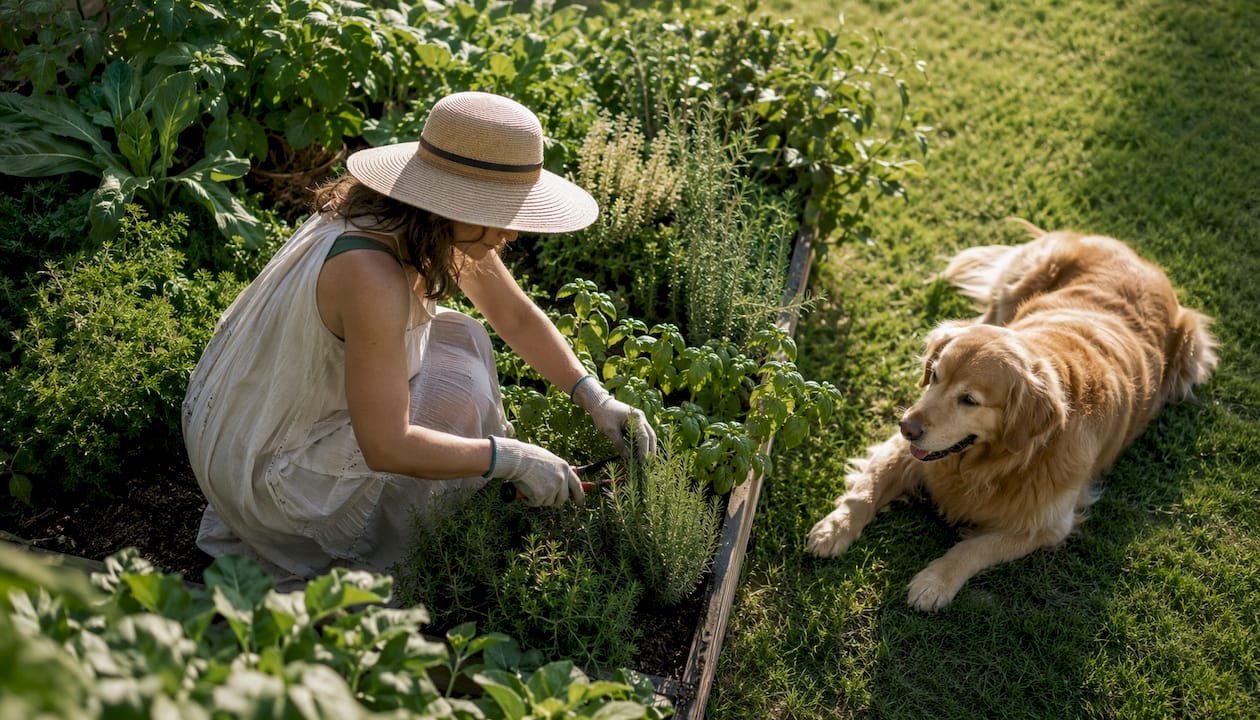
Pet friendly vegetable gardens are defined as growing spaces that combine non-toxic plant selection, physical barriers, and pet behavior management to keep animals safe while producing food. The standard term used by veterinary and horticultural professionals is “pet-safe gardening,” and it covers everything from plant toxicity to soil amendment choices. Getting this right matters because common garden plants like onions, garlic, and rhubarb are genuinely dangerous to dogs and cats. The good news is that carrots, green beans, peas, and strawberries grow beautifully alongside pets. Lushygardens has compiled the ten most effective practices so you can grow food and keep your animals safe at the same time.
1. What plants are safe to grow in a pet friendly vegetable garden?
Plant selection is the foundation of any pet-safe garden. Onions, garlic, rhubarb, and unripe tomato parts are highly toxic to pets, causing symptoms from lethargy to kidney failure. Knowing which plants to avoid before you sow a single seed prevents the most serious risks.
Safe vegetables to grow include:
- Carrots — crunchy, non-toxic, and a favorite dog treat straight from the ground
- Green beans — safe raw or cooked, low calorie, and easy to grow in most climates
- Peas — pods and all are fine for dogs and cats in moderate amounts
- Zucchini — non-toxic and productive; pets rarely bother the large leaves
- Broccoli — safe in small amounts; large quantities can cause mild GI upset
- Strawberries — non-toxic and irresistible to dogs; pick up fallen fruit daily
Herbs make excellent border plants and are largely pet-safe. Basil, rosemary, and thyme are aromatic herb borders that do double duty: they deter pets with strong scent and add flavor to your kitchen. Avoid chives and any allium-family herbs entirely.
Tomatoes deserve a separate note. Tomato leaves, stems, and green fruit contain glycoalkaloids called tomatine, which cause GI upset and muscle weakness in large exposures. Ripe tomatoes are safe in moderation, but you must pick up any fallen green fruit immediately. Treat tomato plants as a managed risk rather than a fully safe crop.
2. How to build physical barriers to protect your garden and pets
Physical barriers are the most reliable line of defense in vegetable gardening with pets. No amount of training fully replaces a well-built fence, especially for high-drive breeds.
Follow these steps to build an effective barrier system:
- Choose fence height by dog size. Use 3 feet for medium breeds and 4 feet for athletic or large breeds. A dog that can jump a fence will ignore every other deterrent.
- Set posts 6–8 feet apart. Closer spacing adds rigidity and prevents panels from bowing under pressure.
- Bury the bottom 6 inches at a 90-degree outward angle. L-shaped hardware cloth buried 6–12 inches underground stops digging before it starts. This is the step most pet owners skip, and it is the most important one.
- Add raised beds at least 18 inches tall. Raised beds 18 inches or taller combined with aromatic herb borders reduce pet intrusion without requiring full perimeter fencing.
- Layer deterrents around bed edges. Pine cones, gravel borders, or rough-textured mulch make beds uncomfortable to walk on and discourage casual exploration.
Pro Tip: Never rely on a single barrier. A fence alone fails when a gate is left open. A raised bed alone fails for a determined jumper. Layer at least two barrier types for reliable protection.
3. How to manage pet behavior to reduce garden damage
Behavioral enrichment reduces garden damage more than most pet owners expect. A bored dog digs. A mentally stimulated dog sleeps. The goal is to redirect natural instincts before they reach your vegetable beds.
Practical enrichment strategies include:
- Build a dedicated digging zone. A 4×6 foot sandpit filled with 50% sand and 50% topsoil gives dogs a legal outlet. Rotate buried toys weekly to keep the zone interesting.
- Use rosemary borders as scent deterrents. Redirecting dog digging behavior with sensory deterrents like rosemary borders significantly lowers garden raid frequency. Dogs dislike the strong scent and naturally avoid those areas.
- Create patrol paths. Leave a 2-foot buffer zone between your fence line and the nearest plant bed. Dogs patrol perimeters by instinct. Giving them a clear path satisfies that drive without trampling crops.
- Use positive reinforcement at boundaries. Reward your dog every time it chooses the digging zone over the garden bed. Consistency over two to three weeks builds a reliable habit.
- Schedule exercise before garden time. A dog that has already run or played is far less likely to treat your raised beds as entertainment.
Pro Tip: Keep a small bag of treats near the garden gate. Rewarding your pet for calm behavior at the boundary takes 30 seconds and pays off for the entire growing season.
4. What are effective soil and mulch choices to ensure pet safety?
Mulch and soil choices directly affect pet safety, and the wrong pick can send you to the emergency vet. Cocoa shell mulch contains theobromine and attracts dogs by smell, making it one of the most dangerous common mulches available. Cedar or pine bark mulch is the correct replacement. Both are non-toxic, control moisture well, and suppress weeds without posing a poisoning risk.
Safe mulch and soil practices to follow:
- Choose cedar or pine bark mulch over cocoa shell, rubber, or dyed wood chips with unknown additives
- Use enclosed compost bins with latching lids. Open compost piles give pets access to toxic scraps like onion skins, grape remains, and coffee grounds
- Avoid bone meal and blood meal fertilizers left on the soil surface. Dogs find these irresistible and will dig to reach them
- Check fertilizer labels for xylitol. Some organic fertilizers contain additives that are toxic to dogs
Composting is one of the best things you can do for your vegetable garden, but an open pile is a hazard. A latching bin keeps the benefits and removes the risk entirely.
5. How to lay out your vegetable garden for maximum pet safety
Garden layout is where designing pet friendly gardens becomes a real discipline. The physical arrangement of beds, paths, and zones determines whether your safety measures hold up under daily use.
The table below shows how different layout elements affect both pet safety and plant health.
| Layout element | Pet safety benefit | Plant health benefit |
|---|---|---|
| 3-foot-wide paths between beds | Prevents trampling; gives pets clear routes | Improves air circulation around plants |
| Secondary gate for high-risk plants | Blocks access to toxic crops like tomatoes | Allows separate watering and care schedules |
| Aromatic herb borders | Scent deters pets from entering beds | Attracts pollinators; repels common pests |
| Micro-clover ground cover | Non-toxic and urine-resistant in pet zones | Fixes nitrogen; reduces lawn maintenance |
| Buffer zone along fence line | Gives dogs a patrol path away from crops | Reduces root competition at bed edges |
Micro-clover blends are urine-resistant, nitrogen-fixing, and non-toxic to pets, making them the best ground cover choice for high-traffic pet areas in 2026. Standard grass breaks down quickly under pet use. Micro-clover holds up and actually improves soil at the same time.
Place your highest-risk plants, including tomatoes and any brassicas grown with bone meal, behind a secondary gate. This single design decision removes the need to supervise your pet every time you open the main garden gate. Pair that with simple garden design ideas to keep the layout manageable from the start.
6. Keep a plant photo record for veterinary emergencies
Swift identification of a toxic plant saves lives. Veterinary care within 24–72 hours of toxic plant ingestion is critical for plants like Sago palm in dogs or lilies in cats. The problem is that most pet owners cannot name the plant their animal just chewed.
Photograph every plant in your garden at the start of each season. Store the photos in a labeled album on your phone. When you call your vet or the ASPCA Animal Poison Control Center (888-426-4435), you can describe or send the image immediately. This one habit cuts response time dramatically. Review your plants toxic to pets guide annually as you add new varieties to your garden.
7. Introduce pets to the garden gradually
Pets that are introduced to the garden slowly respect its boundaries better than those given immediate full access. Start with leashed visits of five to ten minutes. Let your dog sniff the perimeter while you walk the path together. Reward calm behavior at every bed edge.
After a week of leashed visits, allow supervised off-leash time in the buffer zone only. Expand access to the full garden only after your pet consistently ignores the plant beds. This graduated approach works because it builds a behavioral pattern before the novelty of the garden wears off. Rushing this process is the most common mistake pet owners make in their first growing season.
8. Choose pet-safe pest control methods
Pesticides and slug baits are among the most underestimated hazards in vegetable gardening with pets. Metaldehyde-based slug pellets are acutely toxic to dogs and cats and should never be used in a pet-accessible garden. Iron phosphate-based slug baits are the safe replacement. They are effective against slugs and snails and carry no meaningful toxicity risk to mammals.
For insect control, neem oil and insecticidal soap sprays are non-toxic to pets once dry. Apply them in the evening when pets are indoors and the spray has time to dry overnight. Avoid any pesticide that lists “keep pets away for X days” on the label. That warning exists for a reason, and a curious dog will not read it.
9. Grow a dedicated pet herb patch
A dedicated herb patch for your pet adds enrichment and keeps animals engaged with a safe part of the garden. Catnip and cat grass (typically wheat grass or oat grass) are the obvious choices for cats. Dogs enjoy sniffing and occasionally chewing on basil, parsley, and mint, all of which are non-toxic in normal amounts.
Place the pet herb patch near the digging zone to create a dedicated “pet corner” of the garden. This clusters your pet-friendly features in one area and makes supervision easier. It also gives your pet a reason to stay in their zone rather than investigating yours. Pair this with pet-safe houseplants indoors to extend the safe plant environment year-round.
10. Maintain the garden with pet safety as an ongoing practice
Pet-safe gardening is not a one-time setup. It requires seasonal review because gardens change and so do pets. A puppy that ignored raised beds at six months may clear them easily at eighteen months. A new plant variety you added in spring may carry a toxicity risk you have not checked yet.
Review your plant list against ASPCA toxicity guidelines every spring before planting. Inspect fences and raised bed edges after winter for damage. Refresh the digging zone with new toys and loosened soil at the start of each season. Seasonal garden maintenance keeps both your plants and your pets protected through every weather change.
Key Takeaways
Pet friendly vegetable gardens succeed when plant selection, physical barriers, and behavioral enrichment work together as a system rather than as isolated fixes.
| Point | Details |
|---|---|
| Plant selection is non-negotiable | Avoid onions, garlic, rhubarb, and tomato plant parts; grow carrots, peas, and green beans instead. |
| Layer physical barriers | Combine fence height, buried hardware cloth, and raised beds for reliable protection. |
| Enrich before you restrict | A dedicated digging zone and patrol path reduce garden intrusion more than punishment. |
| Mulch and soil matter | Use cedar or pine bark mulch and enclosed compost bins to eliminate hidden toxicity risks. |
| Review every season | Inspect fences, update your plant photo record, and refresh enrichment zones each spring. |
What I have learned from years of gardening alongside pets
The biggest mistake I see pet owners make is treating garden safety as a one-time project. They install a fence, choose a few safe plants, and consider the job done. Then a gate latch fails in october, or they add a new tomato variety in june without checking the toxicity profile, and suddenly there is a problem.
What actually works is treating your garden as a living system that includes your pet as a participant, not an intruder. The gardens I have seen thrive long-term are the ones where the pet has a genuine role: a digging zone they use daily, an herb patch they visit, a patrol path they own. When a dog feels like the garden is partly theirs, they stop treating the vegetable beds as forbidden territory to raid.
The design principle I keep coming back to is “yes before no.” Give your pet somewhere to dig before you block them from digging in the wrong place. Give them a scent-rich herb corner before you surround the beds with deterrents. That sequence changes the dynamic entirely. The garden becomes a shared space rather than a conflict zone, and that is when vegetable gardening with pets actually becomes enjoyable for both of you.

Lushygardens resources for your pet-safe garden
Lushygardens covers every stage of building a garden that works for both you and your animals. The beginner’s gardening guide walks through bed setup, soil preparation, and plant selection with clear, practical steps that apply directly to pet-safe layouts. For pet owners adding new plant varieties each season, the garden safety for pets guide covers veterinary emergency response and toxic plant identification in detail. Both resources are written for real gardeners, not horticulture students, and they treat pet safety as a core part of good gardening practice rather than an afterthought.
FAQ
What vegetables are safe for dogs to eat from the garden?
Carrots, green beans, peas, zucchini, and ripe strawberries are safe for dogs in moderation. Always wash produce before giving it to your pet and introduce new foods gradually.
Are tomato plants safe to grow in a pet friendly garden?
Ripe tomatoes are safe for dogs in small amounts, but tomato leaves, stems, and green fruit contain tomatine, which causes GI upset and muscle weakness. Grow tomatoes behind a secondary gate and pick up fallen green fruit daily.
What mulch should I avoid in a pet-safe vegetable garden?
Avoid cocoa shell mulch entirely. It contains theobromine, the same compound that makes chocolate toxic to dogs, and its smell actively attracts them. Cedar or pine bark mulch is the safe alternative.
How tall should a garden fence be to keep dogs out?
Use a minimum of 3 feet for medium breeds and 4 feet for large or athletic breeds. Bury the bottom 6 inches at an outward angle to prevent digging underneath.
What should I do if my pet eats a toxic garden plant?
Call the ASPCA Animal Poison Control Center at 888-426-4435 immediately and bring a photo of the plant. Veterinary care within 24–72 hours of ingestion is critical for the most serious toxic exposures.
Recommended
- 10 Essential Urban Gardening Tips for Plant Lovers – Lushy Gardens
- 4 Vegetable Garden Layouts to Maximize Your Yield – Lushy Gardens
- Container Gardening for Veggies: Grow Fresh Produce Anywhere – Lushy Gardens
- Vegetable Garden Planning Made Easy: A Step-by-Step Guide – Lushy Gardens

I’m Eleanor, a seasoned gardener with over three decades of experience tending to Mother Nature’s creations. Through Lushy Gardens, I aim to share my wealth of knowledge and help fellow plant enthusiasts uncover the wonders of gardening. Let’s dive into this journey together, one leaf at a time.


