
Table of Contents
Setting up a new houseplant near a sunny window might seem simple, but many indoor gardeners quickly realize there is much more to achieving vibrant, healthy growth. Photosynthesis is nature’s energy conversion powerhouse, transforming sunlight, water, and carbon dioxide into the food plants need to thrive and releasing oxygen that sustains life worldwide. Learning how this intricate process works helps you nurture stronger, greener plants in any indoor environment while avoiding common care mistakes.
Key Takeaways
| Point | Details |
|---|---|
| Photosynthesis is Essential for Life | This process enables plants to convert sunlight into energy, generating oxygen and food necessary for various life forms. |
| Two Distinct Stages | Photosynthesis comprises light-dependent reactions, which produce energy, and light-independent reactions (Calvin cycle), which create glucose. |
| Environmental Factors Matter | Indoor light, temperature, humidity, and air circulation significantly influence photosynthetic efficiency and plant health. |
| Impact on Plant Growth | Effective photosynthesis leads to biomass production and energy generation, vital for plant development and survival. |
Photosynthesis Defined and Debunking Myths
Photosynthesis is nature’s remarkable energy conversion system, transforming sunlight into life-sustaining chemical energy through an incredibly complex biological process. Fundamental to almost all life, this process allows plants to generate their own food and produce oxygen for the planet.
At its core, photosynthesis involves several critical components that work together seamlessly:
- Sunlight: The primary energy source
- Water: Absorbed through plant roots
- Carbon Dioxide: Captured from the surrounding atmosphere
- Chlorophyll: The green pigment that enables energy absorption
Contrary to popular misconceptions, photosynthesis is not a simple one-step process but a sophisticated two-stage mechanism. Light-dependent reactions generate chemical energy, while light-independent reactions (Calvin cycle) assemble complex carbohydrates essential for plant growth and survival.
Many indoor gardeners mistakenly believe that all plants photosynthesize exactly the same way, but different species have evolved unique adaptations to maximize their energy production. Some plants, like succulents, have specialized mechanisms to conserve water while maintaining photosynthetic efficiency, demonstrating the incredible versatility of this biological process.
Photosynthesis transforms approximately 1-2% of absorbed sunlight into usable plant energy, making it an incredibly efficient natural system.
Pro tip: Position your houseplants near windows with bright, indirect light to support optimal photosynthetic performance and encourage healthy growth.
Main Types: Light-Dependent and Light-Independent
Photosynthesis operates through two distinct yet interconnected stages that transform solar energy into usable plant nutrients. Complex biochemical reactions occur in specific cellular compartments, allowing plants to efficiently convert sunlight into chemical energy.
The two primary photosynthetic stages include:
- Light-Dependent Reactions
- Occur in thylakoid membranes
- Capture solar energy
- Generate ATP and NADPH energy carriers
- Light-Independent Reactions (Calvin Cycle)
- Take place in plant stroma
- Use generated energy to fix carbon dioxide
- Produce glucose and other organic compounds
Light reactions involve intricate electron transport mechanisms where chlorophyll pigments absorb photons and initiate a series of molecular transformations. These reactions essentially serve as the plant’s energy production powerhouse, converting light into chemical energy through a precise sequence of molecular interactions.
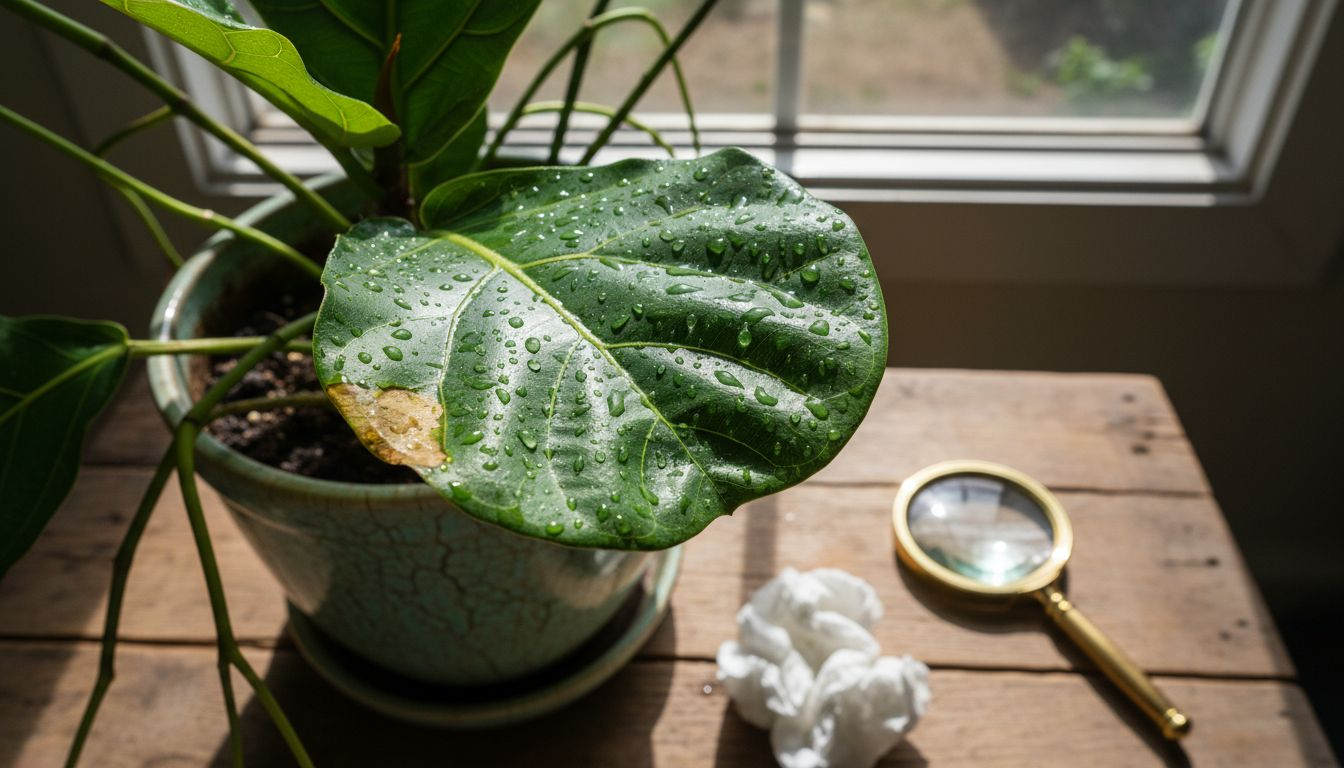
The light-independent stage, commonly known as the Calvin cycle, represents the plant’s carbon fixation process. Here, the energy molecules generated during light-dependent reactions are utilized to convert carbon dioxide into glucose, effectively storing solar energy in chemical bonds that plants can use for growth and metabolism.
Here’s a concise comparison of light-dependent and light-independent reactions in photosynthesis:
| Stage | Main Location | Key Outputs | Primary Function |
|---|---|---|---|
| Light-Dependent | Thylakoid membranes | ATP, NADPH, Oxygen | Capture and convert sunlight |
| Light-Independent | Stroma | Glucose, Water | Carbon fixation and storage |
Each photosynthetic stage represents a sophisticated molecular dance, transforming energy with remarkable precision and efficiency.
Pro tip: Monitor your houseplants’ leaf color and growth patterns to understand their photosynthetic health and potential nutrient requirements.
Key Stages and Molecules in Photosynthesis
Photosynthesis represents a complex molecular symphony where multiple critical stages transform solar energy into plant nutrition. Specific protein complexes coordinate intricate energy conversions within plant cells, enabling remarkable biochemical transformations.
The key molecular players in photosynthesis include:
- Primary Pigments
- Chlorophyll a: Primary light-absorbing molecule
- Chlorophyll b: Assists in expanding light absorption range
- Carotenoids: Provide additional light capture capabilities
- Critical Energy Molecules
- ATP: Primary cellular energy currency
- NADPH: Electron carrier molecule
- Enzymes like RUBISCO: Critical for carbon fixation
Electron transport mechanisms represent the dynamic core of photosynthetic processes. These mechanisms involve a sophisticated sequence of energy transfers through photosystem complexes, where electrons are excited, transported, and ultimately used to generate chemical energy.
The photosynthetic process unfolds through carefully orchestrated stages, beginning with light absorption by pigment molecules and progressing through electron excitation, energy transfer, and ultimately carbon fixation. Each stage builds upon the previous one, creating an elegant molecular cascade that transforms solar energy into the chemical foundations of plant life.
Photosynthesis demonstrates nature’s extraordinary ability to convert light into life-sustaining chemical energy with remarkable precision.
Pro tip: Observe your houseplants’ leaf color and texture as indicators of their photosynthetic efficiency and overall metabolic health.
Factors Influencing Photosynthesis Indoors
Indoor photosynthesis represents a delicate balance of environmental conditions that directly impact plant metabolic processes. Complex environmental factors regulate photosynthetic efficiency within the confined spaces of our homes and offices.
The critical factors influencing indoor photosynthesis include:
- Light Conditions
- Intensity of light source
- Duration of light exposure
- Quality of light wavelengths
- Distance from light source
- Environmental Parameters
- Ambient temperature
- Humidity levels
- Air circulation
- Carbon dioxide concentration
Indoor lighting significantly impacts photosynthetic performance, with artificial sources often providing less optimal conditions compared to natural sunlight. Houseplants must adapt to reduced light intensity and potentially limited spectral ranges, which can compromise their energy production capabilities.
Temperature and humidity play crucial roles in photosynthetic efficiency. Enzymatic reactions within plant cells are highly sensitive to temperature fluctuations, while moisture levels directly influence the plant’s ability to maintain cellular processes. Indoor environments often create microclimates that can either support or hinder photosynthetic performance, making careful environmental management essential for plant health.
The following table summarizes environmental factors that can enhance or limit indoor plant photosynthesis:
| Factor | Positive Impact | Negative Impact |
|---|---|---|
| Light Intensity | Stimulates energy production | Weakens photosynthetic activity |
| Temperature | Boosts enzyme efficiency | Disrupts metabolic processes |
| Humidity | Prevents water loss, supports uptake | Causes wilting or mold issues |
| Air Circulation | Aids gas exchange, prevents stagnation | Lowers CO₂ uptake, increases stress |
Successful indoor plant cultivation requires understanding and intentionally managing the subtle environmental factors that drive photosynthesis.
Pro tip: Rotate your houseplants periodically to ensure even light exposure and optimize their photosynthetic potential.

How Photosynthesis Affects Plant Growth
Photosynthesis serves as the fundamental biological mechanism driving plant development and survival. Plant growth depends entirely on photosynthetic processes that transform light energy into essential metabolic resources.
The primary growth impacts of photosynthesis include:
- Biomass Production
- Creating structural plant components
- Generating new cellular tissues
- Supporting root and shoot development
- Energy Generation
- Producing glucose for cellular metabolism
- Fueling growth and reproductive processes
- Supporting ongoing plant maintenance
Photosynthesis enables critical metabolic transformations that directly influence plant structural integrity and reproductive capacity. The glucose generated through this process provides the fundamental energy required for cellular expansion, leaf development, stem elongation, and overall plant architecture.
Beyond mere energy production, photosynthesis plays a complex role in plant physiology. Oxygen generation supports cellular respiration, while the sugars produced serve as building blocks for complex carbohydrates, proteins, and other essential biological molecules that drive plant growth and adaptation.
Photosynthetic efficiency determines a plant’s ability to thrive, adapt, and reproduce in its environment.
Pro tip: Monitor your plant’s leaf color and size as key indicators of its photosynthetic health and potential growth potential.
Unlock the Secrets to Thriving Houseplants with Expert Photosynthesis Insights
Understanding photosynthesis is crucial for anyone eager to see their houseplants flourish. This article highlights the challenges many indoor gardeners face such as inadequate light conditions, suboptimal temperature, and poor air circulation that limit photosynthetic efficiency and stunt plant growth. If you want to overcome these hurdles and provide your plants with the optimal environment they need for healthy energy production and vibrant growth, you need trusted guidance tailored to your goals.
At Lushy Gardens, you will find practical tips and expert advice on how to boost photosynthesis indoors. Our resources cover everything from maximizing natural and artificial light exposure to maintaining the right humidity and temperature for your specific plants. Learn how to choose the perfect spots for your plants, monitor leaf health, and adjust care techniques to unleash their full growth potential. Start transforming your indoor garden today by exploring our wide range of plant care guides and trusted recommendations for a thriving, green home.
Ready to elevate your plant care knowledge and watch your houseplants come alive? Visit Lushy Gardens now and take the first step toward mastering photosynthesis for beautiful and healthy indoor plants.
Frequently Asked Questions
What is photosynthesis?
Photosynthesis is a biological process where plants convert sunlight, water, and carbon dioxide into chemical energy in the form of glucose while releasing oxygen as a byproduct.
How does photosynthesis affect houseplant growth?
Photosynthesis is essential for houseplants as it drives their growth by producing biomass, generating energy, and supporting root and shoot development.
What are the main factors influencing photosynthesis in indoor plants?
Key factors include light conditions (intensity, duration, quality), environmental parameters (temperature, humidity), and air circulation, which all impact the efficiency of photosynthesis in indoor settings.
How can I optimize photosynthesis for my houseplants?
To optimize photosynthesis, position houseplants near bright, indirect light sources, monitor humidity and temperature, and ensure proper air circulation while rotating plants for even light exposure.
Recommended
- Understanding the Benefits of Houseplants for Your Home – Lushy Gardens
- Understanding the History of Houseplants Through Time – Lushy Gardens
- 8 Essential Tips for Decorating with Houseplants – Lushy Gardens
- Can LED Lights Grow Plants? – Lushy Gardens

I’m Eleanor, a seasoned gardener with over three decades of experience tending to Mother Nature’s creations. Through Lushy Gardens, I aim to share my wealth of knowledge and help fellow plant enthusiasts uncover the wonders of gardening. Let’s dive into this journey together, one leaf at a time.


