
Table of Contents
Over 50 percent of gardeners face setbacks each season because their maintenance routines do not match the real needs of their plants. Garden care goes far beyond watering and hoping for healthy blooms. A well-planned approach, from checking soil health to tracking results, can turn any struggling plot into a thriving oasis. This step-by-step guide will help you tackle each stage of seasonal garden maintenance with clear strategies and practical tips for lasting results.
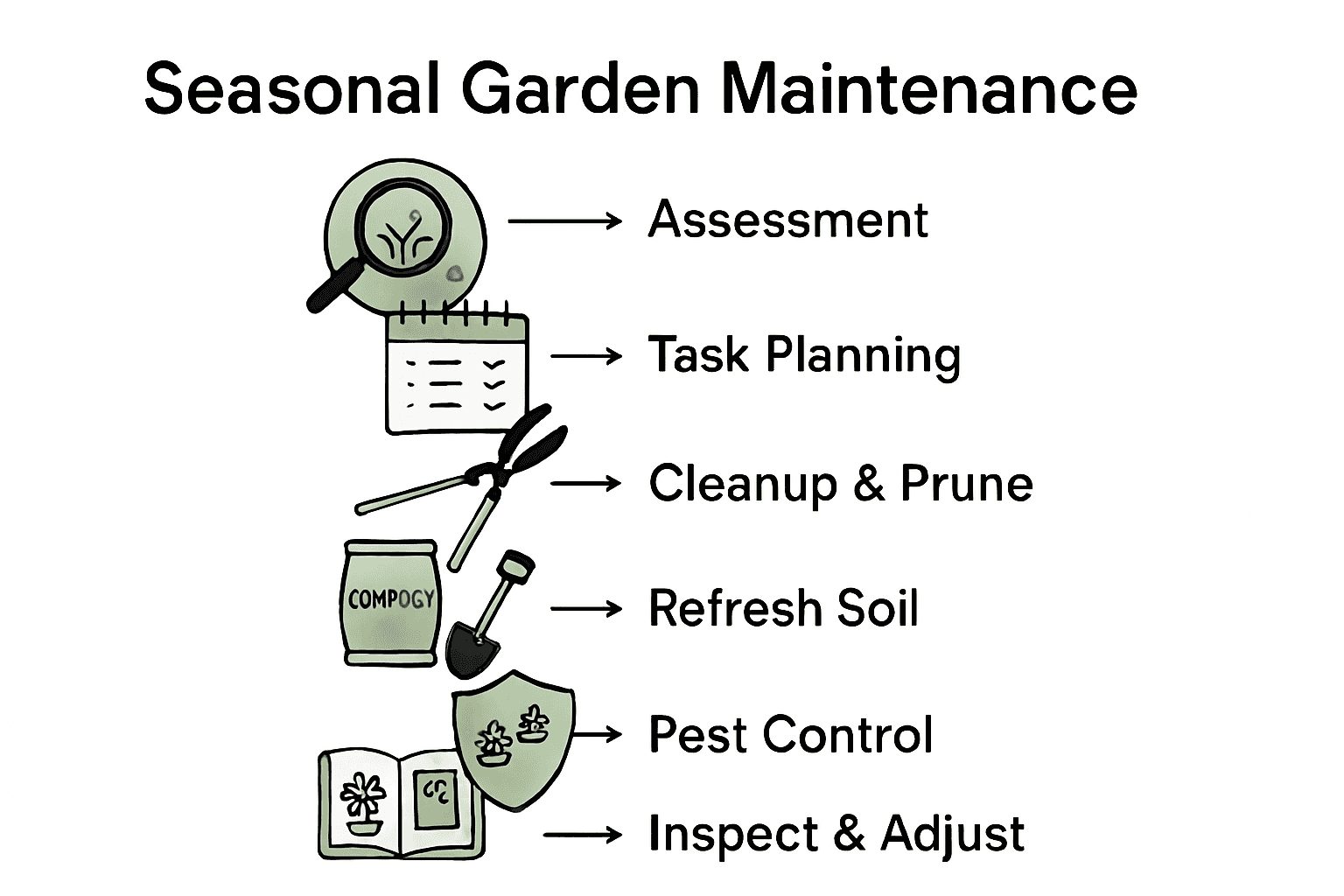
Quick Summary
| Key Point | Explanation |
|---|---|
| 1. Assess garden conditions first | Examine soil texture, plant health, and sunlight to identify issues and plan accordingly. |
| 2. Create a detailed gardening calendar | Organize seasonal tasks and necessary supplies ahead of time for efficient maintenance. |
| 3. Clean up debris and prune effectively | Remove dead material and prune wisely to promote plant health before new growth. |
| 4. Enhance soil with amendments | Test soil and add organic matter to enrich it, supporting better plant development. |
| 5. Implement preventative pest control | Regularly inspect for pests and use organic methods to maintain a healthy garden environment. |
Step 1: Assess Current Garden Conditions
Knowing your garden’s starting point is crucial for successful seasonal maintenance. According to the 6 Season Garden Maintenance Guide, evaluating current garden conditions sets the foundation for strategic plant care and productivity.
Start your garden assessment with a comprehensive walkthrough. Grab a notebook and examine each garden area systematically. Check your soil texture first. Dig a small hole about 6 inches deep and feel the soil. Is it sandy? Clay-like? Crumbly and rich? Note any compaction, unusual discoloration, or areas where plants seem stressed. The Garden Leadership Committee Toolkit recommends evaluating soil health as a critical first step in garden maintenance.
Pay special attention to plant vigor. Look for signs of disease such as yellowing leaves, unusual spots, wilting, or stunted growth. Inspect root systems when possible by gently removing a plant or examining exposed roots. Track which areas of your garden receive the most sunlight and note any microclimates that might impact plant growth. This methodical approach transforms a simple garden check into a strategic planning session for your upcoming seasonal maintenance.
Step 2: Plan Seasonal Tasks and Gather Supplies
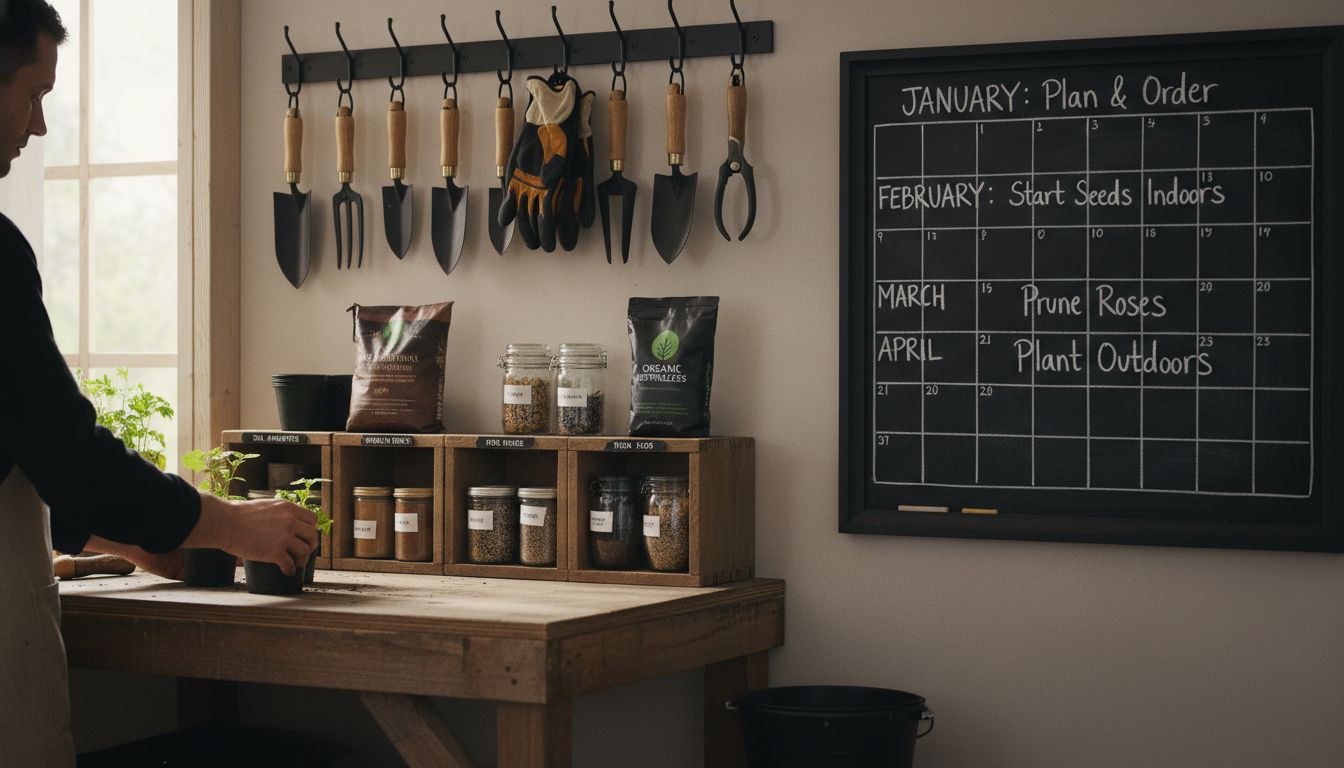
Effective garden maintenance starts with strategic planning and preparing the right supplies. According to the Guide to Getting Started, developing a month-by-month task breakdown helps gardeners stay organized and proactive throughout the growing season.
Begin by creating a comprehensive gardening calendar. Pull out a notebook or digital planner and map out key activities for each season. The 6 Season Garden Maintenance Guide recommends categorizing tasks like soil preparation, planting, fertilizing, pruning, and pest management. For each task, list the specific supplies youll need. Stock up on essentials such as gardening gloves, hand tools, pruning shears, soil amendments, seeds, and organic fertilizers well in advance.
Pro tip: Consider creating a dedicated storage area for your gardening supplies to keep everything organized and easily accessible. By planning ahead and gathering your materials early, youll be ready to tackle each seasonal task efficiently.
 Check out our vegetable garden planning guide for additional insights into creating a structured approach to garden management.
Step 3: Clean Up Debris and Prune Plants
Garden cleanup and pruning are essential steps in maintaining a healthy landscape. According to the 6 Season Garden Maintenance Guide, seasonal debris removal and strategic pruning promote plant health and prepare your garden for upcoming growth cycles.
Start by systematically removing fallen leaves, dead branches, and organic debris from your garden beds and around plant bases. The Guide for Seasonal Garden Maintenance recommends using clean, sharp pruning tools to prevent plant damage and disease transmission. Focus on removing dead or diseased plant material first. When pruning, make clean cuts at a 45-degree angle just above a leaf node or bud. For each plant type, use specific pruning techniques some plants prefer light trimming while others require more aggressive cutting.
Pro tip: Always clean and disinfect your pruning tools between different plants to prevent potential spread of diseases. After clearing debris and pruning, you will have created a clean slate for your garden to thrive.
If you need specific guidance on leaf cleaning, check out our how to clean plant leaves resource for additional detailed instructions.
Step 4: Refresh Soil and Add Amendments
Soil rejuvenation is a critical step in maintaining a thriving garden ecosystem. According to the 6 Season Garden Maintenance Guide, adding organic matter and nutrients can significantly enhance soil fertility and structure for optimal plant growth.
Begin by conducting a comprehensive soil assessment. The Guide for Seasonal Garden Maintenance recommends testing your soil to understand its current nutrient profile and pH levels. Based on your test results, select appropriate amendments such as compost, aged manure, or specific mineral supplements. Work these amendments into the top 6 to 8 inches of soil using a garden fork or tiller. Focus on creating a balanced environment that supports beneficial microorganisms and provides essential nutrients for your plants.
Pro tip: Different plants have unique soil requirements. For vegetable gardens, consider adding nutrient rich compost. Check out our best compost for vegetables guide to ensure youre using the most appropriate amendments for your specific garden needs. Remember that healthy soil is the foundation of a successful garden an investment that pays dividends throughout the growing season.
Step 5: Implement Pest Control and Preventative Care
Protecting your garden from pests requires a strategic and proactive approach. According to the 6 Season Garden Maintenance Guide, integrated pest management focuses on monitoring, prevention, and targeted control measures to safeguard plant health.
Begin by conducting regular garden inspections. The Guide for Seasonal Garden Maintenance recommends walking through your garden at least weekly to identify early signs of pest activity. Look for unusual leaf discoloration, chew marks, or unusual insect populations. Implement preventative strategies like companion planting, maintaining garden cleanliness, and encouraging beneficial insects. When interventions are necessary, prioritize organic and least toxic methods such as neem oil, insecticidal soaps, or manual removal of pest populations.
Pro tip: Create a diverse garden ecosystem that naturally deters pests. By understanding pest behavior and implementing natural pest control strategies, you can protect your plants while maintaining a balanced and healthy garden environment. Remember that prevention is always more effective than treating a full blown infestation.

Step 6: Inspect Results and Adjust Maintenance Plans
Successful gardening requires continuous learning and adaptation. According to the 6 Season Garden Maintenance Guide, regular evaluations of garden outcomes are essential for developing effective long term maintenance strategies.
Start by documenting your gardens performance throughout the growing season. The Garden Leadership Committee Toolkit recommends creating a detailed garden journal to track plant growth, pest challenges, soil conditions, and overall productivity. Note which plants thrived and which struggled. Analyze the potential reasons for success or failure consider factors like sunlight exposure, soil quality, watering frequency, and pest interactions. Use these insights to make targeted adjustments to your gardening approach for the next growing season.
Pro tip: Take photographs at different stages of growth to create a visual record of your gardens progress. These images can help you identify patterns and improvements over time. By consistently reflecting on and adapting your maintenance plans, youll develop a more resilient and productive garden ecosystem.
Master Your Garden Maintenance with Expert Guidance
Seasonal garden care can feel overwhelming when you face soil issues, unexpected pests, or uncertain pruning techniques. This step-by-step success guide highlights the challenge of balancing tasks like soil rejuvenation, pest control, and regular assessments to keep your garden thriving year-round. You deserve a simple way to turn those maintenance goals into satisfied blooms and bountiful harvests.
At Lushy Gardens, we understand the desire for practical, reliable advice rooted in real gardening experience. Dive into our Gardening Tips – Lushy Gardens for proven strategies on everything from soil amendments to natural pest control. Explore sustainable practices in our Sustainable Gardening – Lushy Gardens section that help your garden flourish responsibly. Start transforming your seasonal routine today by visiting Lushy Gardens and unlock expert guidance designed to boost your garden’s health and your confidence. Take control of your garden’s success now and watch your hard work bloom beautifully.
Frequently Asked Questions
How can I assess my current garden conditions for seasonal maintenance?
Start by conducting a thorough walkthrough of your garden. Take notes on soil texture, plant health, and sunlight exposure to create a detailed plan for upcoming maintenance tasks.
What tasks should I include in my seasonal gardening calendar?
Create a month-by-month breakdown of tasks such as soil preparation, planting, fertilizing, pruning, and pest management. This organized schedule will help you stay proactive and ready for each growing phase throughout the season.
What is the best way to clean up debris and prune plants for seasonal maintenance?
Systematically remove fallen leaves and dead branches while using clean, sharp tools for pruning. Focus on cutting away dead or diseased material first to promote healthier growth this season.
How do I refresh my garden’s soil and add amendments?
Begin by testing your soil to determine its nutrient profile. Based on the results, incorporate organic matter or specific minerals into the top 6 to 8 inches of soil to enhance fertility and support plant growth.
What pest control strategies should I implement for my garden?
Conduct regular inspections to spot early signs of pests, and prioritize preventative measures like companion planting and maintaining cleanliness. Use organic or least toxic methods for intervention when necessary to protect your plants without harming the ecosystem.
How can I adjust my maintenance plans based on my garden’s performance?
Document your garden’s progress throughout the season to identify which plants thrived and which struggled. Use this information to adjust future gardening strategies, such as modifying watering schedules or altering plant placements for better sunlight exposure.
Recommended
- Vegetable Garden Planning Made Easy: A Step-by-Step Guide – Lushy Gardens
- Master Garden Tool Maintenance for Longevity – Lushy Gardens
- Master Fall Vegetable Gardening for a Bountiful Harvest – Lushy Gardens
- 7-Step Lawn Maintenance Checklist for Richmond Homeowners – Lawn Popper’s, LLC

I’m Eleanor, a seasoned gardener with over three decades of experience tending to Mother Nature’s creations. Through Lushy Gardens, I aim to share my wealth of knowledge and help fellow plant enthusiasts uncover the wonders of gardening. Let’s dive into this journey together, one leaf at a time.


