
Table of Contents
Nearly 30 million American gardeners grow climbing plants each year, adding vibrant vertical color to their yards. Figuring out the best way to support these plants can be surprisingly complicated, especially when each species grows in its own unique way. Whether you want lush vine walls or a bounty of pole beans, understanding the step-by-step support process can transform your American garden and help your plants reach their fullest potential.
Quick Summary
| Key Point | Explanation |
|---|---|
| 1. Choose the Right Support Structure | Match the support type to your climbing plants’ needs and garden design for optimal growth. |
| 2. Position Supports for Maximum Sunlight | Place supports where plants receive 6-8 hours of sunlight, avoiding strong winds, to promote healthy growth. |
| 3. Secure Plants Gently | Use soft materials to attach climbing plants, ensuring they can grow naturally without damage. |
| 4. Train Vines with Care | Guide young plants towards supports, allowing their natural tendencies to climb while offering gentle support. |
| 5. Regularly Inspect and Adjust | Schedule bi-weekly checks of supports to maintain strength and adjust for growing plants’ needs. |
Step 1: Select the Right Support Structure
Choosing the perfect support structure is critical for helping your climbing plants grow strong and healthy. When selecting a support system, you’ll want to consider the specific needs of your plant species, available garden space, and the overall aesthetic you want to create.
Start by evaluating your plant’s natural growth habits. Some plants, like pole beans and pole peas, naturally climb and twine around supports, while others, such as tomatoes, benefit from more structured trellising techniques. Vertical gardening techniques vary widely depending on plant type, so understanding your specific plant’s requirements is key.
Consider material options that match your garden’s environment and design. Wood stakes, metal trellises, bamboo poles, and wire mesh all provide unique advantages. Wooden structures blend beautifully with natural landscapes, while metal supports offer durability and strength for heavier climbing plants. Lightweight materials like bamboo work great for delicate climbers, and wire mesh provides excellent support for plants with tendrils or weak stems.
Pro tip: Measure your climbing plants’ expected mature height before installing supports to ensure you choose a structure tall enough to accommodate their full growth potential.
Here is a comparison of common support structure materials and their best applications:
| Material | Ideal For | Durability | Visual Impact |
|---|---|---|---|
| Wood Stakes | Medium-weight climbers | Moderate | Natural, rustic appearance |
| Metal Trellis | Heavy or vigorous climbers | High | Modern, sturdy look |
| Bamboo Poles | Delicate, lightweight vines | Moderate | Subtle, organic effect |
| Wire Mesh | Tendril-forming plants | High | Functional, minimalistic |
Step 2: Position Supports for Optimal Growth
Positioning support structures correctly is crucial for ensuring your climbing plants thrive and reach their full potential. Your goal in this step is to create an environment that maximizes plant growth, sunlight exposure, and overall health.
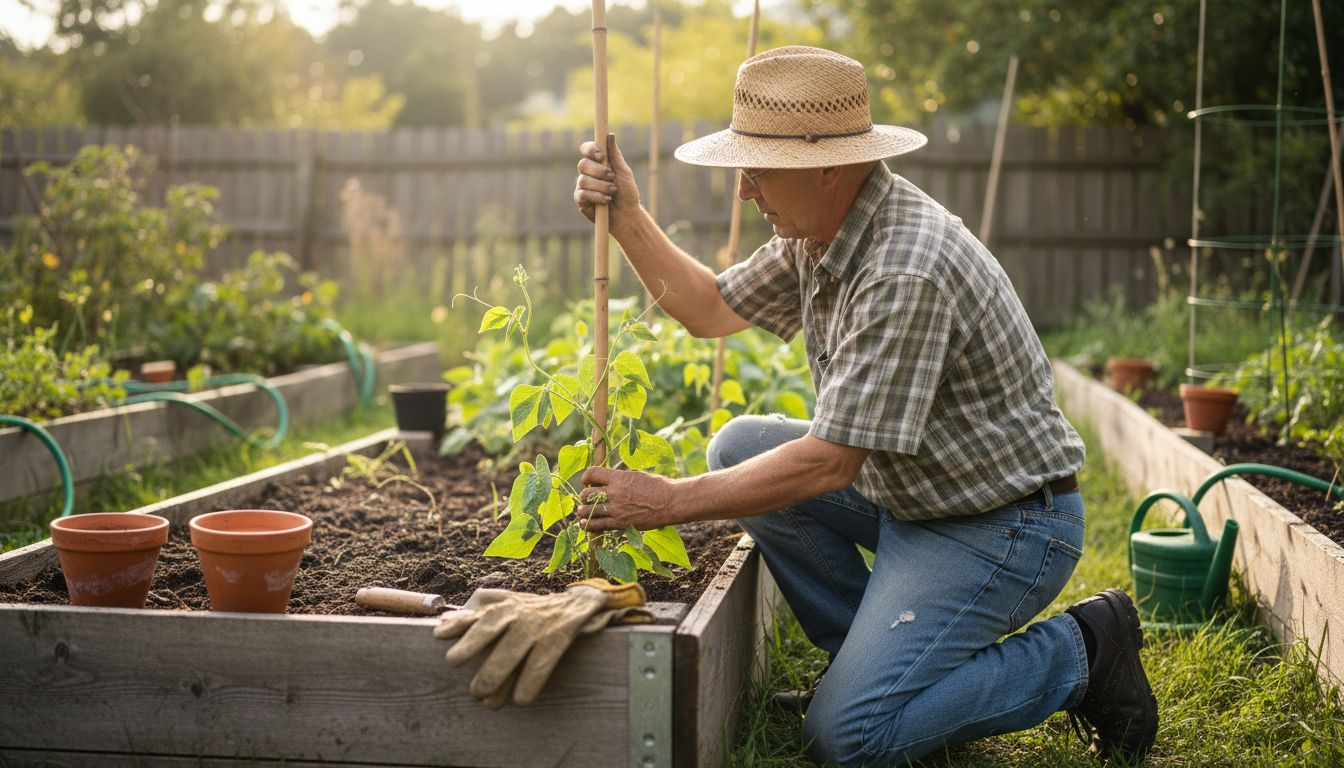
Strategic placement of garden supports involves careful consideration of several key factors. Start by identifying areas in your garden with consistent sunlight and protection from harsh winds. Most climbing plants require at least 6 to 8 hours of direct sunlight daily, so observe your garden’s light patterns throughout the day. Avoid locations with excessive shade or areas prone to strong wind gusts that could damage delicate plant structures.
When installing your supports, ensure they are positioned securely in the ground with enough stability to withstand plant weight and weather conditions. Space multiple supports appropriately to allow each plant adequate room for growth and prevent overcrowding. For trailing plants like beans or peas, create a slight angle toward the sun to optimize light absorption and encourage even growth. Remember that proper positioning not only supports plant development but also makes maintenance and harvesting much easier.
Pro tip: Use a garden stake or stick to mark potential support locations and observe sunlight patterns for a few days before final installation to ensure optimal plant placement.
Step 3: Secure Plants Without Causing Damage
Attaching climbing plants to their supports requires a gentle touch and careful technique to prevent injury to delicate stems and ensure healthy growth. Your primary goal is to create a secure connection that allows plants to climb naturally without restriction.
Proper plant securing techniques involve using soft materials that provide flexibility and protection. Avoid using hard wire, plastic ties, or anything that might cut into the plant stems. Instead, choose soft cloth strips, specialized plant ties, or stretchy gardening bands that can expand as your plants grow. When wrapping ties around stems, keep them loose enough to allow natural movement and growth. A good rule of thumb is to create a figure eight pattern with the tie connecting the plant to the support, which distributes pressure and prevents direct stem compression.
As your plants mature, regularly inspect and adjust your ties to accommodate their changing structure. Some climbing plants like beans and peas will naturally twine around supports, while others might need more careful guidance. Watch for areas where stems might become stressed or compressed, and be prepared to gently reposition ties as needed. This ongoing attention prevents damage and supports robust plant development.
Pro tip: Keep a pair of clean scissors nearby to trim and replace plant ties as they become worn or too tight, ensuring your climbing plants remain healthy and well supported.
Step 4: Train Vines to Climb Effectively
Training climbing plants to grow along their supports requires patience, consistent attention, and a gentle approach. Your goal is to guide your plants strategically while allowing them to develop their natural climbing characteristics.
Vine training techniques begin when plants are young and most flexible. Start by identifying the primary growing shoots and gently guiding them toward the support structure. For plants with tendrils or twining characteristics, create initial contact points where the plant can naturally grab onto the support. Some vines like pole beans will quickly wrap themselves around supports, while others might need more deliberate guidance.
As your plants grow, check their progress weekly and help redirect any wayward stems. Carefully weave new growth through support structures, being mindful not to break delicate stems. Different plant types require different training approaches some will need loose ties to help them attach, while others will naturally climb once they make initial contact. Pay attention to each plant’s unique growth pattern and adjust your training technique accordingly.
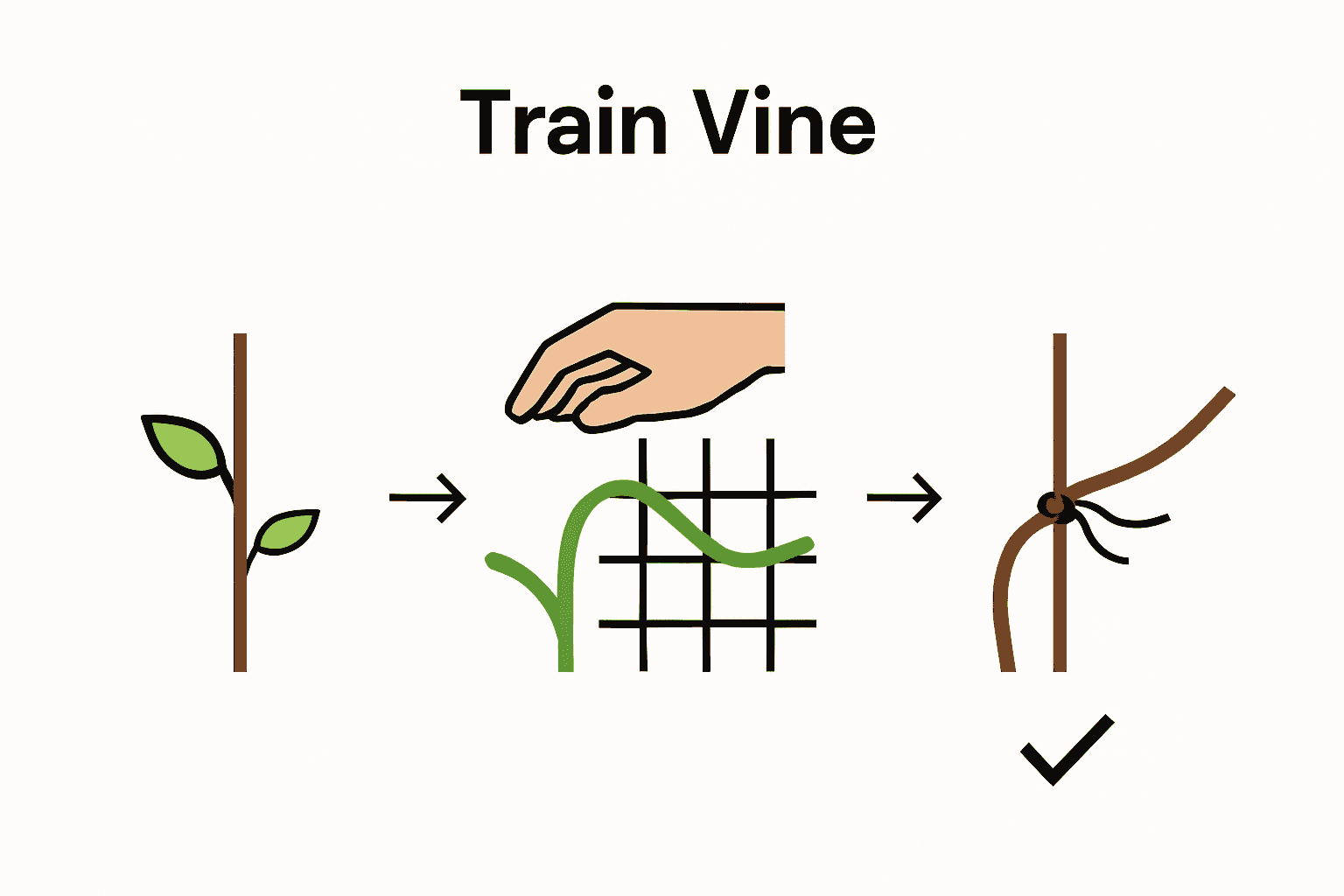
Pro tip: Use soft plant clips or lightweight garden twine to create gentle guidance points that allow your vines to climb naturally without restricting their growth.
Step 5: Check and Adjust Supports Regularly
Maintaining your climbing plant supports is an ongoing process that requires consistent attention and proactive care. Your goal is to ensure the structural integrity of your support system and prevent potential damage to your growing plants.
Support structure maintenance techniques involve a systematic approach to inspection and adjustment. Plan to examine your plant supports at least once every two weeks during the active growing season. Look for signs of stress such as leaning structures, loose connections, or areas where the support is starting to bend under plant weight. Pay special attention to wooden stakes that might be rotting at ground level, metal supports showing rust, or ties that have become too tight and are constricting plant growth.
As your plants mature, their weight and growth pattern will continuously challenge the initial support setup. Be prepared to add additional ties, reinforce weak points, or even replace entire sections of your support structure if needed. Some plants grow more aggressively than others and might require more frequent adjustments. For instance, vigorous climbers like pole beans or certain varieties of cucumbers can quickly overwhelm a poorly maintained support system.
Pro tip: Create a simple garden maintenance calendar with specific dates for checking and adjusting your plant supports to ensure you never miss an important inspection.
Here’s a quick reference for troubleshooting common climbing plant support issues:
| Problem | Likely Cause | Recommended Solution |
|---|---|---|
| Leaning support | Inadequate anchoring | Reinforce or reposition upright |
| Stem damage at ties | Ties too tight/hard | Replace with soft, loose ties |
| Excessive shade on plant | Poor sunlight placement | Move support to sunnier location |
| Rusted metal structures | Weather exposure | Use rust-resistant materials |

Master Natural Climbing Support with Expert Help
Supporting climbing plants naturally can be challenging when you want to protect delicate stems while promoting healthy growth. This guide highlights key goals such as choosing the perfect support structure, securing plants gently, and training vines to climb effectively. If you find yourself seeking ways to make your garden more vibrant by creating strong, beautiful climbs you can rely on expert advice and practical solutions at your fingertips.
Explore our collection of DIY Projects to discover creative ideas for building your own natural support systems. For essential tips on plant care that prevent damage and encourage growth, visit our Plant Care section. Whether you are starting with outdoor vines or integrating climbing plants indoors, Lushy Gardens offers the reliable, step-by-step guidance you need to succeed now.
Start cultivating thriving climbing plants today and transform your garden into a lush retreat. Visit Lushy Gardens to unlock more expert insights and practical gardening tips.
Frequently Asked Questions
How do I choose the right support structure for my climbing plants?
Choosing the right support structure depends on the specific needs of your climbing plants, their growth habits, and the materials available. Evaluate whether your plants are light or heavy climbers, then select from options like wooden stakes, metal trellises, bamboo poles, or wire mesh to suit their requirements.
What is the best way to position supports for climbing plants?
Position supports in areas that receive at least 6 to 8 hours of direct sunlight daily, ensuring they are secure enough to withstand the plants’ weight. Aim to observe sunlight patterns in your garden for a few days before placing supports to maximize light exposure and prevent potential damage from wind.
How should I secure climbing plants to their supports without causing damage?
Use soft materials like cloth strips or stretchy gardening bands to attach climbing plants to their supports, ensuring they aren’t too tight. This will allow the plants to grow naturally while preventing damage to their delicate stems, adjusting ties as needed to accommodate growth.
When should I train my climbing vines for optimal growth?
Start training your climbing vines when they are young and most flexible, guiding their primary shoots towards the support structure. Check their progress weekly and gently weave any wayward stems back onto the support, allowing them to climb naturally as they grow.
How often should I check and adjust my supports for climbing plants?
Inspect your climbing plant supports at least once every two weeks during the growing season to ensure stability and prevent stress on the plants. Look for leaning structures or ties that need adjustment and be prepared to reinforce supports as plants mature.
Recommended
- How to Save Dying Plants Naturally: Step-by-Step Guide – Lushy Gardens
- How to Repot Plants for Healthy Growth: Step-by-Step Guide – Lushy Gardens
- How to Hang Plants from Ceiling? – Lushy Gardens
- Hanging Plant Care: Essential Tips for Healthy Growth – Lushy Gardens
- Pourquoi les plantes naturelles sont essentielles dans un aquarium ?

I’m Eleanor, a seasoned gardener with over three decades of experience tending to Mother Nature’s creations. Through Lushy Gardens, I aim to share my wealth of knowledge and help fellow plant enthusiasts uncover the wonders of gardening. Let’s dive into this journey together, one leaf at a time.


