
Table of Contents
Most American gardeners believe extra fertilizer guarantees bigger harvests, but over 40 percent of plant problems come from incorrect feeding rather than bugs or disease. Knowing the truth about plant nutrition can save your seedlings from withering and your vegetables from weak yields. By separating fact from fiction, you will learn to nourish your plants with exactly what they need and get practical tips to help every leaf and root flourish indoors or out.
Key Takeaways
| Point | Details |
|---|---|
| Understand Nutrient Needs | Plants require specific combinations of macro and micronutrients for optimal growth, tailored to species. |
| Avoid Over-Fertilization | Excessive fertilizer can harm plants; precision is key in application based on soil tests and plant type. |
| Recognize Deficiency Symptoms | Each nutrient deficiency presents unique symptoms, requiring careful observation and testing for accuracy. |
| Consider Environmental Impact | Sustainable fertilization practices minimize runoff and promote long-term soil health alongside crop yield. |
Defining Plant Nutrition and Common Myths
Plant nutrition represents the systematic process of providing essential nutrients that enable plant growth, development, and overall health. Just like humans require balanced diets, plants need a precise combination of macro and micronutrients to thrive. Plant nutrition fundamentals involve understanding how different nutrients contribute to critical biological functions.
At its core, plant nutrition involves supplying key elements like nitrogen, phosphorus, potassium, and trace minerals through soil, water, and supplemental fertilizers. These nutrients play unique roles: nitrogen supports leaf growth, phosphorus promotes root development and flowering, while potassium enhances overall plant resilience. Contrary to popular misconceptions, plant nutrition isn’t just about adding random fertilizers, but strategically addressing specific nutritional needs based on plant species and growth stages.
Several persistent myths can misguide gardeners. One common misconception is that more fertilizer always equals better plant health. In reality, excessive nutrients can damage root systems and disrupt nutrient absorption. Another myth suggests all plants require identical nutritional approaches. Different plant varieties have distinct nutritional requirements – what nourishes a tomato plant might harm a succulent. Understanding these nuanced differences helps gardeners create targeted nutrition strategies.
Pro tip: Conduct a simple soil test before applying any fertilizers to understand your garden’s precise nutrient profile and avoid unnecessary supplementation.
Essential Nutrient Types and Functions
Plants require a complex array of nutrients categorized into two primary groups: macronutrients and micronutrients. Nutrient management strategies reveal that these essential elements play critical roles in plant growth, development, and overall health. Macronutrients are required in larger quantities and include primary nutrients like nitrogen, phosphorus, and potassium, as well as secondary nutrients such as calcium, magnesium, and sulfur.
Nitrogen stands as the most crucial macronutrient, driving chlorophyll production and leaf growth. Phosphorus supports root development, energy transfer, and flowering processes, while potassium enhances plant resilience and disease resistance. Secondary nutrients like calcium contribute to cell wall formation and root development, magnesium plays a key role in photosynthesis, and sulfur assists in protein formation. These nutrients work synergistically, with each element performing unique and interconnected functions within plant systems.
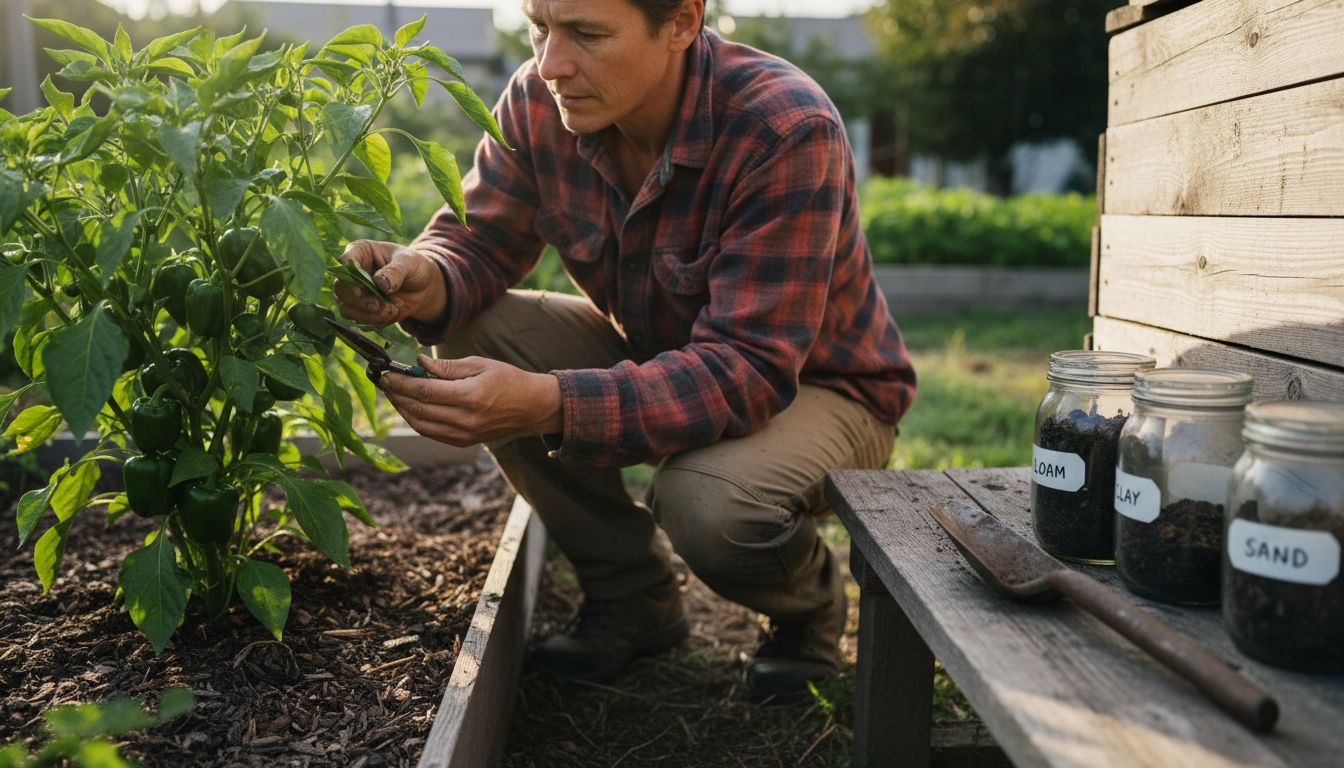
Micronutrients, though required in smaller quantities, are equally vital for plant health. Elements like iron, manganese, boron, zinc, copper, molybdenum, and chlorine enable critical enzymatic processes and metabolic functions. Even slight deficiencies in these trace elements can significantly impact plant growth, leading to reduced vigor, stunted development, and decreased crop yields. Understanding the precise roles of each nutrient helps gardeners create targeted fertilization strategies that address specific plant needs.
Pro tip: Conduct periodic soil tests to identify potential nutrient deficiencies and create a customized fertilization plan tailored to your specific garden’s requirements.
Here’s a quick summary of essential plant nutrients and their primary roles:
| Nutrient Type | Key Examples | Main Function |
|---|---|---|
| Primary Macronutrients | Nitrogen, Phosphorus, Potassium | Growth, flowering, resilience |
| Secondary Macronutrients | Calcium, Magnesium, Sulfur | Structure, photosynthesis, proteins |
| Micronutrients | Iron, Zinc, Boron, Copper | Enzymes, metabolic processes |
How Plants Absorb Nutrients From Soil
Plant nutrient absorption is a complex biological process fundamentally dependent on water and root systems. Water transport mechanisms reveal that nutrients are dissolved in soil water and actively absorbed through microscopic root hairs. These specialized root structures create an extensive network that maximizes surface area, allowing plants to efficiently extract essential minerals and chemical compounds necessary for growth and development.
The absorption process occurs through two primary mechanisms: passive and active uptake. Passive absorption happens when dissolved nutrients move through root cells via diffusion and osmosis, following concentration gradients. Active absorption requires plants to expend energy, using specialized protein channels to transport nutrients against concentration gradients. Soil composition plays a critical role in this process, with clay particles and organic matter acting as nutrient reservoirs that control availability and prevent rapid leaching.
Root zone chemistry determines nutrient accessibility, making soil pH and electrical charge fundamental to absorption efficiency. Positively charged nutrients like calcium and potassium bind to negatively charged soil particles, preventing them from washing away while remaining available for plant uptake. Conversely, extremely acidic or alkaline soils can lock nutrients, rendering them unavailable despite their physical presence. Understanding these intricate interactions helps gardeners create optimal growing conditions that maximize nutrient absorption and plant health.
Pro tip: Improve nutrient absorption by maintaining slightly acidic soil pH between 6.0 and 6.8, which optimizes most plant nutrient availability.
Recognizing and Treating Deficiency Symptoms
Plant nutrient deficiencies manifest through a complex array of visual signals that require careful interpretation. Plant nutrient monitoring techniques reveal distinct symptoms that differ based on which specific nutrients are lacking. Nitrogen deficiency typically presents as overall yellowing of older leaves, starting from the bottom of the plant, while phosphorus shortages result in dark green or purplish leaves and stunted growth. These visual cues serve as critical early warning signs that gardeners must learn to recognize and address promptly.
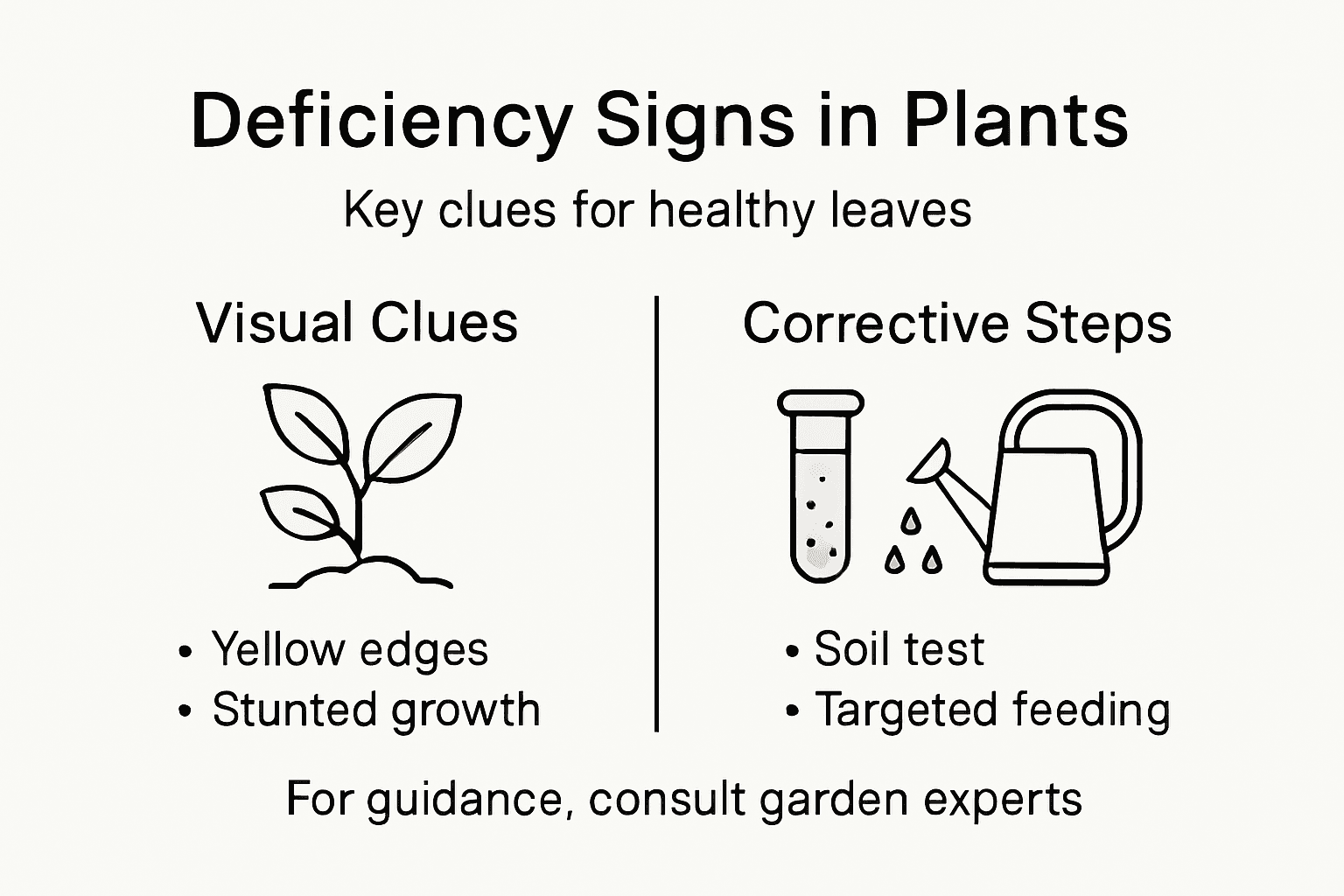
Each nutrient deficiency produces unique diagnostic markers. Potassium-deficient plants exhibit yellowing leaf edges and brown scorching, resembling heat damage. Iron deficiencies create dramatic yellowing between leaf veins, known as interveinal chlorosis, while magnesium shortages produce similar patterns with older leaves showing pronounced yellowing. Calcium deficiencies manifest as severely distorted new growth, with leaf tips and edges becoming brown and crispy. Understanding these specific symptom patterns allows gardeners to conduct targeted interventions before significant plant damage occurs.
Diagnosing nutrient deficiencies requires a systematic approach that goes beyond visual inspection. Soil testing provides the most accurate method for confirming suspected nutrient imbalances. Gardeners should collect soil samples from multiple garden locations, understanding that deficiency symptoms can sometimes mimic plant diseases. Treating deficiencies involves carefully selected fertilizers, organic amendments, and precise application methods tailored to specific plant needs. Some deficiencies can be quickly corrected through foliar sprays, while others require long-term soil conditioning to restore optimal nutrient balance.
Pro tip: Take clear, well-lit photographs of your plant’s deficiency symptoms and compare them with detailed nutrient deficiency reference guides to improve your diagnostic accuracy.
Common Mistakes in Fertilizing and Feeding
Fertilizing plants seems straightforward, but numerous pitfalls can compromise plant health and garden productivity. Fertilizer application techniques reveal that gardeners frequently make critical errors that can harm plants and waste resources. The most prevalent mistake is over-fertilization, where gardeners apply nutrients indiscriminately without understanding their plants’ specific requirements. This approach can lead to salt buildup, root damage, and excessive vegetative growth at the expense of flowering or fruit production.
Another significant error involves improper timing and placement of fertilizers. Applying nutrients at the wrong growth stage or directly against plant stems can cause chemical burns and disrupt root systems. Different plant types require unique fertilization schedules – what works for tomatoes might devastate succulents. Gardeners often incorrectly assume a one-size-fits-all approach, neglecting to consider factors like plant species, soil composition, seasonal variations, and individual growth stages. Understanding these nuanced differences is crucial for developing targeted fertilization strategies.
Environmental considerations represent another critical aspect of fertilization many gardeners overlook. Excess nutrients can leach into groundwater, creating ecological problems beyond individual garden boundaries. Sustainable fertilization requires careful measurement, organic alternatives, and an understanding of nutrient absorption rates. Slow-release organic fertilizers, compost, and precise application methods can minimize environmental impact while providing consistent nutrition. Gardeners must think holistically, recognizing that fertilization is not just about immediate plant growth but long-term soil health and environmental sustainability.
Pro tip: Always conduct a soil test before fertilizing and measure nutrients precisely to avoid over-application and potential plant damage.
This table compares common fertilizer mistakes and their consequences:
| Fertilizer Error | Typical Cause | Impact on Plants |
|---|---|---|
| Over-fertilization | Excessive, untargeted use | Root damage, leaf burn |
| Wrong timing | Applying at poor growth stage | Reduced yield, harm to new growth |
| One-size-fits-all | Ignoring plant differences | Species stress, nutrient imbalance |
| Environmental neglect | Not considering runoff | Soil depletion, water pollution |
Unlock Your Garden’s Full Potential with Expert Nutrient Guidance
Understanding the complex world of plant nutrition can feel overwhelming, especially when faced with challenges like nutrient deficiencies, soil imbalances, or the risk of over-fertilization. This article highlights how critical it is to recognize specific nutrient needs and optimize soil conditions to help your plants thrive. If you’ve ever struggled to diagnose yellowing leaves or worried whether you are feeding your garden the right way, you’re not alone.
At Lushy Gardens, we provide practical advice backed by expert insight to help you master plant nutrition fundamentals. Explore our Fertilizers – Lushy Gardens section to discover targeted fertilization strategies and avoid common mistakes. To get your soil ready for healthy nutrient uptake, visit our Soil – Lushy Gardens page for tips on soil testing and pH management. Whether you are a newcomer or looking to deepen your knowledge, our Gardening for Beginners – Lushy Gardens resources offer clear guidance tailored to your needs.
Take control of your garden’s health now by visiting Lushy Gardens. Start creating a thriving, resilient garden today with the right knowledge and tools at your fingertips.
Frequently Asked Questions
What are the main nutrients required for plant growth?
Plants require two primary groups of nutrients: macronutrients, which include nitrogen, phosphorus, and potassium, and micronutrients, like iron, zinc, and boron. These nutrients are essential for various biological functions such as growth, flowering, and overall health.
How do plants absorb nutrients from the soil?
Plants absorb nutrients through their root systems, where microscopic root hairs take up dissolved nutrients from the soil water. This process involves both passive and active uptake mechanisms, dependent on the soil composition and pH levels to optimize nutrient accessibility.
What are common signs of nutrient deficiencies in plants?
Common signs of nutrient deficiencies include yellowing leaves (nitrogen deficiency), dark green or purplish leaves (phosphorus deficiency), and brown leaf edges (potassium deficiency). Each nutrient deficiency has distinct visual symptoms that help in early diagnosis.
How can I avoid over-fertilization in my garden?
To avoid over-fertilization, it’s important to conduct a soil test to understand existing nutrient levels. Apply fertilizers according to the specific requirements of your plants and follow the recommended application guidelines, timing, and placement to prevent root damage and optimize growth.
Recommended
- Understanding Vegetable Gardening for Beginners: Key Concepts – Lushy Gardens
- Understanding the Best Soil for Vegetables: Key Insights – Lushy Gardens
- 8 Essential Organic Gardening Tips for Beginners – Lushy Gardens
- How to Fertilize Plants Naturally for Healthy Growth – Lushy Gardens
- Hair Nutrition Food: Boosting Growth and Vitality | MyHair

I’m Eleanor, a seasoned gardener with over three decades of experience tending to Mother Nature’s creations. Through Lushy Gardens, I aim to share my wealth of knowledge and help fellow plant enthusiasts uncover the wonders of gardening. Let’s dive into this journey together, one leaf at a time.


