
Table of Contents
More than forty million American households reported limited access to fresh produce last year. Community gardens have become a vital resource for neighborhoods across North America, turning vacant spaces into hubs for healthy food and connection. These shared green areas empower local leaders and urban gardeners to improve food options, encourage sustainable practices, and inspire collective action for stronger communities.
Key Takeaways
| Point | Details |
|---|---|
| Community Gardens as Social Spaces | They serve as vibrant environments that enhance community ties while addressing urban food challenges. |
| Diverse Types of Gardens | Various models, including individual plots and collective gardens, cater to specific community goals and needs. |
| Essential Planning Factors | Thorough site assessment, including soil quality and accessibility, is crucial for successful garden implementation. |
| Funding and Maintenance Strategies | Building partnerships for diverse funding and establishing clear maintenance plans ensure long-term garden viability. |
Understanding Community Gardens and Their Benefits
Community gardens represent more than just plots of land for growing food – they are vibrant social spaces that transform neighborhoods and empower residents. These collaborative gardening spaces have emerged as powerful solutions for addressing urban food challenges while creating strong community connections. Community gardens cultivate fresh produce and social bonds in urban environments across North America and beyond.
These shared agricultural spaces offer multiple interconnected benefits that extend far beyond simple food production. They provide critical access to fresh, nutritious produce in areas often characterized by limited grocery options. Community gardens simultaneously promote physical activity, create opportunities for social interaction, and serve as educational platforms where individuals can learn sustainable agricultural practices. According to public health research, these gardens support social and emotional well-being through collaborative engagement and shared learning experiences.
Community gardens typically function through collaborative models where participants share responsibilities for maintaining the space. These gardens can be located in diverse settings – from residential neighborhoods to school grounds, vacant lots, and public parks. Participants might cultivate individual plots or work collectively to manage shared growing spaces. By bringing together people of different ages, backgrounds, and skill levels, these gardens create unique opportunities for intergenerational learning and community building.
Pro tip: Start small by connecting with local community centers or neighborhood associations to learn about existing garden initiatives or explore opportunities to launch a new community garden project.
Types of Community Gardens and Their Uses
Community gardens come in diverse forms, each designed to meet specific community needs and goals. Community gardens range from individual to collective models, offering flexible approaches to urban agriculture and community engagement. These gardens can be categorized into several distinct types, each serving unique purposes and addressing different community requirements.
One primary type is the individual plot garden, where participants are assigned specific sections of land to cultivate independently. These gardens allow community members to grow their own vegetables, herbs, and flowers while maintaining personal control over their designated spaces. Another model is the collective garden, where participants work together to manage the entire garden, sharing responsibilities and harvests. This approach fosters deeper community connections and can be especially effective in neighborhoods with limited gardening experience.
Specialized community gardens also emerge to address specific community needs. Gardens can support various community objectives such as educational programs, therapeutic interventions, and urban greening initiatives. Some gardens incorporate unique features like fruit orchards, pollinator spaces, or educational demonstration areas that provide additional community benefits beyond food production. School gardens, healing gardens for therapy, and multi-generational learning spaces represent innovative approaches to community garden design.
Here’s a summary of common types of community gardens and their primary uses:
| Garden Type | Main Purpose | Community Benefit |
|---|---|---|
| Individual Plot | Personal food cultivation | Empowerment, autonomy |
| Collective Garden | Shared food production | Social bonds, teamwork |
| School Garden | Youth education | Environmental learning |
| Therapeutic Garden | Health and wellness | Emotional support |
| Pollinator/Orchard | Biodiversity, greening | Ecological sustainability |
Pro tip: Before starting a community garden, conduct a neighborhood survey to understand local interests and potential garden design that will best serve your specific community needs.
Planning and Designing a Community Garden
Comprehensive garden planning requires strategic consideration of multiple interconnected factors that determine a garden’s long-term success. The initial stages involve assembling a dedicated leadership team committed to developing a sustainable and inclusive garden space that meets community needs. This team will be responsible for conducting thorough site assessments, identifying potential locations, and creating a comprehensive implementation strategy.
Site selection represents a critical initial step in community garden development. Ideal locations require careful evaluation of several key factors, including soil quality, sunlight exposure, water accessibility, and proximity to community members. Soil testing becomes essential to understand nutrient levels, pH balance, and potential contamination risks. Additionally, gardens should be situated in areas with convenient access for participants, considering factors like public transportation routes, parking availability, and walkability.
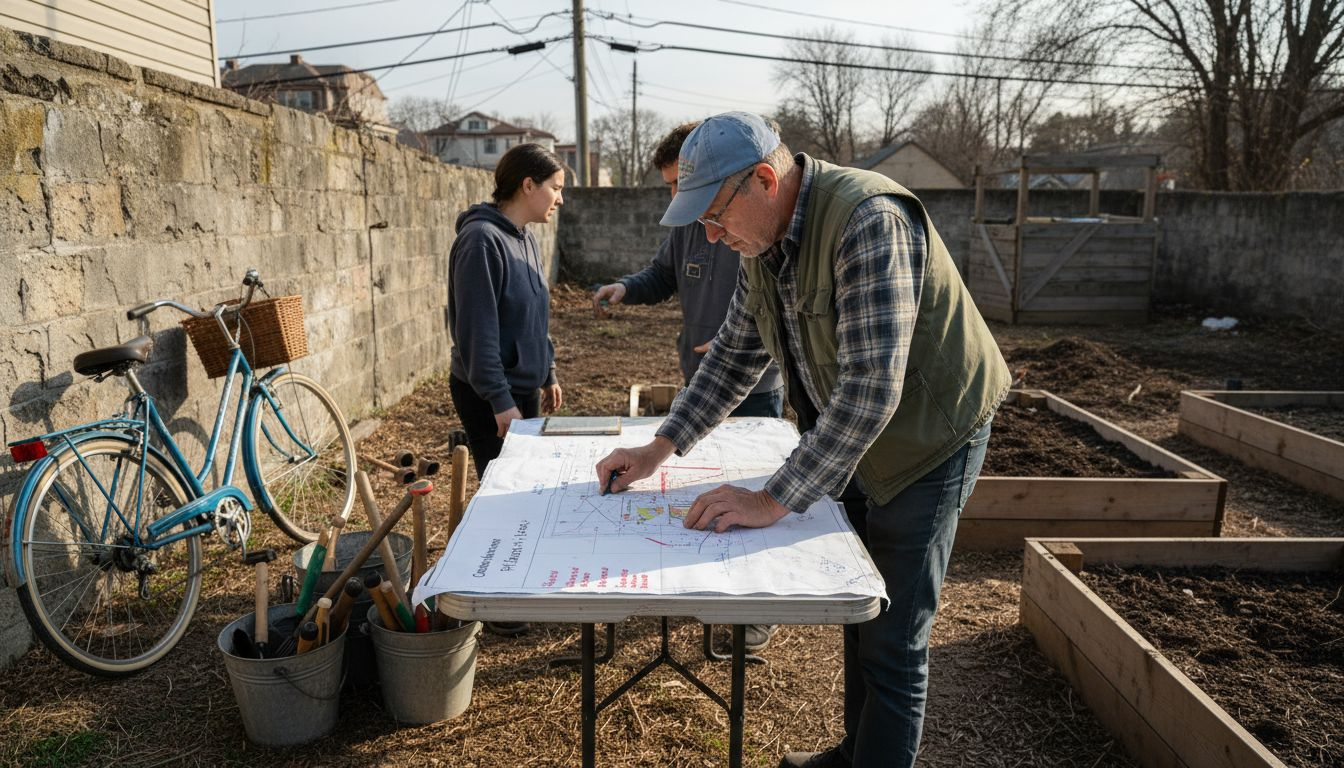
Below is a comparison of essential planning considerations for launching a successful community garden:
| Factor | Why It Matters | Key Details |
|---|---|---|
| Soil Quality | Ensures healthy plant growth | Test for nutrients, contaminants |
| Accessibility | Maximizes participation | Near public transit, parking |
| Water Source | Sustains crops and hygiene | Reliable access is critical |
| Site Sunlight | Determines plant selection | Full/partial sun analysis |
The design process involves creating a detailed conceptual plan that addresses both functional and aesthetic considerations. Garden design requires comprehensive site analysis including drainage patterns, microclimate conditions, and potential growing zones. Successful designs typically incorporate dedicated spaces for individual plots, communal areas, composting stations, tool storage, and potential educational zones. Considerations should include accessible pathways, water irrigation systems, potential shade structures, and flexible spaces that can accommodate various community activities and gardening styles.
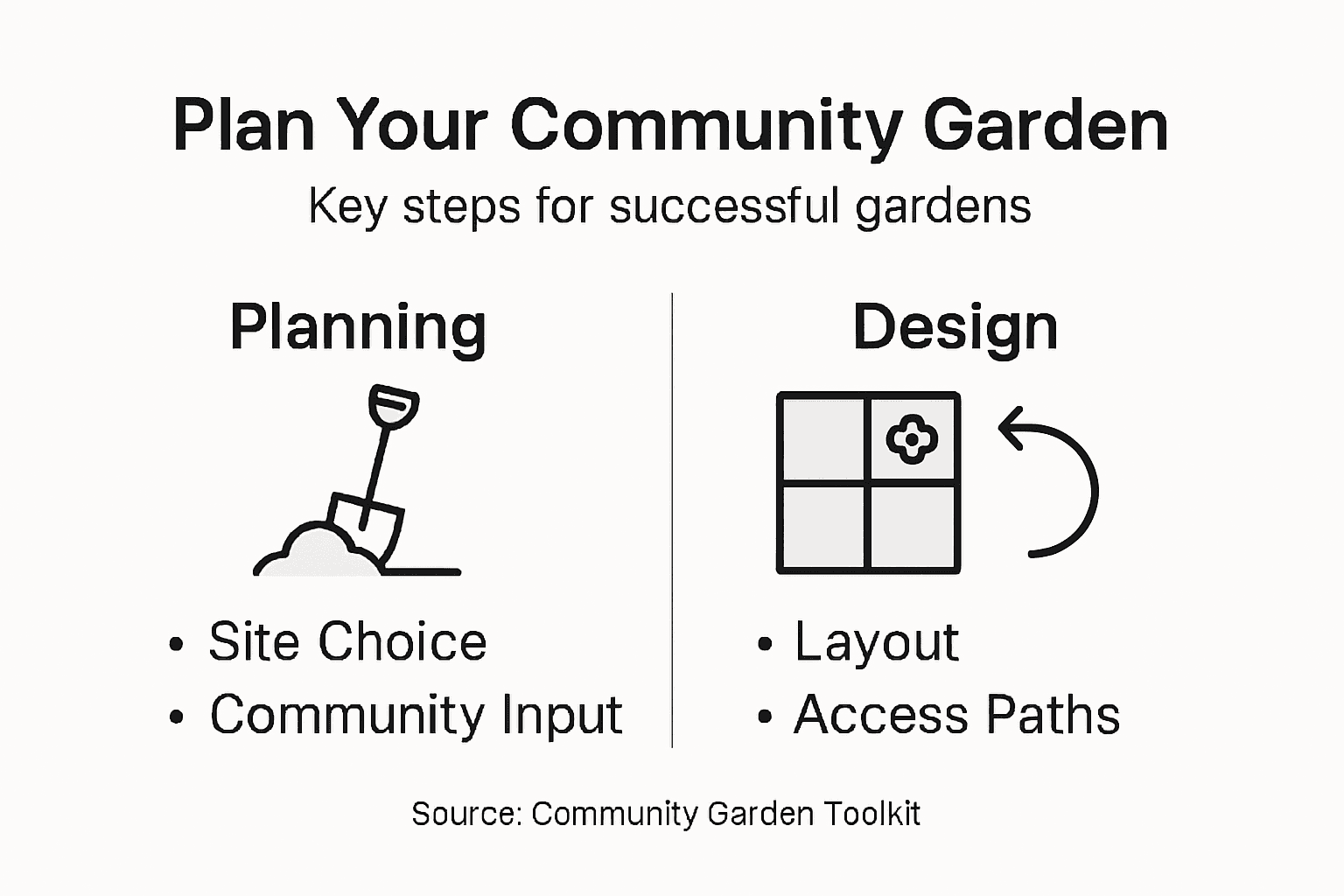
Pro tip: Conduct a community survey to gather input on garden design preferences and ensure the final layout reflects the diverse needs and interests of potential participants.
Securing Funding and Community Support
Community garden funding strategies require a multifaceted approach that combines financial resources with strong community engagement. Successful garden initiatives depend on creating robust partnerships that extend beyond traditional funding sources. This means developing a comprehensive strategy that involves local governments, nonprofit organizations, businesses, and community volunteers who can provide financial, material, and human resources.
Funding sources for community gardens are diverse and can include multiple channels. Grant opportunities represent a critical financial pathway, with potential sources ranging from local government programs to national environmental and community development grants. Nonprofit organizations often provide targeted funding for urban agriculture projects, while corporate sponsorship can offer both financial support and in-kind contributions like tools, soil, or professional expertise. Community fundraising events, such as plant sales, garden tours, and local crowdfunding campaigns, can also generate essential startup and maintenance funds.
Local revenue strategies play a crucial role in ensuring long-term garden sustainability. Establishing a garden committee responsible for financial management can help create transparent funding mechanisms. This committee might develop membership fees, workshop revenues, or produce sales strategies that generate ongoing income. Engaging local businesses as sponsors can provide not just financial support but also create community connections that strengthen the garden’s social infrastructure and long-term viability.
Pro tip: Create a detailed funding proposal that clearly demonstrates the garden’s potential community benefits, including health improvements, neighborhood beautification, and social connection opportunities.
Legal, Safety, and Maintenance Essentials
Legal considerations for community gardens involve a complex framework of permissions, regulations, and responsible management. Securing appropriate land use agreements represents the critical first step, requiring careful negotiation with local property owners, municipal authorities, or land management agencies. Garden organizers must thoroughly research zoning laws, understand potential liability issues, and develop comprehensive documentation that protects both the garden participants and the land stewards.
Safety protocols form another crucial dimension of community garden management. Soil quality testing becomes paramount to ensure the growing environment remains free from contaminants and supports healthy plant development. Establishing clear safety guidelines helps prevent accidents and creates a structured environment for garden participants. These guidelines should comprehensively address tool management, water safety, personal protective equipment requirements, and emergency response procedures. Regular safety training sessions can help garden members understand and implement these critical protocols.
Garden maintenance strategies require systematic and collaborative approaches. Successful gardens develop robust maintenance plans that distribute responsibilities among participants, ensuring consistent care and preventing infrastructure deterioration. Key maintenance activities include regular tool inventory and maintenance, infrastructure repair, pest management, soil health monitoring, and seasonal preparation. Creating a rotating maintenance schedule that involves all garden members helps distribute labor and builds a sense of shared ownership and responsibility.
Pro tip: Develop a comprehensive garden handbook that outlines legal requirements, safety protocols, and maintenance expectations to provide clear guidance for all community garden participants.

Grow Your Community Garden with Expert Guidance and Inspiration
Building a thriving community garden means more than just planting seeds. It involves careful planning, ongoing maintenance, and fostering genuine connections among participants. If you want to overcome challenges like site selection, soil quality, and community engagement this is the moment to take action. At Lushy Gardens, we understand the importance of creating spaces that nurture both plants and people.
Discover practical advice and design ideas tailored for community gardens by exploring our Design Ideas – Lushy Gardens collection. Learn how to protect and improve health while gardening through expert tips found in Gardening & Health – Lushy Gardens. Whether you are a beginner or experienced gardener ready to expand your skills Lushy Gardens is your comprehensive resource. Visit Lushy Gardens now to get inspired and equip yourself with the knowledge to grow food and connections in your community today.
Frequently Asked Questions
What are community gardens?
Community gardens are shared agricultural spaces where individuals or groups collaborate to grow fruits, vegetables, and flowers. They serve not only as places for food production but also foster social connections and community engagement.
What types of community gardens exist?
There are several types of community gardens, including individual plot gardens, collective gardens, school gardens, therapeutic gardens, and specialized gardens like orchards or pollinator spaces. Each type serves different community needs and goals.
How do I start a community garden?
To start a community garden, begin by assembling a leadership team, conducting site assessments, gathering community input, and developing a detailed plan addressing the location, design, funding, and legal considerations.
What are the benefits of community gardens?
Community gardens provide access to fresh produce, encourage physical activity, promote social interaction, and serve as educational platforms for sustainable agricultural practices, enhancing overall community well-being.
Recommended
- Understanding Community Gardening Benefits for All – Lushy Gardens
- 10 Essential Urban Gardening Tips for Plant Lovers – Lushy Gardens
- 4 Vegetable Garden Layouts to Maximize Your Yield – Lushy Gardens
- Growing Vegetables Indoors: Sustainable Food for City Living – Lushy Gardens

I’m Eleanor, a seasoned gardener with over three decades of experience tending to Mother Nature’s creations. Through Lushy Gardens, I aim to share my wealth of knowledge and help fellow plant enthusiasts uncover the wonders of gardening. Let’s dive into this journey together, one leaf at a time.


