
Table of Contents
Turning a plain backyard into an inviting retreat can feel overwhelming, especially when working within a budget. For many American home gardeners, the secret is recognizing the hidden potential already present in your outdoor space. By focusing on creative and sustainable approaches like assessing your garden’s strengths, using smart DIY tools, and incorporating upcycled accents, you can refresh your garden design without overspending.
Quick Summary
| Key Point | Explanation |
|---|---|
| 1. Assess Your Garden’s Potential | Conduct a visual survey to identify strengths and areas for improvement throughout your outdoor space. |
| 2. Gather Versatile Tools | Select multi-functional, budget-friendly gardening tools that enhance your creativity and effectiveness in the project. |
| 3. Upcycle Household Items | Repurpose everyday materials into unique garden features to save costs and personalize your outdoor space. |
| 4. Strategically Place Decor Elements | Utilize vertical interest, lighting, and color to transform your garden through thoughtful decor placements. |
| 5. Review and Refine Design | Regularly evaluate your garden decor to ensure it balances visuals and functionality for personal satisfaction. |
Step 1: Assess Your Garden’s Styling Potential
Transforming your garden into a budget-friendly oasis starts with a strategic assessment of its current potential. Understanding your garden’s underlying design framework is crucial for making smart, targeted improvements that maximize visual appeal and functionality.
To thoroughly evaluate your garden’s styling potential, begin by conducting a comprehensive visual survey. Walk through your outdoor space and make detailed observations about its existing characteristics. Pay close attention to several key elements:
- Existing Plant Composition: Analyze the current vegetation types and their distribution
- Structural Features: Examine hardscaping elements like pathways, borders, and existing structures
- Spatial Layout: Assess how different areas of the garden connect and flow together
Research suggests that urban gardens offer significant opportunities for enhancing both biodiversity and aesthetic value. Garden biodiversity assessment techniques can help you identify strengths and potential improvements in your garden’s design.
Consider taking photographs from multiple angles to help you objectively analyze the space. Look for areas with untapped potential – unused corners, awkward transitions between spaces, or sections that feel disconnected. These zones represent prime opportunities for creative and budget-friendly decoration.
Successful garden styling is about working with your existing landscape, not completely reinventing it.
Pro tip: Take your garden assessment during different times of day to understand how light and shadows interact with your space, revealing hidden design possibilities.
Step 2: Gather Essential Materials and Tools
Preparing for your budget-friendly garden makeover requires carefully selecting the right tools and materials that will maximize your creativity while minimizing expenses. Having the proper equipment can transform your garden styling project from challenging to achievable.
To get started, focus on acquiring a core set of basic gardening tools that will serve multiple purposes. Essential DIY gardening tools can be both cost-effective and surprisingly versatile. Your fundamental toolkit should include:
- Hand Tools: Trowel, pruning shears, garden rake, hand cultivator
- Measuring Equipment: Measuring tape, garden twine
- Protective Gear: Gardening gloves, knee pads
- Soil Preparation Tools: Shovel, spade, wheelbarrow
Consider supplementing your toolkit with multipurpose items that can be repurposed creatively. Old kitchen utensils, recycled containers, and household items can often be transformed into surprisingly effective gardening implements. Look for opportunities to upcycle and reduce unnecessary spending.
Budget-conscious gardeners understand that creativity matters more than expensive equipment.
Pro tip: Check local secondhand stores and online marketplaces for gently used gardening tools, which can save you significant money without compromising quality.
Step 3: Create Unique Upcycled Garden Features
Transforming ordinary household items into extraordinary garden decorations is an exciting way to personalize your outdoor space while staying within budget. Upcycled garden design offers endless possibilities for creative and sustainable garden features that reflect your unique style.
Start by exploring potential upcycling materials around your home. Look for items that can be repurposed into functional and decorative garden elements. Some innovative ideas include:
- Vertical Planters: Repurpose old wooden pallets, ladders, or shipping crates
- Garden Art: Transform tin cans, glass bottles, and metal scraps into sculptural pieces
- Seating Areas: Convert old chairs, wooden crates, or unused furniture into garden seating
- Water Features: Reimagine buckets, wheelbarrows, or large containers as unique water elements
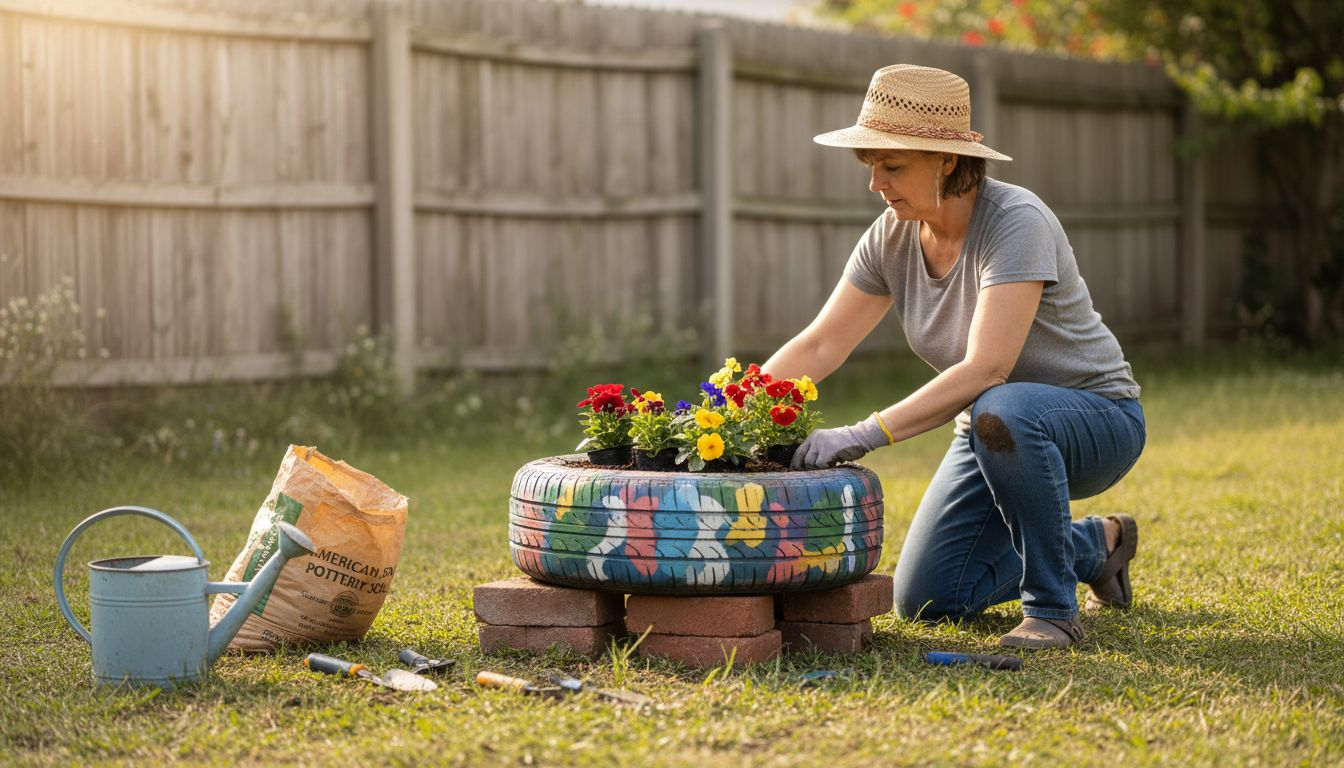
The key to successful upcycling is viewing everyday objects through a creative lens. An old tire can become a colorful planter, a broken ladder might transform into a stunning vertical garden, and discarded wooden pallets can create remarkable outdoor shelving or wall features.
Here is a summary of common upcycled garden features and their unique benefits:
| Upcycled Item | Main Benefit | Creative Possibility |
|---|---|---|
| Wooden pallet | Vertical planting space | Instant wall-mounted garden |
| Tin cans | Cost-effective decor | Custom painted art pieces |
| Old chair | Extra garden seating | Rustic focal point |
| Glass bottle | Light reflection | Colorful garden border |
| Shipping crate | Sturdy planter base | Modular raised bed design |
Creativity transforms trash into treasure – your garden is the perfect canvas for imagination.
Pro tip: Always clean and treat recycled materials thoroughly to ensure they are safe and durable for outdoor use, especially when working with metal or wooden items.
Step 4: Install Decorative Elements and Accents
Bringing your garden to life means strategically placing decorative elements that transform your outdoor space from ordinary to extraordinary. DIY garden decor installations offer creative ways to personalize your landscape with minimal investment and maximum visual impact.
When installing garden accents, consider these key placement strategies to maximize aesthetic appeal:
- Vertical Interest: Use wall-mounted planters, hanging sculptures, or trellises
- Lighting Elements: Incorporate solar lights, lanterns, and string lights
- Color Zones: Create visual depth with painted pots and colorful garden art
- Functional Decor: Select pieces that serve both decorative and practical purposes
Think beyond traditional placement. A repurposed ladder can become a stunning plant stand, while strategically positioned mirrors can create an illusion of expanded space. Consider the overall garden layout and how each accent contributes to the visual narrative of your outdoor environment.
Below is a comparison of different garden accent placement strategies and their effects:
| Placement Type | Visual Effect | Practical Advantage |
|---|---|---|
| Vertical accents | Draw the eye upward | Save ground space |
| Lighting features | Enhance ambiance | Extend evening use |
| Color grouping | Add vibrancy | Highlight specific zones |
| Functional decor | Serve two roles | Boost utility and style |
Small details transform gardens from mere spaces into personal sanctuaries.
Pro tip: Use removable mounting solutions like garden stakes and adjustable hooks to easily experiment with different decorative arrangements without permanently altering your garden.
Step 5: Review and Refine Your Garden Decor
Congratulations on creating your budget-friendly garden makeover! Now comes the crucial stage of evaluating and fine-tuning your design to ensure a cohesive and stunning outdoor space. DIY garden decor refinement involves a thoughtful process of assessment and strategic adjustments.
To effectively review and refine your garden decor, consider these key evaluation criteria:
- Visual Harmony: Check how different elements interact and complement each other
- Functional Balance: Ensure decorative pieces serve practical purposes
- Seasonal Adaptability: Plan for easy updates and rotational decor
- Personal Satisfaction: Trust your aesthetic instincts and emotional connection
Take time to step back and view your garden from multiple perspectives. Photograph your space and analyze the images objectively. Look for areas that feel cluttered, unbalanced, or disconnected. Small tweaks like repositioning a sculpture, adjusting color combinations, or adding strategic lighting can dramatically transform your garden’s overall feel.
Perfecting your garden is an ongoing journey of creativity and personal expression.
Pro tip: Invite friends or family to provide fresh perspectives on your garden design, as outside observations can reveal improvement opportunities you might have missed.
Elevate Your Garden Style Without Breaking the Bank
Creating a beautiful garden on a budget can feel overwhelming when you want style and function combined. This article highlights key challenges you may face such as assessing your garden’s potential, finding affordable tools, and crafting unique upcycled features that reflect your personality. You want practical solutions that spark creativity and maximize every dollar spent while transforming your outdoor space into a personal sanctuary.
At Lushy Gardens, we understand these goals and provide expert guidance to empower your budget-friendly makeover. Explore our Design Ideas to unlock inspiring upcycling projects and decorative accents tailored for any garden layout. Dive into Gardening Tips to learn how to maintain your new features effectively and choose the right tools without overspending. Don’t wait to turn your DIY dreams into reality. Visit us now at Lushy Gardens and start creating a garden that tells your unique story with style and smart budget choices.

Frequently Asked Questions
How can I assess my garden’s styling potential?
Start by conducting a visual survey of your garden, paying attention to existing plants, hardscaping, and spatial layout. Walk through the space, take notes, and photograph areas that seem to have potential for improvement.
What essential tools should I gather for my budget-friendly garden makeover?
Focus on basic gardening tools like a trowel, pruning shears, and measuring tape, along with protective gear. Create a toolkit that includes versatile and cost-effective items, and consider repurposing old household items when possible.
What are some creative upcycling ideas for garden decorations?
Consider turning old wooden pallets into vertical planters or using tin cans as colorful garden art. Explore your home for items that can be transformed into decorative features, such as chairs for seating or buckets for water elements.
How should I position decorative elements in my garden?
When installing decorative accents, think about vertical interest, color grouping, and functional decor. Use removable mounting solutions to experiment with placements and find the best fit for your garden’s overall layout.
What steps can I take to review and refine my garden decoration?
Evaluate your garden by assessing visual harmony and functional balance among the decor elements. After taking a step back and observing your garden from different angles, make small adjustments, like repositioning items or adjusting color combinations, to enhance its appearance.
Recommended
- Wooden Planters for Your Garden or Terrace: How to Build Them and Make Them Last – Lushy Gardens
- Simple Garden Design Ideas for Beginners – Lushy Gardens
- 7 Simple Garden Design Ideas for Beginners – Lushy Gardens
- Essential Tips for Small Gardens to Maximize Your Space – Lushy Gardens
- Unleash Your Creativity with These DIY Wedding Decor Ideas – Adelaide Wedding Venues

I’m Eleanor, a seasoned gardener with over three decades of experience tending to Mother Nature’s creations. Through Lushy Gardens, I aim to share my wealth of knowledge and help fellow plant enthusiasts uncover the wonders of gardening. Let’s dive into this journey together, one leaf at a time.


