
Table of Contents
Over 80 percent of urban residents report feeling frustrated by the limitations of small outdoor spaces, yet smart gardening strategies can completely change the story. For anyone eyeing a thriving green retreat outside their door, the american approach to compact gardening shows that size does not limit success. Discover practical, proven techniques that help you reveal hidden space, make smart plant choices, and create healthier gardens no matter how small your city balcony or patio may be.
Quick Summary
| Insight | Explanation |
|---|---|
| 1. Assess Your Garden Space | Evaluate sunlight, soil, and moisture to identify optimal growing conditions. Document your findings to inform planting strategies. |
| 2. Create a Functional Layout | Design a garden layout that maximizes space efficiency using raised beds and pathways for easy access. Consider vertical solutions as well. |
| 3. Choose Versatile Plants | Select compact plants that are multi-functional, such as drought-tolerant, edible, and pollinator-friendly varieties suitable for limited spaces. |
| 4. Employ Vertical Gardening Techniques | Utilize vertical structures like trellises and wall planters to expand growing capacity, maximizing limited ground space for more plants. |
| 5. Monitor Plant Health Regularly | Track key health indicators like leaf color and growth rate, and utilize sensors for precise monitoring to catch issues early. |
Step 1: Assess Your Space to Uncover Potential
Transforming a small garden starts with understanding exactly what you’re working with. Your initial task is to conduct a thoughtful and strategic assessment of your available gardening space that reveals hidden opportunities for growing amazing plants.
Begin by walking your entire garden area and observing its unique characteristics. Carefully evaluate the garden’s natural conditions and surroundings by documenting key factors like sunlight exposure, soil composition, drainage patterns, and accessibility. Track how sunlight moves across your space throughout the day tracking areas of full sun, partial shade, and deep shade. Use a simple notebook or smartphone app to record these observations. Measure the precise dimensions of your garden area and sketch a rough layout noting existing structures like fences, walls, or permanent landscaping features that might impact your planting strategy.
Pay special attention to soil quality and moisture levels. Matching your garden design to local environmental conditions will dramatically improve plant health and growth potential. Take soil samples from different areas to understand nutrient composition and drainage capabilities. Check for areas with consistent moisture versus zones that might stay dry. Understanding these microclimates within your small space will help you select plants that naturally thrive in those specific conditions.
Pro tip: Create a simple grid map of your garden space marking sun exposure, shade patterns, and soil types to help you plan your most successful planting strategy.
Step 2: Plan Your Layout for Optimal Usage
Now that you understand your garden space, it’s time to transform your observations into a strategic and functional garden design. Your goal is to create a layout that maximizes every square inch of available space while ensuring healthy plant growth and easy maintenance.
Designing garden layouts for small spaces requires creative thinking and intentional planning. Start by creating a detailed sketch of your garden area, marking zones for different plant types and considering how you can use vertical and horizontal spaces efficiently. Consider implementing raised beds or tiered planting areas to increase your growing capacity. These structures not only provide more planting room but also improve soil quality and drainage. Allocate specific zones for different purposes such as vegetable growing, herb sections, and potential ornamental areas.
Urban gardening demands innovative approaches to space utilization. Explore compact planting techniques that maximize your garden’s productivity by incorporating multi-use zones and water-wise irrigation methods. Think about integrating pathways that allow easy access to all planting areas while minimizing soil compaction. Consider using container gardening, hanging planters, and wall-mounted growing systems to expand your potential growing space vertically. Ensure your design includes adequate sunlight exposure and considers the mature size of plants you intend to grow.
Pro tip: Create a modular garden layout that allows flexibility for future expansion and easy reconfiguration as your gardening skills and space needs evolve.
Step 3: Select Compact and Versatile Plants
Transforming your small garden into a thriving green space requires strategic plant selection that maximizes both visual appeal and functional value. Your mission is to choose plants that are not just aesthetically pleasing but also perfectly suited to your limited garden environment.
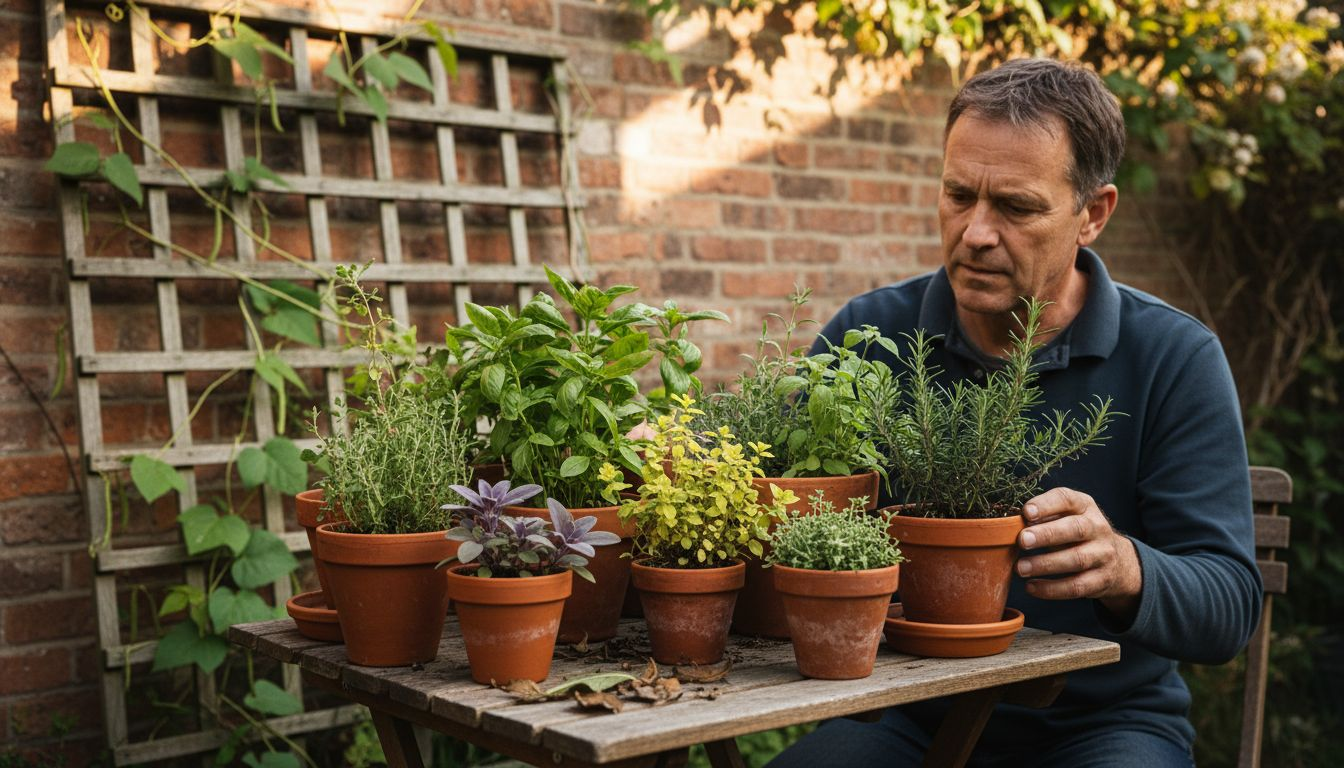
Native plant selections can help you create a compact yet ecologically productive garden by focusing on species that serve multiple purposes. Look for plants that are naturally small or have compact varieties that fit well in tight spaces while providing additional benefits like attracting pollinators or supporting local wildlife. Consider dwarf fruit trees, miniature herb varieties, and container friendly vegetables that produce high yields in minimal areas. Pay attention to each plant’s mature size and growth habits to ensure they won’t overwhelm your garden layout.
Compact plant varieties offer tremendous versatility for small garden spaces) by providing ecological value without consuming excessive room. Prioritize drought tolerant species that require minimal maintenance and can thrive in challenging urban environments. Mix different plant types with varying heights and textures to create visual interest and maximize your growing potential. Some excellent options include container friendly herbs, vertical climbing plants for walls or trellises, and dwarf vegetable cultivars specifically bred for small space gardening.
Pro tip: Select plants with multiple functions such as edible, ornamental, and pollinator friendly to maximize your small garden’s productivity and ecological impact.
Step 4: Utilize Vertical Solutions to Expand Capacity
Taking your small garden to new heights literally means embracing vertical gardening techniques that transform limited ground space into a lush productive area. Your goal is to think beyond traditional horizontal planting and explore innovative ways to grow upward.
Vertical gardening techniques offer remarkable opportunities to maximize growing capacity by strategically using walls, fences, and other vertical surfaces. Consider installing trellises for climbing plants like beans and peas, wall mounted modular planting systems for herbs and compact vegetables, and hanging baskets to create multiple growing layers. Experiment with different structures such as pallet gardens, tiered shelving units, and wire mesh systems that allow plants to grow vertically while maintaining an attractive aesthetic. Look for lightweight containers and specialized mounting hardware designed to support plant weight without damaging your walls or structures.
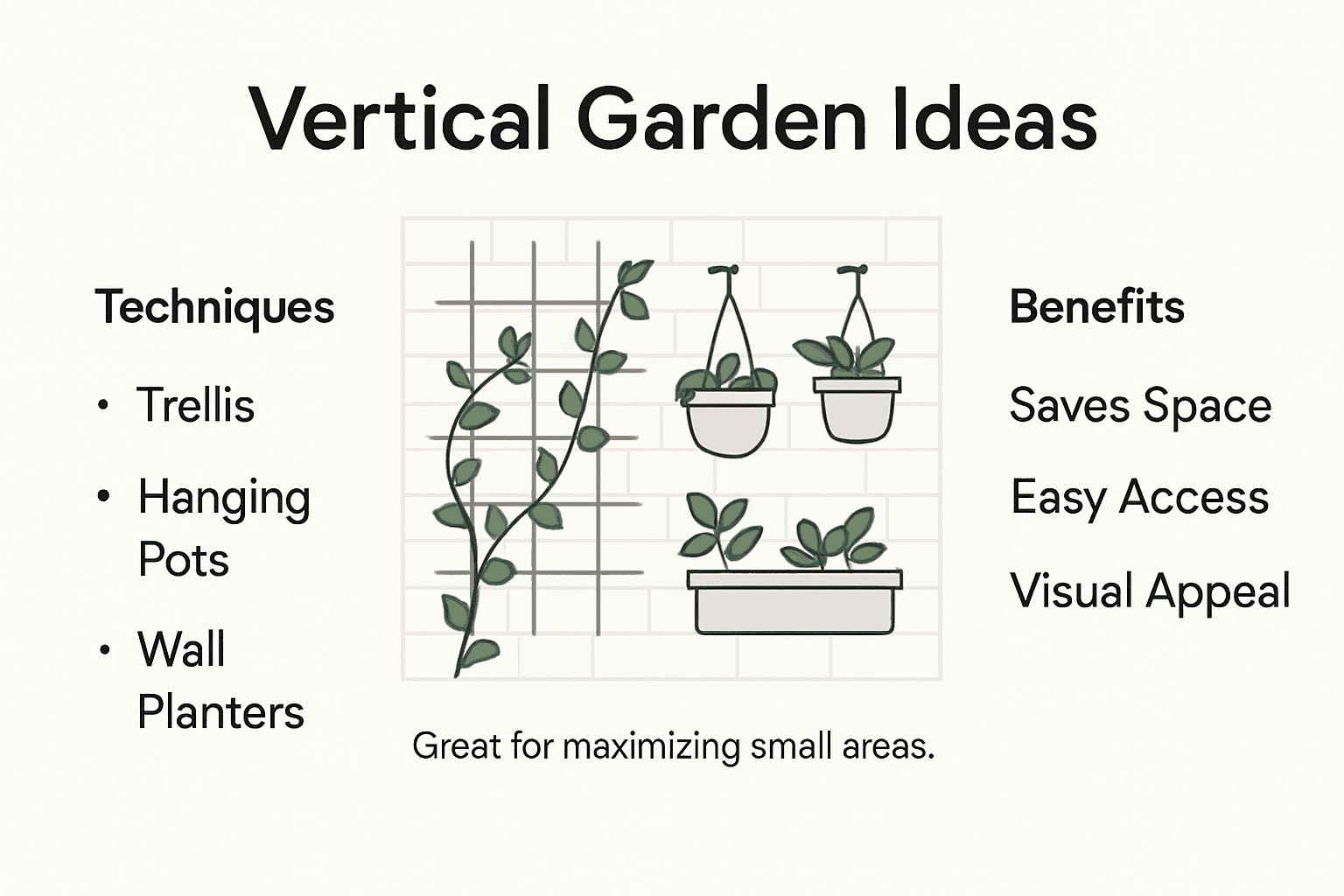
Innovative vertical gardening systems can dramatically transform small outdoor spaces by providing ecological and aesthetic benefits beyond simple space expansion. Select plants specifically suited to vertical growing such as trailing varieties, compact herbs, leafy greens, and lightweight fruiting plants that thrive in suspended or elevated environments. Consider hydroponic and aeroponic systems for particularly space efficient growing methods that allow you to cultivate plants without traditional soil requirements. Pay attention to sunlight exposure drainage and weight distribution when designing your vertical garden to ensure long term plant health and system stability.
Here’s a quick comparison of common vertical gardening solutions and their benefits:
| Vertical System Type | Space Efficiency | Installation Difficulty | Ideal Plant Types |
|---|---|---|---|
| Trellises | High | Easy | Climbing beans, peas, cucumbers |
| Wall-Mounted Planters | Moderate | Moderate | Herbs, leafy greens, small flowers |
| Tiered Shelving Units | Very High | Moderate | Potted vegetables, ornamentals |
| Hanging Baskets | High | Easy | Strawberries, trailing plants |
Pro tip: Choose lightweight growing containers with built in water retention features to minimize maintenance and support healthy vertical plant growth.
Step 5: Test Plant Health to Ensure Success
Monitoring your small garden’s plant health is crucial for maintaining a thriving green space and catching potential issues before they become serious problems. Your goal is to develop a systematic approach to assessing your plants ongoing vitality and growth potential.
Practical methods for measuring plant health involve tracking multiple growth indicators that provide comprehensive insights into your garden’s performance. Start by regularly examining root mass, stem strength, leaf color, and overall plant weight as key indicators of plant vigor. Conduct periodic measurements of plant height and assess the root to shoot ratio to understand how well your plants are developing. Look for signs of stress such as discoloration, wilting, or uneven growth patterns that might signal nutritional deficiencies or environmental challenges.
Below is a summary of plant health indicators and their typical signs:
| Indicator | Healthy Plant Sign | Early Warning Sign |
|---|---|---|
| Leaf Color | Uniform green | Yellowing or spotting |
| Root Mass | Firm, white roots | Mushy or dark roots |
| Stem Strength | Upright, sturdy stems | Wilting or bending stems |
| Growth Rate | Regular new leaves/stems | Stunted or uneven growth |
Advanced technologies now offer sophisticated ways to monitor plant health in real time using innovative sensor technologies that can detect subtle physiological changes. Consider using digital tools like moisture meters, pH testing kits, and compact environmental sensors that provide precise data about your plants metabolic responses. Pay attention to early warning signs such as changes in leaf texture, unexpected color shifts, or reduced growth rates. Compare your observations against baseline measurements to track your plants progress and make informed interventions before minor issues escalate.
Pro tip: Create a plant health journal to track growth metrics consistently and identify trends that help you optimize your gardening approach.
Maximize Your Small Garden Space with Expert Guidance
Small gardens present unique challenges like limited space, managing sunlight, and selecting the right plants. You want to optimize every inch using strategies such as vertical gardening, modular layouts, and compact plant varieties. If you feel overwhelmed planning your garden layout or choosing plants that thrive in tight spaces, you are not alone. This article covers essential tips to help you evaluate your garden conditions and design a productive, beautiful space.
For tailored solutions to boost your garden’s potential now visit Gardening Tips – Lushy Gardens where Eleanor offers proven advice for plant care and space efficiency. Discover creative inspirations in Design Ideas – Lushy Gardens that help you turn your garden into a flourishing oasis. Explore step-by-step guidance and join a community passionate about gardening at Lushy Gardens. Start transforming your small garden today and see how smart design and expert knowledge unlock new growing possibilities.

Frequently Asked Questions
How can I assess my small garden space effectively?
Begin by taking a thorough walk around your garden to observe key characteristics like sunlight exposure and soil conditions. Document these factors using a notebook to create a grid map that highlights your garden’s unique features and limitations.
What layout should I consider for a small garden?
Plan your garden layout to maximize space usage by creating designated zones for different plants and incorporating vertical gardening techniques. Allocate specific areas for vegetables, herbs, and ornamental plants, and consider using raised beds or tiered structures to enhance growing capacity.
Which plants are best for maximizing a small garden?
Choose compact and versatile plants that grow well in limited spaces, such as dwarf fruit trees and container-friendly vegetables. Select plants with multiple benefits, like those that attract pollinators or provide edible yields, to enhance your garden’s productivity without overwhelming the area.
How can I implement vertical gardening in my small space?
Explore vertical gardening options by installing trellises, wall-mounted planters, or hanging baskets. These techniques allow you to utilize walls and vertical surfaces, effectively increasing your growing capacity without requiring additional ground space.
What indicators should I monitor to ensure plant health in my garden?
Regularly check indicators such as leaf color, root mass, and stem strength to assess plant health. Maintain a plant health journal to track these metrics and note any stress signs like discoloration or stunted growth, enabling you to address potential issues quickly.
How can I optimize my small garden for long-term success?
Create a flexible garden design that allows for future expansion and experimentation. Regularly monitor and adjust your planting strategy based on seasonal changes and plant performance, ensuring your garden evolves alongside your gardening skills.
Recommended
- 10 Essential Urban Gardening Tips for Plant Lovers – Lushy Gardens
- Basic Garden Design Principles for Urban Homes – Lushy Gardens
- 4 Vegetable Garden Layouts to Maximize Your Yield – Lushy Gardens
- 7 Smart Container Gardening Ideas for Urban Gardeners – Lushy Gardens
- Why Apartments with Gardens Are the Future of Urban Living – Luxury Apartments for Rent in Boca Raton | Premium Boca Raton Apartments | Aapartments Boca Raton
- Understanding Window Treatments for Small Rooms

I’m Eleanor, a seasoned gardener with over three decades of experience tending to Mother Nature’s creations. Through Lushy Gardens, I aim to share my wealth of knowledge and help fellow plant enthusiasts uncover the wonders of gardening. Let’s dive into this journey together, one leaf at a time.


