
Table of Contents
City living often means craving fresh air and a splash of greenery without the hassle of daily upkeep. Aloe vera stands out as a superstar succulent, offering busy apartment dwellers a blend of easy care and natural air purification that fits right in with urban lifestyles. With roots in the Arabian Peninsula and North Africa, this plant combines fascinating medicinal qualities and stylish simplicity for anyone looking to enhance their home. Discover the real benefits behind aloe vera’s core qualities and air-cleansing abilities while separating fact from myth.
Table of Contents
- Aloe Vera Plant – Core Qualities and Myths
- Top Aloe Varieties for Indoor Spaces
- Air Purifying Abilities and Home Wellness
- Simple Aloe Vera Care for Busy Lives
- Potential Risks and Pet Safety Insights
Key Takeaways
| Point | Details |
|---|---|
| Aloe Vera’s Healing Qualities | Aloe Vera contains anti-inflammatory, antimicrobial, and antioxidant properties, supporting wound healing and gastrointestinal function. |
| Safe Use of Aloe Components | Only the inner gel of Aloe Vera is generally safe for topical and oral use, while the outer latex can cause severe gastrointestinal issues if ingested. |
| Air Purification Benefits | Aloe Vera effectively removes volatile organic compounds from indoor air, improving overall air quality in urban living spaces. |
| Pet Safety Concerns | Aloe Vera can be toxic to pets, especially if they ingest the outer latex, necessitating careful monitoring and placement of the plant. |
Aloe Vera Plant – Core Qualities and Myths
The Aloe Vera is far more than just another houseplant. This remarkable succulent has captured global attention for its extraordinary medicinal and therapeutic properties, tracing its origins to the Arabian Peninsula and North Africa. Bioactive compounds in aloe vera make it a powerhouse of natural wellness, packed with polysaccharides, enzymes, vitamins, and minerals that deliver remarkable health benefits.
Understanding the plant’s core qualities requires dispelling common myths and recognizing its true potential. Aloe vera isn’t just a sunburn remedy – it’s a complex botanical with multifaceted applications:
- Contains potent anti-inflammatory properties
- Exhibits strong antimicrobial capabilities
- Provides powerful antioxidant effects
- Supports wound healing processes
- Offers potential gastrointestinal support
While many celebrate aloe vera’s healing properties, it’s crucial to distinguish between its different components. The inner gel, typically used topically, differs significantly from the outer latex, which can produce strong laxative effects and potential adverse reactions if consumed improperly.
Here’s a quick comparison of aloe vera’s plant components and their most notable uses and risks:
| Plant Part | Typical Use | Health Benefits | Potential Risks |
|---|---|---|---|
| Inner Gel | Topical and oral | Soothes burns, supports healing | Rare allergic reactions |
| Outer Latex | Laxative (if ingested) | May relieve constipation short-term | Severe cramps, dehydration |
| Whole Leaf Juice | Food supplement, cosmetics | Possible antioxidant support | Kidney issues, GI distress |
| Leaf Surface | Air purification | Absorbs VOCs and toxins | Non-toxic via air purification |
Caution: Not all parts of the aloe vera plant are equally safe or beneficial for human use.
Medical research continues exploring aloe vera’s potential. Emerging evidence suggests promising roles in areas like cancer research, diabetes management, bone health, and immune system modulation. However, most current findings remain preclinical, underscoring the need for additional comprehensive studies.
Pro tip: Always consult healthcare professionals before using aloe vera for medicinal purposes, especially for internal consumption.
Top Aloe Varieties for Indoor Spaces
Aloe vera isn’t just a single type of plant – it’s a diverse family with multiple varieties perfect for indoor cultivation. Most common indoor aloe species offer unique characteristics that make them ideal for apartment dwellers and plant enthusiasts seeking low-maintenance greenery.
Here are the top aloe varieties recommended for indoor spaces:
- Aloe Barbadensis Miller: The classic medicinal aloe, most commonly used for healing purposes
- Aloe Vera Chinensis: A compact variety perfect for smaller spaces
- Tiger Aloe: Featuring distinctive white spotted leaves
- Lace Aloe: Known for intricate leaf patterns and smaller growth profile
- Spiral Aloe: Offers unique geometric leaf arrangements
Each variety brings distinctive aesthetic and functional qualities to indoor environments. Some are prized for their ornamental appearance, while others are celebrated for potential health benefits. Compact varieties work exceptionally well in urban apartments with limited space, making them versatile houseplants.
Indoor aloe varieties thrive with consistent, bright indirect light and minimal watering.
When selecting an indoor aloe variety, consider your specific space constraints, lighting conditions, and maintenance capabilities. Some varieties require more attention than others, so matching the plant to your lifestyle is crucial for successful indoor cultivation.
Pro tip: Always research the specific care requirements for your chosen aloe variety before bringing it home.
Air Purifying Abilities and Home Wellness
Indoor air quality is a critical concern for urban dwellers, and aloe vera emerges as a surprising ally in creating healthier living spaces. NASA’s space habitation research revealed that indoor plants like aloe vera can effectively remove volatile organic compounds (VOCs), transforming your home into a natural air purification system.
The air-purifying mechanisms of aloe vera are both fascinating and multi-layered:
- Metabolizes harmful airborne pollutants
- Absorbs toxins through leaf surfaces
- Releases oxygen during nighttime
- Helps regulate indoor humidity levels
- Reduces potential airborne microorganisms
While aloe vera’s medicinal reputation is well-established, its role in home wellness extends far beyond topical treatments. The plant’s root microbes and leaves work synergistically to filter and cleanse indoor environments, making it an excellent choice for health-conscious apartment dwellers.
Indoor plants are nature’s air purification technology, working silently to improve your living environment.
Beyond air quality, aloe vera contributes to psychological wellness by creating a more vibrant, natural indoor atmosphere. Its presence can reduce stress, increase aesthetic appeal, and provide a subtle connection to nature in urban living spaces.
Pro tip: Position your aloe vera near areas with more air circulation to maximize its natural purification capabilities.
Simple Aloe Vera Care for Busy Lives
For urban professionals with limited time, aloe vera represents the ultimate low-maintenance houseplant. Aloe vera cultivation techniques are surprisingly straightforward, designed for people with packed schedules who still want a touch of greenery in their living spaces.
Essential care requirements for busy plant owners include:
- Minimal watering (allow soil to dry completely between sessions)
- Bright indirect light exposure
- Temperature tolerance between 55-80 degrees Fahrenheit
- Infrequent fertilization (2-3 times per year)
- Simple propagation through plant offsets
Drought tolerance makes aloe vera particularly forgiving for those who might occasionally forget their plant care routine. The succulent stores water efficiently in its leaves, meaning occasional neglect won’t spell certain doom for your green companion.
Busy people can maintain healthy plants with minimal daily investment.
Unlike high-maintenance houseplants that demand constant attention, aloe vera adapts beautifully to inconsistent care. Its resilient nature means you can travel, work long hours, and still maintain a thriving plant without feeling overwhelmed by complex care instructions.
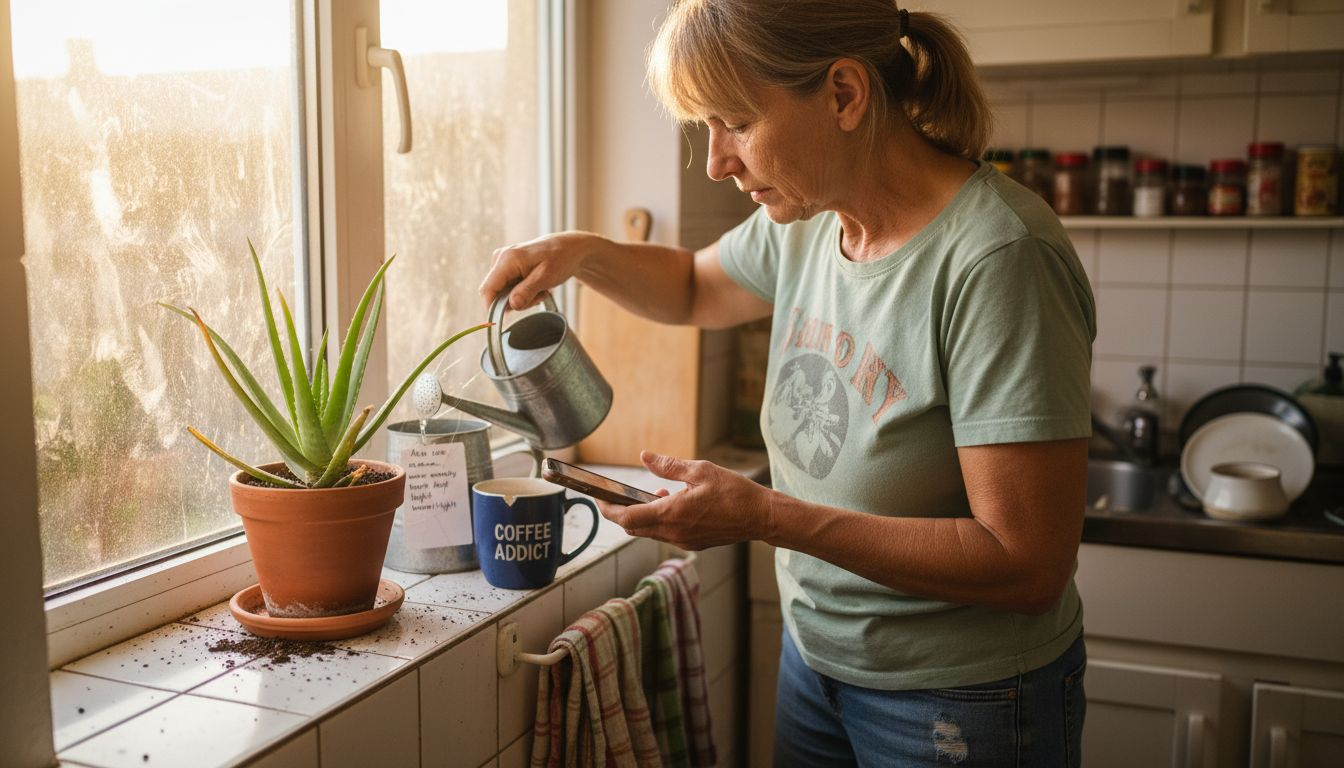
Pro tip: Place your aloe near a window with indirect sunlight and set a monthly reminder for basic maintenance to ensure consistent care.
Potential Risks and Pet Safety Insights
While aloe vera offers numerous benefits, pet owners must exercise caution. Aloe vera toxicity risks can pose serious health challenges for curious cats and dogs who might nibble on the plant’s leaves or consume its gel.
Key safety considerations for pet owners include:
- Toxic compounds concentrated in aloe latex
- Potential gastrointestinal distress if ingested
- Risk of vomiting and diarrhea
- Possible electrolyte imbalances
- Potential allergic reactions in sensitive pets
The most dangerous component is the outer leaf’s latex, which contains compounds that can trigger significant digestive issues. Cats and dogs are particularly susceptible to these toxic elements, making close supervision critical when aloe plants are present in homes with pets.
Pet safety requires vigilant monitoring and proactive plant management.
Beyond immediate digestive concerns, oral ingestion of aloe products can lead to more severe complications like kidney damage and seizures in extreme cases. This underscores the importance of keeping aloe plants completely out of pets’ reach.
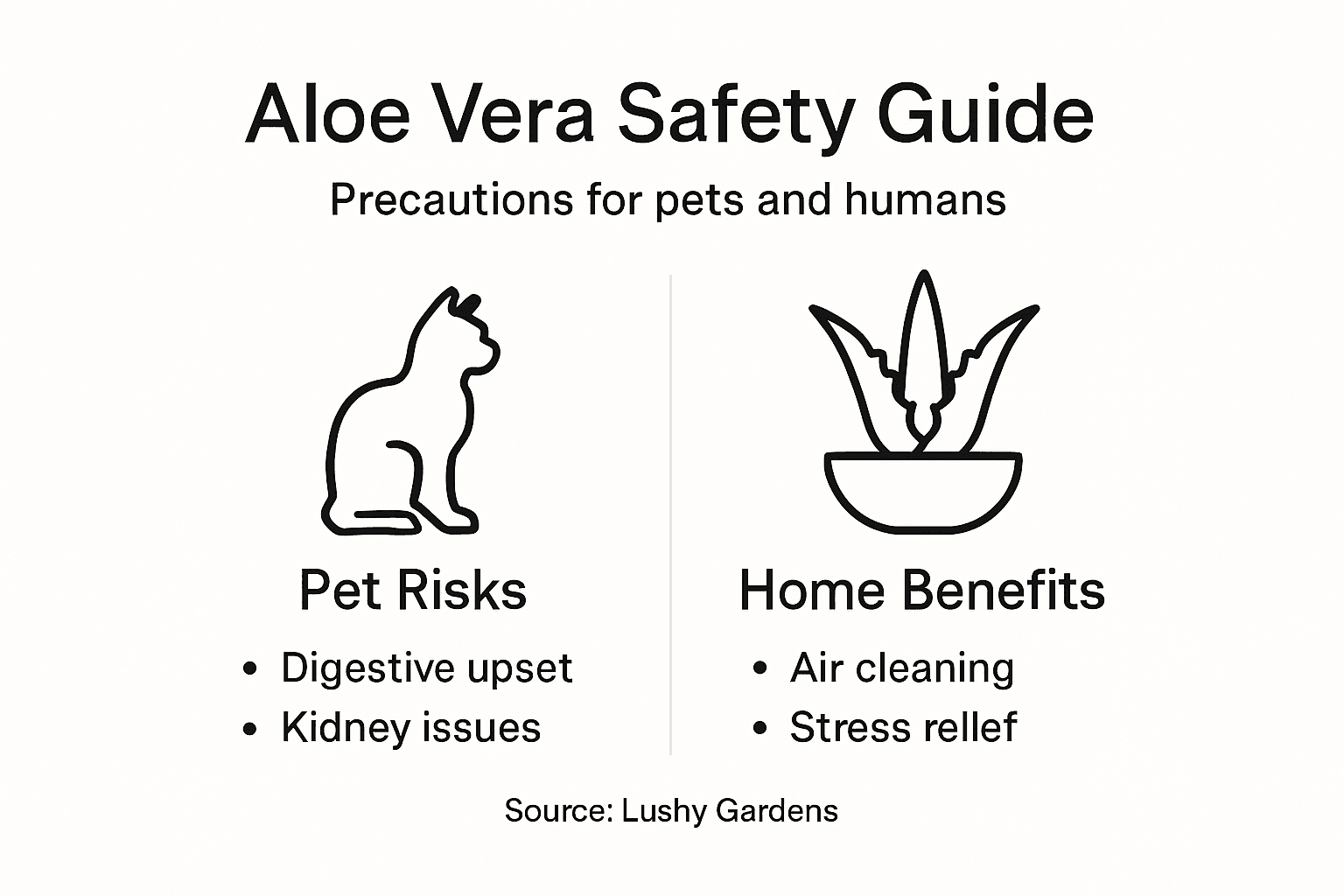
If you have pets at home, consider this summary of aloe vera risks and safe practices:
| Risk Type | Animal Impact | Symptoms to Watch For | Safety Tip |
|---|---|---|---|
| Latex ingestion | Cats, dogs | Vomiting, diarrhea, lethargy | Keep out of pet-reachable areas |
| Gel ingestion | Rarely toxic to pets | Mild GI upset in some cases | Use barriers or high shelves |
| Topical contact | Generally safe | Skin irritation (rare) | Monitor for irritation signs |
| Chronic exposure | All pets | Possible kidney problems | Remove plant if pets are curious |
Pro tip: Position aloe plants on high shelves or in rooms completely inaccessible to pets, and consider using pet barriers to prevent accidental contact.
Discover the Power of Aloe Vera and Boost Your Indoor Garden Today
Are you ready to bring more than just greenery into your home by welcoming the versatile aloe vera plant? This unique succulent not only beautifies your living space but also purifies your indoor air and offers natural healing benefits. If you have experienced challenges with proper plant care or are concerned about pet safety and managing pests, we understand your need for trusted guidance tailored to your lifestyle.
At Lushy Gardens, we provide detailed insights on Indoor Plants including aloe varieties suited for every home environment. Learn how to nurture your aloe vera with confidence while protecting your furry companions by exploring our Pest & Disease Management tips. Our expertly curated Reviews help you find the best gardening products with ease, so you can care for your plants without guesswork.
Start transforming your home into a healthier and more vibrant space now by visiting Lushy Gardens. Dive into practical advice and expert knowledge to make the most out of your aloe vera plant. Your journey to a flourishing indoor garden begins here.
Frequently Asked Questions
What are the health benefits of the aloe vera plant?
Aloe vera is known for its potent anti-inflammatory properties, strong antimicrobial capabilities, powerful antioxidant effects, support for wound healing, and potential gastrointestinal aid.
How do I care for an aloe vera plant indoors?
Aloe vera thrives in bright indirect light with minimal watering. Allow the soil to dry completely between waterings and fertilize infrequently, about 2-3 times a year.
Is aloe vera safe for pets?
Aloe vera can be toxic to pets, particularly the outer latex, which may cause gastrointestinal distress. Monitor your pets closely and keep the plant out of their reach to prevent any adverse effects.
How does aloe vera improve indoor air quality?
Aloe vera helps purify indoor air by absorbing volatile organic compounds (VOCs) and releasing oxygen, contributing to a healthier living environment and regulating humidity levels.
Recommended
- How to Grow Aloe Vera: A Step-by-Step Guide – Lushy Gardens
- Best Pot for Aloe Plant: Ultimate Selection Guide for Healthy Growth – Lushy Gardens
- How to Save an Aloe Plant: Revival Techniques and Care Tips – Lushy Gardens
- Why Is My Aloe Plant Drooping? – A Comprehensive Care Guide – Lushy Gardens
- Best Hair Mask for Hair Growth at Home: 2025 Guide | MyHair

I’m Eleanor, a seasoned gardener with over three decades of experience tending to Mother Nature’s creations. Through Lushy Gardens, I aim to share my wealth of knowledge and help fellow plant enthusiasts uncover the wonders of gardening. Let’s dive into this journey together, one leaf at a time.


