
Table of Contents
The pressure of city deadlines leaves many American professionals feeling overwhelmed long before they step through their apartment door. Seeking relief, urbanites are turning to indoor gardening for its proven stress-reducing effects. Unlike fleeting trends, horticultural therapy offers genuine mental health benefits that fit even the smallest living space. Practical strategies for cultivating houseplants not only calm your nerves but also enhance your quality of life in a way that traditional solutions rarely match.
Key Takeaways
| Point | Details |
|---|---|
| Gardening Reduces Stress | Engaging in gardening can significantly lower cortisol levels, improve mental well-being, and enhance resilience against stress. |
| Indoor Gardening is Effective | Indoor gardening is especially beneficial for urban professionals, offering flexibility and ease of integration into busy lifestyles. |
| Mindfulness Promotes Presence | Practicing mindfulness during plant care transforms gardening into a therapeutic ritual that fosters relaxation and focus. |
| Avoid Overambition | Start small and choose manageable plants to prevent overwhelm and enhance the therapeutic benefits of gardening. |
Gardening for Stress Relief: Core Concepts
Understanding how gardening reduces stress starts with recognizing the science behind it. Horticultural therapy has emerged as a proven, non-pharmacological approach to managing stress and anxiety in urban environments. Unlike medications or therapy sessions, gardening engages your mind and body simultaneously in ways that calm your nervous system.
Research shows that gardening and horticultural activities improve mental well-being, health status, and quality of life across diverse populations. The evidence is compelling: regular engagement with plants creates measurable improvements in psychological indicators within predictable timeframes.
How Gardening Works as a Stress Reducer
Gardening operates through multiple mechanisms that address stress from different angles:
- Focused attention – Tending plants demands your mental presence, naturally pulling your thoughts away from work deadlines and daily worries
- Sensory engagement – Touch, smell, and sight activate calming neural pathways that reduce cortisol (your stress hormone)
- Physical movement – Light activity without the intensity of a gym workout promotes relaxation while improving circulation
- Control and predictability – You decide when to water, fertilize, and prune, giving you agency in an environment often beyond your control
- Connection to living things – Caring for something creates purpose and emotional fulfillment
Optimal stress reduction occurs with 100-500 minutes of total therapy duration—roughly 20-100 minutes per week—making this achievable for busy professionals.
Why Indoor Gardening Works for Urban Professionals
You don’t need a backyard or rooftop garden to experience stress relief. Research confirms that indoor gardening proves most effective for people with limited space, making it ideal for apartment dwellers and busy urbanites.
Indoor plants fit seamlessly into your existing routine. Water your monstera while checking emails. Prune your pothos during a work break. The low-barrier nature of indoor gardening means you’ll actually stick with it, unlike elaborate outdoor projects that require weekend commitments.
The key difference from traditional gardening: indoor plants operate on your schedule. No soil prep. No weather delays. No early mornings tending beds. Just consistent, low-pressure interaction with living plants.
The Multi-Component Nature of Gardening Wellness
Gardening isn’t a single-action fix. Instead, it combines multiple wellness components working together:
- Mindfulness—paying full attention to your plants
- Physical activity—movement and muscle engagement
- Nature connection—exposure to natural beauty and growth cycles
- Creative expression—designing arrangements and choosing plants
- Achievement—watching plants grow under your care
Each component independently supports stress reduction. Together, they create a compound effect that traditional stress-relief methods struggle to match.
Pro tip: Start with one low-maintenance plant like a snake plant or ZZ plant, and commit to watering it weekly for four weeks—this establishes the habit loop before expanding your collection.
Popular Urban Gardening Types and Spaces
Not every urban gardener has the same setup or goals. The beauty of stress-relieving gardening is that it works across different formats—from tiny apartment windowsills to shared community plots. Understanding which type fits your life makes the difference between a hobby that sticks and one that fades.
Urban gardening takes multiple forms, each with distinct advantages depending on your space, time, and social preferences. You might thrive with solo indoor plants, or you might crave the social connection of a shared garden. The research is clear: different urban gardening types vary in size, accessibility, and social engagement potential, making some better suited for stress relief than others.
Here is a comparison of popular urban gardening types to help you choose what fits your lifestyle:
| Gardening Type | Space Required | Social Interaction | Flexibility |
|---|---|---|---|
| Indoor/Container | Windowsill, shelves | Mostly solo | Very high |
| Community Garden | Shared outdoor plot | High | Moderate |
| Rooftop Garden | Rooftop access | Variable | Moderate |
| Vertical Gardening | Wall, balcony | Low or variable | High |
Individual Indoor and Container Gardening
Container gardening offers maximum flexibility for apartment dwellers. You control the entire setup: soil type, pot size, plant selection, and placement. This autonomy is therapeutic in itself.
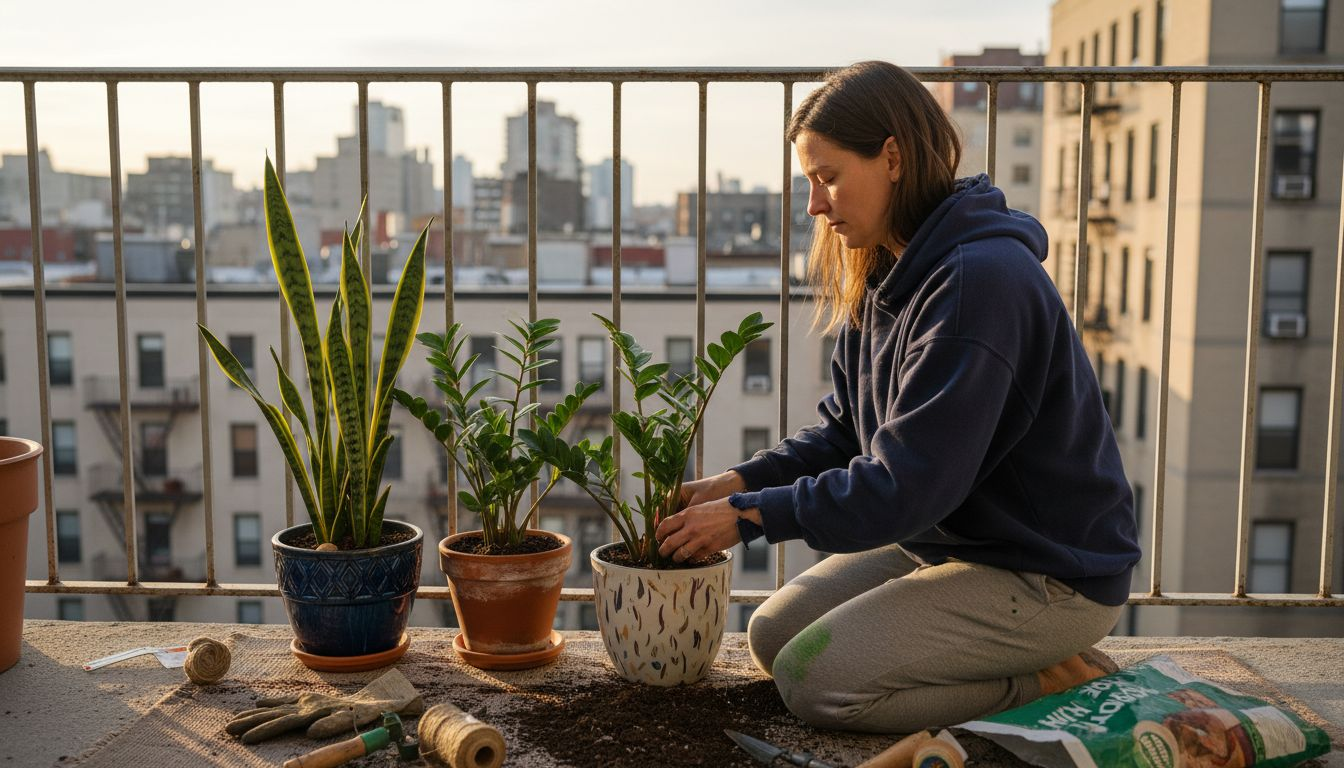
Indoor plants work within your existing space without requiring outdoor access. They thrive on your apartment’s natural light, climate, and your watering schedule. The low commitment means you can start small—even a single plant on your desk counts.
Container gardening also allows experimentation. Want to try a new plant variety? Swap it out. Hate the color of a pot? Change it instantly. This creative control directly reduces stress.
Community Gardening: The Social Advantage
Community gardening enhances mental health resilience and subjective well-being more than solo gardening alone. Shared plots provide something individual gardening cannot: human connection paired with nature engagement.
These spaces build community cohesion while fostering optimism and stress reduction. You work alongside neighbors, share harvests, and develop genuine relationships. For urbanites feeling isolated, community gardens address loneliness while delivering horticultural benefits.
Find local community gardens through city parks departments or nonprofit organizations. Most welcome beginners and provide plot space, water access, and mentorship from experienced gardeners.
Rooftop and Vertical Gardening
Urban rooftops represent untapped growing real estate. Rooftop gardens maximize limited space while offering privacy and natural light exposure. They work especially well for apartment buildings with accessible roof areas.
Vertical gardening uses wall space, trellises, or hanging systems to grow plants upward instead of outward. This technique optimizes urban settings by transforming unused vertical surfaces into productive garden zones.
Both approaches solve the space problem while creating striking visual focal points:
- Rooftop gardens provide full outdoor engagement and higher light levels
- Vertical systems work indoors or outdoors and fit tiny balconies
- Both maximize yield in minimal square footage
- Each creates natural privacy barriers from neighboring buildings
Choosing your gardening type depends on available space, desired social engagement, and stress-relief goals—not on what seems “most productive.”
Pro tip: Start with whichever type matches your current living situation exactly—a solo indoor gardener shouldn’t force themselves into community garden commitment, and vice versa, since consistency matters more than setup perfection.
How Gardening Reduces Stress Biologically
Your stress response isn’t just psychological—it’s deeply biological. When you feel overwhelmed by work deadlines or city chaos, your body releases cortisol, a hormone that keeps you in fight-or-flight mode. Gardening interrupts this cycle at the physiological level, actually changing your brain chemistry.
Understanding the biology behind gardening’s stress-relief power helps explain why it works so effectively. This isn’t placebo. Your nervous system genuinely shifts when you engage with plants.
The Cortisol Connection
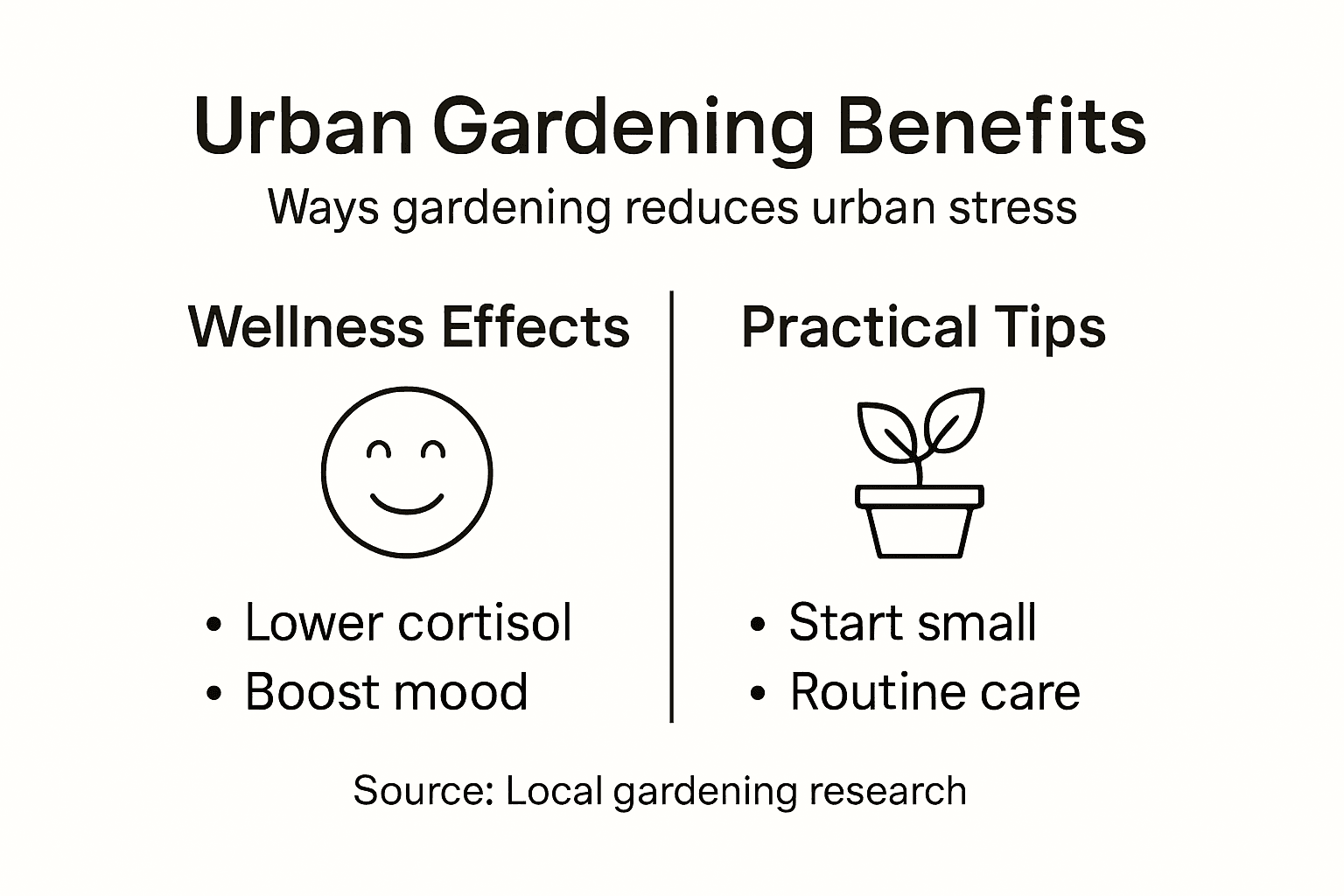
Cortisol is your primary stress hormone. Elevated levels for extended periods damage your immune system, sleep quality, and emotional resilience. Gardening significantly reduces salivary cortisol levels while enhancing positive mood compared to passive activities like reading.
This isn’t a minor effect. The research measures actual physiological markers—not just self-reported feelings. Your body recovers from acute stress faster when gardening than when sitting still, even indoors with houseplants.
The mechanism works through neuroendocrine pathways, meaning your hormonal system directly benefits from plant engagement. You’re literally rewiring your stress response.
Brain Growth and Cognitive Resilience
Gardening physical activity promotes more than just relaxation. Gardening increases growth neurotrophic factors like BDNF, VEGF, and PDGF that support brain health and neuroplasticity.
These proteins literally build new neural connections and protect existing brain tissue. They’re the biological basis for improved memory, focus, and emotional regulation. Think of them as fertilizer for your brain.
Beyond neurotrophic factors, gardening also lowers systemic inflammation and boosts immunity—both critical for stress resilience. Chronic stress triggers inflammation throughout your body. Gardening reverses this process.
How Physical Engagement Works
The physical movement in gardening matters significantly. Light digging, reaching, and bending engage muscles in ways that calm your nervous system:
- Movement activates the parasympathetic nervous system (your “rest and digest” mode)
- Physical exertion without intensity prevents cortisol spikes
- Repetitive motions create meditative rhythm and focus
- Muscle engagement improves sleep quality and emotional regulation
- Outdoor light exposure regulates circadian rhythms and mood
Your body treats gardening as genuine stress recovery, not just distraction—measurable changes occur at the hormonal and neural level within minutes.
The Timeline for Biological Change
You don’t need months to see results. Cortisol reductions appear within a single gardening session. Regular practice—even 20-30 minutes weekly—creates lasting improvements in baseline stress hormones.
Consistent engagement strengthens neuroplasticity over time, meaning your brain becomes better at managing stress generally. You’re not just relaxing temporarily; you’re building biological stress resilience.
Below is a summary of gardening’s biological impact on stress relief:
| Biological Effect | How Gardening Helps | Timeframe |
|---|---|---|
| Lowers cortisol | Engages calming pathways | Within 1 session |
| Boosts neuroplasticity | Increases growth factors | Weeks to months |
| Reduces inflammation | Supports immune function | With regular practice |
| Improves sleep | Regulates circadian rhythm | Consistent activity |
Pro tip: Combine outdoor and indoor gardening: outdoor plants maximize light exposure and physical movement for faster cortisol reduction, while indoor plants provide daily microdoses of stress relief without scheduling specific gardening time.
Mindfulness Strategies in Indoor Plant Care
Mindfulness and plant care aren’t separate activities—they’re the same thing when you do it right. The moment you shift from autopilot watering to intentional observation, you’ve activated stress relief. Your attention becomes the tool, and your plants become the focus that pulls you into the present moment.
Mindfulness strategies in indoor plant care engage focused attention and aesthetic appreciation, shifting your awareness from self-focused worry to something larger. This simple reframing changes your neurological state and reduces anxiety immediately.
The Power of Focused Attention
When you notice your pothos’s new leaf unfurling or the soil’s exact moisture level, you’re practicing mindfulness. This intentional observation and gentle touch during plant care promotes stress reduction by anchoring your mind to the present moment.
Your brain can’t simultaneously ruminate about work problems and truly observe plant details. One activity dominates your attention. By choosing plant observation, you’re deliberately interrupting the stress cycle.
This isn’t distraction—it’s genuine presence. The difference matters neurologically.
Three Core Mindfulness Practices
Incorporate these techniques into your regular plant care routine:
- Slow, deliberate care – Water one plant at a time with full attention; notice temperature, scent, leaf texture
- Intentional observation – Spend 2-3 minutes simply looking at each plant before touching anything
- Sensory engagement – Touch leaves gently, notice soil texture, appreciate visual details
Each practice shifts you from task-completion mode to present-moment awareness. Speed doesn’t matter. Quality of attention does.
Creating a Therapeutic Ritual
Mindfulness techniques combined with indoor gardening foster a soothing environment by supporting presence and unselfing—the psychological release of self-focused anxiety. This creates what scientists call “aesthetic appreciation of plants.”
When you treat plant care as ritual rather than chore, something shifts internally. You’re not rushing through watering to check it off your list. You’re creating a dedicated mental space where stress can’t follow.
Ritual transforms routine into meditation. Consistency amplifies the effect.
Extending Mindfulness Throughout Your Week
You don’t need one giant gardening session. Brief, mindful interactions work better for stress relief than occasional marathon gardening.
Spend 5-10 minutes with your plants each morning or evening. Observe without changing anything. Touch leaves. Notice growth. Breathe intentionally. This daily practice builds emotional regulation and baseline stress resilience.
Mini-sessions create consistent neural activation rather than sporadic intensity.
The stress relief comes from shifting your brain from internal worry to external awareness—and plants are perfect focal points for that essential mental shift.

Building Your Mindfulness-Plant Care Connection
Start small and specific. Pick one plant as your mindfulness anchor. Create a set time each day—morning coffee with plants, evening wind-down ritual—that becomes non-negotiable personal time.
This predictability trains your nervous system to recognize the activity as stress-relief time. Your brain anticipates the calm and begins shifting into relaxation mode before you even touch the plants.
Pro tip: Pair plant care with slow breathing: inhale for four counts while observing, exhale for four counts while touching the soil—this synchronizes your nervous system activation with plant engagement for deeper stress relief.
Avoiding Common Stress-Inducing Gardening Mistakes
Gardening should reduce stress, not create it. Yet many urban gardeners accidentally turn their hobby into a source of anxiety by making predictable mistakes. The good news: these errors are entirely preventable once you recognize them.
The difference between gardening that calms you and gardening that frustrates you often comes down to realistic expectations and proper planning. Small adjustments transform a stressful experience into genuine stress relief.
The Overambition Trap
Starting too big is the number one stress generator. You envision a jungle apartment, buy fifteen plants, and suddenly you’re drowning in watering schedules and dying foliage. The weight of responsibility kills the relaxation.
Overambition in project scope and inadequate planning for urban spaces creates stress when reality doesn’t match expectations. The solution: start with two or three plants maximum and expand slowly as your routine solidifies.
Small wins build confidence and motivation. Overwhelm builds resentment.
Ignoring Your Environment
Your apartment’s light, humidity, and temperature are fixed constraints. Choosing plants that don’t match these conditions guarantees failure. Failure generates stress, shame, and abandoned gardening.
Improper plant selection for your environment is a leading cause of frustration. Before buying anything, honestly assess your space. Low light? Choose snake plants and pothos. Dry air? Select ZZ plants or sansevieria. Work with reality, not against it.
One thriving plant beats ten struggling ones.
The Watering Problem
Overwatering kills more houseplants than any other mistake. Kill enough plants and gardening feels like failure, not therapy.
Learn your plant’s actual water needs. Most indoor plants prefer drying out between waterings. Check soil moisture before watering—don’t follow a rigid schedule. Different seasons, humidity levels, and pot sizes all affect watering frequency.
Common mistakes to avoid:
- Watering on a set day regardless of soil moisture
- Assuming “brown leaf = thirsty plant”
- Choosing pots without drainage holes
- Using cold tap water on tropical plants
- Ignoring seasonal changes in plant dormancy
Unrealistic Expectations About Time
Unrealistic expectations of quick results cause disappointment and abandonment. Plants grow slowly. Stress reduction happens gradually through consistent practice.
You won’t see dramatic changes in a week. That’s not failure—that’s nature. Shift your mindset from productivity to presence. The value isn’t in measurable growth; it’s in the calming practice itself.
Patience becomes the practice.
Learning From Mistakes Without Self-Judgment
Avoiding stress involves fostering patience and learning from challenges rather than viewing failures as personal shortcomings. A dead plant is data, not shame.
When plants struggle, ask what you can learn. Too much water? Next time, water less. Wrong light? Move it. This investigative mindset keeps frustration from festering.
Gardening reduces stress only when you emphasize enjoyment and connection over productivity—perfectionism kills the mental health benefits.
Pro tip: Keep a simple note on your phone recording each plant’s watering date and condition—this removes guesswork and decision fatigue, making plant care feel effortless rather than anxiety-inducing.
Find Calm and Confidence with Indoor Gardening
If you are seeking practical ways to reduce stress through gardening in the urban environment you are not alone. Many face challenges like limited space, overambition, and finding the right plants that fit indoor conditions. This article highlights key strategies such as starting small with low-maintenance indoor plants, embracing mindfulness during plant care, and understanding how gardening biologically rewires stress responses.
At Lushy Gardens we understand these challenges and offer expert advice tailored to your urban gardening journey. Explore our Gardening & Health – Lushy Gardens section for in-depth tips on how gardening supports mental well-being. New to urban gardening Discover helpful guides in Gardening for Beginners – Lushy Gardens designed to help you build sustainable habits that fit your lifestyle. Start transforming your space and your stress levels today by visiting Lushy Gardens for curated content filled with inspiration and practical solutions.
Take the first step now and turn your indoor garden into a personal stress-relief sanctuary. Your mental health deserves the nurturing touch of nature.
Frequently Asked Questions
How does gardening help reduce stress?
Gardening helps reduce stress by engaging your mind and body, promoting mindfulness, lowering cortisol levels, and providing a sense of purpose and connection to living things.
What are some low-maintenance plants for indoor gardening?
Some low-maintenance plants for indoor gardening include snake plants, ZZ plants, pothos, and monstera. These plants thrive in various indoor conditions and require minimal care.
How can I practice mindfulness while caring for my plants?
You can practice mindfulness by paying full attention to your plants during care, observing their growth, and engaging your senses by touching leaves or smelling the soil, which helps anchor your awareness to the present moment.
What common mistakes should I avoid in indoor gardening?
Common mistakes to avoid include overwatering, choosing plants unsuitable for your environment, starting with too many plants, and having unrealistic expectations about growth and time commitment.
Recommended
- Essential Indoor Gardening Tips for Urban Dwellers – Lushy Gardens
- 10 Essential Urban Gardening Tips for Plant Lovers – Lushy Gardens
- Understanding Gardening for Mental Health Benefits – Lushy Gardens
- Basic Garden Design Principles for Urban Homes – Lushy Gardens
- 7 beneficios del ciclismo urbano para tu vida diaria – Blog Ciclista
- 7 Key Advantages of Japanese Philosophy for a Fulfilling Life
- Understanding Improving Indoor Air Quality for Healthier Spaces – Mats4U USA

I’m Eleanor, a seasoned gardener with over three decades of experience tending to Mother Nature’s creations. Through Lushy Gardens, I aim to share my wealth of knowledge and help fellow plant enthusiasts uncover the wonders of gardening. Let’s dive into this journey together, one leaf at a time.


