
Table of Contents
TL;DR:
- Certain common plants like true lilies and sago palms are highly toxic and can be fatal to cats.
- Many plants appear safe but can cause serious health issues or death if ingested or contacted by cats.
- Using non-toxic indoor plants, proper plant identification, and elimination of risky plants can keep cats safe.
Many cat owners fill their homes with beautiful greenery without realizing some of those plants can kill a cat after just a brief encounter. A single lily petal, a nibbled leaf, or even licking pollen off fur can trigger fatal kidney failure within 72 hours. The problem is not just ignorance. It is the assumption that if a plant looks ordinary, it must be harmless. This guide breaks down exactly which plants put your cat at serious risk, explains why cats are uniquely vulnerable, and gives you practical steps to build a greener home that is genuinely safe for every member of your family.
Table of Contents
- Why some plants are so dangerous to cats
- Top plants most toxic to cats: What you must avoid
- Confusing cases: Not all ‘lilies’ are equally dangerous
- Safer indoor gardens: Non-toxic alternatives and prevention tips
- The truth most cat owners miss about toxic plants
- Create a safer, greener home for you and your cats
- Frequently asked questions
Key Takeaways
| Point | Details |
|---|---|
| Lilies pose deadly risk | Even small exposures to lilies can cause fatal kidney failure in cats. |
| Recognize top toxic plants | Be aware of sago palm, azalea, oleander, and bulb flowers as major household threats. |
| Prevention is best | Remove or secure toxic plants and choose proven pet-safe greenery instead. |
| Not all ‘lilies’ are the same | Peace lilies and calla lilies are irritants, not deadly, unlike true lilies. |
Why some plants are so dangerous to cats
Cats are not small dogs. Their liver lacks certain enzymes that allow dogs and humans to break down specific plant compounds safely. This metabolic difference turns plants that are mildly irritating to other animals into life-threatening poisons for cats.
Lilies are the most alarming example. Researchers still have not pinpointed the exact toxin, but they know it produces a cat-specific metabolite that destroys kidney tissue rapidly. No other common domestic animal shares this extreme vulnerability. A dog can chew a lily and walk away. A cat cannot.
Sago palm operates differently. Its seeds and all other parts contain cycasin, a toxin that attacks liver cells directly. Even with immediate veterinary care, sago palm ingestion carries only a 50% survival rate. That is a sobering number for a plant sold at garden centers and used in decorative arrangements across the country.
Not every toxic plant works at this extreme level. Calcium oxalate plants, which include pothos and philodendron, release microscopic crystals that irritate the mouth, throat, and stomach. These plants are genuinely uncomfortable for cats but rarely fatal. Understanding the difference between irritants and killers helps you prioritize which plants need to leave your home immediately versus which ones simply need to be moved out of reach.
Here is a quick breakdown of how toxic plant categories affect cats:
- Kidney destroyers: True lilies (Lilium and Hemerocallis species)
- Liver toxins: Sago palm, cycad species
- Heart disruptors: Oleander, foxglove, lily of the valley
- Oral and GI irritants: Pothos, philodendron, peace lily
- Systemic toxins: Azalea, rhododendron, yew
“The window for effective treatment after lily ingestion is narrow. If you suspect your cat has been exposed, do not wait for symptoms to appear. Get to a vet immediately.”
Pro Tip: Keep the ASPCA Animal Poison Control Center number (888-426-4435) saved in your phone. Minutes matter when a cat ingests a toxic plant.
For a deeper look at how plant chemistry affects pets, the toxic plants explained guide on Lushy Gardens is a solid starting point.
Top plants most toxic to cats: What you must avoid
Knowing which specific plants to watch for is far more useful than a vague warning to “be careful.” Below is a table of the most dangerous plants commonly found in homes and gardens.
| Plant | Toxic parts | Key symptoms | Severity |
|---|---|---|---|
| True lily (Lilium, Hemerocallis) | All parts, including pollen | Vomiting, lethargy, kidney failure | Extreme |
| Sago palm | All parts, seeds worst | Vomiting, liver failure, seizures | Extreme |
| Oleander | All parts | Heart arrhythmia, collapse | Extreme |
| Azalea/Rhododendron | All parts | Vomiting, drooling, cardiac issues | High |
| Tulip/Daffodil | Bulbs especially | Drooling, vomiting, tremors | High |
| Yew | All parts | Sudden cardiac arrest | Extreme |
All parts of sago palm are dangerous, but the seeds carry the highest concentration of cycasin. One seed can be enough to cause fatal liver failure in a cat. This plant is especially deceptive because it looks elegant and is widely sold as an ornamental.
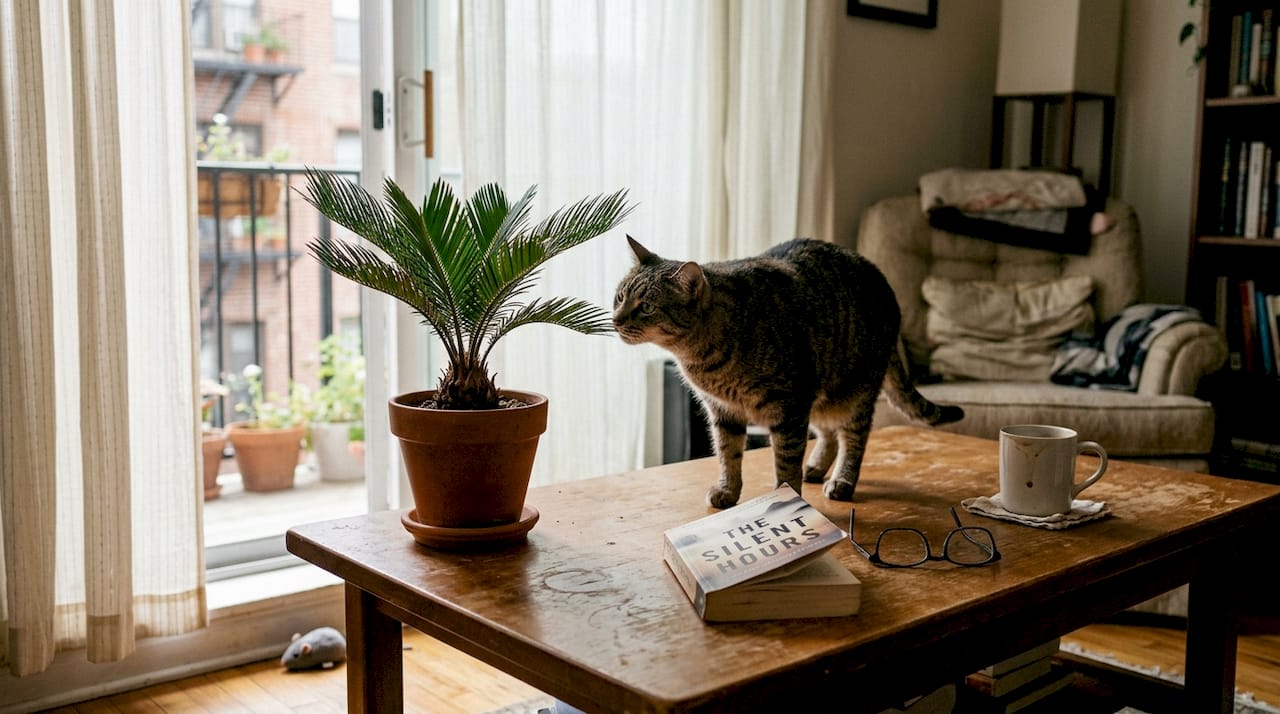
Oleander is another plant that deserves more attention than it gets. It is popular in warm climates as a garden hedge, but its cardiac glycosides can stop a cat’s heart. Even smoke from burning oleander is toxic.
Common toxic plants like azaleas, tulips, and daffodils round out the list of plants most likely to end up in a home or yard without the owner realizing the risk. Tulip and daffodil bulbs are particularly dangerous because gardeners handle them every spring and may not think twice about leaving them accessible.
Additional plants worth knowing about:
- Lily of the valley: Causes severe heart rhythm problems
- Autumn crocus: Triggers multi-organ failure
- Kalanchoe: Common succulent that causes vomiting and heart issues
If you want a full rundown of which houseplants to avoid as a cat owner, that resource covers an expanded list. You should also check out specific guides on ZZ plant toxicity and snake plant dangers since both are trendy houseplants that many people do not realize are harmful.
Confusing cases: Not all ‘lilies’ are equally dangerous
Here is where a lot of cat owners get tripped up. The word “lily” appears in the name of several plants that are not actually true lilies, and the distinction matters enormously.
Peace lily and calla lily sound alarming given what you now know about lilies. But peace lily and calla lily are not true lilies at all. They belong to entirely different plant families and do not cause kidney failure. Instead, they contain calcium oxalate crystals that cause oral irritation, drooling, and pawing at the mouth. Unpleasant, yes. Life-threatening, no.
Calcium oxalate plants cause self-limiting symptoms, meaning the irritation itself usually stops the cat from eating more. Most cats recover without treatment, though a vet call is always a good idea.
Here is a table to clarify the difference:
| Plant name | True lily? | Primary risk | Severity |
|---|---|---|---|
| Easter lily (Lilium longiflorum) | Yes | Kidney failure | Extreme |
| Tiger lily (Lilium tigrinum) | Yes | Kidney failure | Extreme |
| Daylily (Hemerocallis) | Yes | Kidney failure | Extreme |
| Peace lily (Spathiphyllum) | No | Oral/GI irritation | Mild |
| Calla lily (Zantedeschia) | No | Oral/GI irritation | Mild |
| Lily of the valley (Convallaria) | No | Heart toxicity | Extreme |
Notice that lily of the valley is not a true lily either, but it is still extremely dangerous because of its cardiac glycosides. So the rule is not simply “true lily equals dangerous, fake lily equals safe.” You need to know the specific plant.
Pro Tip: Search any plant by its Latin name on the ASPCA toxic plant database before bringing it home. Common names are unreliable and vary by region.
Symptoms that suggest oxalate irritation rather than true lily poisoning:
- Drooling immediately after contact
- Pawing at the mouth or face
- Mild vomiting that resolves quickly
- No signs of kidney distress (reduced urination, lethargy after 24 hours)
For more nuanced cases, the spider plant safety guide and the broader pet-safe plants resource on Lushy Gardens can help you sort through the gray areas.
Safer indoor gardens: Non-toxic alternatives and prevention tips
Removing dangerous plants is step one. Building a genuinely cat-friendly indoor garden is step two, and it is more achievable than most people expect.
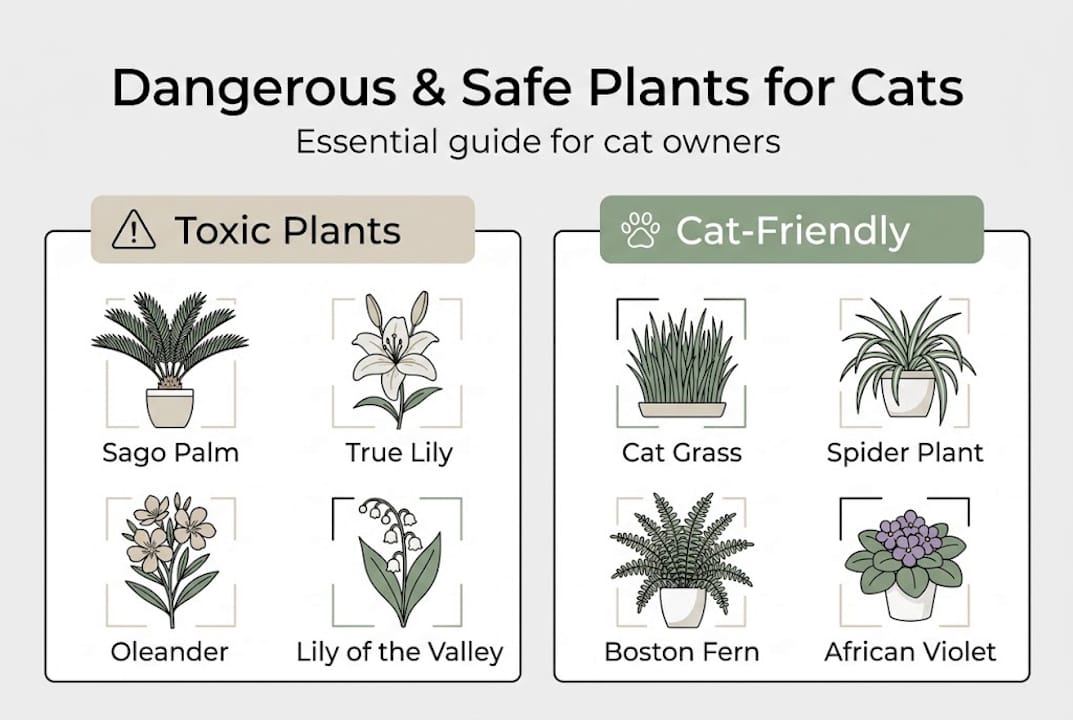
The best non-toxic alternatives include Boston Fern, Spider Plant, and African Violet. These three are widely available, easy to care for, and pose no meaningful risk to cats even if chewed. Boston Fern adds lush texture. African Violet brings color. Spider Plant is nearly indestructible and adapts to most light conditions.
Here is a step-by-step approach to auditing your home:
- List every plant in your home. Include outdoor plants that your cat can access through open windows or doors.
- Look up each plant by its Latin name on a credible toxic plant database.
- Categorize each plant as safe, irritant, or life-threatening.
- Remove life-threatening plants immediately. Do not wait or try to relocate them to a high shelf. Cats climb.
- Swap irritants for safe alternatives where possible, or use physical barriers to block access.
- Introduce cat-friendly plants to give your cat safe options to interact with.
“A high shelf is not a safe shelf. Cats are athletes. If a plant is toxic enough to kill, it needs to leave the house entirely.”
Beyond plant swaps, behavioral deterrents can help. Citrus peels placed around plant bases deter most cats. Double-sided tape on pot rims discourages jumping. Some owners use hanging planters for plants that are borderline safe but better kept out of reach.
Pro Tip: Grow a small pot of cat grass or catnip near your cat’s favorite resting spot. Giving cats their own plant to chew on reduces curiosity about your other plants.
For more hands-on strategies, the guides on keeping cats away from plants, building a healthier indoor garden, and reviewing garden safety tips all offer practical next steps.
The truth most cat owners miss about toxic plants
Most cat owners who lose a pet to plant poisoning did not think they were being careless. They thought their cat was smart enough to avoid anything dangerous. This belief is one of the most persistent and harmful myths in pet care.
Cats do not have an instinct that reliably steers them away from toxic plants. They investigate with their mouths. They groom pollen off their fur. They drink water from flower vases. None of these behaviors trigger any internal warning system.
The other thing people miss is how ordinary the most dangerous plants look. A lily bouquet from a grocery store does not announce itself as a potential killer. A sago palm in a decorative pot looks like any other tropical accent plant. The danger is invisible until it is not.
We have seen people dismiss common plant safety myths only to face a preventable emergency weeks later. Consistent prevention is not paranoia. It is the only strategy that actually works. When in doubt about any plant, remove it. The cost of a replacement plant is nothing compared to emergency vet bills or worse. For a grounded look at plant toxicity insights, that resource reinforces why the prevention-first mindset is the right one.
Create a safer, greener home for you and your cats
Ready to put safety into practice? Lushy Gardens has a full library of resources designed to help cat owners build indoor gardens they can feel genuinely good about. From guides on safe air-purifying plants that work beautifully in any room to a curated list of pet-safe indoor plants that covers everything from ferns to flowering varieties, you will find options that combine style with real safety. A beautiful home and a safe cat are not competing goals. Explore Lushy Gardens to find plant picks, care guides, and expert advice that make it easy to get both right.
Frequently asked questions
What should I do if my cat eats part of a toxic plant?
Contact your veterinarian immediately and bring a sample or photo of the plant, since early IV fluids and decontamination are critical after lily or other toxic plant exposure and can make the difference between recovery and organ failure.
Are there any completely safe plants for homes with cats?
Yes, Boston Fern and Spider Plant are confirmed safe options, along with African Violet, which adds color without any meaningful toxicity risk to cats.
Can cats get sick just from licking pollen or drinking vase water from toxic plants?
Absolutely. Grooming lily pollen off their fur is enough to trigger fatal kidney failure, and drinking water from a lily vase carries the same risk.
How can I identify toxic plants in my collection?
Look up each plant by its Latin name, since the ASPCA toxic plant list is one of the most reliable databases available and covers hundreds of species with clear toxicity ratings.
Recommended
- How to Keep Cats Away from Plants – The Definitive Guide – Lushy Gardens
- Are Snake Plants Toxic to Cats? Understanding the Risks and Precautions – Lushy Gardens
- Understanding Plants Toxic to Pets: A Comprehensive Guide – Lushy Gardens
- Are Spider Plants Poisonous to Cats? Separating Fact from Fiction – Lushy Gardens

I’m Eleanor, a seasoned gardener with over three decades of experience tending to Mother Nature’s creations. Through Lushy Gardens, I aim to share my wealth of knowledge and help fellow plant enthusiasts uncover the wonders of gardening. Let’s dive into this journey together, one leaf at a time.


