
Table of Contents
TL;DR:
- Gardening podcasts for beginners teach foundational skills like soil health, plant selection, and watering in clear language. They explain terminology, share personal failures, and focus on practical topics to help new gardeners succeed in their first season. Listening consistently and pairing episodes with writing or visuals accelerates learning and builds confidence.
Gardening podcasts for beginners are audio shows that teach new growers how to start and maintain a garden through clear, jargon-free guidance. The best beginner gardening shows cover foundational topics like soil health, plant selection, seasonal planting, and organic pest management. Shows like The Beginner’s Garden with Jill McSheehy, the Organic Gardening Podcast, and Pots & Trowels each take a different approach to making gardening accessible. What they share is a commitment to explaining the “why” behind each technique, not just the “how.” That deeper understanding is what separates gardeners who stick with it from those who quit after one failed season.
1. What makes the best gardening podcasts for beginners?
The most effective beginner gardening shows do three things well: they explain terminology, keep episodes short enough to finish, and make mistakes feel normal. Episode lengths range from 9 to 45 minutes, which means you can fit a full lesson into a commute or a watering session. That range also means you can choose depth based on how much time you have.
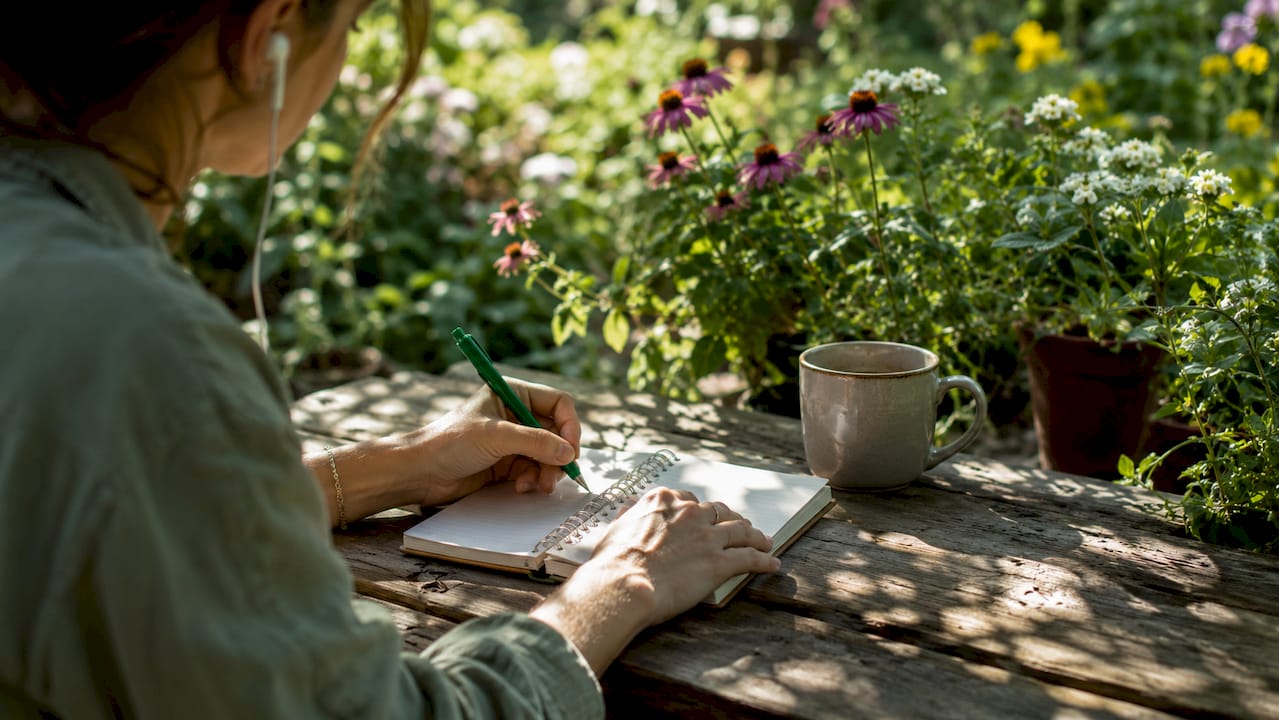
Terminology is a real barrier for new gardeners. Words like “hardiness zone,” “deadheading,” and “amendment” stop beginners cold. Top beginner podcasts explain these terms in context, so you learn the vocabulary while learning the skill. That approach removes the intimidation factor fast.
Hosts who share their own failures matter more than hosts who sound perfect. Candid storytelling creates a learning environment where mistakes feel like data, not disasters. That tone keeps new gardeners coming back instead of giving up.
- The Beginner’s Garden with Jill McSheehy: Focused on edible gardening with clear explanations of core concepts. Episodes run 20–40 minutes and cover topics from seed starting to harvest timing.
- Organic Gardening Podcast (Garden Organic): Covers seasonal planting, soil health, and organic pest management on a monthly schedule. Strong on the science behind organic methods.
- Pots & Trowels: Designed for small-space and container gardeners. Episodes pair well with visual content like blogs and videos.
- Gardening with the RHS: Weekly episodes from the Royal Horticultural Society. Authoritative and structured, with content for every skill level.
Pro Tip: Subscribe to one podcast first and listen to five episodes before adding another. Depth beats breadth when you are just starting out.
2. Foundational gardening skills you will learn from these shows
The three basics every beginner needs are site selection, crop focus, and smart watering. Beginners succeed by choosing a high-visibility location, starting with 2–3 edible crops, and using the finger test for watering. The finger test means pushing your finger one inch into the soil. If it feels dry, water. If it feels moist, wait.
These basics sound simple, but most new gardeners skip them. They plant in shady spots, grow too many things at once, and water on a schedule instead of based on actual soil conditions. Podcasts reinforce these habits through repetition across episodes and seasons.
Here are the core skills covered across the top beginner gardening shows:
- Site selection: Choose a spot that gets at least six hours of direct sunlight. Experts advise starting with manageable plots and expanding only after your first successful season.
- Soil preparation: Learn how organic amendments like compost improve drainage and feed soil microbes. A nutrient-rich soil blend gives new plants the best possible start.
- Watering correctly: Overwatering is the most common beginner mistake. The finger test beats any fixed schedule.
- Starting small: Two or three crops teach you more than ten. Tomatoes, lettuce, and herbs are the classic starter trio.
- Understanding sunlight: Different plants need different light levels. Podcasts teach you to read plant tags and match crops to your actual conditions.
- Recognizing pests early: Organic pest management starts with identification. Knowing what you are looking at prevents overreaction and unnecessary chemical use.
Pro Tip: Keep a small notebook near your garden. Write down what you planted, where, and what happened. That record becomes your best teacher by the end of the season.
3. How beginner gardening podcasts support ongoing learning
Podcasts build learning habits that go beyond a single episode. Pairing podcast listening with blogs, videos, or written planners improves how well you apply what you hear. Audio alone teaches concepts. Audio plus visuals teaches technique.
The community aspect of gardening podcasts is underrated. Many hosts run listener Q&A segments, social media groups, or companion websites. That network gives beginners a place to ask questions without feeling judged. Hosts who share personal failures and off-topic stories create ego-free learning spaces that keep listeners engaged long after the basics are covered.
Tracking your own progress matters as much as consuming content. Here is how to build that habit:
- Keep a garden journal: Note planting dates, weather conditions, and what worked or failed. Photos are even better than written notes for spotting patterns.
- Use podcast episodes seasonally: Match what you listen to with what is happening in your garden right now. A spring episode on seed starting is more useful in march than in august.
- Join listener communities: Many shows have Facebook groups or forums where beginners share photos and ask questions. These groups normalize failure and celebrate small wins.
- Revisit old episodes: A podcast episode on pruning means nothing in your first month. Six months later, it is exactly what you need.
Beginners who document their gardening process learn faster and recover from mistakes more confidently. The act of writing things down forces you to observe more carefully.
4. Which podcast topics matter most for new gardeners right now
Not all podcast episodes are equally useful at the start. The topics below give beginners the fastest return on their listening time.
| Topic | Why it matters for beginners | Where to learn more |
|---|---|---|
| Seasonal planting | Timing determines success. Planting too early or late wastes effort. | Organic Gardening Podcast |
| Container gardening | Small-space setups remove the need for a yard and lower the cost of starting. | Pots & Trowels |
| Organic pest management | Safe methods protect your crops without harming beneficial insects. | Organic Gardening Podcast |
| Soil health | Healthy soil grows healthy plants. Amendments like compost feed the soil, not just the plant. | The Beginner’s Garden |
| Simple garden design | A clear layout prevents overcrowding and makes maintenance easier. | Gardening with the RHS |
| Watering technique | Correct watering prevents root rot and drought stress simultaneously. | The Beginner’s Garden |
Gardening podcasts for beginners also cover container gardening and urban garden setups, which makes them useful even if you have no outdoor space. A balcony or a sunny windowsill is enough to start. The best shows treat small-space gardening as a full and legitimate practice, not a consolation prize.
Starting small with plants suited to your local climate prevents the frustration that stops most beginners in their first season. Podcasts reinforce this principle constantly because it is the single most common mistake new gardeners make.
Key takeaways
The most effective gardening podcasts for beginners combine clear terminology, relatable hosts, and practical episode topics that match what new gardeners actually face in their first season.
| Point | Details |
|---|---|
| Episode length fits real life | Shows run 9–45 minutes, making it easy to learn during daily tasks. |
| Terminology matters | The best shows explain terms like “hardiness zone” and “deadheading” in context. |
| Start with three basics | Site selection, 2–3 crops, and the finger test watering method set beginners up for success. |
| Pair audio with visuals | Combining podcast episodes with blogs or videos improves how well you apply advice. |
| Document your progress | A garden journal or photo log accelerates learning and helps you recover from mistakes. |
Why podcasts changed how I think about learning to garden
I spent my first two seasons overcomplicating everything. I read dense books, bought too many tools, and planted a dozen crops at once. Nothing worked the way I expected. Then I started listening to beginner gardening shows during my morning walks, and something shifted.
The hosts were not perfect. They talked about the tomatoes that rotted, the seeds that never germinated, the years they gave up on a crop entirely. That honesty made the information stick in a way that textbooks never did. Understanding the “why” behind a technique matters more than memorizing steps. When you know why you amend soil with compost, you stop treating it as a chore and start treating it as an investment.
My honest advice: do not wait until you feel ready to start listening. Start now, even before you have a single plant. The episodes on site selection and crop choice will save you from the mistakes that kill most beginners’ enthusiasm in the first month. Then get your hands dirty and treat every dead plant as a data point, not a failure.
Lushygardens has more to help you grow
Podcasts are a great starting point, but pairing audio learning with written guides accelerates your progress. Lushygardens offers a complete beginner gardening guide that covers everything from soil prep to your first harvest, written specifically for new growers. If you want to take the next step with your outdoor space, the seasonal garden maintenance guide walks you through what to do month by month. For those starting with containers or indoor plants, Lushygardens has dedicated guides on vegetable gardening basics and simple garden design ideas to help you plan before you plant.
FAQ
What are the best gardening podcasts for beginners?
The Beginner’s Garden with Jill McSheehy, the Organic Gardening Podcast by Garden Organic, and Pots & Trowels are consistently recommended for new gardeners. Each covers foundational topics like soil health, plant selection, and seasonal care in plain language.
How long are beginner gardening podcast episodes?
Episode lengths typically range from 9 to 45 minutes, making them easy to fit into a daily routine. Shorter episodes work well for quick tips, while longer ones suit deeper topics like soil science or garden planning.
What topics should a beginner focus on first?
Site selection, watering technique, and starting with 2–3 crops are the three most important topics for new gardeners. Podcasts that cover these basics early give beginners the fastest path to a successful first season.
Do I need gardening experience to follow these podcasts?
No prior experience is needed. The best beginner gardening shows explain technical terms like “hardiness zone” and “deadheading” in context, so you build vocabulary and skill at the same time.
How do I get the most out of gardening podcasts?
Pair podcast episodes with visual content like blogs or videos, and keep a garden journal to track what you learn and apply. Listening while actively gardening reinforces the advice faster than passive listening alone.
Recommended
- Vegetable gardening basics: step-by-step guide for beginners – Lushy Gardens
- Step-by-step beginner vegetable garden setup guide – Lushy Gardens
- Understanding Vegetable Gardening for Beginners: Key Concepts – Lushy Gardens
- Gardening Basics for Beginners: Complete Guide – Lushy Gardens

I’m Eleanor, a seasoned gardener with over three decades of experience tending to Mother Nature’s creations. Through Lushy Gardens, I aim to share my wealth of knowledge and help fellow plant enthusiasts uncover the wonders of gardening. Let’s dive into this journey together, one leaf at a time.


