
Table of Contents
Every gardener in Canada or the United States has faced the question while digging in their backyard: is there a real difference between soil and compost, or are they just two names for dirt? The answer means healthier plants and smarter time spent in the garden. Learn how soil forms the backbone of your garden, while compost acts as a nutrient-rich amendment that improves both soil structure and plant resilience—making all the difference for thriving vegetables or flower beds.
Key Takeaways
| Point | Details |
|---|---|
| Soil and Compost Serve Different Purposes | Soil acts as the structural foundation of the garden, while compost acts as a fertility booster and amendment. |
| Compost Enriches Soil | Adding compost to soil enhances nutrient retention and water-holding capacity, improving plant health and resilience. |
| Proper Ratios Are Crucial | For ideal garden conditions, mix compost with native soil in a ratio of 25-30% compost to 70-75% soil. |
| Quality Matters | Choose quality soil and compost to prevent future issues; test your materials before application to ensure they meet standard requirements. |
Defining Soil and Compost in Gardening
When you’re standing in your garden bed with a shovel in hand, you might wonder if soil and compost are basically the same thing. They’re not. Understanding the difference between these two materials is crucial for making informed decisions about your garden’s health. Think of soil as the foundation of your garden ecosystem, while compost is the upgrade that transforms that foundation into something more fertile and resilient.
Soil is far more complex than most gardeners realize. It’s not just dirt. Soil is a living ecosystem composed of minerals (sand, silt, and clay), organic matter, water, air, and countless microorganisms. This intricate combination supports plant growth by providing essential nutrients, maintaining proper moisture levels, and ensuring adequate aeration for root development. When you dig into healthy soil, you’re literally touching a dynamic system that’s been building itself over decades. Soil acts as your garden’s permanent home, providing the structural support plants need while serving as a habitat for beneficial bacteria, fungi, earthworms, and other organisms that keep the whole system functioning. The mineral content in soil comes from weathered rock, which breaks down over time and releases nutrients that plants can absorb.
Compost, by contrast, is something you create deliberately. It’s an organic fertilizer made through the aerobic decomposition of organic wastes, materials like kitchen scraps, yard trimmings, and leaves. When you layer these materials correctly and let them break down, you get compost, which is rich in vital nutrients like nitrogen, phosphorus, and potassium. Compost is essentially recycled organic matter that’s been transformed into a dark, crumbly substance that smells earthy and looks almost like chocolate cake. Unlike soil, compost is not naturally occurring in your yard. You build it intentionally, often in a bin or pile, and it typically takes several months to a year to fully develop depending on your climate and management approach. The key distinction is that compost is a soil amendment, not a soil replacement.
Here’s where things get practical: compost enriches soil by improving its physicochemical and biological properties. When you add compost to existing soil, you’re enhancing what’s already there. You’re increasing the soil’s water holding capacity, which means your plants stay hydrated longer during dry spells. You’re boosting nutrient retention so those nutrients don’t wash away with heavy rains. You’re also improving the soil’s ability to withstand both drought and flooding, making your garden more resilient to weather extremes. Think of compost as a nutrient booster and soil conditioner rolled into one.
The differences become even clearer when you consider what each material does in your garden. Soil provides the structural base and long-term nutrient reserve. Compost provides immediate nutrients and biology improvements. Knowing this distinction helps you understand that a healthy garden needs both. When starting a new bed, you’re not choosing between soil and compost. You’re building with soil as your base and amending it with compost to create the optimal growing environment. Many North American home gardeners make the mistake of thinking one bag of compost will be enough. The reality is that compost works best as an amendment mixed into existing soil, not as a standalone growing medium for most applications. You could also explore the best compost options specifically for vegetables to understand what quality looks like and how to select the right type for your specific needs.
Here’s a quick comparison of soil and compost to clarify their roles in gardening:
| Attribute | Soil | Compost |
|---|---|---|
| Main Function | Structural base and ecosystem | Fertility booster and amendment |
| Longevity | Permanent, builds over decades | Requires seasonal renewal |
| Nutrients | Releases minerals slowly | Supplies nutrients quickly |
| Microbial Activity | Provides long-term habitat | Sparks biological growth |
Pro tip: When you’re building a new garden bed, aim to mix compost into your existing soil at a ratio of about 25-30 percent compost to 70-75 percent native soil. This balance gives you the nutrient boost and biological benefits of compost while maintaining the structural stability that established soil provides.

Types of Soil and Kinds of Compost
Not all soil is created equal, and neither is all compost. The type of soil you have in your garden dramatically affects how it drains, holds nutrients, and supports plant roots. Similarly, the compost you use varies based on how it was made and what went into it. Getting familiar with these variations helps you make smarter choices about what amendments your garden actually needs.
Understanding Soil Types
Soil gets its identity from texture, which depends on the proportion of sand, silt, and clay particles. Sandy soil has large particles that drain quickly but struggle to hold moisture and nutrients. Plants in sandy beds often get thirsty fast and need frequent watering. Clay soil is the opposite problem. It holds water and nutrients well but drains so poorly that roots can suffocate in wet conditions. Silt soil falls somewhere in the middle, offering moderate drainage and nutrient retention. Then there’s loam, which is the sweet spot most gardeners dream about. Loam combines the best qualities of sand, silt, and clay in roughly equal proportions, giving you good drainage without losing too much moisture or nutrients.
When you understand different soil types and their characteristics, you can stop fighting your garden and start working with what you have. A sandy soil garden doesn’t need the same amendments as a clay soil garden. Testing your soil texture is simple. Grab a handful of moist soil, squeeze it, and see what happens. Sandy soil crumbles immediately. Clay soil holds its shape stubbornly. Loam forms a ball that breaks apart gently. Most North American home gardeners discover they have either sandy or clay soil, not the ideal loam, which is why compost becomes so valuable. Adding compost to sandy soil helps it retain moisture and nutrients. Adding compost to clay soil improves drainage and prevents compaction.
Exploring Compost Types
Compost variety depends on two things: what materials went into it and how it was made. The balanced combination of carbon-rich ‘browns’ and nitrogen-rich ‘greens’/04%3A_Soil/4.07%3A_Soil_Types) is crucial for creating nutrient-rich finished compost. Browns include dry leaves, straw, and wood chips. Greens include grass clippings, food scraps, and fresh plant trimmings. When you layer these materials correctly, microorganisms break them down, and you get finished compost.
Different composting methods produce different types of finished compost. Aerated static piles speed up decomposition by introducing air, finishing in 3 to 6 months. Windrow composting involves turning materials in long rows and takes 4 to 6 months. In-vessel composting uses enclosed bins or containers, giving you the fastest results in 2 to 3 months but requiring more equipment. Vermicomposting uses worms to break down materials and creates a particularly nutrient-dense product, though it requires specific conditions. Home gardeners often choose simple pile methods or bin systems. Commercial operations typically use windrow or in-vessel methods.
The finished compost you buy varies too. Some products are pure compost made entirely from decomposed organic materials. Others are compost blends mixed with topsoil or other amendments. Premium compost products sometimes include added nutrients or beneficial microorganisms. Budget options are basic but still improve your soil. When you’re selecting compost, read the label carefully. Look for finished compost that’s dark, crumbly, and smells earthy. Avoid anything that smells like ammonia or looks wet and clumpy, as these indicate incomplete decomposition.
The table below summarizes which compost types and methods work best for different gardening scenarios:
| Compost Type | Typical Use | Key Benefit |
|---|---|---|
| Aerated Static Pile | Large gardens | Fast, efficient breakdown |
| Windrow | Commercial beds | Large volume handling |
| In-Vessel | Urban/Small yards | Fast results, compact space |
| Vermicompost | Raised beds, containers | Nutrient-rich, improves structure |
Matching Soil and Compost to Your Needs
Here’s the practical reality: your garden success depends on understanding what you have and what it needs. If you have sandy soil, you want compost that’s dense and rich in organic matter to boost water retention. If you have clay soil, you want compost that breaks up compaction and improves drainage. Most general-purpose composts work reasonably well for either situation, but knowing your soil type helps you choose more strategically. Some gardeners with poor native soil use compost-heavy planting mixes for beds. Others with decent soil use thin compost layers as annual amendments. Both approaches work, but they require different quantities and strategies.
Building a new bed from scratch is your opportunity to get the combination right from the start. You’re not locked into whatever soil nature gave you. You can layer quality compost with your native soil, or even build raised beds with custom soil and compost blends. This flexibility is why understanding both materials matters. You’re not making a single choice. You’re creating a system that works together.
Pro tip: Do a simple soil texture test before buying compost or amendments by squeezing moist soil in your hand, then match your compost choice to what you discover—dense compost for sandy soil, or crumbly compost for clay soil—and you’ll see better results faster.
Key Characteristics and Functions Compared
Soil and compost might both be dark materials that enrich your garden, but they operate in fundamentally different ways. Understanding how they function separately and together transforms how you approach garden planning. Think of it this way: soil is your garden’s circulatory system, while compost is the nutrient boost that keeps that system running optimally. Each has distinct characteristics that determine when and how to use them.
How Soil Functions in Your Garden
Soil performs multiple critical functions simultaneously. It provides physical support for plant roots, anchoring them firmly in place so plants can grow upright. Without adequate soil structure, even the healthiest roots can’t establish themselves. Soil also acts as a water reservoir, holding moisture that plants draw from during dry periods. Different soil types hold different amounts of water. Clay holds too much, leading to waterlogging. Sand holds too little, requiring constant irrigation. Loam holds the right amount, releasing water as plants need it.
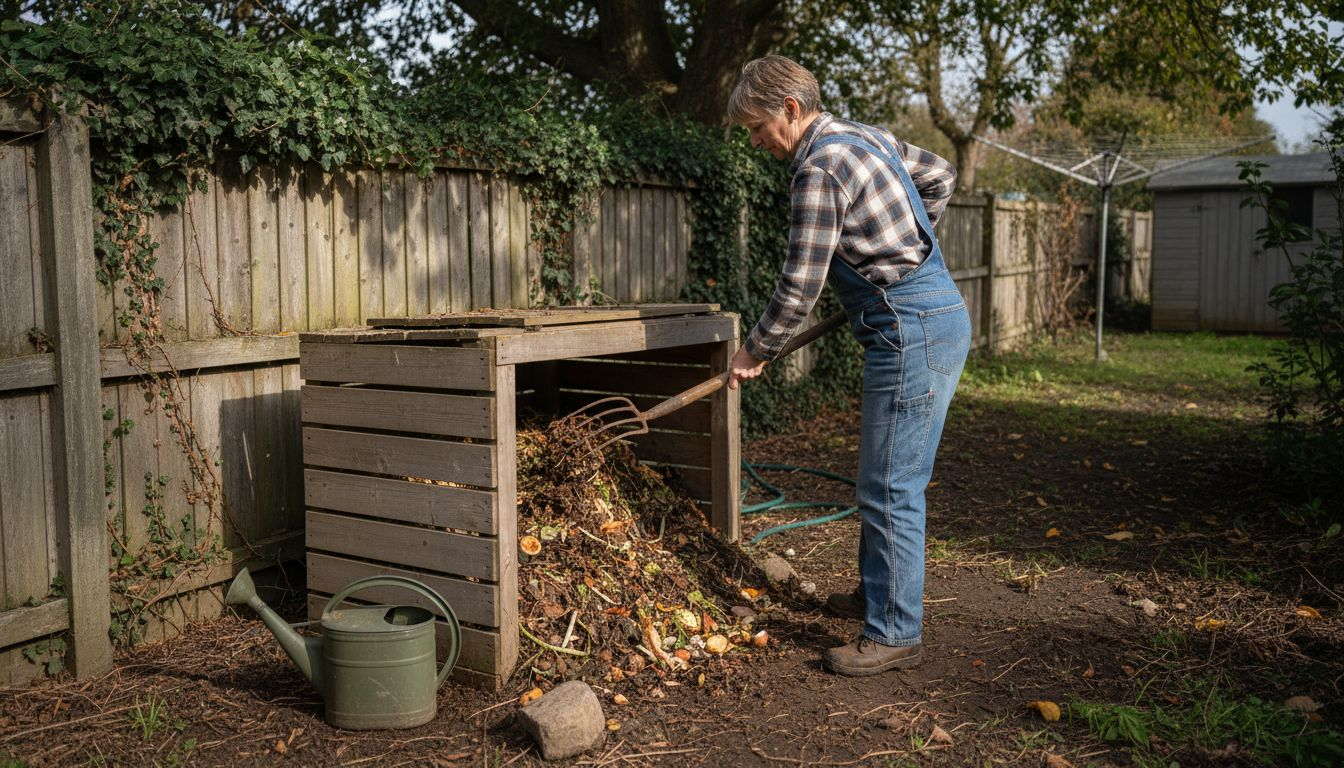
Then there’s the nutrient cycling function. Soil contains minerals like nitrogen, phosphorus, and potassium that plants need to grow. But those nutrients aren’t always available in forms plants can absorb. Soil microorganisms break down organic matter and convert nutrients into accessible forms. This biological activity is why living soil is more valuable than dead soil. Finally, soil provides habitat for countless organisms. Earthworms tunnel through soil, improving aeration and creating channels for water and roots. Bacteria and fungi form partnerships with plant roots, helping them absorb nutrients. When you add compost to soil, you’re not just adding nutrients. You’re revitalizing this entire ecosystem.
What Compost Brings to the Table
Compost operates differently from soil. It’s primarily a nutrient source and soil amendment rather than a growth medium by itself. When you understand key compost characteristics like pH, soluble salts, and nutrient content, you realize that compost quality varies significantly. Good compost has balanced pH, meaning it won’t make your soil too acidic or alkaline. It has low soluble salts so it won’t burn tender plant roots. And it has measurable nutrient content, typically showing nitrogen, phosphorus, and potassium percentages on the label.
Compost also boosts microbial activity in soil. When you work compost into existing soil, you’re introducing beneficial bacteria and fungi. These microorganisms speed up nutrient cycling and help plants access nutrients more efficiently. Compost acts as a carbon-rich fertilizer improving soil structure, nutrient availability, and microbial activity, making it exceptionally valuable for gardens that have been cultivated for years. Over time, cultivation depletes soil life. Compost restoration happens gradually but consistently.
One characteristic that surprises gardeners is that compost isn’t stable indefinitely. Finished compost will continue decomposing slowly in soil. This is actually beneficial because it releases nutrients gradually, feeding plants over months rather than all at once. However, it means you can’t apply compost once and forget about it. Most North American home gardeners benefit from adding compost annually or at minimum every other year to maintain soil health.
Comparing Their Roles Side by Side
Here’s where the practical distinction becomes crystal clear. Use soil as your base. Use compost as your amendment. Soil does the heavy lifting. It provides structure, water storage, and long-term nutrient reserves. Compost does the optimization. It improves how soil functions by enhancing drainage in clay soils, increasing water retention in sandy soils, and boosting microbial life in all soils.
Consider a comparison. Sandy soil drains too fast on its own but provides excellent aeration. Adding compost to sandy soil slows water movement, allowing plants to absorb more moisture while maintaining good drainage. Clay soil retains water beautifully on its own but lacks aeration. Adding compost to clay soil creates pathways for water to drain and air to penetrate, preventing root suffocation. In both cases, you’re not replacing the soil. You’re improving how it functions.
Maturity matters too. When you build a new garden bed, you start with soil as your foundation. You can add compost immediately, and it will improve your new bed right away. When you’re maintaining an established garden, you add compost annually as a top dressing or work it into the top few inches of soil. The difference is that established soil has already begun building its biological community. Fresh compost accelerates that process.
The Synergy Between Them
The magic happens when soil and compost work together. Soil provides the physical structure and mineral nutrients. Compost provides the biological jumpstart and organic matter. Plants benefit from both simultaneously. A garden with only soil but no compost might struggle with nutrient availability over time. A garden with only compost but no soil lacks the structural stability plants need. The winning combination uses quality soil enriched with quality compost.
One more practical reality: you can improve poor soil significantly by adding compost consistently over time. You can’t create premium soil overnight, but you can transform it within a growing season or two. This is why understanding these materials matters for your long-term garden strategy.
Pro tip: Test whether your compost is truly finished by checking if it has a dark color, earthy smell, and crumbly texture, then mix it into your existing soil rather than using it as a standalone growing medium for best results.

How and When to Use Each Medium
Knowing the difference between soil and compost is only half the battle. The real skill comes from knowing exactly how and when to deploy each one in your garden. Soil has permanent roles that don’t change much. Compost has specific applications that vary by season and garden stage. Mastering this timing and technique separates gardeners who see modest results from those who achieve exceptional soil quality year after year.
When to Use Soil
Soil is your permanent infrastructure. You use it when establishing new beds, filling containers, or rebuilding areas that have been depleted. Think of soil placement as a foundational decision. You’re not going to dig up your entire garden bed and replace the soil every year. Instead, you establish good soil and maintain it with regular compost applications. This is why soil quality matters so much at the beginning. Poor soil choices haunt you for years. Quality soil choices reward you with decade of benefits.
When you’re building a new raised bed, you’re deciding what soil to use for the next five to ten years. This is a significant commitment. Choose wisely. If you’re starting from scratch, most North American home gardeners blend native soil with purchased topsoil and compost to create a balanced growing medium. The exact ratio depends on your native soil quality. If you have decent soil, maybe 70 percent native and 30 percent amendments. If you have poor soil, you might go 50 percent native and 50 percent purchased quality soil and compost mixed together.
Soil also stays in place. Once established, you don’t remove it to plant something new. Instead, you plant directly into that soil season after season. This stability makes soil the foundation. Compost, by contrast, gets refreshed regularly.
When and How to Apply Compost
Compost has different rules. You apply it seasonally, adjusting amounts based on what you’re growing and how your soil is performing. Compost should be applied as a soil amendment by topdressing, incorporating into the topsoil, or mixing with potting soil, depending on the gardening context. This flexibility is what makes compost so valuable. You can use the same strategy year after year, or adjust based on what you learn about your specific garden.
Timing matters significantly. Many gardeners apply compost in spring before planting, working it into the top 3 to 6 inches of soil where plant roots will access it quickly. This spring application gets nutrients into the root zone exactly when plants need them most. Some gardeners also apply compost in fall as a top dressing over beds that are going dormant. This approach lets compost break down slowly over winter, improving soil structure and releasing nutrients gradually as spring arrives.
Amount matters equally. Aiming for at least 5 percent organic matter in soils means adding enough compost to make a real difference without overwhelming the system. For most North American gardens, this translates to spreading 1 to 2 inches of finished compost over your bed and mixing it into the top few inches of soil. More is not better. Too much compost can actually cause nutrient imbalances and create an overly rich growing medium that encourages disease and pest problems. Moderation works.
Application Methods
The physical technique of applying compost varies based on your situation. For established garden beds, topdressing is the simplest approach. Spread compost over the bed surface and let rain and soil organisms work it down naturally. This method requires minimal effort and causes minimal soil disturbance. For new beds or beds being refreshed, incorporate compost by mixing it into the top 6 to 8 inches of soil. This creates a more uniform growing medium right away.
For container gardening, mix compost directly into potting soil before planting. Home gardeners can use compost to build soil health by enhancing nutrient availability and water retention, applied to lawns, gardens, and landscapes as mulch or soil amendment. This creates an immediate benefit since containers start fresh each season. You’re not maintaining containers year after year like you maintain garden beds. You fill them, grow in them, and refresh them regularly.
For lawns, compost application is lighter. Spread a thin layer, roughly quarter to half inch, over the grass and let it filter down naturally. This improves soil under grass without smothering the lawn itself. Lawns are tricky because you can’t just dig them up to amend the soil. You work with what you have, improving incrementally.
Matching Application to Your Goals
Your specific gardening goals should drive your application strategy. Growing vegetables demands higher nutrient levels, so applying compost more frequently makes sense. Growing ornamental shrubs requires less intensive compost application. Healing depleted soil from years of cultivation requires consistent annual compost addition. Building new beds from quality materials might need less frequent compost refreshing.
One practical reality many gardeners overlook: timing your compost application to your planting schedule matters. If you apply compost two weeks before planting, it begins breaking down and releasing nutrients right when you’re putting plants in the ground. If you apply it four weeks before planting, nutrients release earlier and are partially absorbed by soil organisms before plants arrive. There’s no perfect answer, but understanding the timeline helps you optimize your results.
Pro tip: Apply compost in spring two weeks before planting and again in fall as a topdressing, using 1 to 2 inches each time, to maintain consistent soil health without overwhelming your beds with excess organic matter.
Common Mistakes and Best Practices
Gardeners often make predictable mistakes with soil and compost, usually stemming from good intentions but incomplete understanding. These errors range from minor inefficiencies that waste money to serious problems that damage plants or create pest infestations. Learning what to avoid separates successful gardeners from frustrated ones. The good news is that most mistakes are preventable once you know what to watch for.
Mistakes with Compost Creation and Selection
The biggest composting mistake is adding the wrong materials. Many home gardeners throw everything into their compost bins without understanding what belongs there. Avoid problems by not adding meat, dairy, or oily foods to compost piles at home, as these attract pests and cause odors. These materials decompose slowly and create conditions that invite rats, raccoons, and flies. Your compost pile should smell earthy and pleasant. If it smells like rotting garbage, you’ve added something that doesn’t belong. Food scraps are fine. Cooked foods, oils, and animal products are not.
Another critical mistake is imbalanced material composition. Beginners often dump grass clippings into compost without balancing them with dry materials. This creates a matted, anaerobic mess that smells terrible. Proper layer composition involves mixing green and brown materials correctly, with regular turning to supply oxygen. The rule is roughly equal parts green materials like grass and food scraps, and brown materials like dry leaves and cardboard. If your pile smells bad or looks wet and slimy, you probably have too many greens. Add more browns and turn the pile to introduce oxygen.
Moisture control trips up many gardeners too. Compost should be moist like a wrung-out sponge. Too dry and decomposition slows dramatically. Too wet and the pile becomes anaerobic, creating foul odors and slow breakdown. If your pile isn’t decomposing after weeks, check the moisture. It’s probably too dry. If it smells bad, it’s probably too wet. Turning the pile while adjusting moisture fixes most problems.
Mistakes with Soil and Compost Application
One of the most damaging mistakes is overloading gardens with compost. Yes, compost is good. No, more compost is not always better. Over-application of compost can harm plants by altering soil pH or nutrient balance. When gardeners apply 4 to 6 inches of compost annually to the same bed for years, they eventually create overly rich soil that encourages disease, attracts pests, and causes nutrient imbalances. Vegetables grow poorly in soil that’s too rich. Stick with 1 to 2 inches annually. This amount improves soil sustainably without creating problems.
Another mistake is using immature compost. Finished compost looks dark and crumbly. Compost that’s still partially decomposed looks chunky and hasn’t fully broken down. When you add immature compost to soil, it continues decomposing in the soil, tying up nitrogen and creating temporary deficiencies. Plants struggle because nitrogen is locked in decomposing material rather than available to roots. Always use fully finished, mature compost. If your purchased compost doesn’t smell earthy or looks chunky, it’s not finished yet.
Mistakes with soil selection happen mostly at the beginning. Choosing bargain soil or compost to save money often backfires. Budget products sometimes contain weed seeds, contaminants, or low-quality organic matter. One bad batch of soil can haunt you for years as you battle weeds that came in with the soil. Invest in quality soil from reputable sources. The money you save on bargain soil gets spent fighting problems later.
Best Practices for Success
The best practice is simple: test before you apply. Grab a handful of soil and observe its texture. Look at your compost and smell it. Know what you’re working with before adding it to your garden. This one habit prevents most mistakes.
Second, maintain balance. Balance greens and browns in compost. Balance compost additions to soil. Balance the amount you apply to what your plants actually need. Balanced approaches work consistently.
Third, turn your compost regularly. Turning introduces oxygen, accelerates decomposition, and prevents odors. Even passive composters benefit from occasional turning. Regular turning reduces composting time from months to weeks.
Fourth, source your materials carefully. Know what went into your compost before you use it. If you’re making your own, track what you add. If you’re buying it, choose reputable suppliers who stand behind their products.
Finally, monitor results. Pay attention to how your plants respond. If they’re thriving, your soil and compost approach is working. If they’re struggling, adjust your strategy. Gardening is iterative. You learn by observing results and adjusting.
Pro tip: Before adding compost to your garden, always verify it’s fully finished by checking for dark color and earthy smell, then apply only 1 to 2 inches annually to avoid nutrient imbalances and pest problems.
Enhance Your Garden by Mastering Soil and Compost
Are you ready to take control of your garden’s foundation and boost its fertility with confidence? The challenge many gardeners face is selecting the right balance between soil and compost to create thriving, resilient plants. Understanding key concepts like soil texture, nutrient cycling, and compost amendment ensures you avoid common pitfalls such as soil compaction or over-fertilizing. Whether you struggle with sandy soil thirsting for nutrients or heavy clay soil needing better drainage, knowing how to enrich your ground with quality compost is essential.
At Lushy Gardens, explore expert tips on Soil and discover carefully curated advice on Fertilizers that complement your soil management strategy. Dive into practical guides and find solutions tailored for both new and seasoned gardeners. Don’t let imperfect soil limit your success—visit Lushy Gardens now and unlock the secrets to building vibrant gardens that flourish year after year.
Frequently Asked Questions
What is the main difference between soil and compost?
Soil serves as the structural base for plants and contains minerals, organic matter, and microorganisms, while compost is an organic amendment created from decomposed materials that enriches soil with nutrients and improves its biological activity.
How can I use compost to improve my garden soil?
You can mix compost into existing soil at a ratio of about 25-30 percent compost to 70-75 percent native soil. This enhances nutrient retention, improves water holding capacity, and boosts microbial life in the garden.
Can I use compost as a standalone growing medium for my plants?
No, compost should not be used as a standalone growing medium. It is most effective when used to amend existing soil, which provides structural support and long-term nutrient reserves for plants.
How often should I apply compost to my garden?
For best results, apply compost annually or at least every other year. Typically, you should spread 1 to 2 inches of finished compost on top of your garden beds in spring or fall for continuous soil health improvement.
Recommended
- Best Compost for Vegetables: Complete Guide – Lushy Gardens
- Best Compost for Vegetables: Complete Essential Guide – Lushy Gardens
- Composting at Home: Reducing Waste and Enriching Soil – Lushy Gardens
- Complete Guide to Types of Garden Soil – Lushy Gardens

I’m Eleanor, a seasoned gardener with over three decades of experience tending to Mother Nature’s creations. Through Lushy Gardens, I aim to share my wealth of knowledge and help fellow plant enthusiasts uncover the wonders of gardening. Let’s dive into this journey together, one leaf at a time.


