
Table of Contents
Water scarcity challenges gardeners across the country, forcing many to rethink traditional landscaping approaches that demand constant irrigation. Drought tolerant plants offer a practical solution, conserving precious water resources while maintaining vibrant, healthy gardens. These resilient species thrive with minimal supplemental watering, making them essential for sustainable home gardening. This guide explores the scientific criteria for selecting drought tolerant plants, highlights proven performers, and provides comparison data to help you create a water-efficient landscape that supports local ecosystems and reduces maintenance costs.
Key takeaways
| Point | Details |
|---|---|
| Adaptation mechanisms | Plants use deep roots, reduced leaf area, and cellular protections to survive drought conditions |
| Water savings potential | Native drought tolerant species can reduce irrigation needs by 70% compared to traditional landscaping |
| Selection criteria | Focus on morphological, physiological, and molecular traits that enhance water uptake and minimize loss |
| Proven performers | Research trials identified golden currants and native species as top choices for long-term drought resilience |
| Soil and irrigation | Combining efficient watering systems with organic matter improves plant survival and conserves water |
Criteria for selecting drought tolerant plants
Choosing the right drought tolerant plants requires understanding the biological mechanisms that enable survival during water scarcity. Plants employ morphological adaptations like deeper root systems and reduced leaf area to enhance water uptake and minimize water loss during drought. Deep roots access moisture from lower soil layers that shallow-rooted plants cannot reach. Smaller or waxy leaves reduce the surface area exposed to sun and wind, limiting transpiration rates.
Physiological traits provide another layer of protection. Physiological responses such as stomatal closure and osmo-protectant production help plants conserve water. Stomata are tiny pores on leaf surfaces that control gas exchange. During drought stress, plants close these openings to prevent water vapor from escaping. Simultaneously, they produce protective compounds like proline that stabilize cellular structures and maintain hydration at the molecular level.
At the genetic level, understanding the intricate molecular pathways governing drought tolerance is crucial for improving crop resilience and water usage efficiency. Stress hormones like abscisic acid trigger gene expression changes that activate protective mechanisms. Antioxidant systems neutralize harmful compounds produced during water stress, preventing cellular damage.
When evaluating plants for your garden, look for these key characteristics:
- Thick, succulent, or waxy leaves that reduce water loss
- Gray or silver foliage that reflects sunlight and lowers leaf temperature
- Extensive root systems that explore large soil volumes
- Native or well-adapted species proven in your climate zone
- Compact growth habits that minimize water demand
Pro Tip: Research your local native plants first, as they have evolved alongside regional rainfall patterns and soil types. These species typically require less establishment watering and support local pollinators better than exotic alternatives. Check resources on dry climate vegetable gardening and essential urban gardening tips for climate-specific guidance.
Selecting plants with multiple drought adaptations creates a resilient garden that thrives even during extended dry periods. Combining morphological, physiological, and molecular traits maximizes your success while minimizing water inputs. This scientific approach to plant selection forms the foundation for sustainable landscaping that conserves resources without sacrificing beauty.
Top drought tolerant plants for home gardens
Field research provides valuable insights into which plants truly perform under drought conditions. Golden currants (Ribes aureum) performed best in the Norwood High and Dry Garden for 13 years with no supplemental irrigation. This native shrub produces fragrant yellow flowers in spring and edible berries in summer, attracting pollinators while requiring zero maintenance watering after establishment.
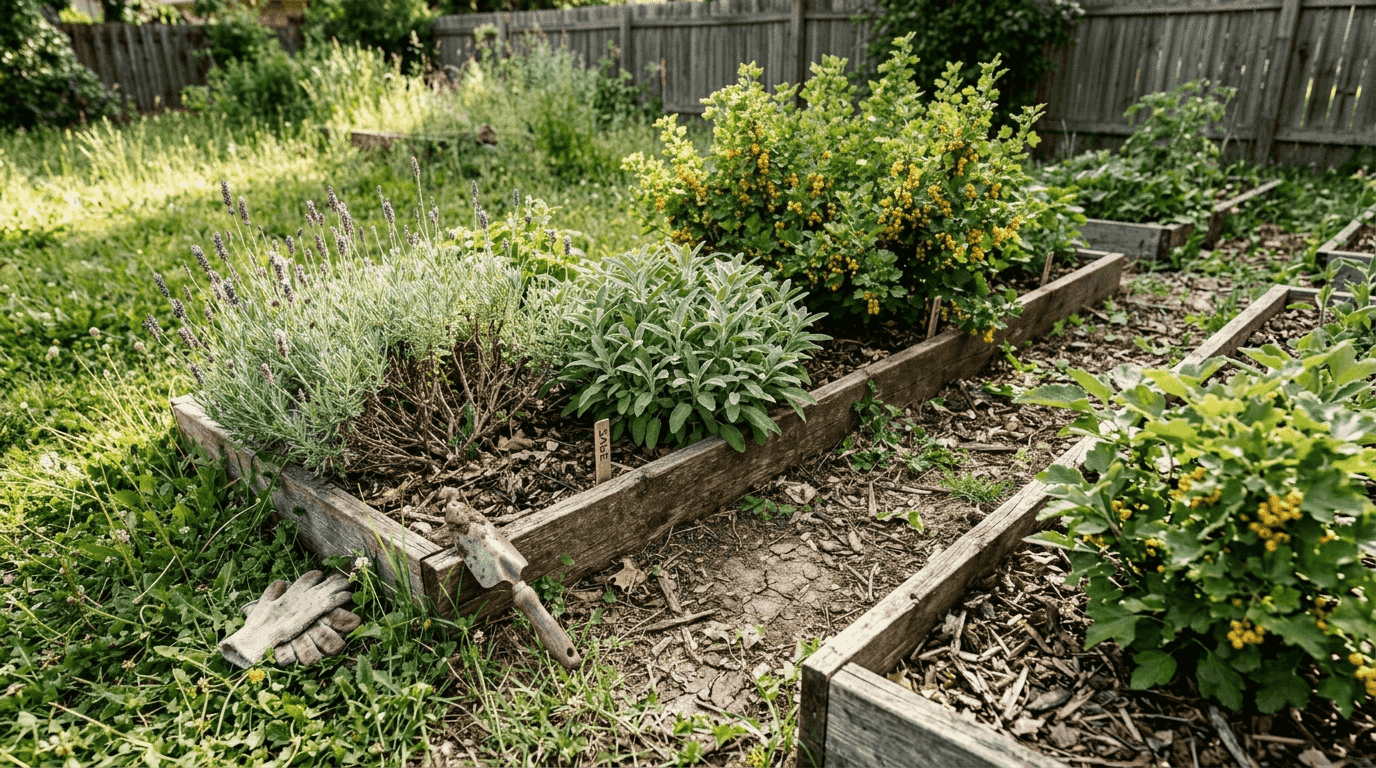
The water savings from drought resistant species are substantial. Drought-resistant plants reduce irrigation needs by up to 70%, saving both money and natural resources. This dramatic reduction translates to lower water bills, less time spent maintaining irrigation systems, and significantly smaller environmental footprints. For homeowners in water-restricted areas, these plants offer a practical path to compliance with conservation mandates.
Native species deliver additional ecological benefits beyond water conservation. Their deep root systems prevent soil erosion, improve soil structure, and create channels for water infiltration. Many produce nectar-rich flowers that support bees, butterflies, and hummingbirds throughout the growing season. This biodiversity enhancement strengthens your garden’s ecological health while reducing pest problems naturally.
Here are proven drought tolerant plants for sustainable home gardens:
- Lavender: Fragrant Mediterranean herb with silver foliage, thrives in full sun and poor soil, attracts pollinators abundantly
- Russian sage: Tall perennial with airy purple flowers, tolerates heat and drought exceptionally well, provides late-season color
- Yarrow: Hardy perennial with flat flower clusters in various colors, spreads to fill spaces, requires minimal care
- Sedum: Succulent groundcover or upright varieties, stores water in fleshy leaves, perfect for rock gardens
- Penstemon: Native wildflower with tubular blooms, hummingbird favorite, available in many species for different climates
- Agave: Architectural succulent with dramatic rosettes, extremely drought tolerant, ideal for southwestern gardens
- California poppy: Annual or short-lived perennial, self-seeds readily, brilliant orange flowers close at night
- Coneflower: Native prairie plant with daisy-like blooms, attracts goldfinches to seed heads, tolerates poor soil
Pro Tip: Mix native plants with well-adapted non-natives to extend your bloom season and create visual interest. Layer plants by height and water needs, grouping the most drought tolerant species in the driest areas of your garden. This zoning approach, combined with guidance from best drought tolerant plants lists, maximizes efficiency while maintaining aesthetic appeal.
Establishment watering remains important even for drought tolerant plants. Water deeply but infrequently during the first growing season to encourage deep root development. Once established, most species survive on natural rainfall alone in appropriate climates. Apply urban gardening tips to optimize limited space and resources in city environments.
Comparing drought tolerant plants: benefits and water needs
Understanding the specific requirements and characteristics of drought tolerant plants helps you make informed selections for your garden conditions. This comparison highlights water needs, sun exposure, growth habits, and key benefits to guide your choices.
| Plant | Water Needs | Sun Exposure | Growth Habit | Key Benefits |
|---|---|---|---|---|
| Lavender | Low after establishment | Full sun | Compact shrub 2-3 feet | Fragrant foliage, pollinator magnet, deer resistant |
| Russian Sage | Very low | Full sun | Upright 3-5 feet | Long bloom period, architectural form, heat tolerant |
| Yarrow | Low to moderate | Full sun to part shade | Spreading 1-3 feet | Diverse colors, medicinal uses, fills spaces quickly |
| Sedum | Very low | Full sun | Groundcover or upright 6-24 inches | Succulent storage, fall interest, erosion control |
| Penstemon | Low to moderate | Full sun to part shade | Upright 1-3 feet | Native species variety, hummingbird attraction, colorful |
| Agave | Extremely low | Full sun | Rosette 1-6 feet | Dramatic architecture, container suitable, long-lived |
| California Poppy | Low | Full sun | Low spreading 8-12 inches | Self-seeding, bright color, fast growing |
| Coneflower | Moderate | Full sun to part shade | Upright 2-4 feet | Cut flowers, seed for birds, prairie native |
Watering techniques significantly impact plant performance and water conservation. Choosing drought-resistant plant varieties and using precision irrigation methods can achieve maximum water efficiency and enhance plant growth. Drip irrigation delivers water directly to root zones, eliminating waste from evaporation and runoff. Soaker hoses provide similar benefits at lower cost for smaller gardens.
Soil management complements plant selection in creating drought resilient landscapes. Soil management including organic matter and mulching improves moisture retention and plant health. Compost increases soil water-holding capacity while feeding beneficial microorganisms. A three-inch layer of organic mulch reduces soil temperature, suppresses weeds, and slows evaporation dramatically.
Timing your watering makes a difference too. Water early morning when temperatures are cool and winds are calm to minimize evaporation losses. Avoid evening watering in humid climates, as prolonged leaf wetness encourages fungal diseases. Deep, infrequent watering trains roots to grow downward rather than staying near the surface.
Pro Tip: Install a simple rain gauge to track natural precipitation and adjust your irrigation accordingly. Most drought tolerant plants need only one inch of water per week during active growth, including rainfall. Skip supplemental watering during rainy periods to avoid overwatering, which weakens drought adaptations and promotes shallow root systems. Combine these practices with insights from seasonal garden maintenance guides for year-round success.
Monitor your plants for signs of water stress, which appear as wilting, leaf curling, or color changes. Some temporary wilting during peak afternoon heat is normal and does not require immediate watering. Plants recover as temperatures cool if soil moisture remains adequate. Chronic stress symptoms indicate a need to adjust your watering schedule or relocate plants to more suitable microclimates.
Grouping plants with similar water requirements simplifies irrigation management and prevents over or under watering. Create distinct zones for high, moderate, and low water use plants. This hydrozoning approach, detailed in gardening basics guides, streamlines maintenance while optimizing resource use across your entire landscape.
Explore Lushy Gardens for drought tolerant gardening success
Creating a thriving drought tolerant garden requires ongoing learning and adaptation to your specific conditions. Lushy Gardens offers comprehensive resources to support your journey toward water-wise landscaping. Our best drought tolerant garden plants guide expands on species selection with detailed care instructions and regional recommendations.
Maintaining your drought tolerant landscape through the seasons ensures long-term success and beauty. Follow our seasonal garden maintenance guide for month-by-month tasks that keep your plants healthy while minimizing water use. Whether you are just starting out or refining established gardens, our gardening basics guide provides foundational knowledge accessible to gardeners at every skill level.
What are drought tolerant plants?
What defines a drought tolerant plant?
Drought tolerant plants possess specialized adaptations that enable survival and growth with minimal water inputs. These adaptations include deep root systems that access moisture from lower soil layers, reduced leaf surface area that minimizes transpiration, and cellular mechanisms that protect against dehydration stress. Some species store water in thick leaves or stems, while others close their stomata during hot periods to conserve moisture.
Why should I choose drought tolerant plants for my garden?
Drought tolerant plants reduce water consumption by up to 70%, lowering utility bills and supporting environmental sustainability. They require less maintenance than traditional landscaping, saving time and labor costs. Many native drought tolerant species attract beneficial pollinators and wildlife, enhancing your garden’s ecological value. These plants thrive in challenging conditions where conventional species struggle, providing reliable beauty even during water restrictions.
Are native plants always the best choice for drought tolerance?
Native plants generally offer superior drought tolerance because they evolved alongside local climate patterns and soil conditions. They require minimal establishment care and support regional ecosystems more effectively than exotic species. However, well-adapted non-natives can also perform excellently in drought conditions. The key is selecting plants proven successful in your specific hardiness zone and microclimate, whether native or introduced. Explore best drought tolerant plants for regionally appropriate options.
How long does it take for drought tolerant plants to establish?
Most drought tolerant plants require one to two growing seasons to develop sufficient root systems for surviving without supplemental irrigation. During establishment, water deeply but infrequently to encourage downward root growth. Frequency depends on rainfall, temperature, and soil type, but generally ranges from weekly to biweekly during active growth. After establishment, many species thrive on natural precipitation alone in appropriate climates.

How do drought tolerant plants conserve water?
What mechanisms help plants survive drought?
Drought tolerant plants employ multiple strategies to conserve water and maintain cellular function during dry periods. Plants close stomata and produce protective compounds like proline to conserve water under drought. Stomatal closure prevents water vapor loss through leaf pores while still allowing some gas exchange for photosynthesis. Osmo-protectants stabilize proteins and cell membranes, preventing damage from dehydration stress.
How do roots contribute to drought tolerance?
Extensive root systems explore large soil volumes, accessing moisture unavailable to shallow-rooted plants. Deep taproots penetrate several feet below the surface, reaching water tables or deeper soil layers that retain moisture longer. Fine root hairs increase surface area for water absorption. Some species also form relationships with mycorrhizal fungi that extend the effective root zone and improve nutrient uptake efficiency.
Can drought tolerant plants attract pollinators?
Do drought tolerant plants support biodiversity?
Many drought tolerant species provide essential resources for pollinators and other beneficial wildlife. Native plants attract native birds, butterflies, bees, and other pollinators, supporting biodiversity. Lavender, penstemon, and coneflowers produce nectar-rich blooms that sustain pollinator populations throughout the growing season. Native species have co-evolved with local pollinators, offering perfectly matched flower shapes and bloom times.
What benefits do pollinators bring to gardens?
Pollinators improve fruit and vegetable yields in edible gardens while supporting overall ecosystem health. Their presence indicates a balanced, healthy landscape. Attracting diverse pollinator species creates natural pest control as many beneficial insects prey on garden pests. A pollinator-friendly drought tolerant garden combines water conservation with ecological stewardship, delivering multiple benefits simultaneously.
What soil practices improve drought tolerance in gardens?
How does organic matter help plants survive drought?
Adding compost and other organic materials increases soil water-holding capacity significantly. Soil management including organic matter addition and mulching improves moisture retention and plant health. Organic matter acts like a sponge, absorbing water during irrigation or rainfall and releasing it slowly to plant roots. It also improves soil structure, creating pore spaces that facilitate root growth and water infiltration.
Why is mulching important for drought tolerance?
Mulch creates a protective barrier between soil and atmosphere, reducing evaporation rates dramatically. A three-inch layer of organic mulch moderates soil temperature, keeping roots cooler in summer heat. Mulch suppresses weeds that compete for limited water resources. As organic mulches decompose, they contribute additional organic matter to the soil, creating a positive feedback loop that continually improves drought resilience.
Recommended
- 7 Best Drought Tolerant Garden Plants for Hot Climates – Lushy Gardens
- Dry Climate Vegetable Gardening: Thriving in Arid Conditions – Lushy Gardens
- Garden Trends 2026: From Fashion to Function — What’s Worth Bringing Into Your Own Garden? – Lushy Gardens

I’m Eleanor, a seasoned gardener with over three decades of experience tending to Mother Nature’s creations. Through Lushy Gardens, I aim to share my wealth of knowledge and help fellow plant enthusiasts uncover the wonders of gardening. Let’s dive into this journey together, one leaf at a time.


