
Table of Contents
Most American gardeners who start growing in urban spaces find themselves facing unexpected setbacks due to simple planning mistakes. More than 60 percent of new gardeners worldwide struggle with matching their plant choices to their local environment, often leading to poor plant health and disappointment. Understanding what makes garden planning so challenging helps you sidestep these issues, allowing you to create a vibrant and successful home garden that fits your unique city space.
Key Takeaways
| Point | Details |
|---|---|
| Research Before Planting | Conduct thorough research on local conditions and plant selections to prevent compatibility issues. |
| Plan for Microclimates | Assess and utilize different microclimates in your garden to optimize plant health and growth. |
| Strategic Plant Layout | Create a well-thought-out garden layout that considers the interactions between plants and design elements. |
| Monitor Environmental Factors | Regularly evaluate light, water, and soil quality to maintain a balanced ecosystem that supports plant vitality. |
What Are Garden Planning Mistakes?
Garden planning is an intricate process that requires thoughtful consideration of multiple interconnected factors. Many beginner gardeners underestimate the complexity of creating a successful garden, often making critical errors that can derail their entire gardening experience. Garden design involves understanding how different environmental elements interact and influence plant growth and overall landscape performance.
Common garden planning mistakes typically stem from inadequate research and unrealistic expectations. These errors can include selecting plants incompatible with local soil conditions, ignoring regional climate variations, and failing to account for sunlight exposure and seasonal changes. For instance, planting shade-loving plants in direct sunlight or attempting to grow tropical species in temperate regions can lead to plant stress and potential failure. Ecological compatibility becomes crucial when designing gardens that not only look attractive but also function sustainably.
Successful garden planning demands a strategic approach that considers multiple variables. This means thoroughly analyzing your specific garden space, understanding local ecological interactions, and making informed plant selections based on scientific principles rather than aesthetic preferences alone. Gardeners must evaluate factors like soil pH, drainage capabilities, microclimate characteristics, and the specific nutritional requirements of chosen plant species. Comprehensive planning helps prevent common pitfalls and increases the likelihood of creating a thriving, beautiful garden environment.
Here’s a comparison of common garden planning mistakes and their consequences:
| Mistake Type | Example | Potential Impact |
|---|---|---|
| Poor Plant Selection | Choosing tropical plants in a temperate climate | Plant stress or death |
| Ignoring Sunlight Patterns | Planting shade species in full sun | Weak growth, leaf burn |
| Overcrowding Plantings | Planting too close together | Stunted growth, disease risk |
| Inadequate Soil Research | Choosing mismatched plants for local soil | Poor nutrient absorption |
| Neglecting Microclimates | Ignoring shady or exposed garden zones | Uneven growth, plant failure |
Pro tip: Before purchasing any plants, spend time mapping your garden’s unique environmental conditions, including sunlight patterns, soil type, and moisture levels to ensure optimal plant selection and placement.
Key Types of Urban Garden Mistakes
Urban gardening presents unique challenges that can overwhelm even the most enthusiastic plant lovers. Urban gardening environments require specialized knowledge to navigate complex spatial and ecological constraints that differ dramatically from traditional garden settings. Space limitations, environmental stressors, and restricted growing conditions demand a strategic and informed approach to successful plant cultivation.
One of the most prevalent urban garden mistakes involves inappropriate plant selection and poor spatial planning. Urban gardeners often underestimate the critical importance of matching plant species to specific microclimate conditions. Common errors include choosing plants that require extensive sunlight for shaded balconies, selecting oversized vegetation for compact spaces, or introducing species incompatible with limited soil volumes. These mistakes can result in stunted growth, reduced plant health, and ultimately garden failure. Spatial awareness becomes crucial in urban gardening, where every square inch of growing space represents a valuable opportunity.
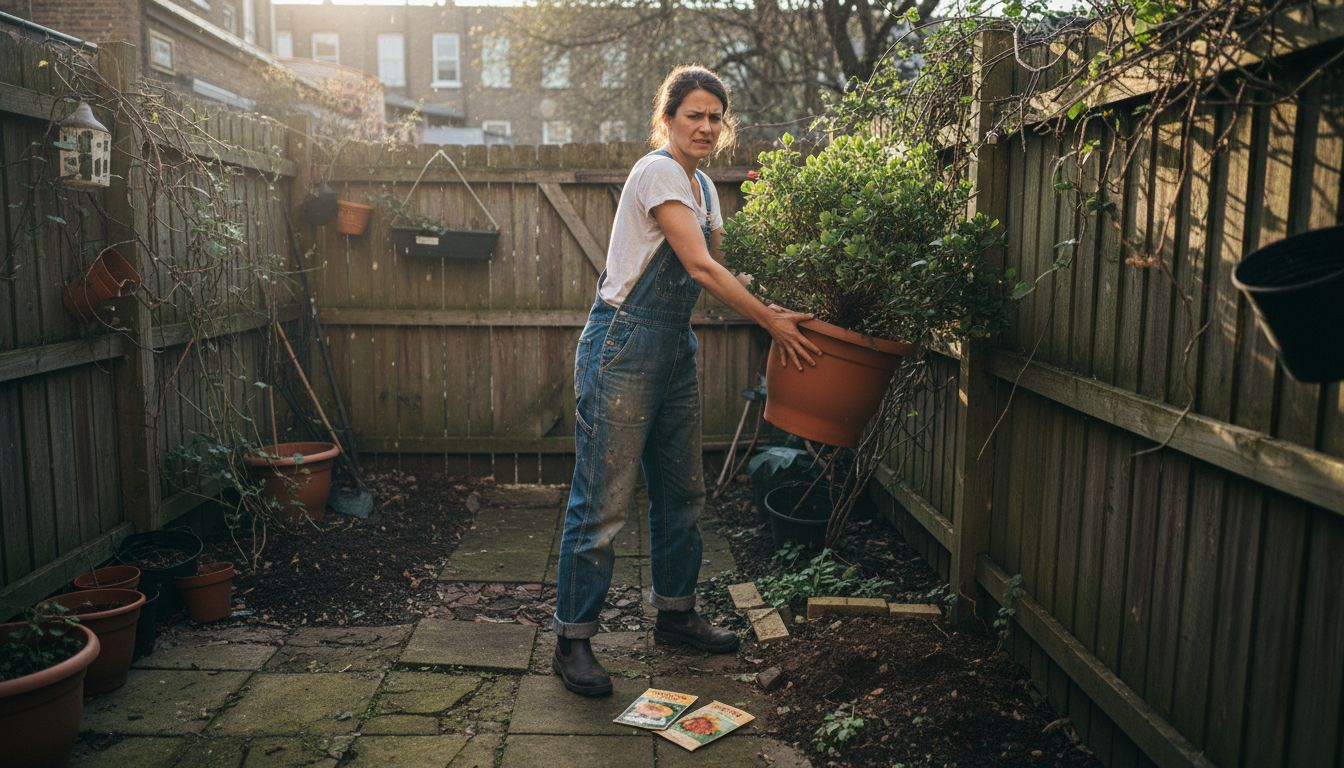
Environmental challenges further complicate urban gardening success. Urban street tree and garden management research highlights significant obstacles like soil contamination, pollution exposure, limited water resources, and restricted root development zones. Gardeners must anticipate these constraints by implementing creative solutions such as raised beds, container gardening, vertical planting techniques, and carefully selected substrate mixes that optimize limited growing environments. Understanding these nuanced challenges allows urban gardeners to develop resilient, productive green spaces that thrive despite restrictive conditions.
Pro tip: Always conduct a comprehensive site assessment of your urban garden space, measuring sunlight exposure, evaluating soil quality, and mapping microclimatic variations before selecting and planting any vegetation.
How Planning Errors Affect Plant Health
Garden planning errors can profoundly impact plant health, creating a cascade of consequences that compromise overall plant vitality and ecosystem balance. Plant-pathogen interactions reveal how seemingly minor planning mistakes can significantly weaken plants’ natural defense mechanisms, making them vulnerable to diseases and environmental stresses. Understanding these intricate relationships is crucial for maintaining robust and healthy garden ecosystems.
Nutrient management and environmental conditions represent critical factors in plant health that are directly influenced by garden planning decisions. Improper spacing, inadequate soil preparation, and incorrect water allocation can create stress conditions that compromise plants’ ability to resist pathogens and pests. Common planning errors like overcrowding plants, using inappropriate soil mixes, or failing to consider microclimatic variations can lead to reduced plant vigor, stunted growth, and increased susceptibility to diseases. Systemic stress emerges when plants cannot access sufficient resources or adapt to their growing environment.
Global plant health perspectives emphasize that comprehensive garden planning goes beyond aesthetic considerations, representing a critical approach to maintaining ecosystem resilience. Gardeners must recognize that poor planning can trigger a domino effect of health complications, including weakened immune responses, reduced nutrient absorption, and increased vulnerability to environmental fluctuations. Strategic planning involves creating balanced environments that support plants’ intrinsic growth requirements, considering factors like soil composition, water management, sunlight exposure, and potential pest interactions.
Pro tip: Conduct a detailed site assessment before planting, mapping out precise environmental conditions and potential stress factors to create an optimal growing environment that supports long-term plant health.
Essential Steps for Better Garden Layouts
Creating an effective garden layout requires a strategic approach that balances aesthetic appeal with functional design principles. Garden design fundamentals emphasize the critical importance of integrating hardscape and softscape elements to create a cohesive and sustainable outdoor environment. Successful layouts go beyond simple plant placement, requiring careful consideration of how different garden components interact and support each other.
The first step in developing an exceptional garden layout involves comprehensive site analysis. This means thoroughly assessing your specific space, including topography, soil conditions, sunlight patterns, and existing landscape features. Spatial mapping becomes crucial in understanding how to maximize your garden’s potential. Gardeners should create detailed sketches that account for multiple factors such as plant height, spread, growth patterns, and seasonal variations. By developing a strategic plan that considers the unique characteristics of your specific location, you can avoid common design mistakes that limit garden productivity and visual appeal.
Integrating functional design elements requires thoughtful coordination between different garden components. This includes planning pathways, creating visual focal points, and ensuring proper circulation within the garden space. Water features, seating areas, and transitional zones must be strategically positioned to enhance both the aesthetic and practical aspects of the garden. The goal is to create a harmonious environment that feels both intentional and naturally balanced, where each element supports and complements the others. Successful garden layouts transform outdoor spaces from mere plant collections into living, dynamic ecosystems that evolve and thrive over time.
Below is a summary of essential design considerations for creating a functional and attractive garden layout:
| Design Element | Purpose | Example Benefit |
|---|---|---|
| Pathways | Facilitate movement and guide visitors | Improved accessibility |
| Focal Points | Create visual interest and structure | Enhanced aesthetics |
| Water Features | Add ambiance and support wildlife | Attracts pollinators |
| Seating Areas | Provide space to relax and enjoy the garden | Encourages garden use |
| Plant Grouping | Organize by size, color, or needs | Balanced appearance |
Pro tip: Develop a scaled garden layout drawing that includes precise measurements and projected plant growth zones before making any permanent installations.
Smart Plant Selection and Spacing Tips
Selecting and spacing plants effectively requires a nuanced understanding of each species’ unique growth requirements and environmental interactions. Plant spacing strategies play a critical role in determining garden success, balancing resource allocation and preventing competitive stress between plants. The art of strategic plant placement goes far beyond simple aesthetic considerations, demanding careful analysis of each plant’s specific needs and potential interactions.
Successful plant selection begins with comprehensive site evaluation and thorough research into individual plant characteristics. Gardeners must consider multiple factors including sunlight exposure, soil composition, water requirements, and potential mature plant dimensions. Spatial compatibility becomes paramount in creating a thriving garden ecosystem. Different plant species have varying spatial needs – some require generous room to spread, while others can be planted more closely. Vegetable garden spacing guidelines highlight how precise plant positioning improves air circulation, reduces disease transmission, and facilitates easier garden maintenance.
Beyond basic spacing, smart plant selection involves understanding complex ecological relationships. Native plants often perform best in their indigenous environments, while non-native species might require specialized care. Gardeners should prioritize plants that naturally complement each other, creating symbiotic relationships that enhance overall garden health. This approach means considering factors like companion planting, potential pest interactions, and how different plant root systems might interact underground. The ultimate goal is creating a balanced, self-supporting garden environment where each plant contributes to the collective ecosystem’s resilience and productivity.
Pro tip: Create a detailed garden map with precise plant spacing measurements, accounting for each species’ expected mature size and growth patterns before making final planting decisions.
Optimizing Light, Water, and Soil Quality
Achieving optimal garden performance requires a holistic approach to managing three critical environmental factors: light, water, and soil quality. Irrigation planning strategies demonstrate that precise management of these elements can dramatically improve plant health and garden productivity. Gardeners must understand the intricate relationships between these fundamental resources to create thriving, sustainable growing environments.
Light represents the foundational energy source for plant growth, requiring careful consideration of each plant’s specific photosynthetic needs. Different plant species have unique light requirements, ranging from full sun exposure to deep shade conditions. Gardeners must map their garden’s sunlight patterns throughout the day and year, accounting for seasonal variations and potential shade from structures or other plants. Spectral management becomes crucial in optimizing plant development, with some species requiring specific light intensities and durations to trigger optimal growth and flowering processes.
Controlled environment agriculture research reveals the profound impact of precise environmental manipulation on plant performance. Water and soil quality interact dynamically, influencing nutrient absorption, root development, and overall plant resilience. Effective garden management involves understanding soil composition, implementing strategic irrigation techniques, and maintaining appropriate moisture levels. This requires regular soil testing, monitoring drainage characteristics, and developing targeted watering schedules that prevent both over and under-hydration. The goal is creating a balanced ecosystem where water, nutrients, and environmental conditions work synergistically to support robust plant growth.
Pro tip: Invest in a comprehensive soil testing kit and moisture meter to develop a data-driven approach to garden management, allowing you to make precise adjustments to your garden’s environmental conditions.

Avoid Common Garden Planning Mistakes with Expert Guidance
Planning a garden can feel overwhelming especially when facing challenges like poor plant selection, misjudged sunlight needs, or overcrowding. This article highlights key pitfalls such as neglecting microclimates and soil conditions that can lead to weak plant growth or even garden failure. If you want to transform those common garden planning errors into successes you need practical advice rooted in real gardening experience.
At Lushy Gardens we understand the frustration of watching plants struggle and the desire to create a thriving green space. Explore our Gardening Tips – Lushy Gardens to get actionable solutions on avoiding these pitfalls. For inspiration on arranging your garden for both beauty and functionality visit Design Ideas – Lushy Gardens. Ready to take the first step toward a flourishing garden that suits your unique space Start now at Lushy Gardens and gain the confidence to plan with purpose and passion.
Frequently Asked Questions
What are the most common garden planning mistakes?
Common mistakes include poor plant selection for local conditions, ignoring sunlight patterns, overcrowding plants, and not conducting adequate soil research.
How does improper plant selection affect garden success?
Choosing plants that are incompatible with your local soil, climate, or light conditions can lead to plant stress and potential failure, resulting in a less productive garden.
Why is it important to consider microclimates in garden planning?
Microclimates refer to small areas within your garden that may have different environmental conditions. Ignoring them can lead to uneven growth and plant failure, as some plants may struggle in unsuitable zones.
What steps should I take to ensure better plant spacing?
Conduct thorough research on each plant’s mature size and growth patterns, and create a detailed garden map before planting. Adequate spacing improves air circulation and reduces risks of disease.
Recommended
- Simple Garden Design Ideas for Beginners – Lushy Gardens
- Understanding Garden Design for Beginners: Key Concepts – Lushy Gardens
- Basic Garden Design Principles for Urban Homes – Lushy Gardens
- Gardening Basics for Beginners: Complete Guide – Lushy Gardens

I’m Eleanor, a seasoned gardener with over three decades of experience tending to Mother Nature’s creations. Through Lushy Gardens, I aim to share my wealth of knowledge and help fellow plant enthusiasts uncover the wonders of gardening. Let’s dive into this journey together, one leaf at a time.


