
Table of Contents
More than 30 million american households grow their own food, and a growing number are turning to hydroponics for bigger harvests in less space. This method lets you nurture plants indoors, using nutrient-rich water instead of soil, which means cleaner produce and year-round yields even in city apartments. Whether you are curious about efficient urban gardening or want to avoid common pitfalls, understanding hydroponics basics can help you create healthy, productive green spaces at home.
Key Takeaways
| Point | Details |
|---|---|
| Understanding Hydroponics | Hydroponics is an innovative method of growing plants in nutrient-rich water without soil, suitable for urban gardening. |
| Types of Hydroponic Systems | The main hydroponic systems, including Deep Water Culture and Nutrient Film Technique, offer unique advantages and should be chosen based on environmental conditions and plant types. |
| Key Care Considerations | Regular monitoring of pH levels, nutrient concentration, and environmental factors is crucial for successful plant growth in hydroponic systems. |
| Common Challenges | Beginners should be aware of potential issues like nutrient imbalances and root zone problems and implement corrective measures promptly to ensure healthy plants. |
Hydroponics Basics and Essential Concepts
Hydroponics represents a revolutionary growing method where plants are cultivated without traditional soil, instead using nutrient-rich water solutions that deliver essential minerals directly to plant roots. This innovative agricultural technique allows gardeners to grow healthy, robust plants in controlled environments with remarkable efficiency. Understanding hydroponics at home opens up exciting possibilities for urban gardeners and plant enthusiasts seeking alternative growing strategies.
At its core, hydroponic systems rely on several fundamental principles. Nutrient delivery becomes the primary mechanism for plant growth, with carefully balanced mineral solutions replacing soil-based nutrition. According to research from Penn State Extension, plants require specific macro and micronutrients that must be precisely balanced to ensure optimal growth. These nutrients typically include nitrogen, phosphorus, potassium, calcium, magnesium, and sulfur, each playing a critical role in plant development and metabolic processes.
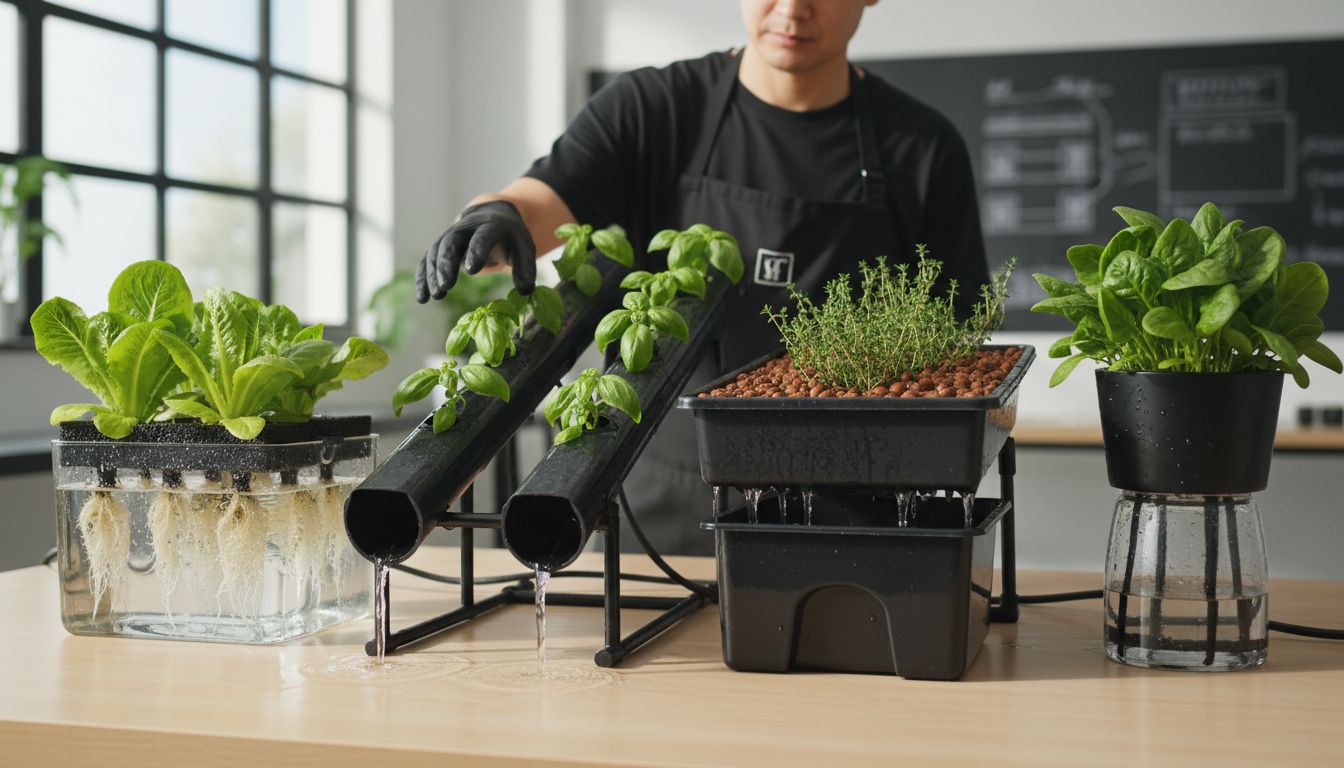
Hydroponic systems can be categorized into several primary types, each with unique characteristics and advantages:
- Deep Water Culture (DWC): Plants suspended directly in nutrient solution
- Nutrient Film Technique (NFT): Thin nutrient stream continuously flows over roots
- Ebb and Flow: Periodic flooding and draining of growing medium
- Drip Systems: Slow, controlled nutrient delivery through specialized emitters
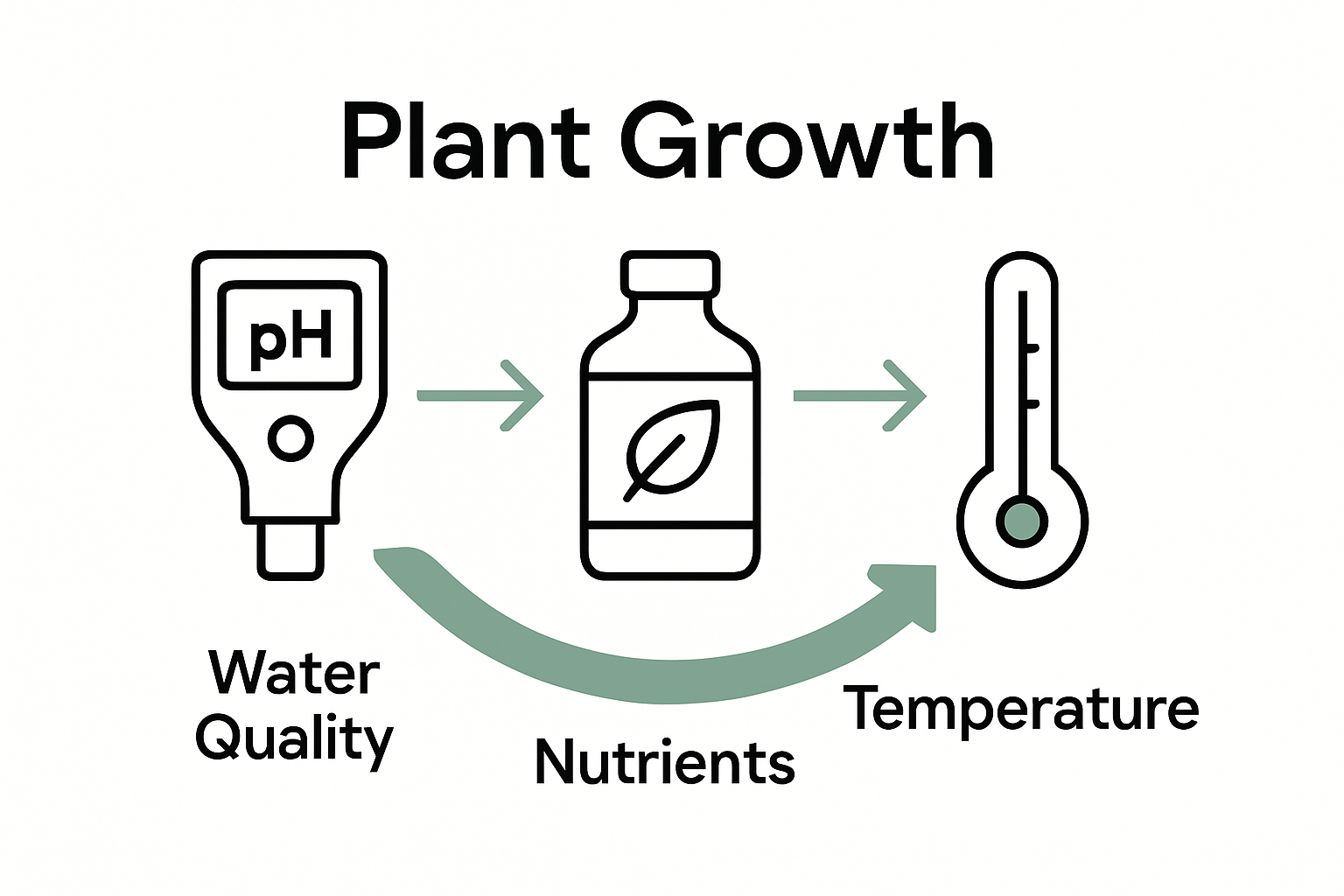
Successful hydroponic gardening demands careful monitoring of several key environmental factors. Water pH levels, nutrient concentration, temperature, and oxygen availability all significantly impact plant health and productivity. Beginners should invest in quality testing equipment and commit to regular system maintenance to ensure consistent plant growth and prevent potential nutrient deficiencies or root stress.
Popular Types of Hydroponic Systems
Hydroponic gardening offers multiple innovative growing systems, each designed to optimize plant nutrition and growth through unique approaches. Vegetable garden watering systems play a crucial role in understanding how different hydroponic techniques can maximize plant health and productivity.
Researchers have identified several primary hydroponic methods, each with distinct characteristics. The Nutrient Film Technique (NFT) involves a thin, continuous stream of nutrient solution flowing over plant roots, allowing maximum oxygen exposure and efficient nutrient absorption. According to academic research, hydroponic techniques can be categorized into several key systems:
- Deep Water Culture (DWC): Plants suspended directly in oxygenated nutrient solution
- Nutrient Film Technique (NFT): Continuous thin nutrient stream over root systems
- Ebb and Flow: Periodic flooding and draining of growing area
- Aeroponic Systems: Roots suspended in air, misted with nutrient solution
- Drip Systems: Slow, controlled nutrient delivery through specialized emitters
Each hydroponic system presents unique advantages and challenges. Successful implementation requires careful consideration of plant species, available space, and specific environmental conditions. Beginners should start with simpler systems like Deep Water Culture or Drip Systems, which offer more predictable performance and easier maintenance while providing an excellent introduction to soilless growing techniques.
Step-By-Step: Setting Up Your First System
Launching your first hydroponic garden requires careful planning and methodical execution. Indoor herb garden ideas can provide inspiration for beginners looking to start their soilless growing journey with manageable, compact systems.
According to comprehensive hydroponic system guidelines, setting up a successful hydroponic system involves several critical steps:
- Select Your System Type
- Choose a beginner-friendly system like Deep Water Culture or Drip System
- Consider available space, budget, and plant types
- Evaluate lighting and environmental conditions
- Gather Essential Equipment
- Hydroponic reservoir or growing container
- Air pump and air stones
- Nutrient solution
- pH testing kit
- Growing medium (rockwool, clay pellets)
- Grow lights
- Water quality testing equipment
- Prepare Nutrient Solution
- Mix hydroponic nutrients according to manufacturer instructions
- Ensure precise nutrient concentration
- Balance pH levels between 5.5 and 6.5
- Use filtered or distilled water for best results
- Plant Your Crops
- Select fast-growing, beginner-friendly plants
- Carefully transplant seedlings into growing medium
- Ensure roots are properly positioned in nutrient solution
- Monitor plant health and growth consistently
Successful hydroponic gardening demands patience and continuous learning. Beginners should start small, document their process, and be prepared to adjust their approach based on plant performance and environmental conditions.
Choosing and Caring for Hydroponic Plants
Selecting the right plants for your hydroponic system is crucial to achieving successful growth and maximizing your gardening potential. Indoor plant care tips provide valuable insights into maintaining healthy plants across various growing environments.
According to comprehensive hydroponic plant selection guidelines, certain plant varieties thrive exceptionally well in soilless systems. Beginner-friendly plants that perform remarkably in hydroponic setups include:
- Leafy Greens
- Lettuce
- Spinach
- Kale
- Swiss chard
- Herbs
- Basil
- Mint
- Cilantro
- Parsley
- Compact Fruiting Plants
- Cherry tomatoes
- Peppers
- Strawberries
Successful hydroponic plant care requires consistent monitoring of environmental factors. Temperature, humidity, nutrient concentration, and light exposure must be carefully managed to ensure optimal plant health. Beginners should start with fast-growing, resilient plants that can tolerate minor fluctuations while providing quick, satisfying results. Regular observation and willingness to adjust your approach will transform your hydroponic gardening experience from challenging to rewarding.
Troubleshooting Common Hydroponic Mistakes
Hydroponic gardening presents unique challenges that can frustrate beginners, but understanding common issues helps prevent long-term plant health problems. How to save dying plants naturally provides critical insights into recognizing and addressing plant stress early.
According to comprehensive hydroponic system research, several critical mistakes frequently emerge for new hydroponic gardeners:
Most Common Hydroponic Challenges:
- Nutrient Imbalances
- Incorrect nutrient concentration
- Unbalanced mineral ratios
- pH level instability
- Environmental Stress
- Inadequate lighting
- Temperature fluctuations
- Poor air circulation
- Root Zone Issues
- Oxygen deprivation
- Root rot
- Excessive moisture
Diagnostic and Correction Strategies:
- Regularly test nutrient solution pH and electrical conductivity
- Monitor plant leaf color and growth patterns
- Maintain consistent environmental conditions
- Clean and sterilize hydroponic equipment frequently
- Replace nutrient solutions at recommended intervals
Successful hydroponic gardening requires patience and consistent monitoring. By understanding potential issues and implementing proactive management techniques, gardeners can create thriving soilless growing environments that produce healthy, vibrant plants.

Unlock Your Hydroponic Gardening Potential Today
Starting your journey with hydroponics can feel overwhelming with so many system types and nutrient balances to manage. You want to grow thriving plants without soil but might worry about handling pH levels, nutrient solutions, and monitoring your system effectively. This guide covers everything from basic hydroponic concepts to common mistakes so you can build confidence and enjoy a rewarding growing experience.
If you are ready to dive deeper and build strong foundational skills explore our Gardening for Beginners – Lushy Gardens for practical advice that helps you avoid pitfalls early on. For ongoing success tips and plant care strategies visit Gardening Tips – Lushy Gardens to keep your indoor garden flourishing. Don’t wait to create your own green oasis — start learning and growing with us today at Lushy Gardens and watch your hydroponic garden thrive step by step.
Frequently Asked Questions
What is hydroponics and how does it work?
Hydroponics is a soil-less growing method that uses nutrient-rich water solutions to deliver essential minerals directly to plant roots. This technique allows for controlled growing environments, leading to healthier plants and increased efficiency in growth.
What are the main types of hydroponic systems available for beginners?
Beginners can start with several types of hydroponic systems, including Deep Water Culture (DWC), Nutrient Film Technique (NFT), Ebb and Flow, Aeroponic Systems, and Drip Systems. DWC and Drip Systems are often recommended for their simplicity and ease of maintenance.
How do I set up my first hydroponic system?
To set up a hydroponic system, select a beginner-friendly type, gather essential equipment like a reservoir, air pump, and nutrient solution, prepare the nutrient solution, and plant your crops. Ensure you monitor pH and environmental conditions for optimal growth.
What plants are best suited for hydroponic gardening?
Some of the best plants for hydroponic gardening, especially for beginners, include leafy greens like lettuce and spinach, herbs like basil and mint, and compact fruiting plants such as cherry tomatoes and peppers. These plants tend to thrive in soilless systems and are quicker to yield results.
Recommended
- Understanding Hydroponics at Home: A Beginner’s Guide – Lushy Gardens
- Understanding Beginner Greenhouse Gardening Concepts – Lushy Gardens
- Blog – Lushy Gardens
- Watering Indoor Plants Made Easy: Your Step-by-Step Guide – Lushy Gardens

I’m Eleanor, a seasoned gardener with over three decades of experience tending to Mother Nature’s creations. Through Lushy Gardens, I aim to share my wealth of knowledge and help fellow plant enthusiasts uncover the wonders of gardening. Let’s dive into this journey together, one leaf at a time.


