
Table of Contents
Most american gardeners are surprised to learn that a single nutrient shortfall can cause up to 61 percent less plant growth in their favorite crops. Magnesium deficiency slips under the radar but affects everything from leaf color to fruit production. Understanding what triggers this widespread issue and spotting early warning signs allows gardeners to build stronger, healthier plants while sidestepping costly mistakes caused by hidden nutrient imbalances.
Key Takeaways
| Point | Details |
|---|---|
| Importance of Magnesium | Magnesium is crucial for plant growth, affecting photosynthesis and chlorophyll production. Deficiency can significantly reduce biomass and overall plant health. |
| Symptoms of Deficiency | Interveinal chlorosis and reduced growth are early signs of magnesium deficiency. Monitoring these symptoms can prevent severe damage to plants. |
| Causes of Deficiency | Magnesium deficiency can be caused by soil conditions, excessive potassium levels, and poor fertilization practices. Understanding these factors is essential for prevention. |
| Prevention and Treatment | Regular soil testing and balanced fertilization can mitigate magnesium deficiency. Utilizing Epsom salts and dolomitic limestone helps restore magnesium levels effectively. |
Understanding Magnesium Deficiency in Plants
Magnesium is an essential macronutrient that plays a critical role in plant growth and development. Plant physiological processes fundamentally depend on this mineral, which serves multiple crucial functions within plant cells. Without adequate magnesium, plants struggle to perform basic metabolic activities and maintain healthy structures.
Scientific research reveals magnesium’s profound importance in plant biology. Systematic studies demonstrate that plants with sufficient magnesium can dramatically improve their photosynthetic capabilities, increasing net CO₂ assimilation by up to 140% and boosting biomass production by 61%. This mineral is particularly vital for chlorophyll formation, enzyme activation, and maintaining cellular structural integrity.
Recognizing magnesium deficiency requires understanding its specific symptoms. Affected plants typically display characteristic signs including yellowing between leaf veins (a condition called chlorosis), reduced growth rates, and weakened overall plant structure. The deficiency often begins in older leaves, where magnesium is mobilized to support newer growth, creating a progressive decline in plant health if not addressed promptly. Gardeners and plant enthusiasts must monitor their plants closely, paying special attention to leaf coloration and growth patterns to catch potential magnesium issues early.
Common Symptoms and Plant Impact
Magnesium deficiency manifests through a range of distinctive symptoms that dramatically impact plant health and development. Interveinal chlorosis emerges as the most prominent early indicator, where leaves develop yellow patches between the green veins, initially appearing on older leaves before progressively spreading to younger growth. This discoloration signals the plant’s diminishing ability to produce chlorophyll, which is essential for photosynthesis and energy production.
As the deficiency advances, plants experience significant physiological stress. The yellowing gradually transitions to more severe symptoms, including leaf browning, tissue necrosis, and stunted overall growth. Reduced chlorophyll production means plants cannot efficiently convert sunlight into energy, leading to weakened structural integrity and compromised nutrient absorption. Common plant diseases can further complicate these underlying nutritional challenges, making early detection and intervention critical for plant survival.

Different plant species exhibit varying responses to magnesium deficiency, but several universal indicators help gardeners identify the problem. Typical signs include crisp, dry leaf edges, premature leaf drop, and reduced fruit or flower production. Root systems also suffer, becoming less robust and more susceptible to environmental stressors. Careful observation of leaf color, growth patterns, and overall plant vigor can help gardeners diagnose and address magnesium deficiencies before they cause irreversible damage to their plants.
Causes of Magnesium Deficiency Issues
The origins of magnesium deficiency in plants are multifaceted, involving complex interactions between soil composition, fertilization practices, and environmental conditions. Nutrient antagonism presents a significant challenge, particularly when high potassium levels disrupt magnesium absorption. This biochemical competition means that excessive potassium can effectively block magnesium uptake, creating a nutritional imbalance that undermines plant health.
Soil characteristics play a crucial role in magnesium availability. Acidic soils with low pH levels typically contain less accessible magnesium, making it difficult for plant roots to extract this essential nutrient. Sandy or heavily leached soils compound the problem, as they naturally contain lower mineral concentrations. Common plant diseases can further exacerbate these nutritional challenges, creating a compounded stress environment that weakens plant resilience and nutrient absorption capabilities.
External factors such as climate, irrigation practices, and agricultural management also significantly influence magnesium deficiency. Excessive rainfall can leach magnesium from soil, while prolonged drought conditions restrict nutrient mobility. Monoculture farming, limited crop rotation, and improper fertilization strategies frequently contribute to mineral depletion. Gardeners and farmers must adopt a holistic approach, regularly testing soil composition, maintaining balanced nutrient profiles, and implementing sustainable agricultural practices to mitigate magnesium deficiency risks.
Diagnosing Magnesium Deficiency Accurately
Magnesium deficiency detection requires a comprehensive approach that combines visual inspection and scientific understanding of plant physiology. Early physiological changes occur rapidly, with alterations in mineral profiles becoming detectable within just 1-2 days of nutrient imbalance. Gardeners must look beyond surface-level symptoms, understanding that the most subtle indicators can reveal critical nutritional challenges before visible damage becomes apparent.
Visual symptoms provide the first line of diagnostic insight. Characteristic signs include interveinal chlorosis, where leaves develop yellow patches between green veins, typically starting with older leaves and progressively spreading. The pattern follows a predictable progression: yellowing between leaf veins, followed by browning leaf edges, reduced growth rates, and potential leaf drop. Understanding common plant diseases can help gardeners distinguish magnesium deficiency from other nutritional or environmental stressors.
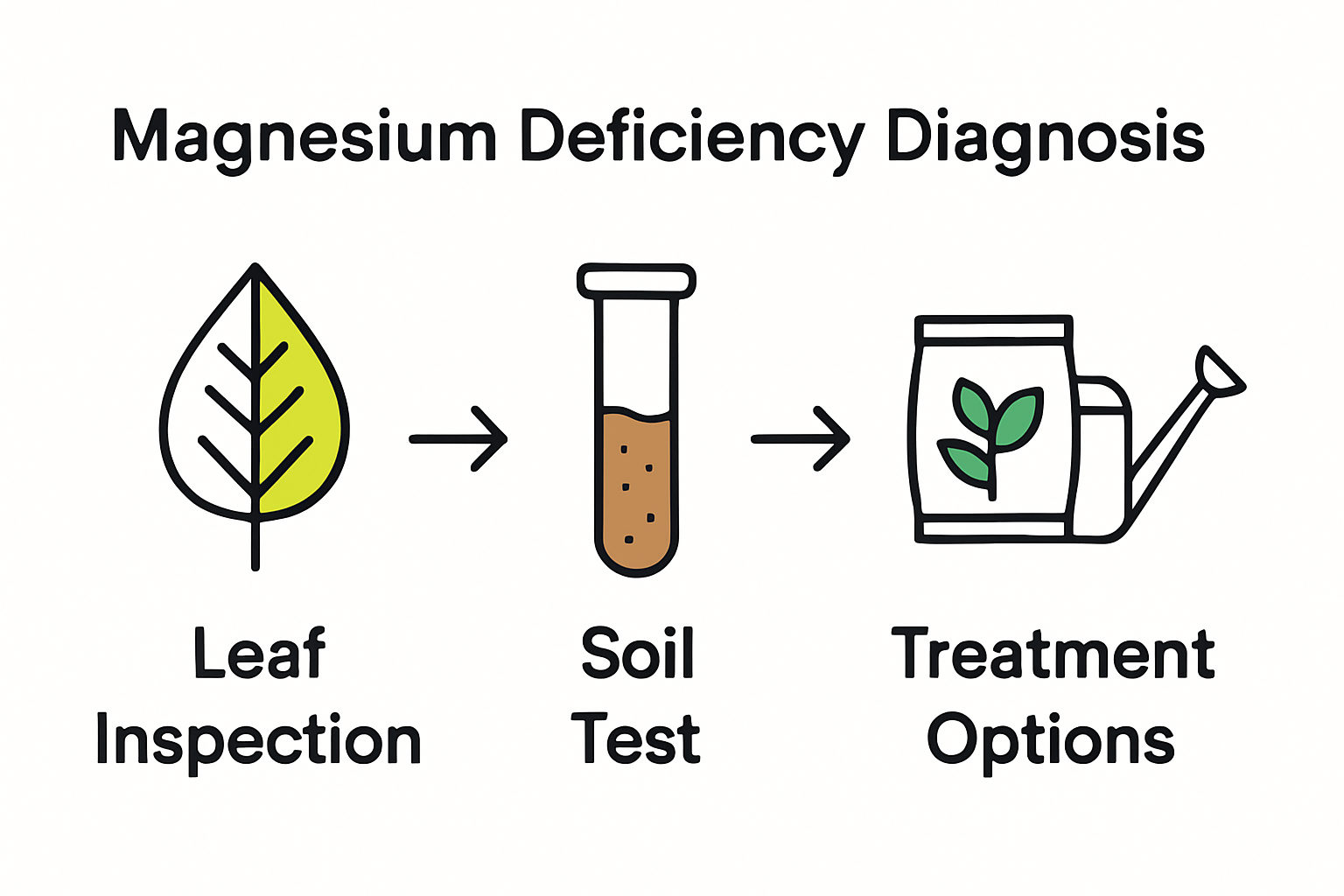
Precise diagnosis demands a multifaceted approach. Gardeners should conduct soil tests to measure magnesium levels, examine leaf tissue mineral composition, and track plant growth patterns. Critical diagnostic steps include assessing leaf color progression, measuring plant growth rates, and understanding the specific nutritional requirements of different plant species. Microscopic examination of leaf tissues can reveal subtle changes in chlorophyll production and cellular structure, providing early warning signs of magnesium deficiency before extensive plant damage occurs.
Prevention and Effective Treatment Methods
Magnesium supplementation requires a strategic and nuanced approach to restore plant health effectively. Targeted nutrient interventions can quickly address deficiency issues, with Epsom salts emerging as a powerful foliar spray solution. Gardeners can prepare a simple magnesium treatment by dissolving Epsom salts in water, creating a nutrient-rich solution that directly addresses mineral imbalances and supports rapid plant recovery.
Soil amendment represents another critical strategy for preventing and treating magnesium deficiency. Incorporating dolomitic limestone helps stabilize soil pH and gradually introduces magnesium into the growing environment. Balanced fertilization becomes paramount, requiring gardeners to carefully manage nutrient ratios and avoid excessive potassium applications that can inhibit magnesium absorption. Understanding common plant diseases can help gardeners recognize when nutritional interventions are most critical.
Prevention demands a proactive, holistic approach to plant nutrition. Regular soil testing, mindful fertilization practices, and consistent monitoring of plant health can significantly reduce magnesium deficiency risks. Gardeners should focus on maintaining optimal soil conditions, selecting appropriate plant varieties for their specific growing environment, and implementing crop rotation strategies that naturally support mineral balance. By developing a comprehensive understanding of plant nutritional needs, gardeners can create resilient growing conditions that minimize the likelihood of magnesium deficiency and support robust plant growth.
Comparing Alternatives and Common Mistakes
Nutrient management requires careful consideration of potential pitfalls and alternative strategies for addressing magnesium deficiency. Excessive potassium fertilization represents a critical mistake that can dramatically undermine plant health. Gardeners often unknowingly create nutritional imbalances by applying potassium-rich fertilizers without understanding the antagonistic relationship between potassium and magnesium absorption.
Alternative treatment methods vary in effectiveness and suitability for different plant species and growing conditions. Organic solutions like composted materials, bone meal, and dolomitic limestone offer more sustainable approaches compared to synthetic fertilizers. Understanding common plant diseases can help gardeners distinguish between nutrient deficiencies and other potential health issues, preventing misguided treatment attempts. Each alternative method carries unique advantages and limitations, requiring gardeners to carefully assess their specific plant needs and soil conditions.
Common mistakes extend beyond fertilization practices. Gardeners frequently overlook critical factors such as soil pH, water quality, and micronutrient interactions that can compound magnesium absorption challenges. Misdiagnosis, overapplication of treatments, and neglecting comprehensive soil health can lead to more severe nutritional problems. Successful plant nutrition demands a holistic approach that considers the complex ecosystem of soil, plant metabolism, and environmental factors, rather than relying on quick-fix solutions or isolated interventions.

Take Control of Magnesium Deficiency and Bring Your Plants Back to Life
Magnesium deficiency can silently rob your plants of life and vitality leaving you frustrated as you watch yellowing leaves and stunted growth. Understanding symptoms like interveinal chlorosis and nutrient imbalances with potassium is essential but taking action is the real game changer. If you want healthier greener plants with stronger growth you need more than just knowledge. You need practical, proven solutions tailored for your garden’s unique needs.
At Lushy Gardens we empower gardeners like you with actionable advice on detecting nutrient deficiencies and improving soil health. Learn how to use natural treatments such as Epsom salts foliar sprays and dolomitic limestone to restore magnesium levels effectively. Explore expert insights and hands-on guides that help you avoid common mistakes like overfertilizing with potassium and misdiagnosing plant problems. Don’t let magnesium deficiency hold your garden back anymore. Visit Lushy Gardens today and unlock the full potential of your plants with tips you can trust.
Frequently Asked Questions
What are the symptoms of magnesium deficiency in plants?
Magnesium deficiency typically presents as yellowing between leaf veins, known as interveinal chlorosis. Other symptoms include stunted growth, crisp leaf edges, and premature leaf drop.
How can I diagnose magnesium deficiency in my plants?
To diagnose magnesium deficiency, visually inspect plants for yellowing leaves, conduct soil tests to measure magnesium levels, and track growth patterns. Microscopic examination of leaf tissues can also help identify subtle changes in chlorophyll production.
What are effective methods to treat magnesium deficiency in plants?
Effective treatment methods include applying Epsom salts as a foliar spray and incorporating dolomitic limestone into the soil. Balanced fertilization and soil amendment are also essential strategies for preventing and treating magnesium deficiency.
Why is magnesium important for plant health?
Magnesium is crucial for chlorophyll formation, enzyme activation, and maintaining cellular structure. It aids in photosynthesis and energy production, directly impacting plant growth and overall health.
Recommended
- How to Remove Salt from Softened Water for Plants – Lushy Gardens
- Blog – Lushy Gardens
- Complete Guide to Common Plant Diseases – Lushy Gardens
- Light Requirements for Plants: Complete Guide – Lushy Gardens
- Why Supplement Magnesium: Complete Science-Backed Guide – Nutribliss Inc.
- Magnesium Mangelerscheinung: Wenn dein Körper dir Signale sendet – mybody®x

I’m Eleanor, a seasoned gardener with over three decades of experience tending to Mother Nature’s creations. Through Lushy Gardens, I aim to share my wealth of knowledge and help fellow plant enthusiasts uncover the wonders of gardening. Let’s dive into this journey together, one leaf at a time.


