
Table of Contents
More than 90 percent of gardeners notice signs of pests before they see the actual insects. Catching problems early is the key to protecting your garden without turning to harsh chemicals. If you want a thriving organic garden, knowing how to spot and handle pest activity makes all the difference. Here you will find practical steps for identifying, controlling, and preventing pests the natural way.
Quick Summary
| Key Point | Explanation |
|---|---|
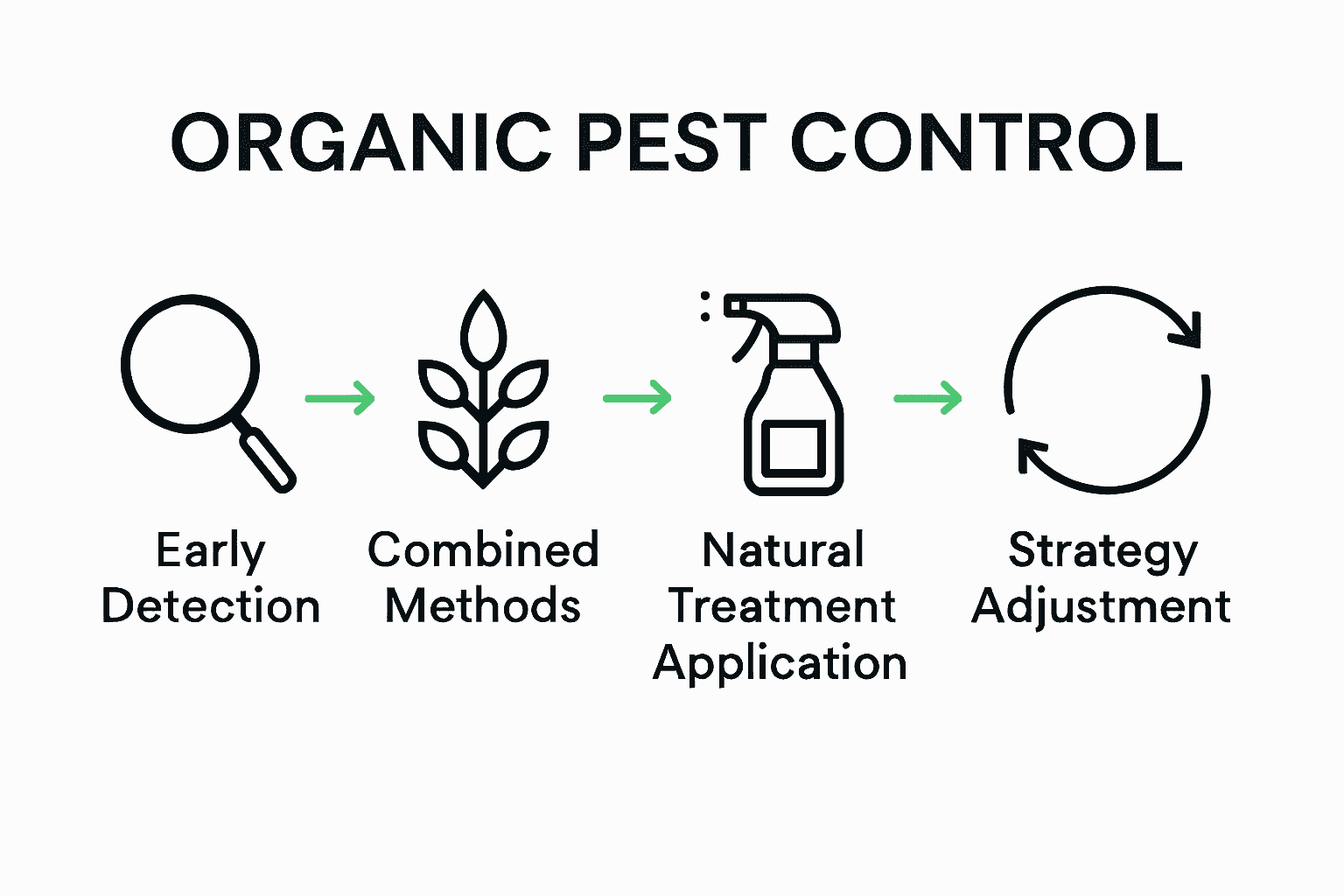
| 1. Early detection is crucial | Regularly inspect plants for signs of pests to catch problems before they escalate. |
| 2. Use multiple organic control methods | Combine strategies like trap crops, companion planting, and physical barriers for effective pest management. |
| 3. Monitor regularly and meticulously | Keep a weekly log of plant health and pest activity to track changes and adapt strategies accordingly. |
| 4. Apply natural treatments carefully | Use homemade sprays and apply them at optimal times to minimize damage and maximize effectiveness. |
| 5. Adjust strategies based on observations | Be flexible and willing to modify techniques as pests evolve and environmental conditions change. |
Step 1: Identify Pest Problems Organically
Successful organic gardening starts with understanding and detecting pest issues before they become major problems. In this step, we’ll explore how to systematically and naturally identify potential garden pest challenges without relying on harsh chemicals.
According to cdpr.ca.gov, effective pest management begins with early detection and regular garden inspections. Look for telltale signs of pest activity such as unusual leaf damage, bite marks, webbing, or discoloration. Pay close attention to the undersides of leaves where many insects like to hide. Each pest leaves unique marks: caterpillars create ragged leaf edges, aphids cause curling and yellowing, while slugs leave silvery slime trails across your plants.
The Organic Growers School recommends closely examining your plants for specific damage patterns. For instance, tomato hornworms create large, clean holes in leaves and can strip entire branches quickly. Japanese beetles leave skeletonized leaves with only veins remaining. Learn to recognize these distinctive damage signatures to catch infestations early.
One pro tip: Keep a garden journal with dated photographs of pest damage. This visual record helps you track patterns, identify repeat offenders, and plan more targeted organic interventions in future growing seasons. By becoming an observant gardener who understands pest behavior, you transform problem detection from a reactive task into a proactive strategy.
Step 2: Select Suitable Organic Control Methods
Now that you have identified potential pest problems, it is time to choose targeted and environmentally friendly control methods that protect your garden ecosystem. The goal is to manage pests effectively while maintaining the natural balance of your garden.
According to University of Missouri Extension, strategic organic pest management involves multiple approaches. Consider using trap crops to draw pests away from your primary plants, select plant varieties naturally resistant to common local pests, and adjust your planting dates to avoid peak pest population periods. Wildlife Trusts recommend companion planting as another powerful technique implementing herbs and marigolds that naturally repel unwanted insects.
Physical barriers provide another excellent organic defense strategy. Use horticultural fleece to protect vulnerable plants, implement crop rotation to disrupt pest life cycles, and create diverse garden environments that attract beneficial predatory insects. By mixing these methods, you create a comprehensive organic pest control system that works with nature instead of against it. One pro tip: observe which strategies work best in your specific garden and keep detailed notes for future seasons.
Step 3: Prepare and Apply Natural Treatments
With pest problems identified and control strategies selected, it is time to craft and apply targeted natural treatments that protect your garden without harsh chemicals. This step transforms your organic pest management from concept to practical action.
Pesticides.Org provides excellent recipes for homemade natural treatments. Create an insecticidal soap spray by mixing mild liquid soap with water, which effectively controls soft bodied insects like aphids and mites. Similarly, Purdue University Extension recommends using organic solutions like neem oil and Bacillus thuringiensis (Bt), which target specific pest types while preserving beneficial garden insects.
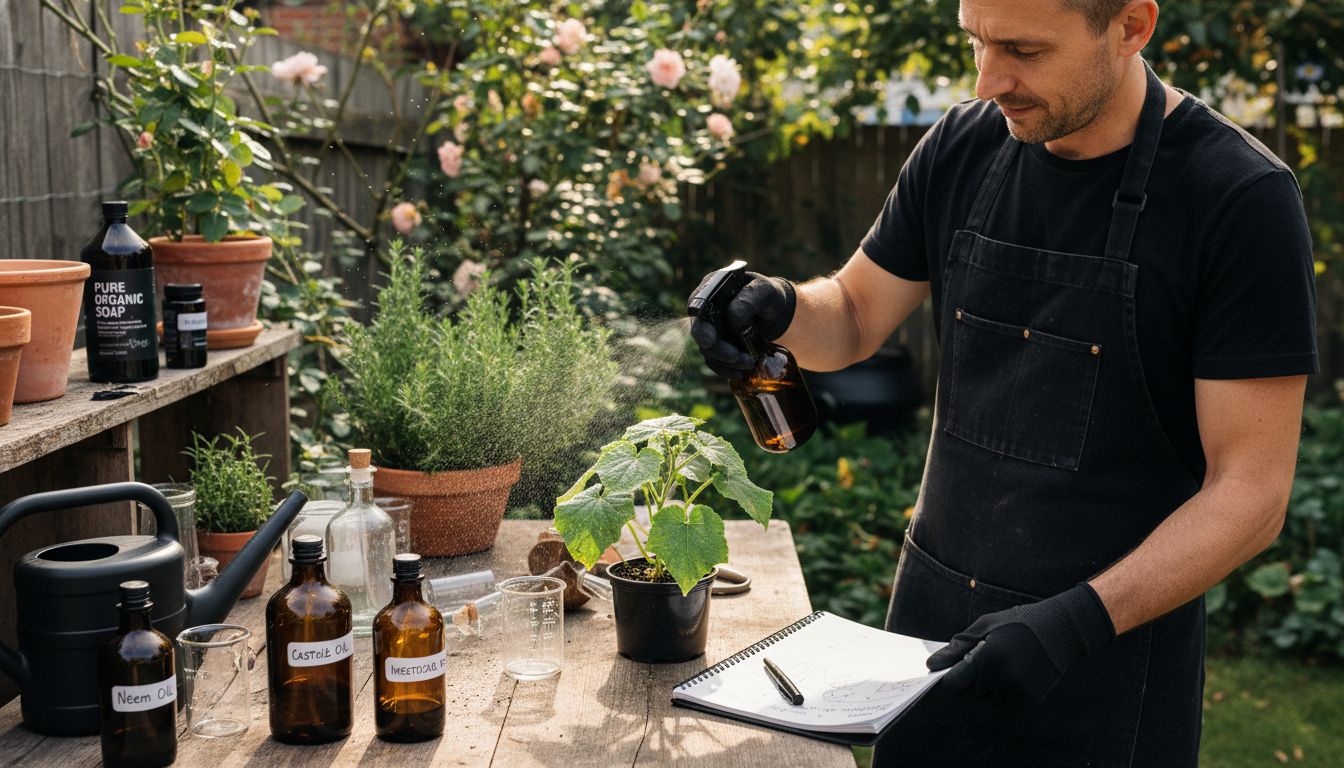
When applying natural treatments, precision matters. Always test your homemade sprays on a small plant section first to ensure no damage occurs. Use a fine mist sprayer for even coverage, targeting the undersides of leaves where pests often hide. Apply treatments early morning or late evening when temperatures are cooler and beneficial insects are less active. Remember that organic treatments require more frequent application than synthetic pesticides, so consistency is key to maintaining a healthy garden ecosystem. For best results, rotate between different natural treatments to prevent pest resistance and support overall garden biodiversity.
Step 4: Monitor Plant Health and Pest Activity
With natural treatments applied, your next crucial step is developing a systematic approach to monitoring your garden ecosystem. This ongoing vigilance helps you catch potential issues before they become serious problems and ensures your organic pest control strategy remains effective.
According to Master Gardeners of San Diego County, successful garden health monitoring requires regular systematic inspections. Schedule weekly walkthrough examinations of your garden, carefully observing each plant for subtle changes in leaf color, texture, and overall structure. The University of Hawaii Master Gardener program recommends using a hand lens to inspect plants closely, which helps you identify tiny pests that might escape casual observation.
Keep a detailed garden journal documenting your observations. Note the date, specific plant affected, type of pest or damage, and the treatment applied. This record becomes an invaluable resource for tracking pest patterns, understanding your garden’s unique ecosystem, and refining your organic pest management strategy over time.
Pro tip: Take close up photographs during each inspection to create a visual timeline of your garden’s health progression. By maintaining consistent, thorough monitoring, you transform reactive pest control into a proactive garden management approach.
Step 5: Adjust Strategies for Lasting Results
Organic pest control is not a one size fits all solution but an evolving process of observation, adaptation, and strategic intervention. Your goal in this final step is to fine tune your approach based on the insights gathered from previous monitoring and treatment efforts.
Community Gardening emphasizes the importance of combining multiple organic pest management techniques. Consider integrating diverse methods like neem oil application, diatomaceous earth spread, and companion planting to create a comprehensive pest control ecosystem. Cornell Cooperative Extension recommends regularly modifying your strategies based on ongoing monitoring and specific pest activity patterns in your garden.
As you assess your results, look for subtle changes in pest populations and plant health. Some treatments might work brilliantly in one season but lose effectiveness as pests adapt. Be prepared to rotate between different organic treatments, experiment with new companion planting combinations, and remain flexible in your approach. A successful organic garden is less about perfect elimination and more about maintaining a balanced ecosystem where beneficial insects and plants can thrive. Your consistent observation and willingness to adjust will transform your garden into a resilient natural environment that manages pests with minimal human intervention.
Take Control of Your Garden’s Health with Trusted Organic Strategies
Managing pests naturally can feel overwhelming when you want to protect your plants without harming the environment or beneficial insects. If you have faced the frustration of persistent pests or struggled to find effective organic treatments, you are not alone. This article highlights key steps like identifying pest signs early, using companion planting, and applying natural sprays that keep your garden thriving sustainably. Understanding these concepts empowers you to create a balanced ecosystem where your plants can flourish free from chemical damage.
At Lushy Gardens, we share in your passion for healthier gardens and offer a wealth of practical advice. Dive deeper into our Pest & Disease Management – Lushy Gardens section to explore proven organic pest solutions tailored to your needs. For a broader eco-friendly approach, our Sustainable Gardening – Lushy Gardens category provides inspiring tips on harmony between plants and nature. Start transforming your garden now by visiting Lushy Gardens and discover the expert guidance that will make your organic pest control efforts more confident and successful.
Frequently Asked Questions
How can I identify pest problems in my garden organically?
To identify pest problems organically, conduct regular inspections of your garden and look for signs of pest activity, such as leaf damage, bite marks, or discoloration. Examine the undersides of leaves where pests often hide and keep a garden journal to track damage over time.
What organic control methods can I use for common garden pests?
You can use a variety of organic control methods, including companion planting, trap crops, and physical barriers like horticultural fleece. Combine these strategies to manage pests effectively while maintaining your garden’s ecosystem balance.
How do I prepare and apply natural treatments for pests?
To prepare natural treatments, consider making an insecticidal soap spray by mixing mild liquid soap with water. Apply this spray with a fine mist sprayer, focusing on the undersides of leaves, and test it on a small section of a plant first to ensure no damage occurs.
What steps should I take to monitor my garden’s health and pest activity?
Regularly inspect your plants at least once a week, noting any changes in their condition. Use a garden journal to document specific observations, including the date, type of pest, and any treatments applied, to enhance your proactive pest management efforts.
How can I adjust my organic pest control strategies over time?
To adjust your organic pest control strategies, continuously evaluate the effectiveness of your current methods based on ongoing monitoring. Be flexible to rotate treatments or try new techniques like different companion plants if you notice a decline in pest control effectiveness.
Recommended
- Organic Pest Management: Complete Guide for Gardeners – Lushy Gardens
- What is Organic Gardening? Understanding Sustainable Practices – Lushy Gardens
- Understanding the Benefits of Organic Gardening – Lushy Gardens
- Master Natural Pest Control for a Thriving Garden – Lushy Gardens

I’m Eleanor, a seasoned gardener with over three decades of experience tending to Mother Nature’s creations. Through Lushy Gardens, I aim to share my wealth of knowledge and help fellow plant enthusiasts uncover the wonders of gardening. Let’s dive into this journey together, one leaf at a time.


