
Table of Contents
Urban gardening with limited space presents a unique challenge for anyone wanting more humming bees and fluttering butterflies in their outdoor oasis. For those determined to increase biodiversity, a thoughtful approach starts with a careful habitat assessment using tools like the guides from the Xerces Society. Tailoring your efforts to your garden’s conditions could set the stage for vibrant pollinator activity, bringing your small space to life while improving your local ecosystem.
Quick Summary
| Key Point | Explanation |
|---|---|
| 1. Assess Your Space First | Examine existing plants, sun exposure, and water sources to understand your garden’s pollinator potential. |
| 2. Choose Native Plants | Select plants indigenous to your region for better support and resources for local pollinators. |
| 3. Design Effective Plant Groupings | Arrange native plants in clusters to enhance pollinator attraction and make visiting easier for them. |
| 4. Provide Water and Shelter | Install shallow water sources and diverse habitats to offer hydration and nesting options for pollinators. |
| 5. Monitor and Adjust Regularly | Track pollinator activity to identify successful plants and adapt your garden accordingly for optimal health. |
Step 1: Assess Your Outdoor Space for Pollinator Potential
Understanding your garden’s current pollinator potential is the first critical step toward creating a thriving ecosystem for bees, butterflies, and other essential wildlife. By conducting a thoughtful habitat assessment, you can transform even small urban spaces into vibrant pollinator sanctuaries.
To effectively evaluate your outdoor space, start by examining several key factors. Comprehensive habitat assessment guides recommend analyzing these critical elements:
- Existing Plant Diversity: Count the number and types of flowering plants currently in your space
- Sun Exposure: Note areas receiving direct sunlight versus shaded regions
- Water Availability: Identify potential water sources or areas where water accumulates
- Soil Conditions: Assess soil type, drainage, and current vegetation
Carefully map out your garden’s current landscape, paying special attention to microclimates and potential nesting areas. Some pollinators prefer bare soil patches, while others need dense ground cover or wooden structures. Native bee species, for instance, often nest in small ground holes or undisturbed soil regions.
Pollinators are looking for more than just flowers – they need complete habitat ecosystems that support their entire life cycle.
Your goal is to understand the existing pollinator potential by creating a detailed garden inventory. Sketch a rough garden layout, marking sunny spots, current plantings, and potential improvement zones.
Pro tip: Take multiple daytime photographs of your garden from different angles to help you objectively analyze your space and track potential pollinator habitat improvements.
Step 2: Select Native Plants to Support Local Pollinators
Selecting native plants is the most powerful strategy for creating a pollinator-friendly garden that truly supports local wildlife. By choosing plants that naturally occur in your region, you’ll provide essential resources for bees, butterflies, and other critical pollinators that have evolved alongside these specific plant species.
To identify the best native plants for your area, start by understanding your local ecosystem. Native plant benefits extend far beyond simple aesthetic appeal – they provide critical food and habitat for local wildlife. Consider these key factors when selecting native plants:
- Regional Adaptation: Choose plants indigenous to your specific geographic zone
- Bloom Sequence: Select plants that flower at different times to provide continuous nectar sources
- Plant Diversity: Include a mix of flower shapes and sizes to support various pollinator species
- Native Perennials: Prioritize perennial plants that return yearly with minimal maintenance
Different pollinators have unique preferences. Bumblebees prefer deep, tubular flowers, while butterflies are attracted to flat, clustered blooming plants. Some native bees need specific plants like milkweed or goldenrod for their entire lifecycle.
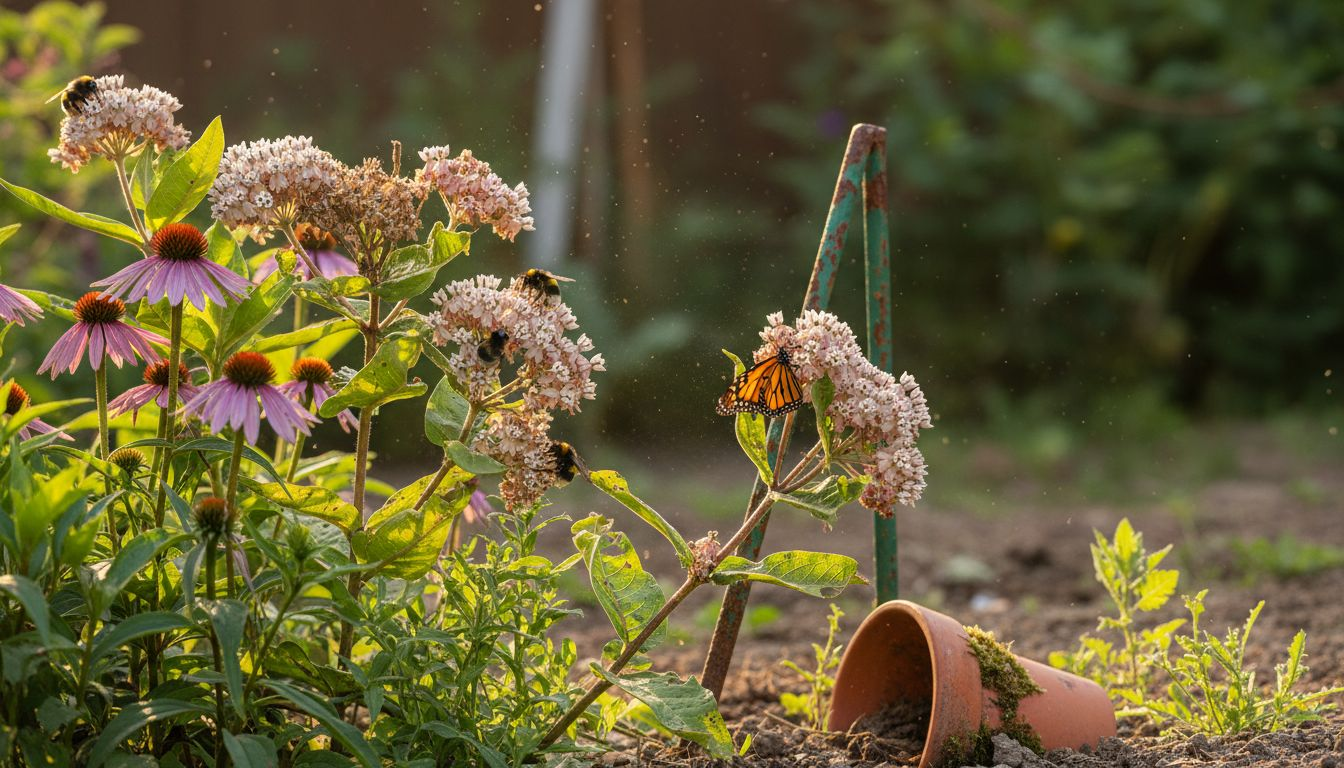
Here’s a summary of how different pollinator types benefit from native plant characteristics:
| Pollinator Type | Preferred Plant Features | Ecological Benefit |
|---|---|---|
| Bumblebees | Deep, tubular flowers | Support long-tongued feeding |
| Butterflies | Flat, clustered blooms | Easy landing and nectar access |
| Native Bees | Specific native plants | Food and nesting for lifecycle |
| Hummingbirds | Vibrant color, tubular shape | High-energy nectar supply |
Not all flowers are created equal – native plants provide the most nutritious and accessible food sources for local pollinators.
Consult local nurseries, botanical gardens, or extension offices to get region-specific recommendations for native plant species that will thrive in your specific climate and support local pollinator populations.
Pro tip: Create a garden map that tracks bloom times and plant types to ensure continuous food sources for pollinators throughout the growing season.
Step 3: Arrange Plant Groupings for Maximum Attraction
Designing a pollinator-friendly garden goes beyond simply choosing the right plants – it’s about creating strategic plant arrangements that maximize attraction and support for local wildlife. Strategic plant clustering dramatically increases pollinator visitation and overall garden biodiversity.
To create the most effective pollinator habitat, focus on these key grouping principles:
- Cluster Size: Plant native species in groups of 3-5 plants of the same species
- Color Coordination: Use complementary colors that attract different pollinator types
- Height Variation: Create multi-level planting zones with varying plant heights
- Continuous Blooming: Arrange plants to ensure flowering throughout multiple seasons
Pollinators navigate gardens most efficiently when flowers are densely grouped. Bees and butterflies expend less energy flying between closely positioned plants, making them more likely to visit and pollinate your garden. Native bees especially appreciate compact flower clusters that provide multiple feeding opportunities in a single location.
Pollinators perceive gardens as landscapes, not individual plants – your arrangement matters as much as your plant selection.
Consider creating dedicated pollinator zones that combine different plant types with complementary blooming periods. This approach ensures a consistent food source and creates visually appealing garden spaces that support local ecosystem health.
Pro tip: Sketch your garden layout before planting, mapping out plant clusters and tracking expected bloom times to create a continuous pollinator paradise.
Step 4: Install Water Sources and Shelter for Visitors
Creating a thriving pollinator garden goes beyond planting flowers – you must also provide essential resources like water and shelter. Pollinator habitat guidelines emphasize the critical importance of accessible water sources and protective spaces for these valuable ecosystem partners.
To support your local pollinators, consider these key strategies for installation:
- Water Features: Create shallow water sources with landing spots
- Shelter Zones: Incorporate diverse habitat structures for different species
- Nesting Materials: Provide natural materials like bare soil and woody debris
- Seasonal Protection: Design areas that offer year-round microhabitats
Water sources should be shallow and include stones or pebbles that allow insects to land safely. Small dishes, birdbaths with graduated depths, or even damp soil patches can provide critical hydration. Different pollinators have unique water requirements – some need moisture, while others rely on morning dew or plant nectar for hydration.
Not all water sources are created equal – design with specific pollinator needs in mind.
Consider creating multiple habitat zones that offer varying levels of protection. Some native bees nest in bare ground patches, while others prefer hollow plant stems or small wood piles. By mimicking natural landscapes, you’ll create a welcoming environment for diverse pollinator species.
Compare common water and shelter options to attract pollinators:
| Resource Type | Example Installations | Pollinator Impact |
|---|---|---|
| Water Source | Shallow dishes, pebbles | Hydration, safe drinking |
| Shelter Zone | Logs, bare soil patches | Nesting, overwintering |
| Nesting Material | Woody debris, hollow stems | Egg-laying, larval development |
Pro tip: Rotate and refresh water sources weekly to prevent mosquito breeding and maintain a clean, safe environment for your pollinator visitors.
Step 5: Monitor Pollinator Activity and Adjust Plantings
Transforming your garden into a thriving pollinator ecosystem requires ongoing observation and strategic adaptation. Pollinator monitoring techniques help you understand which plants truly attract and support local wildlife populations.
Develop a systematic approach to tracking pollinator interactions with your garden:
- Visual Observations: Record species types and frequency of visits
- Photography Documentation: Capture detailed images of pollinator interactions
- Time-Based Tracking: Note active hours and seasonal variations
- Plant Performance: Assess which species attract the most pollinators
Consistent monitoring reveals fascinating patterns in pollinator behavior. Some plants might attract more bees, while others draw butterflies or hummingbirds. Pay attention to not just the quantity of visitors, but also the diversity of species engaging with your garden ecosystem.
Successful pollinator gardens are dynamic – they evolve based on careful observation and responsive management.
Use a simple journal or digital spreadsheet to track your observations. Note the date, time, weather conditions, and specific pollinator interactions. This data will help you make informed decisions about future plant selections and garden design.
Pro tip: Create a seasonal garden map that color-codes plant performance, helping you visualize which areas are most successful at attracting pollinators.
Create a Pollinator Paradise With Expert Gardening Insights
Are you ready to boost your garden biodiversity and create a thriving haven for pollinators like bees and butterflies? The challenge of selecting native plants, arranging effective plant groupings, and providing essential water and shelter can feel overwhelming. This article highlights key steps such as conducting a habitat assessment and monitoring pollinator activity that are essential to success but may leave you wanting practical guidance on how to implement them easily.
At Lushy Gardens, we specialize in making sustainable gardening simple and rewarding. Discover actionable tips and inspiring ideas in our Sustainable Gardening and Design Ideas categories that will help you transform your outdoor space into a pollinator-friendly ecosystem. Our expert advice and plant care guides empower you to take confident steps today and watch your garden flourish with life. Visit us now and start building your pollinator paradise with trusted guidance and tailored strategies.
Frequently Asked Questions
How can I assess my garden’s potential for pollinators?
To assess your garden’s potential for pollinators, examine factors like existing plant diversity, sun exposure, water availability, and soil conditions. Start by mapping your garden layout, marking sunny areas, and counting the types of flowering plants. This comprehensive analysis will help you identify areas for improvement and enhance pollinator habitat.
What native plants should I choose to attract pollinators?
Select native plants that are indigenous to your area, focusing on those that provide continuous bloom throughout the growing season. Include a mix of plant shapes and sizes to cater to various pollinator species. Start with regional resources or local nurseries for recommendations, and aim for at least three different flowering species to support biodiversity.
How should I arrange my plants to maximize pollinator attraction?
Arrange your plants in clusters of 3-5 of the same species to optimize pollinator visits. Incorporate varying plant heights and colors to attract a range of pollinators throughout different seasons. Create a planting layout before planting to effectively strategize how to group your flowers for maximum visibility and access.
What water sources can I provide for local pollinators?
Provide shallow water sources, such as dishes filled with pebbles or birdbaths with varying depths, to offer safe drinking spots for pollinators. Ensure that these sources are easy to access and maintain them by refreshing the water weekly to prevent stagnation. This will help keep your local pollinators hydrated and encourage them to visit your garden.
How can I monitor pollinator activity in my garden?
Monitor pollinator activity by keeping a journal to document the types and frequencies of pollinators visiting your garden. Take notes on specific plants that attract them and observe any seasonal changes in their behavior. Aim to record interactions at least once a week to build a comprehensive understanding of which plants are most effective at attracting local pollinators.
Recommended
- Importance of Pollinators: Boosting Garden Health and Yield – Lushy Gardens
- 7 Must-Have Pollinator Friendly Plants for Urban Gardens – Lushy Gardens
- Understanding Garden Wildlife Habitats for Your Garden – Lushy Gardens
- Understanding the Benefits of Native Plants for Your Garden – Lushy Gardens
- 4,000 Reasons to Love Bees – Luxury Apartments for Rent in Boca Raton | Premium Boca Raton Apartments | Aapartments Boca Raton
- 7 Best Plants for London Gardens and How to Use Them

I’m Eleanor, a seasoned gardener with over three decades of experience tending to Mother Nature’s creations. Through Lushy Gardens, I aim to share my wealth of knowledge and help fellow plant enthusiasts uncover the wonders of gardening. Let’s dive into this journey together, one leaf at a time.


