
Table of Contents
Most American plant lovers are surprised to learn that over 60 percent of yellowing leaves signal a specific imbalance rather than a general decline. This common issue can affect even the most carefully tended houseplants, gardens, and fruit trees. Spotting these yellow clues early could be the key to restoring plant health and preventing bigger problems. Find out how recognizing the right warning signs can save your greenery from lasting damage.
Key Takeaways
| Point | Details |
|---|---|
| Recognize Chlorosis | Yellowing leaves indicate a disruption in chlorophyll production, often due to nutrient deficiencies or environmental stress. |
| Identify Causes | Carefully observe leaf patterns and environmental conditions to diagnose issues like overwatering, nutrient shortages, or pest infestations. |
| Implement Preventive Care | Develop a routine for plant inspection, soil testing, and proper watering practices to minimize stressors that lead to yellowing leaves. |
| Avoid Common Mistakes | Ensure correct fertilization and watering practices tailored to each plant’s needs to prevent nutrient imbalances and water stress. |
What Yellowing Leaves Indicate in Plants
Yellowing leaves are a critical signal that something is wrong with your plant’s health. Often referred to as chlorosis, this condition indicates that your plant’s fundamental chlorophyll production is disrupted. Understanding these yellow warning signs can help you diagnose and resolve potential issues before they cause permanent damage.
Plants typically develop yellowing leaves due to several key underlying problems. Nutrient deficiencies represent a primary cause, with nitrogen, iron, and magnesium shortages being particularly common. Poor drainage, compacted soil, damaged roots, and high soil alkalinity can also trigger leaf discoloration. The location and pattern of yellowing provide important diagnostic clues – whether yellowing starts at leaf edges, between veins, or affects entire leaves can pinpoint specific nutritional or environmental stress factors.
Detecting the root cause requires careful observation. Yellow leaves might indicate overwatering, underwatering, insufficient sunlight, temperature fluctuations, or pest infestations. Some plants naturally shed older leaves as part of their growth cycle, so not all yellowing signals a serious problem. However, widespread or sudden yellowing often suggests an urgent need for intervention. Professional gardeners recommend examining soil moisture, checking root health, assessing light conditions, and potentially conducting a soil nutrient test to determine the exact cause.
Pro Gardener Tip: Perform a weekly visual inspection of your plants, checking leaf color, texture, and overall plant health to catch potential issues early before yellowing becomes extensive.
Common Causes of Leaf Yellowing
Leaf yellowing in plants is a complex issue with multiple potential triggers that can significantly impact plant health. Environmental and nutritional factors play a critical role in causing leaf discoloration, requiring careful diagnostic investigation to determine the underlying problem. Understanding these causes helps gardeners take swift corrective actions before permanent plant damage occurs.
The primary causes of leaf yellowing can be broadly categorized into two main groups: abiotic and biotic factors. Abiotic causes include environmental stressors such as improper watering, extreme temperature fluctuations, inadequate sunlight exposure, and nutrient deficiencies. Nitrogen, magnesium, and iron shortages frequently manifest as yellowing leaves, with each nutrient deficiency producing distinct visual patterns. Biotic causes encompass living organisms like fungal diseases, bacterial infections, and insect infestations that can compromise plant cellular functions and trigger yellowing as a stress response.
Nutrient deficiencies represent a significant contributor to leaf yellowing. Specific nutrient imbalances can lead to stunted growth and widespread chlorosis, with different plants exhibiting unique symptoms based on their genetic makeup and environmental conditions. For instance, nitrogen deficiency typically causes older leaves to yellow first, while iron deficiency often results in yellowing between leaf veins. Gardeners should conduct soil tests and carefully observe leaf discoloration patterns to accurately diagnose and address these nutritional challenges.
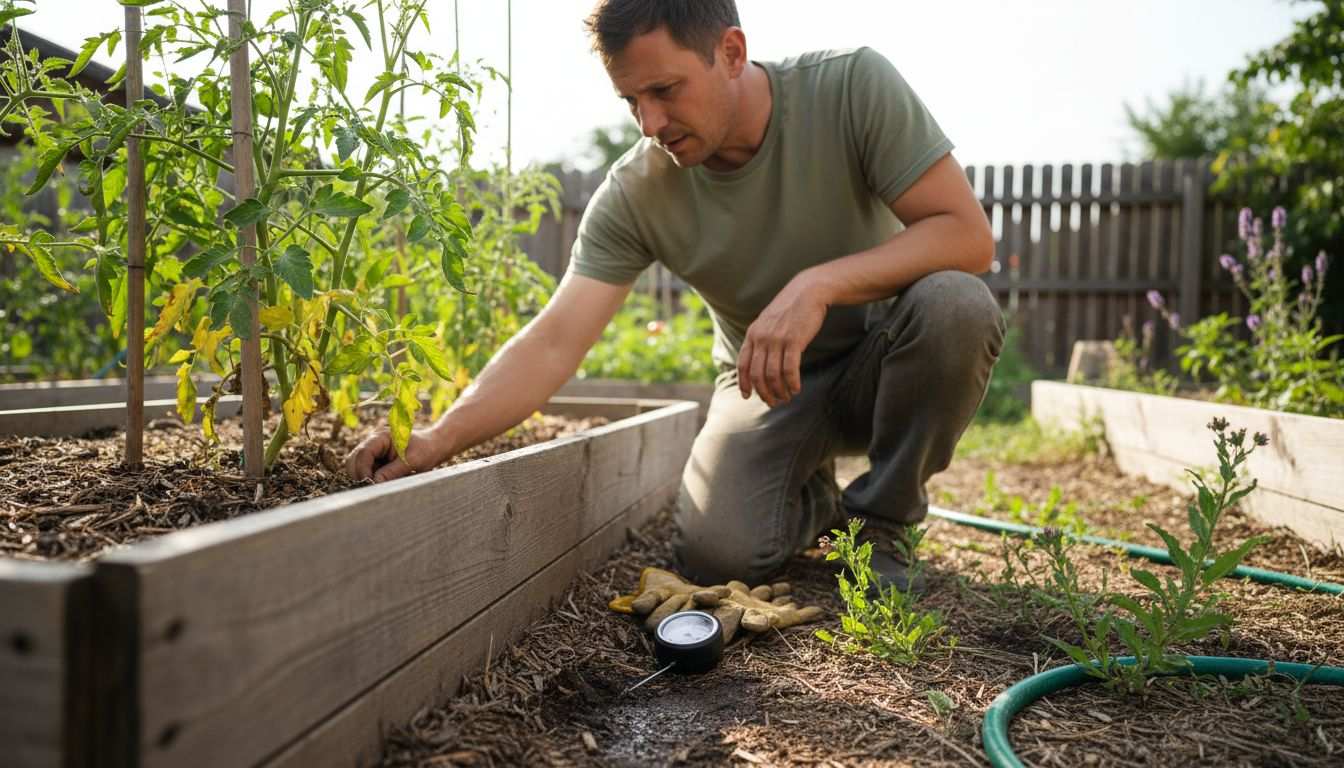
Pro Plant Detective Tip: Photograph your yellowing leaves from multiple angles and track changes weekly, creating a visual record that can help professional gardeners or extension services provide more precise diagnosis and treatment recommendations.
Symptoms and Variations by Plant Type
Leaf yellowing symptoms manifest uniquely across different plant species, reflecting the complex interactions between environmental conditions and plant physiology. Each plant type responds differently to stressors, making precise diagnosis crucial for effective treatment. Understanding these variations helps gardeners distinguish between normal plant processes and potential health issues.
Flowering plants demonstrate particularly nuanced yellowing responses. Ornamental plants like roses and hydrangeas often show yellowing from excess fertilizer or light imbalances, with symptoms appearing first on older leaves or along leaf margins. Vegetable plants such as tomatoes and peppers typically develop yellowing when experiencing nutrient deficiencies, with nitrogen shortage causing uniform yellowing across lower leaves. Fruit trees present another unique pattern, where yellowing might indicate root stress, irrigation problems, or micronutrient imbalances specific to their growth requirements.
Genetic variations significantly influence how different plant species respond to nutrient limitations, with some plants accumulating additional pigments like anthocyanins during stress. Houseplants such as snake plants, pothos, and spider plants exhibit distinctive yellowing patterns – some yellowing from bottom leaves upward, others showing mottled discoloration based on their specific environmental tolerances. Tropical plants often display more dramatic color changes, while desert-adapted species might show more subtle stress indicators.
Pro Plant Identification Tip: Create a detailed plant journal documenting each plant’s unique yellowing patterns, including photographs and environmental conditions, to build a personalized reference for diagnosing future plant health issues.
Diagnosing Yellowing: Key Characteristics
Precise identification of leaf yellowing requires careful observation of specific diagnostic characteristics, transforming a potentially alarming situation into an opportunity for targeted plant care. The location, pattern, and progression of yellow discoloration provide critical insights into the underlying health issues affecting your plants.
Nutrient deficiencies manifest in distinct visual patterns that serve as important diagnostic clues. Iron deficiency typically appears first on younger leaves, creating a distinctive yellowing between green leaf veins known as interveinal chlorosis. Nitrogen deficiency, in contrast, starts with older leaves at the bottom of the plant, gradually moving upward as the plant redirects limited nutrients to newer growth. Zinc and manganese deficiencies follow different progression patterns, with older leaves showing initial discoloration and gradual deterioration.
Beyond nutrient issues, the context of yellowing provides additional diagnostic information. Environmental stressors like improper watering, temperature extremes, and light exposure can trigger yellowing with unique characteristics. Overwatered plants often display uniform yellowing with soft, mushy leaf texture, while underwatered plants show crisp, dry yellowing that begins at leaf edges. Sunlight-related yellowing presents as bleached or washed-out coloration, differing from the more structured patterns of nutrient-related discoloration. Careful gardeners learn to read these subtle variations as a plant’s communication system, revealing its hidden health challenges.
Here is a quick reference to common yellowing patterns and their potential causes:
| Yellowing Pattern | Most Likely Cause | Example Plants |
|---|---|---|
| Yellowing at leaf edges | Potassium deficiency | Roses, Hydrangeas |
| Interveinal yellowing (veins green) | Iron deficiency | Azaleas, Rhododendrons |
| Entire old leaves yellowing | Nitrogen deficiency | Tomatoes, Peppers |
| Uniform yellowing, mushy leaves | Overwatering | Peace lilies, Ferns |
| Crispy yellow leaf margins | Underwatering | Spider plants, Dracaena |
Pro Plant Diagnosis Tip: Take clear, close-up photographs of yellowing leaves from multiple angles, capturing leaf texture, color gradients, and surrounding plant conditions to create a comprehensive visual record for accurate diagnosis.
Effective Remedies and Prevention Strategies
Addressing leaf yellowing requires a comprehensive approach targeting both immediate treatment and long-term plant health prevention, recognizing that successful intervention involves more than simple symptom management. Gardeners must develop a holistic strategy that addresses root causes while implementing proactive care techniques.
Nutrient management represents a critical component of yellowing leaf remediation. Targeted fertilization involves conducting soil tests to precisely identify specific nutrient deficiencies, then applying balanced, plant-specific supplements. Nitrogen-rich fertilizers can quickly address chlorosis in vegetable gardens, while iron supplements work best for ornamental plants showing interveinal yellowing. Organic amendments like compost and worm castings provide slow-release nutrients that gradually improve soil health, creating a more sustainable solution than synthetic quick fixes.
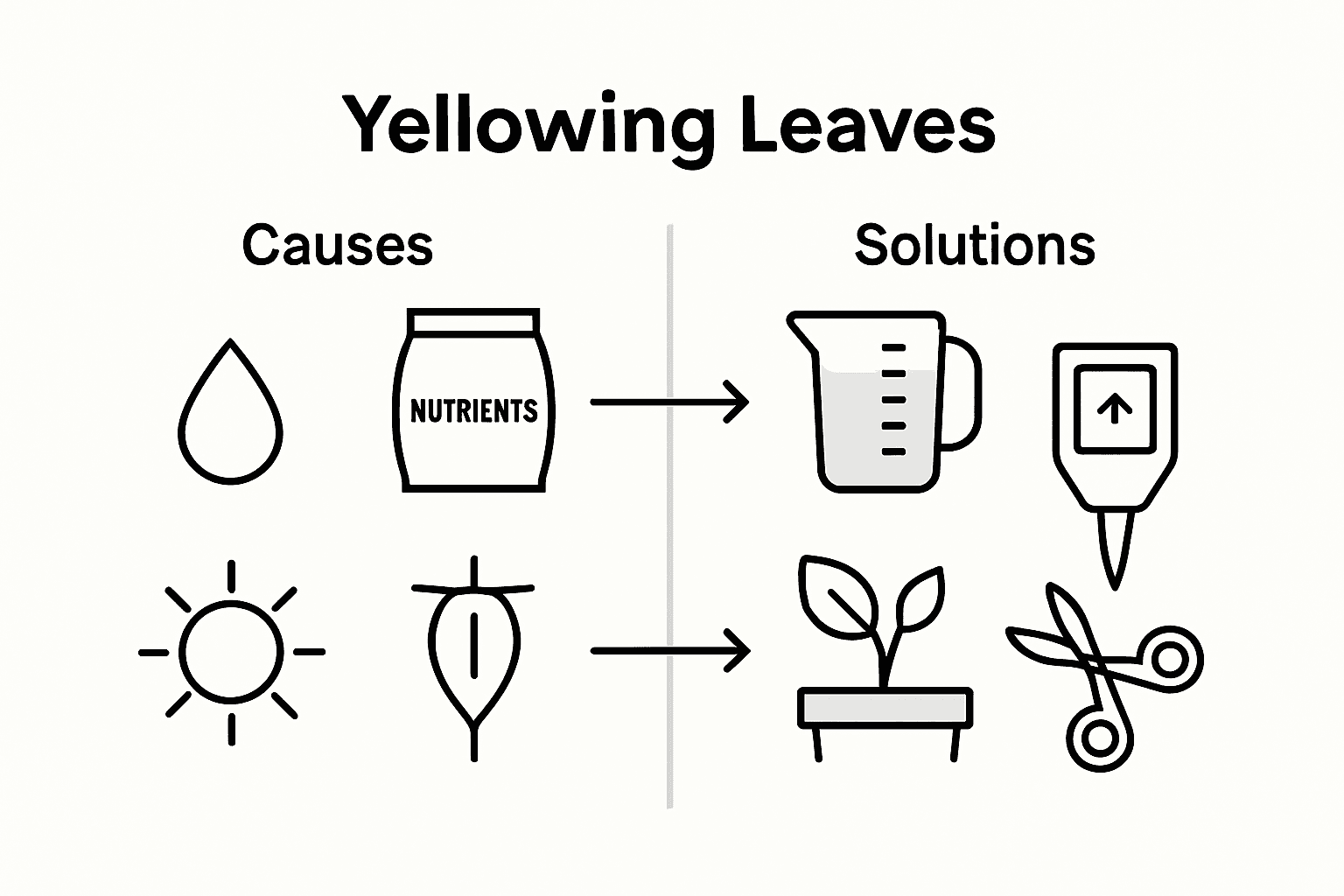
Preventive strategies focus on creating optimal growing conditions that minimize plant stress and potential yellowing triggers. This includes selecting plant varieties well-suited to local environmental conditions, maintaining consistent watering practices, and implementing proper drainage systems. Integrated pest management techniques help gardeners monitor plant health proactively, catching potential issues before they escalate. Regular inspection, appropriate sunlight exposure, and maintaining balanced soil pH can significantly reduce the likelihood of yellowing leaves developing in the first place.
Pro Plant Resilience Tip: Develop a weekly plant inspection routine, checking soil moisture, examining leaf color and texture, and documenting any changes to create an early warning system for potential plant health issues.
The table below summarizes proactive strategies for preventing yellow leaves in different plant environments:
| Plant Setting | Prevention Strategy | Maintenance Frequency |
|---|---|---|
| Indoor Plants | Check light and avoid overwatering | Weekly |
| Outdoor Gardens | Balance fertilization and soil pH | Monthly |
| Potted Plants | Ensure good drainage and repot as needed | Quarterly |
| Vegetable Beds | Rotate crops and amend soil annually | Annually |
Common Mistakes and How to Avoid Them
Gardeners frequently encounter predictable errors that contribute to leaf yellowing, making understanding these common mistakes crucial for plant health. The path to successful plant care involves recognizing and proactively addressing potential pitfalls before they escalate into serious health issues.
One of the most prevalent mistakes is improper fertilization, which can cause more damage than nutrient deficiencies. Over-fertilizing creates toxic soil conditions that burn roots and disrupt nutrient absorption, leading to widespread yellowing. Conversely, under-fertilizing starves plants of essential nutrients, causing similar discoloration. Gardeners must learn to apply fertilizers precisely, using soil tests to determine exact nutritional requirements and choosing plant-specific formulations that provide balanced nutrition without overwhelming delicate root systems.
Watering practices represent another critical area where gardeners commonly make detrimental mistakes. Inconsistent watering – either drowning plants or allowing them to become chronically dehydrated – triggers stress responses that manifest as yellowing leaves. Different plant species have unique water requirements, making it essential to understand individual plant needs. Tropical plants demand consistent moisture, while desert succulents thrive with minimal water. Creating a tailored watering schedule that considers plant type, pot size, soil composition, and environmental conditions prevents the stress that leads to leaf discoloration.
Pro Plant Protection Tip: Develop a personalized plant care notebook tracking each plant’s unique watering, fertilization, and environmental needs, creating a comprehensive reference that helps you avoid common gardening mistakes.
Take Control of Yellowing Leaves with Expert Help from Lushy Gardens
Yellowing leaves can signal serious stress for your plants, from nutrient deficiencies to watering mistakes. If you are struggling to identify the exact cause or need reliable solutions to restore vibrant green foliage, Lushy Gardens offers practical guidance tailored to your needs. Discover expert advice on correctly diagnosing chlorosis patterns, managing nutrient imbalances, and creating ideal growing conditions so your plants can thrive.
Explore our comprehensive Plant Care – Lushy Gardens section for step-by-step tips on preventing and treating yellow leaf issues. Protect your garden from common pitfalls by learning smart watering techniques and fertilization best practices. For those concerned about pests that may worsen discoloration, visit our Pest & Disease Management – Lushy Gardens category. Start transforming your plant health today by visiting Lushy Gardens where real gardeners like Eleanor share trusted knowledge and inspiration. Take the first step toward lush green leaves now and watch your garden flourish.

Frequently Asked Questions
What causes yellowing leaves in plants?
Yellowing leaves in plants can be caused by various factors, including nutrient deficiencies (especially nitrogen, iron, and magnesium), overwatering, underwatering, insufficient sunlight, temperature fluctuations, and pest infestations.
How can I diagnose the reason for my plant’s yellowing leaves?
To diagnose yellowing leaves, observe the location and pattern of the discoloration. For instance, interveinal yellowing often indicates iron deficiency, while yellowing of older leaves suggests nitrogen deficiency. Assess soil moisture and light exposure to identify environmental stressors.
What are effective remedies for yellowing leaves?
Effective remedies include targeted fertilization based on soil tests to address specific nutrient deficiencies, adjusting watering practices to avoid over or underwatering, and ensuring that plants receive adequate sunlight. Creating optimal growing conditions also helps prevent yellowing.
How can I prevent yellowing leaves in my plants?
Preventing yellowing leaves involves maintaining consistent watering practices, ensuring good soil drainage, monitoring light exposure, and conducting regular inspections for pests. Additionally, select plants suited to your environmental conditions and provide proper nutrients as needed.
Recommended
- Why Plants Turn Yellow: Common Causes and Easy Fixes – Lushy Gardens
- Why Is My Snake Plant Turning Yellow: Identifying Causes and Solutions – Lushy Gardens
- Signs of Overwatering: What Every Gardener Should Spot – Lushy Gardens
- Why Is My Snake Plant Drooping – Uncovering the Causes and Solutions – Lushy Gardens
- McCullough Tree Service

I’m Eleanor, a seasoned gardener with over three decades of experience tending to Mother Nature’s creations. Through Lushy Gardens, I aim to share my wealth of knowledge and help fellow plant enthusiasts uncover the wonders of gardening. Let’s dive into this journey together, one leaf at a time.


