
Table of Contents
City apartments often demand low-fuss plants that work hard behind the scenes, and the snake plant brings bold style and proven resilience into any urban home. As indoor plant lovers across New York, London, and Tokyo know, this West African native is more than just a decorative choice. Discover how snake plants combine striking upright leaves with unique air-purifying properties, offering both improved indoor air quality and visual appeal for modern living spaces.
Key Takeaways
| Point | Details |
|---|---|
| Origins and Adaptability | Snake Plants are native to tropical West Africa and are known for their resilience and adaptability to various indoor environments. |
| Air Purification Myths | Although they do purify air, the extent of effectiveness is often exaggerated, and their nighttime oxygen production is minimal. |
| Pet Safety Considerations | Snake plants can be toxic to pets, necessitating careful placement and monitoring to ensure a safe home environment. |
| Diverse Varieties | Various cultivars of Snake Plants cater to different aesthetic preferences and growth conditions, enhancing their appeal as houseplants. |
Snake Plants Explained: Origins and Common Myths
The snake plant, scientifically known as Dracaena trifasciata, boasts a fascinating history rooted in tropical West Africa. Native to the region’s dry landscapes, these resilient plants have captured global attention for their distinctive appearance and remarkable adaptability.
Origins and botanical characteristics define this unique plant’s story. Snake plants earned their intriguing nickname from their vertical, sword-shaped leaves that resemble serpentine forms. Traditional West African ecosystems provided the perfect environment for these plants to develop their extraordinary survival mechanisms.
Common myths surrounding snake plants often blend fascinating folklore with scientific curiosity. Here are some prevalent misconceptions:
- Air Purification Claims: While snake plants do filter air, their effectiveness is sometimes dramatically overstated
- Nighttime Oxygen Production: The plant does release oxygen at night, but the quantity is modest
- Indestructible Plant Status: Though hardy, snake plants still require basic care and attention
The botanical world recognizes several interesting facts about these remarkable plants:
- Originate in tropical West African regions
- Utilize unique crassulacean acid metabolism for water conservation
- Adaptable to various indoor environments
Snake plants represent nature’s remarkable ability to thrive in challenging conditions, demonstrating remarkable resilience and beauty.
Pro tip: Select a snake plant variety that matches your specific indoor environment and light conditions for optimal growth and health.
Major Snake Plant Varieties and Their Features
The world of snake plants offers an incredible diversity of botanical varieties, each with unique characteristics that make them perfect for different indoor environments. Dracaena trifasciata has been selectively cultivated to produce stunning variations that cater to diverse aesthetic preferences and growing conditions.
Popular snake plant varieties showcase remarkable differences in leaf structure, color, and pattern. Horticulturists have developed cultivars that range from compact desktop plants to dramatic floor-standing specimens. Some notable varieties include:
- Moonshine: Characterized by silvery-green leaves with subtle dark green edges
- Bantel’s Sensation: Featuring narrow, white-striped leaves with elegant vertical growth
- Golden Hahnii: A compact variety with short, wide leaves displaying yellow borders
- Black Coral: Dark green leaves with distinctive black-green banding
- Cylindrica: Unique round, spear-like leaves that grow in tight clusters
The botanical diversity of snake plants extends beyond mere visual appeal. Each variety has adapted to specific environmental conditions, making them incredibly versatile houseplants:
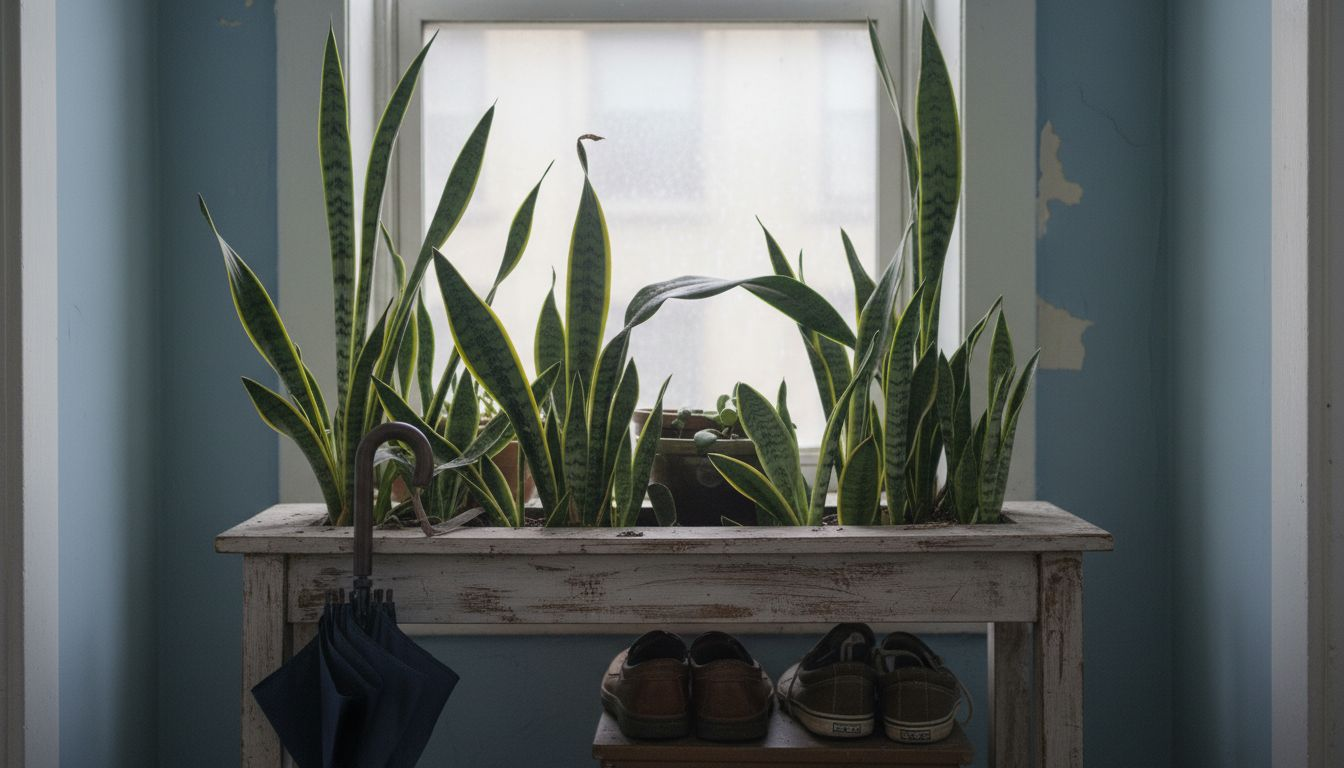
Here’s a summary of major snake plant varieties and how they suit different indoor spaces:
| Variety Name | Leaf Characteristics | Ideal Placement | Unique Appeal |
|---|---|---|---|
| Moonshine | Silvery-green, upright | Bright corners, desktops | Soft color, subtle elegance |
| Bantel’s Sensation | Narrow, white stripes | Tall planters, hallways | Dramatic vertical lines |
| Golden Hahnii | Compact, yellow borders | Bookshelves, small rooms | Bold color, space-saving |
| Black Coral | Dark banded foliage | Bedrooms, offices | Modern, striking contrast |
| Cylindrica | Cylindrical clusters | Floor-standing, open areas | Sculptural, unique form |
- Desert-adapted varieties with thick, cylindrical leaves
- Tropical varieties with broader, more flexible foliage
- Variegated types with multiple color patterns
- Compact varieties ideal for small spaces
Snake plant varieties demonstrate nature’s incredible ability to create diverse and adaptable plant forms, each with its own unique charm and characteristics.
Pro tip: Select snake plant varieties based on your specific light conditions, room size, and personal aesthetic preferences to ensure optimal growth and visual impact.
How Snake Plants Improve Indoor Air Quality
Snake plants offer remarkable potential for indoor air pollutant removal, making them an excellent natural solution for improving air quality in homes and offices. These plants demonstrate unique capabilities in filtering out harmful toxins and converting carbon dioxide into oxygen, even during nighttime hours.
The air-purifying capabilities of snake plants are particularly impressive when it comes to removing specific indoor pollutants. Research has shown their effectiveness in eliminating several dangerous compounds:
- Formaldehyde: Commonly found in household products and furniture
- Benzene: Released from paints, glues, and cleaning products
- Xylene: Present in printing materials and vehicle exhaust
- Acetone: Emitted from nail polish and some cleaning solutions
- Trichloroethylene: Used in printing inks and adhesives
Unique biological characteristics make snake plants exceptional air purifiers. Nighttime oxygen production sets them apart from many other houseplants, as they continue to filter air and release oxygen even when most plants are dormant:
- Open stomata during nighttime
- Convert carbon dioxide to oxygen
- Absorb airborne toxins continuously
- Operate effectively in low-light conditions
Snake plants represent a natural, silent guardian of indoor air quality, working tirelessly to create a healthier living environment.
Pro tip: Place multiple snake plants strategically around your living space to maximize air purification and create a more comprehensive indoor air cleaning system.
Decor and Wellness Benefits in Urban Homes
Snake plants are more than just aesthetic additions to urban living spaces; they represent a powerful intersection of wellness design and natural health benefits. These versatile plants transform interior environments, offering both visual appeal and tangible psychological advantages for city dwellers seeking holistic home wellness.
The psychological and physiological benefits of snake plants extend far beyond simple decoration. Urban residents can experience significant improvements in mental and physical well-being through strategic plant placement:
- Stress Reduction: Provides calming visual elements in high-pressure urban environments
- Cognitive Performance: Enhances concentration and mental clarity
- Emotional Wellness: Creates a sense of connection with nature
- Air Quality Improvement: Naturally filters indoor pollutants
- Aesthetic Flexibility: Complements various interior design styles
Biophilic design principles demonstrate how incorporating natural elements like snake plants can profoundly impact urban living spaces:
- Create visual tranquility in compact apartments
- Introduce living, dynamic elements to static interior spaces
- Provide low-maintenance greenery for busy professionals
- Enhance overall room aesthetics with minimal effort
Urban spaces become sanctuaries when thoughtfully integrated with nature’s healing elements.
Pro tip: Position snake plants strategically near work areas and relaxation zones to maximize their wellness and aesthetic benefits.
Safe Placement, Pet Concerns, and Common Pitfalls
Snake plants are beautiful indoor companions, but pet owners must exercise caution. Pet safety considerations are critical when introducing these plants into homes with curious cats and dogs. Understanding potential risks and implementing strategic placement can help create a safe environment for both plants and pets.
The toxicity of snake plants presents several important concerns for pet owners:
- Ingestion Risks: Causes nausea, vomiting, and potential digestive complications
- Symptom Severity: Ranges from mild discomfort to more serious digestive issues
- Pet Vulnerability: Cats and dogs are equally susceptible to plant toxicity
- Placement Challenges: Requires careful positioning away from pet access
- Monitoring Importance: Constant supervision and prevention are key
Strategies for safe snake plant integration in pet-friendly homes include:
For pet owners and urban dwellers, here’s a quick reference on snake plant safety strategies:
| Safety Strategy | What It Protects | How to Implement |
|---|---|---|
| Elevated Placement | Pets, plant leaves | Use shelves or hanging planters |
| Barriers & Screens | Access prevention | Decorative screens, fencing |
| Plant Training | Behavioral control | Reinforce pet avoidance habits |
| Alternate Plants | High-risk pet households | Choose non-toxic varieties |
- Place plants on high shelves or hanging planters
- Use protective barriers or decorative screens
- Train pets to avoid plant areas
- Consider alternative non-toxic plant varieties
- Create designated plant zones with limited pet access
Responsible pet ownership means creating harmonious spaces that protect both animal companions and botanical beauty.
Pro tip: Consult with a veterinarian about specific pet safety strategies and always keep a poison control hotline number readily available.
Discover How Snake Plants Can Transform Your Home and Health
Struggling to find a stylish way to purify your indoor air while enhancing your living space? The snake plant is a perfect solution renowned for its ability to filter harmful toxins and produce oxygen even at night. Many home gardeners face challenges in selecting the right plant varieties and providing proper plant care to keep these resilient plants thriving. If you want to enjoy the air-cleaning benefits without risking your pet’s safety, understanding the careful placement and toxicity risks discussed in this article is essential.
At Lushy Gardens, we offer expert advice and detailed guides on everything from choosing the best indoor plants to ensuring a safe environment for your furry friends with our pets & plants insights. Take control of your indoor air quality and home wellness today by exploring our thoughtfully curated content. Visit us now at Lushy Gardens and start transforming your home into a healthier, greener space you cherish.

Frequently Asked Questions
What are the air-purifying benefits of snake plants?
Snake plants are known for their ability to filter indoor air pollutants such as formaldehyde, benzene, and xylene. They convert carbon dioxide into oxygen, even at night, helping improve overall indoor air quality.
How do I care for a snake plant to maximize its health and growth?
To ensure optimal growth, place your snake plant in bright, indirect light and water it sparingly. Allow the soil to dry out between waterings, as snake plants are drought-tolerant and thrive in low-light conditions.
Are snake plants safe for pets?
Snake plants are considered toxic to pets. Ingesting parts of the plant can cause nausea and vomiting in cats and dogs. It’s essential to place them out of reach of curious pets to prevent any health issues.
What are some stylish placements for snake plants in my home?
Snake plants can be styled in various ways, such as in tall planters, on shelves, or as floor-standing pieces. They complement different interior design styles and can bring a touch of nature to any space, making them versatile décor elements.
Recommended
- What Are the Benefits of Snake Plants? – Lushy Gardens
- Snake Plants Explained: Boosting Urban Home Wellness – Lushy Gardens
- Understanding the Benefits of Houseplants for Your Home – Lushy Gardens
- 7 Best Air Purification Plants for Healthier Indoor Air – Lushy Gardens

I’m Eleanor, a seasoned gardener with over three decades of experience tending to Mother Nature’s creations. Through Lushy Gardens, I aim to share my wealth of knowledge and help fellow plant enthusiasts uncover the wonders of gardening. Let’s dive into this journey together, one leaf at a time.


