
Table of Contents
Bold shapes and low-maintenance charm are captivating more American city dwellers than ever as snake plants take center stage in stylish apartments and lofts. Native to West Africa, these resilient houseplants promise both visual impact and practical benefits with their sword-shaped leaves and drought resistance. If you are looking for trusted advice that challenges common misconceptions and helps your snake plant thrive, you will discover reliable tips to boost confidence and enjoyment with every green leaf.
Key Takeaways
| Point | Details |
|---|---|
| Snake Plants Are Low-Maintenance | Snake plants thrive with minimal care, making them ideal for urban dwellers. They can survive in low light and require infrequent watering. |
| Exceptional Air Purification | They not only enhance aesthetics but also improve indoor air quality by filtering toxins and releasing oxygen, particularly at night. |
| Potential Toxicity Considerations | Snake plants contain saponins that can be harmful to pets and may cause mild skin irritation, necessitating careful placement. |
| Common Care Mistakes | Overwatering is the leading error, so allowing soil to dry completely between waterings is crucial for plant health. |
What Are Snake Plants and Common Misconceptions
The snake plant, scientifically known as Dracaena trifasciata, is a remarkable houseplant that has captured the attention of urban dwellers seeking low-maintenance greenery. Native to tropical West Africa, these resilient plants have earned a reputation for their striking appearance and incredible adaptability.
Snake plants are characterized by several unique features that set them apart from other houseplants:
- Sword-shaped leaves with distinctive vertical growth patterns
- Ability to survive in low-light environments
- Exceptional air-purifying capabilities
- Drought-resistant characteristics
- Minimal watering requirements
Contrary to popular belief, snake plants are not just decorative accessories but living air filters. Their unique metabolism allows them to convert carbon dioxide to oxygen at night, making them an excellent addition to bedrooms and living spaces. This nocturnal oxygen production is particularly rare among houseplants and contributes to improved indoor air quality.
Many urban plant enthusiasts harbor misconceptions about snake plants. Some believe they are high-maintenance or challenging to grow, when in reality, they are among the most forgiving houseplants available. They can tolerate irregular watering, survive in low-light conditions, and thrive with minimal care.
Pro tip: Position your snake plant in indirect light and water only when the soil feels completely dry to ensure optimal growth and prevent root rot.
Major Snake Plant Types and Key Variations
The world of snake plants is surprisingly diverse, with numerous variations within the Dracaena genus. These remarkable plants showcase an incredible range of leaf shapes, sizes, and characteristics that make them a favorite among urban plant enthusiasts.
Snake plants can be broadly categorized into several distinctive types:
- Hard-leaved varieties
- Thick, succulent cylindrical leaves
- Adapted to arid climates
- More rigid and compact growth patterns
- Soft-leaved varieties
- Wider, strap-like leaves
- Originating from tropical regions
- More flexible leaf structures
Some of the most popular cultivars that have gained significant attention include distinctive varieties like ‘Moonshine’ and ‘Bantel’s Sensation’. The ‘Moonshine’ variety stands out with its distinctive silvery leaves, while ‘Bantel’s Sensation’ features more intricate leaf patterns. These cultivars demonstrate how selective breeding has transformed the traditional snake plant into a diverse and visually appealing houseplant.
The size and appearance of snake plants can vary dramatically. While wild snake plants can reach up to 2 meters in height, indoor varieties typically range from 0.7 to 1 meter, making them perfect for urban living spaces. Their adaptability and diverse aesthetic options make them an ideal choice for plant enthusiasts looking to add a touch of greenery to their homes.
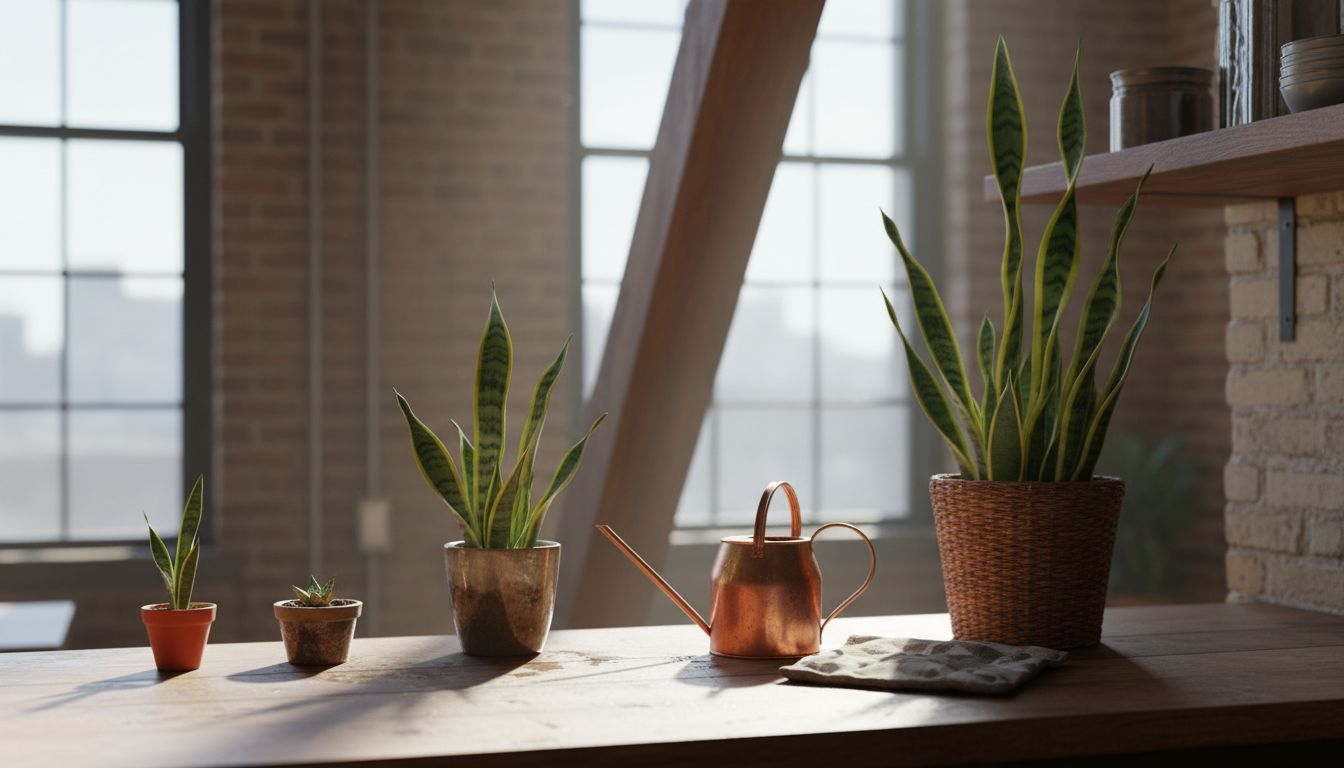
Here’s a quick guide to different snake plant types and their common indoor uses:
| Snake Plant Type | Typical Leaf Shape | Best Indoor Placement |
|---|---|---|
| Hard-leaved variety | Cylindrical, rigid | Office desks, sunny windows |
| Soft-leaved variety | Broad, flexible | Living rooms, shaded corners |
| ‘Moonshine’ cultivar | Silvery, upright | Modern bedrooms, hallways |
| ‘Bantel’s Sensation’ | Striped, narrow upright | Entryways, accent tables |
Pro tip: Select snake plant varieties based on your specific indoor lighting conditions and available space to ensure optimal growth and visual appeal.
Essential Indoor Care for Snake Plants
Caring for snake plants requires understanding their unique characteristics and minimal maintenance requirements. These resilient plants are perfect for urban dwellers seeking low-maintenance greenery that thrives with minimal intervention.
Key indoor care considerations for snake plants include:
- Light Requirements
- Prefer part shade to bright indirect light
- Tolerate low light conditions
- Avoid direct, harsh sunlight
- Watering Needs
- Water moderately during growing seasons
- Reduce watering in fall and winter
- Allow soil to dry completely between waterings
Overwatering is the most common mistake in snake plant care – these plants are drought-tolerant and prefer minimal moisture.
Snake plants have fascinating metabolic adaptations that make them ideal indoor companions. They keep their stomata closed during the day to minimize water loss and open them at night to improve oxygen conversion, which can potentially enhance indoor air quality and sleep environments.
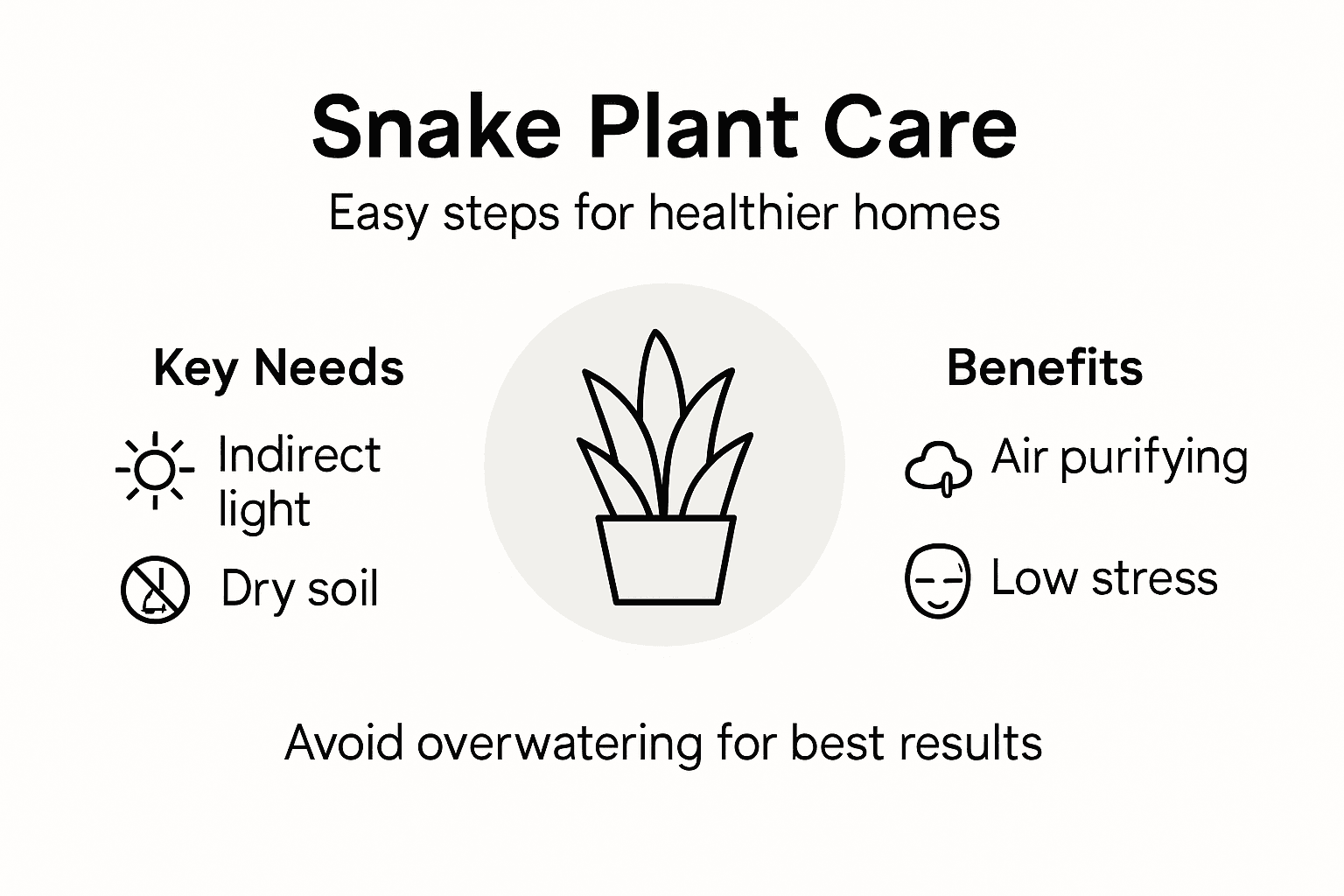
Potting and soil selection are critical for snake plant health. Choose clay pots that are wider than tall to provide stability for these upright plants. Use well-draining potting mix that prevents water retention and reduces the risk of root rot. Indoor snake plants typically remain smaller than their outdoor counterparts and rarely flower, making them perfect for compact urban living spaces.
Pro tip: Select a pot with drainage holes and use a terracotta container to help regulate soil moisture and prevent overwatering.
Air-Purifying and Wellness Benefits in Homes
Snake plants offer remarkable air purification capabilities that make them an exceptional addition to urban living spaces. These resilient plants do more than just enhance aesthetic appeal – they actively contribute to improving indoor environmental quality and personal wellness.
Key air-purifying benefits of snake plants include:
- Toxin Removal
- Absorb formaldehyde
- Eliminate benzene
- Filter toluene and other harmful chemicals
- Reduce indoor air pollutants
- Oxygen Production
- Release oxygen at night
- Improve sleep environment
- Enhance nighttime air quality
- Support respiratory health
Snake plants are nature’s silent guardians, working continuously to cleanse your indoor air while you rest.
Scientific studies suggest snake plants may help lower stress and potentially reduce cardiovascular risk. Their unique metabolic process, known as Crassulacean acid metabolism, allows them to open stomata at night and convert carbon dioxide into oxygen, making them particularly beneficial in bedrooms and living spaces where air quality directly impacts personal wellness.
To maximize air-purification benefits, consider placing multiple snake plants throughout your home. While a single plant provides some advantages, clustering several plants can create a more significant impact on indoor air quality. Their ability to thrive in diverse indoor conditions makes them an accessible and effective wellness tool for urban dwellers seeking natural air filtration solutions.
Pro tip: Position snake plants in areas with moderate indirect light and rotate them periodically to ensure even growth and maximize their air-purifying potential.
Risks: Toxicity, Pet Safety, and Allergies
Snake plants contain toxic compounds that pose potential health risks for pets and humans, making careful placement and handling essential for urban households. While these plants offer numerous wellness benefits, understanding their potential hazards is crucial for responsible ownership.
Key toxicity considerations include:
- Pet Safety Risks
- Contains saponins toxic to dogs and cats
- Can cause gastrointestinal distress
- Potential symptoms include:
- Nausea
- Vomiting
- Diarrhea
- Human Interaction Risks
- Mild skin irritation possible
- Potential allergic reactions
- Avoid direct contact with plant sap
Immediate veterinary consultation is recommended if pets consume snake plant leaves.
Scientific research highlights the importance of preventing plant ingestion by positioning snake plants strategically in homes. While the plant’s toxicity is generally mild, sensitive individuals or small pets may experience more pronounced reactions. The presence of saponins means that even minimal contact can trigger mild irritation or digestive issues.
Prevention and awareness are key to safely enjoying snake plants in homes with pets or children. Consider elevated plant stands, hanging planters, or dedicated plant rooms to minimize direct access. For households with curious pets or young children, additional barriers or alternative plant selections might be more appropriate.
Pro tip: Create a designated plant zone with physical barriers to protect pets and children from potential plant-related risks.
Common Mistakes and Effective Solutions
Snake plant care involves understanding critical maintenance pitfalls that can significantly impact the plant’s health and longevity. Urban plant enthusiasts often encounter challenges that can be easily addressed with targeted knowledge and proactive care strategies.
Common snake plant care mistakes include:
- Watering Errors
- Overwatering leading to root rot
- Inconsistent watering schedules
- Watering during dormant winter periods
- Environmental Mismanagement
- Placing in direct sunlight
- Ignoring temperature fluctuations
- Inadequate drainage conditions
Consistent observation and measured intervention are the keys to successful snake plant care.
Proper drainage and strategic plant positioning are essential for preventing common health issues. Snake plants require a delicate balance of environmental conditions that many urban plant owners struggle to maintain. Using clay pots wider than they are tall can provide stability and help prevent potential tipping, while well-draining soil mixtures protect against moisture-related complications.
The table below summarizes common snake plant threats and how to minimize risk:
| Risk Type | Consequence | Practical Prevention |
|---|---|---|
| Overwatering | Root rot, plant death | Allow soil to dry fully |
| Pet ingestion | Vomiting, diarrhea in animals | Place plants out of pet reach |
| Skin contact | Mild irritation or allergy | Wear gloves when handling |
| Pests (indoors) | Stunted growth, leaf damage | Inspect and clean leaves weekly |
Pest management represents another critical aspect of snake plant care. Regular inspections can help identify early signs of mealybugs or spider mites, allowing for prompt intervention. Quarantining new plants, maintaining proper spacing, and implementing periodic cleaning routines can significantly reduce the risk of widespread infestations.
Pro tip: Develop a consistent weekly inspection routine to catch potential plant health issues before they become serious problems.

Elevate Your Urban Home Wellness with Expert Snake Plant Care
Snake plants offer a unique blend of beauty and health benefits but caring for them can feel overwhelming if you are unsure about proper watering, lighting, or pet safety concerns. If you worry about how to keep your snake plants thriving while maximizing their air-purifying potential without risking your pets’ health this guide to Indoor Plants – Lushy Gardens and Plant Care – Lushy Gardens has everything you need to turn your urban space into a wellness sanctuary. Learn how to avoid overwatering, choose the right potting soils, and position your plants perfectly.
Discover practical solutions tailored to your lifestyle and benefit from tips on safeguarding your furry friends by visiting our Pets & Plants – Lushy Gardens section. Start transforming your home today with trusted advice and join a passionate community dedicated to healthy living with nature’s silent guardians. Visit Lushy Gardens now and take the first step toward boosting your indoor air quality and plant care confidence.
Frequently Asked Questions
What are snake plants and why are they popular?
Snake plants, or Dracaena trifasciata, are popular houseplants known for their striking appearance, low maintenance needs, and exceptional air-purifying capabilities. They thrive in various lighting conditions and require minimal watering, making them ideal for urban dwellers.
How do I care for my snake plant indoors?
To care for a snake plant, place it in indirect light and allow the soil to dry completely between waterings. During the growing season, water moderately, and reduce the frequency during fall and winter. It’s essential to use well-draining soil to prevent root rot.
Are snake plants safe for pets and humans?
Snake plants contain saponins, which can be toxic to pets like dogs and cats, causing gastrointestinal distress if ingested. For humans, mild skin irritation may occur with direct contact. It’s advisable to position snake plants out of reach of pets and children.
What are the air-purifying benefits of having snake plants at home?
Snake plants improve indoor air quality by absorbing toxins like formaldehyde, benzene, and toluene. They also release oxygen at night, which can enhance the sleep environment and support overall respiratory health.
Recommended
- Why We Love Plants: Benefits for Modern Living – Lushy Gardens
- Hygge Home With Plants: Coziness for Urban Living – Lushy Gardens
- Essential Indoor Gardening Tips for Urban Dwellers – Lushy Gardens
- The Essential Guide to Benefits of Indoor Plants – Lushy Gardens

I’m Eleanor, a seasoned gardener with over three decades of experience tending to Mother Nature’s creations. Through Lushy Gardens, I aim to share my wealth of knowledge and help fellow plant enthusiasts uncover the wonders of gardening. Let’s dive into this journey together, one leaf at a time.


