
Table of Contents
Most American city gardeners face a surprising challenge: limited space makes vegetable spacing much trickier than it looks. Maximizing a compact garden means carefully assessing sunlight, measuring each row, and choosing the right varieties for your environment. Whether your plot is a tiny patio or a small backyard, learning these expert methods can increase harvest and prevent wasted effort. This guide shows practical steps to help you grow more vegetables in less space with smart spacing strategies.
Quick Summary
| Key Insight | Explanation |
|---|---|
| 1. Analyze Sunlight Conditions | Observe your garden for at least one day to identify areas with varying sunlight exposure for optimal vegetable placement. |
| 2. Choose Suitable Vegetables | Research local vegetable varieties that thrive in your specific climate and growing conditions to enhance yield and resilience. |
| 3. Measure Rows Accurately | Use a measuring tape and garden string to ensure straight, evenly spaced rows to maximize garden organization and air circulation. |
| 4. Plant with Correct Spacing | Follow recommended spacing guidelines for each vegetable type to prevent overcrowding and promote healthy growth conditions. |
| 5. Monitor Plant Health Regularly | Continuously check for signs of stress or health issues, adjusting plant placements as necessary to ensure optimal growth support. |
Step 1: Assess Your Garden Space and Sunlight
Understanding your garden’s sunlight and space layout is crucial for successful vegetable growing. Before you plant a single seed, you’ll need to map out your garden’s unique environmental conditions and potential growing areas.
Start by observing your garden throughout the day. Determine sun exposure patterns by tracking how sunlight moves across your space from morning to afternoon. Most vegetables require at least 6 hours of direct sunlight daily, so carefully note which areas receive consistent light. Consider using digital tools like shadowmap home to visualize your garden’s sun path and optimize plant placement.
Pay attention to potential obstacles that might block sunlight such as buildings, fences, or large trees. These structures create shade zones that can significantly impact your vegetable growing potential. Sketch a rough garden layout noting sunny spots, partial shade areas, and complete shade regions. This visual map will help you strategically place different vegetable varieties based on their specific light requirements.
Pro Tip: Take multiple observations throughout different seasons, as sunlight patterns can dramatically change between summer and winter growing periods.
Here’s a quick guide to typical sunlight needs for common vegetables:
| Vegetable Type | Sunlight Requirement | Placement Advice |
|---|---|---|
| Leafy greens (lettuce, spinach) | 4-6 hours | Partial sun, shadier spots |
| Root crops (carrots, radishes) | 6+ hours | Sunny areas, good drainage |
| Fruiting plants (tomatoes, peppers) | 8+ hours | Full, uninterrupted sunlight |
| Vining crops (cucumbers, squash) | 6-8 hours | Morning sun, room to spread |
Step 2: Select Vegetable Varieties for Your Area
Selecting the right vegetable varieties for your specific garden environment is a critical step in ensuring a successful harvest. Your choices will directly impact your garden’s productivity and resilience.
Begin by researching vegetable varieties suitable for local conditions. Different vegetables have unique requirements for temperature, sunlight, and soil conditions. Consider factors like your region’s growing season length, average temperatures, and typical precipitation patterns. Some regions might require drought resistant varieties, while others need quick maturing crops to fit shorter growing windows.
Consult local agricultural extension offices or gardening centers for recommendations tailored to your specific microclimate. These experts understand regional nuances and can suggest improved seed varieties that perform well in your area. Look for varieties with traits like disease resistance, compact growth for small spaces, or shorter maturation periods that match your specific growing conditions.
Pro Tip: Keep a gardening journal documenting which vegetable varieties perform best in your unique garden environment, creating a personalized reference for future planting seasons.
Step 3: Measure and Mark Precise Planting Rows
Precise row measurement is the foundation of an organized and productive vegetable garden. Your goal is to create a systematic layout that maximizes growing space and ensures optimal plant development.
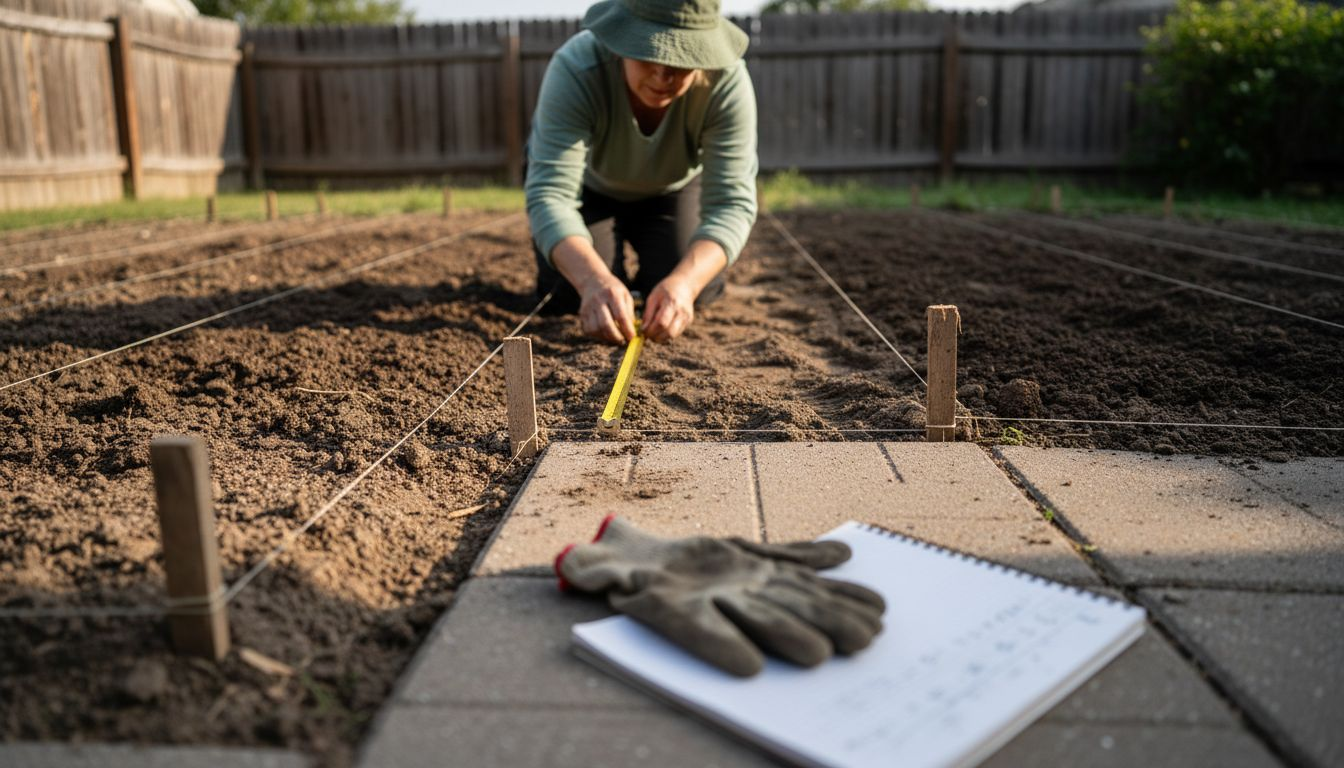
Start by measuring uniform seed placement techniques using a long measuring tape or garden string. Establish straight rows by using stakes and a taut string as a guide, ensuring consistent spacing between plantings. Mark your rows with garden lime, flour, or spray chalk to create visible planting lines that help you maintain accuracy during seed or seedling placement.
Determine row spacing based on the specific vegetable varieties you selected earlier. Most vegetables require 12 to 36 inches between rows depending on plant size and growth habits. Root vegetables like carrots and radishes need tighter spacing, while sprawling plants such as squash or pumpkins require wider rows. Use a measuring stick or marked garden stake to maintain consistent distances, which promotes better air circulation and reduces competition for nutrients.
Pro Tip: Create a simple wooden planting template with pre marked spacing intervals to quickly and accurately measure your garden rows without constant measuring.
Step 4: Plant Vegetables With Recommended Spacing
Planting your vegetables with precise spacing is crucial for creating a thriving garden that maximizes yield and promotes healthy plant growth. Understanding the right distance between plants will help you optimize your garden’s productivity.
Vegetable spacing guidelines vary depending on each plant’s unique growth characteristics. Leafy greens like lettuce and spinach can be planted closer together, while larger plants such as tomatoes and peppers require more room to spread. Create dense planting arrangements that form a natural canopy to suppress weeds and retain soil moisture. Consider the mature size of each vegetable when determining spacing, ensuring plants have enough room to access sunlight, nutrients, and air circulation without competing with neighboring plants.
Use your previously marked rows as a guide and carefully place seeds or seedlings at recommended intervals. Some vegetables like carrots and radishes can be planted in tight clusters, while vine crops such as cucumbers and squash need wider berths. Pay attention to each vegetable’s specific requirements and adjust your spacing accordingly. A good rule of thumb is to space plants so their leaves just barely touch when they reach full maturity.
Pro Tip: Create small plant markers with spacing measurements to quickly and accurately position your vegetables without constant measuring.
Compare typical vegetable spacing to maximize healthy growth:
| Vegetable Group | Between Plants | Between Rows |
|---|---|---|
| Leafy Greens | 6-8 inches | 12-18 inches |
| Root Vegetables | 2-4 inches | 12-18 inches |
| Bush Beans | 4-6 inches | 18-24 inches |
| Tomatoes/Peppers | 18-24 inches | 24-36 inches |
| Squash/Pumpkins | 24-36 inches | 48-60 inches |
Step 5: Verify Plant Health and Adjust Placement
Monitoring your vegetable garden’s health is a critical ongoing process that ensures optimal growth and maximum yield. Your goal is to catch potential issues early and make strategic adjustments to support plant development.
Use plant health monitoring techniques to regularly assess your garden’s condition. Look for signs of stress such as discolored leaves, stunted growth, or wilting. Check each plant’s overall appearance and compare it against healthy growth standards. Pay special attention to leaf color (should be vibrant green), stem strength, and root development. Examine the soil moisture and ensure proper drainage to prevent root rot and other moisture related problems.
Consider local climate conditions when evaluating plant placement. Heat zone mapping can help you understand how temperature impacts plant health. If certain vegetables show signs of heat stress or inadequate sunlight, carefully transplant them to more suitable locations within your garden. Some plants might need additional shade during peak afternoon hours, while others require more direct sunlight to thrive.
Pro Tip: Take weekly photographs of your garden to create a visual progress log that helps you track plant development and quickly identify potential health issues.
Master the Art of Vegetable Spacing for a Thriving Garden
Struggling to find the right spacing that boosts your garden’s productivity can be frustrating. This article highlights key challenges like measuring precise planting rows and adjusting plant placement to maximize sunlight and airflow. If you want to see your vegetables flourish without overcrowding or wasted space, understanding these spacing principles is essential. From leafy greens needing closer placement to sprawling squash requiring wider rows, precise spacing leads to healthier plants and bigger yields.
Ready to take your vegetable garden to the next level? Explore a wealth of expert advice and practical guidance in our Gardening Tips – Lushy Gardens section. For ongoing advice tailored to changing conditions, visit Seasonal Gardening – Lushy Gardens. Discover design inspirations to create efficient planting layouts in Design Ideas – Lushy Gardens. Don’t wait to transform your garden into a flourishing space. Visit Lushy Gardens now and start applying confident vegetable spacing strategies to enjoy a bountiful harvest today.

Frequently Asked Questions
How do I determine the best spacing for my vegetable plants?
To determine the best spacing, consider the type of vegetable and its mature size. Refer to spacing guidelines, such as 6-8 inches for leafy greens and 18-24 inches for tomatoes, and use these to mark your rows accurately.
What is the ideal distance between rows in a vegetable garden?
The ideal distance between rows generally ranges from 12 to 36 inches, depending on the plant’s growth habits. For instance, allow wider spacing (24-36 inches) for larger plants like tomatoes, while small bush beans only require 18-24 inches between rows.
How can I optimize my garden layout for maximum yield?
Optimize your garden layout by mapping out sunlight exposure and marking precise planting rows. Ensure plants are placed according to their specific spacing needs, which can help boost overall yield and health.
What should I do if my vegetables seem to be struggling in their current location?
If your vegetables appear unhealthy, assess their surroundings for sunlight and moisture needs. If necessary, transplant them to a more suitable area in your garden, ensuring they have the right amount of sunlight and space to grow.
Why is proper spacing important for vegetable health?
Proper spacing allows for better air circulation, nutrient access, and sunlight exposure for each plant. When plants are adequately spaced, they can grow more vigorously, which can enhance overall yield and reduce competition for resources.
How can I keep track of my vegetable spacing?
To keep track of your vegetable spacing, create plant markers with measurements for each type of vegetable. This will help you position your plants accurately and ensure they are spaced correctly for optimal growth.
Recommended
- When to Plant Vegetables for Maximum Yields – Lushy Gardens
- 4 Vegetable Garden Layouts to Maximize Your Yield – Lushy Gardens
- Vegetable Garden Planning Made Easy: A Step-by-Step Guide – Lushy Gardens
- 7 Essential Tips for Mastering Your Vegetable Planting Calendar – Lushy Gardens

I’m Eleanor, a seasoned gardener with over three decades of experience tending to Mother Nature’s creations. Through Lushy Gardens, I aim to share my wealth of knowledge and help fellow plant enthusiasts uncover the wonders of gardening. Let’s dive into this journey together, one leaf at a time.


