
Table of Contents
TL;DR:
- Vertical gardening transforms unused vertical surfaces into productive spaces for growing herbs, vegetables, and ornamentals. Different systems, like pocket wall planters, pallet gardens, trellises, soil-based towers, and hydroponic units, suit various small spaces and maintenance levels. Proper mounting, irrigation, and plant selection are essential for successful, sustainable, and easy-to-maintain vertical gardens.
Vertical gardening solutions are defined as growing plants upward on walls, frames, or self-contained tower systems rather than outward across ground space. For urban dwellers working with a balcony, a narrow patio, or a single indoor wall, this approach turns unused vertical surface area into productive growing space. Systems like GreenStalk 5-Tier tower planters, pocket wall panels, and indoor hydroponic towers such as The Eve make it possible to grow herbs, vegetables, and ornamentals in square footage that a traditional garden bed could never use. The result is more food, better access to plants, and a measurably greener living environment without needing a yard.
What are the best vertical gardening solutions for small spaces?
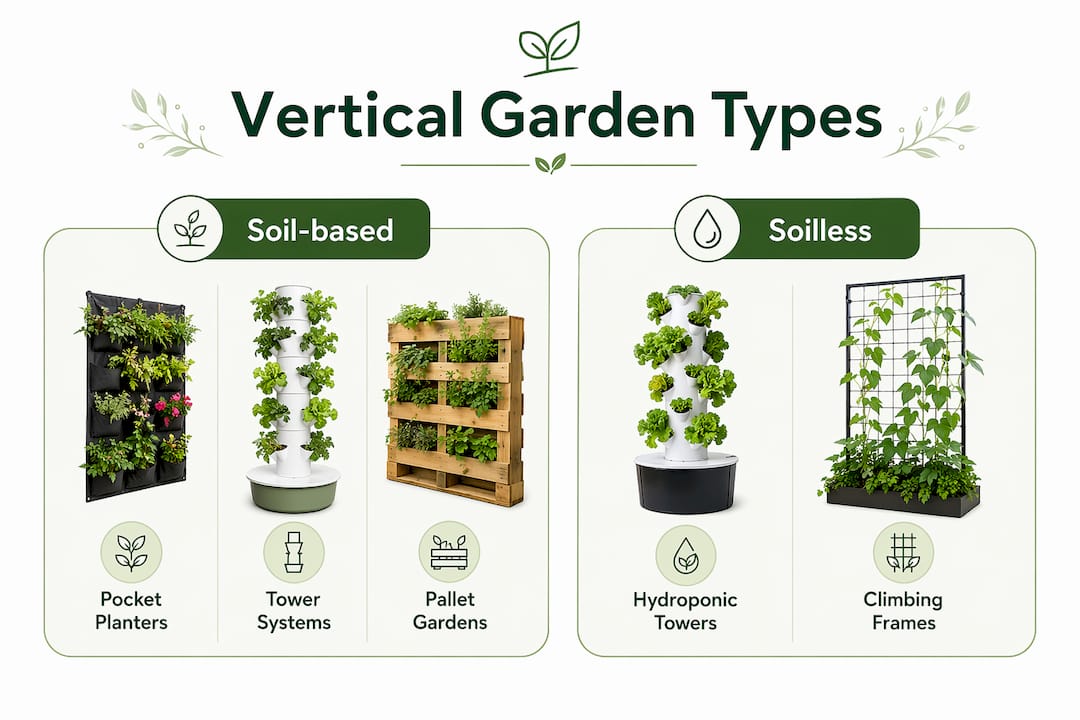
Vertical planting systems fall into five practical categories, and choosing the right one depends on your space, budget, and how much time you want to spend on maintenance.
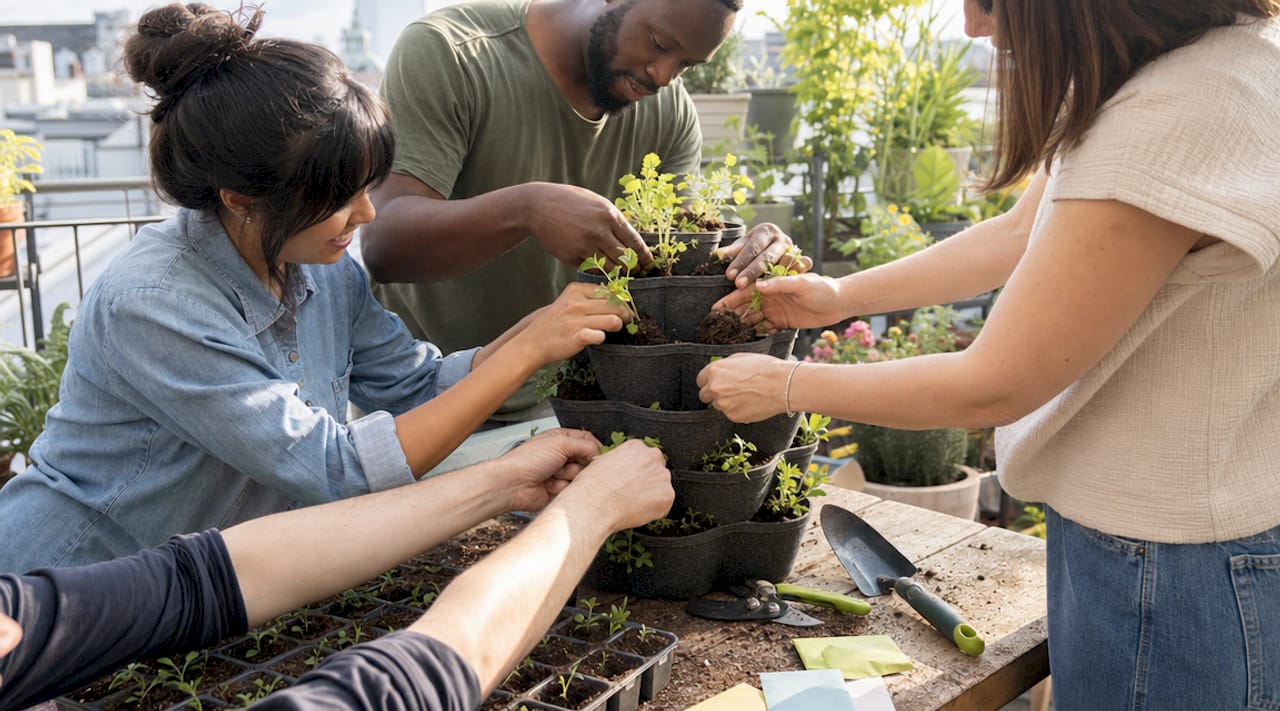
Pocket wall planters are fabric or plastic panels with individual growing pockets mounted directly to a wall or fence. A 12-pocket panel measuring roughly 24 by 42 inches occupies near-zero floor space, making it the most space-efficient option for balcony vertical gardening. These work best for herbs, strawberries, and shallow-rooted lettuces.
Pallet gardens are the most budget-friendly DIY vertical gardening option. A repurposed wooden pallet lined with landscape fabric and filled with potting mix costs almost nothing to build. The trade-off is weight: a fully planted pallet weighs 100 to 150 pounds, which means mounting into structural wood rather than drywall or a hollow fence panel is non-negotiable.
Trellis and climbing frame systems work differently from the other options. Instead of containing soil, they provide a vertical structure for vining plants like cucumbers, pole beans, and climbing roses that are rooted in ground-level beds or containers. These are the lowest-maintenance option once established.
Soil-based tower planters like the GreenStalk 5-Tier model use 30 pockets with 10-inch deep compartments, each tier requiring about one cubic foot of quality potting mix. A fully planted system weighs around 150 pounds, so placement on a solid surface matters. These towers handle a wide range of plants, from herbs to root vegetables like radishes and beets.
Indoor hydroponic towers like The Eve skip soil entirely. They use a 2-liter water reservoir, dimmable LED grow lights with a built-in timer, and require about 10 minutes of weekly maintenance with nutrient additions every two to three weeks. Energy cost runs approximately $3 to $5 per month. This is the top pick for indoor vertical gardening where natural light is limited.
| System | Cost range | Difficulty | Ideal plants | Space needed |
|---|---|---|---|---|
| Pocket wall planter | $20–$60 | Easy | Herbs, lettuce, strawberries | Wall or fence surface |
| Pallet garden | $0–$30 | Moderate | Herbs, greens, flowers | Structural wall mount |
| Trellis/climbing frame | $15–$80 | Easy | Cucumbers, beans, roses | Ground bed + vertical frame |
| Tower planter (soil) | $80–$200 | Moderate | Herbs, root veg, greens | Patio or balcony floor |
| Hydroponic tower | $150–$400 | Moderate | Leafy greens, herbs | Indoor shelf or countertop |
Pro Tip: Match plant root depth to your system before buying. Shallow-rooted herbs and lettuces thrive in pocket walls, while root vegetables like carrots need the deeper compartments of a GreenStalk-style tower.
How to set up a vertical garden: tools, materials, and steps
Every vertical garden setup shares a core materials list regardless of system type. You need a growing medium, fastening hardware, a water source, and the structure itself. Getting these right from the start prevents the most common failures.
Essential tools and materials
| Item | Purpose |
|---|---|
| Potting mix (soilless blend) | Lightweight growing medium for pockets and towers |
| Landscape fabric | Liner for pallet gardens to hold soil and allow drainage |
| Stainless steel screws and wall anchors | Secure mounting for pocket panels and pallet frames |
| Micro-drip irrigation kit | Consistent moisture delivery across all pockets |
| Water crystals | Mixed into potting medium to extend moisture retention |
| pH test strips | Confirm soil or nutrient solution is in the 6.0 to 7.0 range |
For soil-based systems, use a 50/50 blend of soilless potting mix and compost. This ratio maintains drainage while providing enough organic matter to sustain plant roots in a limited volume. Avoid standard garden soil, which compacts in vertical containers and blocks airflow.
Step-by-step setup for common systems
- Choose your location. Confirm at least four to six hours of direct sunlight for edibles, or plan for supplemental LED lighting for indoor systems.
- Assess structural support. For pocket panels and pallet gardens, locate wall studs or structural timber. Never mount a loaded system to drywall alone.
- Install your structure. Hang pocket panels with heavy-duty hooks rated above the filled weight. For pallets, use lag bolts into studs.
- Fill with growing medium. Pack pockets or pallet cavities with your potting blend, leaving a half-inch gap at the top for watering.
- Set up irrigation. A timer-controlled drip system removes daily watering guesswork and delivers even moisture to every pocket, which is the single most important factor in preventing patchy growth.
- Plant and water in. Start with transplants rather than seeds in pocket systems for faster establishment. Water thoroughly after planting.
Pro Tip: Blend water crystals into your potting mix at the ratio listed on the package before filling pockets. During summer heat, this single step can cut your watering frequency in half and prevent the top pockets from drying out before the lower ones are reached.
What plants grow best in vertical gardens?
Plant selection determines whether a vertical garden thrives or stalls. The key variable is root depth. Shallow-rooted plants perform in pocket walls and pallet gardens. Deep-rooted crops need tower planters with 10-inch or deeper compartments.
Best plants by system type
Pocket wall planters and pallet gardens:
- Basil, thyme, oregano, mint, and chives
- Leaf lettuce, spinach, and arugula
- Strawberries (trailing varieties work especially well)
- Pansies and nasturtiums for ornamental walls
Soil-based tower planters:
- Radishes, beets, and small carrots
- Kale, Swiss chard, and compact tomato varieties
- Parsley, cilantro, and dill
- Bush beans
Hydroponic indoor towers:
- Butterhead lettuce and microgreens
- Basil and other soft herbs
- Spinach and watercress
Watering in vertical systems requires more attention than in ground beds because limited soil volume depletes nutrients faster. Apply a balanced liquid fertilizer at half the label rate every two weeks during the growing season. Yellowing leaves and reduced flavor in herbs are the clearest signs of under-fertilizing, not overwatering.
Sunlight management matters more in vertical systems than most gardeners expect. Rotate freestanding towers a quarter turn every few days so all sides receive equal light exposure. For indoor systems, The Eve’s dimmable LED grow lights with a built-in timer replicate the light cycles that controlled-environment farms use to bring plants from transplant to harvest size in three to four weeks.
Pro Tip: Connect your drip irrigation to a programmable timer and set nutrient solution additions on a calendar reminder. Automating both tasks reduces your active maintenance to a weekly visual check, which is all most vertical systems actually need.
Troubleshooting common problems and sustainable DIY tips
Most vertical garden failures trace back to three causes: uneven watering, inadequate structural support, and poor drainage. Catching these early saves both plants and hardware.
Common problems and fixes:
- Top pockets dry out while lower pockets stay wet. This is the most frequent complaint with pocket wall systems. Fix it by adding water crystals to the potting mix and moving the panel to afternoon shade during peak summer heat. Morning sun with afternoon shade cuts watering demand without sacrificing photosynthesis.
- Pallet garden pulls away from the wall. This is a structural failure caused by mounting into drywall or a hollow fence panel. Remount using lag bolts driven into structural timber. A planted pallet weighs as much as a large person, and the mounting hardware needs to reflect that.
- Plants show root rot or standing water at the base. Poor drainage in the potting mix is the cause. Replace with a soilless blend and add perlite at a 20% ratio to improve air circulation around roots.
- Uneven growth across a tower. Rotate the tower regularly and check that the drip emitters are not clogged. Uniform irrigation is more important than plant variety in determining whether a tiered system produces evenly.
Sustainable DIY practices extend the life of your setup and reduce waste. Heat-treated pallets marked with the “HT” stamp are safe for food growing. Avoid chemically treated wood. Incorporate a small worm bin nearby to produce free compost tea, which works as a natural liquid fertilizer for pocket and tower systems. Seasonal adjustments matter too: swap heat-sensitive lettuces for kale and chard in summer, and move portable panels indoors or to a sheltered wall before the first frost.
For urban gardeners with limited time, modular systems win. A GreenStalk tower or a set of pocket panels can be disassembled, cleaned, and reconfigured in under an hour. That flexibility makes it easier to experiment with vertical garden ideas across seasons without committing to a permanent structure.
Key takeaways
Vertical gardening solutions succeed when the system type, plant selection, and irrigation method are matched to the specific space and maintenance capacity of the grower.
| Point | Details |
|---|---|
| Match system to space | Pocket walls suit balconies; towers suit patios; hydroponic units suit indoor spaces with limited light. |
| Structural mounting is non-negotiable | Planted pallet gardens weigh 100 to 150 pounds and require lag bolts into structural wood. |
| Automate irrigation early | Timer-controlled drip systems prevent the uneven moisture that causes patchy growth in tiered systems. |
| Fertilize on a schedule | Apply liquid fertilizer at half strength every two weeks; limited soil volume depletes nutrients faster than ground beds. |
| Start modular | Modular systems like GreenStalk towers allow seasonal reconfiguration without rebuilding from scratch. |
Why I stopped overthinking vertical gardening and just started building
I spent the better part of a season researching the perfect system before I planted a single thing. That was a mistake. The pocket wall I eventually hung on my balcony fence cost under $40 and taught me more in eight weeks than any guide had in eight months.
The biggest lesson was about water, not plants. I assumed plant selection was the hard part. It is not. Getting consistent moisture to every pocket in a wall panel is the real challenge, and a simple timer-connected drip line solved it completely. Once that was automated, the plants largely took care of themselves.
I have tried both DIY pallet gardens and ready-made tower planters, and my honest view is that beginners should skip the pallet build on their first attempt. The structural mounting requirements are unforgiving, and a poorly mounted 150-pound pallet is a genuine safety risk. Start with a pocket panel or a GreenStalk-style tower, learn how your space handles sun and wind, then graduate to more ambitious builds.
The eco-conscious angle is real, not just marketing. Growing even a portion of your own herbs and greens reduces packaging waste and shortens your food supply chain to about three feet. For apartment dwellers, a hydroponic indoor system like The Eve makes that possible year-round without a single square foot of outdoor space.
Experiment freely. Vertical systems are forgiving in the sense that a failed pocket costs you one plant, not an entire bed. Rotate your crops, try a new variety each season, and treat the whole setup as an ongoing project rather than a finished installation.
— Povilas
Start growing up with Lushygardens
Lushygardens has built a library of guides specifically for urban gardeners who are working with limited space and big ambitions. If you are new to growing plants at home, the gardening basics guide covers soil, light, watering, and seasonal care in plain language that skips the jargon. For gardeners ready to go deeper, the optimal watering guide breaks down irrigation timing and moisture management techniques that apply directly to pocket walls and tower planters. You will also find detailed walkthroughs on indoor vertical garden setup and apartment gardening ideas that translate well to balconies and small patios. Every guide is written with the same practical, no-filler approach you just read here.
FAQ
What is the easiest vertical gardening system for beginners?
Pocket wall planters are the easiest entry point. A 12-pocket fabric panel mounts to any fence or wall, costs under $60, and grows herbs and lettuces with minimal setup.
How much does a vertical garden cost to set up?
Costs range from under $30 for a DIY pallet garden to $400 for a hydroponic tower like The Eve. Most balcony pocket wall systems fall between $40 and $100 including irrigation.
How often do vertical gardens need watering?
Vertical planters dry out faster than ground beds because of limited soil volume. A timer-controlled drip system set to water once or twice daily during summer is the most reliable method for consistent moisture.
Can you grow vegetables in a vertical garden indoors?
Yes. Hydroponic towers like The Eve grow leafy greens, herbs, and compact vegetables indoors year-round using LED grow lights and a nutrient solution, with about 10 minutes of weekly maintenance required.
What is the weight limit I should plan for with a wall-mounted vertical garden?
A fully planted pocket panel weighs 20 to 40 pounds depending on size. A planted pallet garden weighs 100 to 150 pounds. Always mount into structural wood using hardware rated above the expected filled weight.
Recommended
- 7 Smart Vertical Gardening Ideas for Home Garden Success – Lushy Gardens
- Grow more herbs in less space: vertical gardens that deliver – Lushy Gardens
- 7 Smart Small Space Gardening Ideas for Apartments – Lushy Gardens
- Smart Container Gardening Ideas for Urban Gardeners – Lushy Gardens

I’m Eleanor, a seasoned gardener with over three decades of experience tending to Mother Nature’s creations. Through Lushy Gardens, I aim to share my wealth of knowledge and help fellow plant enthusiasts uncover the wonders of gardening. Let’s dive into this journey together, one leaf at a time.


