
Table of Contents
TL;DR:
- The greenhouse effect in gardening is a physical process where structures trap solar heat, enhancing plant growth and extending seasons. Unlike Earth’s atmospheric greenhouse effect driven by gases like CO₂, garden greenhouses primarily control convection and airflow through design and ventilation. Proper management of heat retention, ventilation, and microclimate creates predictable benefits for plant health and year-round cultivation.
Most gardeners hear “greenhouse effect” and immediately picture melting ice caps and rising seas. That mental shortcut leads to real confusion when you’re actually trying to grow tomatoes in February. Understanding what is a greenhouse effect in gardening means separating atmospheric science from the very practical physics happening inside your glass or plastic structure. The two concepts share a name but work through different mechanisms. Get this distinction right, and you’ll make smarter decisions about heat management, ventilation, and plant placement that directly translate to healthier plants and longer growing seasons.
Table of Contents
- Key takeaways
- What is a greenhouse effect in gardening
- Gardening greenhouse vs. Earth’s atmospheric effect
- Practical benefits of the greenhouse effect in gardening
- Managing ventilation, humidity, and airflow
- My take on greenhouse physics after years of growing
- Grow further with Lushygardens
- FAQ
Key takeaways
| Point | Details |
|---|---|
| Heat is trapped physically | Greenhouse glazing lets sunlight in but blocks warm air from escaping, raising interior temperatures. |
| Gardening vs. atmospheric effect | Garden greenhouses primarily reduce convection, not atmospheric gas concentrations. |
| Ventilation timing matters | Opening vents at the wrong time can cause sharp temperature drops that stress or damage plants. |
| Dark surfaces boost heat gain | Dark containers and soil absorb more solar energy and release it slowly through the night. |
| Season extension is real | A well-managed greenhouse can keep growing conditions viable when outdoor temperatures would kill unprotected plants. |
What is a greenhouse effect in gardening
The greenhouse effect in gardening describes a physical process, not a chemical one. When sunlight enters your greenhouse through the glazing, it hits the soil, benches, pots, and plant surfaces. Those surfaces absorb the shortwave solar radiation and convert it into heat. That heat radiates back outward as longwave infrared radiation, which the glazing cannot easily transmit. The result is a warm pocket of air that stays significantly warmer than the outside temperature.
Here is what happens step by step inside a functioning greenhouse:
- Sunlight entry: Shortwave solar radiation passes straight through glass or polycarbonate panels with very little loss.
- Surface absorption: Soil, containers, flooring, and plant matter absorb this energy and warm up throughout the day.
- Infrared re-emission: As surfaces warm, they emit longwave infrared radiation that the glazing reflects or absorbs rather than allowing it to escape.
- Convection control: The physical walls of the greenhouse prevent warm air from mixing with cold outdoor air, locking heat inside.
- Night retention: After sunset, the stored heat in soil and thermal mass radiates slowly, keeping the interior warmer than outdoors until morning.
Daytime solar gain warming the interior and night heat retention by glazing is the core mechanism NASA uses to explain how greenhouses function. The structure does not generate heat. It captures and holds it.
Pro Tip: Use dark-colored containers or paint your greenhouse floor a dark shade to maximize solar absorption during daylight hours, then benefit from that stored warmth all night.
Gardening greenhouse vs. Earth’s atmospheric effect
This is where most gardeners lose the thread. The terminology overlaps, but the science diverges sharply.
Earth’s atmospheric greenhouse effect works through gases. Carbon dioxide, methane, and water vapor in the upper atmosphere absorb and re-emit infrared radiation from the Earth’s surface. The more of those gases present, the more heat gets retained planet-wide. This is the mechanism at the center of discussions about gardening and climate change.
A physical garden greenhouse works differently. The glazing does play some role in blocking infrared radiation, but the primary mechanism limits convection and air exchange rather than altering gas composition. When warm air inside your greenhouse cannot rise and escape because solid walls surround it, heat builds up. That is convection control, not radiative gas chemistry.
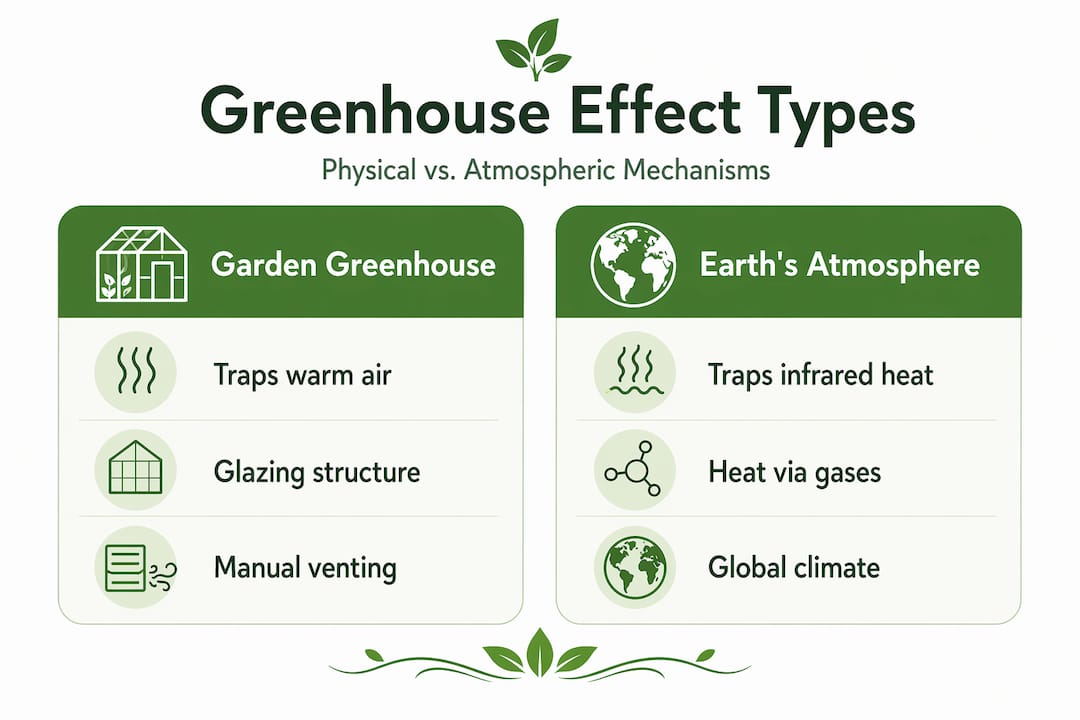
| Feature | Earth’s atmospheric effect | Garden greenhouse effect |
|---|---|---|
| Primary mechanism | Radiative gas absorption | Convection reduction and air trapping |
| Key players | CO₂, methane, water vapor | Glass, polycarbonate, physical structure |
| Affected area | Global atmosphere | Enclosed growing space |
| Gardener’s control | None directly | Full control through design and venting |
| Main focus for growers | Adapting to climate shifts | Managing airflow and glazing |
Because the gardening greenhouse effect is fundamentally about air exchange and structural physics, your decisions should center on sealing, glazing quality, and ventilation timing. Physical greenhouses focus on microclimate controls like airflow and glazing rather than atmospheric gas concentrations. Trying to change the gas composition inside your greenhouse to mimic the atmospheric effect would be both impractical and beside the point.
Pro Tip: When you read about greenhouse gases in gardening content, check whether the author means atmospheric gases or the physical structure. Conflating the two leads to gardening advice that simply does not apply to your situation.
Practical benefits of the greenhouse effect in gardening
Once you understand the mechanism, the benefits of gardening in greenhouses become concrete and predictable. You are not just “keeping plants warm.” You are engineering a microclimate.
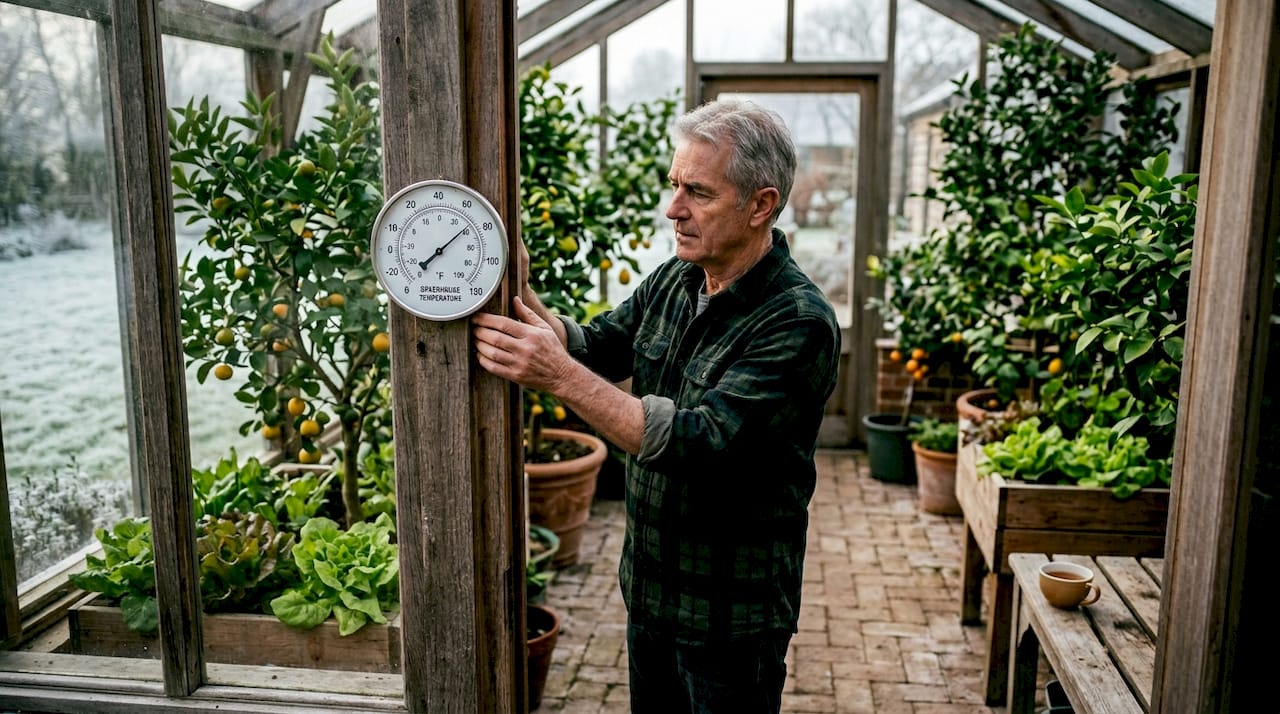
Season extension is the most immediate payoff. Greenhouses keep temperatures above outdoor levels even in winter by trapping heat during the day and holding it through the night. For gardeners in USDA zones 5 or 6, that can mean harvesting lettuces in January or starting tomato seedlings eight weeks before the last frost date.
Protection for sensitive plants comes next. Tropical species like citrus trees, orchids, or bird of paradise plants demand warmth that most outdoor climates cannot sustain year-round. A greenhouse lets you grow them without expensive indoor heating systems, because the structure itself does the work.
Here are additional benefits worth building your greenhouse strategy around:
- Temperature buffering: Outdoor temperatures can swing 30 to 40 degrees Fahrenheit between day and night. Inside a well-sealed greenhouse, that swing compresses dramatically, reducing the thermal stress that stunts growth or triggers bolting in vegetables.
- Reduced pest pressure: Many insects and fungal spores rely on wind to spread. A closed greenhouse environment dramatically cuts exposure, meaning less spraying and less crop loss.
- Improved plant yield and quality: Stable warmth accelerates metabolic processes in plants, which translates to faster germination, stronger root development, and more consistent fruiting.
- Propagation power: Cuttings and seeds that need warmth to root or germinate succeed far more reliably in a greenhouse than on a windowsill.
- Year-round growing: With supplemental lighting and good heat retention, improving plant growth in a greenhouse becomes a year-round project rather than a seasonal one.
The key to maximizing these benefits is treating your greenhouse as a living system rather than a passive shelter. Monitor temperatures at soil level, not just at plant height. Soil temperature drives germination and root activity, and it often lags air temperature by several hours.
You can also explore microclimate gardening principles to layer these benefits further, using raised beds, thermal mass, and strategic plant placement to create warm zones within your greenhouse.
Managing ventilation, humidity, and airflow
The greenhouse effect is only useful up to a point. Past that point, it becomes a liability. On a sunny spring day, an unvented greenhouse can hit 120 degrees Fahrenheit in under an hour. That will kill plants faster than frost will.
Managing the greenhouse effect means knowing when to let heat out as much as knowing how to keep it in. Here is a practical approach to ventilation and airflow:
- Open roof vents early. Hot air rises. Roof vents release it before it builds to damaging levels. Aim to open them when interior temperatures exceed 75 degrees Fahrenheit for most crops.
- Use side vents for airflow. Combining roof and side vents creates a chimney effect that pulls cool air in from below and pushes hot air out from the top. This is faster and more effective than fans alone.
- Time your venting around nighttime temperatures. Ventilation timing can swing nighttime temperatures dramatically. Close vents an hour before sunset to trap the day’s accumulated warmth before outside temperatures drop.
- Monitor humidity actively. High humidity combined with poor airflow is the fastest route to fungal disease. Botrytis, powdery mildew, and damping off all thrive in stagnant, moist air. Aim for 50 to 70 percent relative humidity for most crops.
- Add a circulation fan. Even a small oscillating fan improves air movement around plant stems and leaves, which strengthens cell walls and reduces fungal risk without venting out your carefully stored heat.
- Seal gaps and weatherstrip frames. Tight sealing maintains temperature differences of 30 or more degrees Fahrenheit inside versus outside. Check glazing seals each fall before the growing season begins in earnest.
Pro Tip: Place a min-max thermometer at both ends of your greenhouse. Temperature variation inside a single structure can be surprising. Knowing your cold spots lets you relocate frost-sensitive plants before damage occurs.
Balancing heat retention with fresh air is the central skill in greenhouse gardening tips that actually produce results. Get the ventilation rhythm right, and your plants will reward you with growth that outdoor beds simply cannot match.
My take on greenhouse physics after years of growing
I’ve worked with greenhouse growing long enough to say this plainly: the biggest mistakes I see come from gardeners treating their greenhouse like a sealed box that does all the work automatically. The physics is simple once you get it, but acting on it requires daily attention.
What I’ve learned is that the confusion between atmospheric greenhouse gases and physical greenhouse mechanics does real damage. Gardeners read about greenhouse gases in gardening contexts and start worrying about CO₂ levels inside their structure or whether their glazing material “emits” something harmful. That confusing of atmospheric science with gardening physics sends growers down the wrong path entirely. Your glazing is not an atmosphere. It is a wall that happens to let light through.
The other thing I’ve found is that minor adjustments have a surprisingly outsized impact. Moving a plant two feet closer to a thermal mass wall, switching from clear plastic to twin-wall polycarbonate, or adding a layer of bubble wrap to north-facing panels can shift nighttime lows by four or five degrees. That is the difference between losing a crop and saving it.
My honest advice: spend the first season in your greenhouse just observing. Track temperatures at different times of day. Note where frost settles first. Learn where the hot spots form by midday. That knowledge will do more for your growing than any gadget or amendment.
— Povilas
Grow further with Lushygardens
Understanding the greenhouse effect is the foundation, but applying it season after season takes practice and reliable guidance. Lushygardens has built a library of resources specifically for gardeners who want to move beyond the basics and get real results.
If you are just getting started, the beginner gardening guide covers everything from choosing the right structure to understanding soil heat and plant spacing. For those already growing, the seasonal garden maintenance guide walks you through climate control adjustments across all four seasons, so your greenhouse stays productive year-round.
You can also check the year-round plant care tips for crop-specific guidance that complements everything you have learned here about heat retention and ventilation. For a broader look at keeping any indoor or protected garden thriving, indoor garden management is worth bookmarking too.
FAQ
What is the greenhouse effect in gardening?
The greenhouse effect in gardening describes how a physical structure traps solar heat by allowing sunlight in but blocking warm air from escaping. It keeps interior temperatures significantly warmer than outdoor conditions, extending growing seasons and protecting sensitive plants.
How does the gardening greenhouse differ from Earth’s atmospheric effect?
Earth’s atmospheric greenhouse effect operates through gases like CO₂ trapping infrared radiation on a global scale. A garden greenhouse primarily works by reducing convection and blocking air exchange through its physical structure, which gardeners can directly control.
How do I prevent overheating in my greenhouse?
Open roof vents when temperatures exceed 75 degrees Fahrenheit, combine them with side vents to create airflow, and close everything an hour before sunset to retain warmth through the night. A small circulation fan also helps distribute air without releasing stored heat.
What plants benefit most from greenhouse growing?
Tropical and subtropical species, early seedlings, and cool-season crops grown in winter all benefit significantly. Plants that need stable warmth, like tomatoes, cucumbers, peppers, and orchids, perform far better in a greenhouse than in unpredictable outdoor conditions.
Does sealing a greenhouse really make that big a difference?
Yes. Well-sealed glazing and weatherstripped frames can maintain a temperature difference of 30 or more degrees Fahrenheit compared to outside, according to Epic Agriculture. Even small gaps allow convective heat loss that undermines everything the structure is designed to do.
Recommended
- Boost Plant Success: Microclimate Gardening Made Simple – Lushy Gardens
- Growing Vegetables Indoors: Sustainable Food for City Living – Lushy Gardens

I’m Eleanor, a seasoned gardener with over three decades of experience tending to Mother Nature’s creations. Through Lushy Gardens, I aim to share my wealth of knowledge and help fellow plant enthusiasts uncover the wonders of gardening. Let’s dive into this journey together, one leaf at a time.


