
Table of Contents
Over half of American farms now use crop rotation, and this shift is rewriting the rules of sustainable agriculture. For anyone invested in the future of healthy soil and homegrown food, understanding why farmers switch crops from season to season sheds light on smarter growing practices. Discover how crop rotation can boost long-term yields, protect gardens from stubborn pests, and preserve vital nutrients in ways chemical methods cannot match.
Key Takeaways
| Point | Details |
|---|---|
| Crop Rotation Enhances Soil Health | Transitioning diverse crops improves soil fertility, supports microbial diversity, and reduces the need for chemical fertilizers. |
| Disruption of Pests and Diseases | Changing crop types disrupts the life cycles of pests and diseases, creating an inhospitable environment for harmful organisms. |
| Risk of Continuous Cropping | Failing to rotate crops leads to nutrient depletion and increased vulnerability to pests and diseases, compromising garden productivity. |
| Superiority to Monoculture | Crop rotation offers greater ecosystem resilience, pest resistance, and sustainable nutrient management compared to traditional farming methods. |
What Is Crop Rotation and Why It Matters
Crop rotation is a strategic agricultural technique where farmers deliberately change the type of crops planted in a specific field from season to season. This practice goes far beyond simple field management—it’s a scientifically proven method to maintain and enhance soil health, optimize plant nutrition, and naturally manage agricultural challenges.
At its core, crop rotation involves systematically changing crop types sequentially on the same plot of land. For example, a farmer might plant corn one season, followed by nitrogen-fixing beans the next, which naturally replenishes soil nutrients. This cyclical approach prevents soil depletion and breaks pest and disease cycles by disrupting their preferred habitat and food sources.
The benefits of crop rotation extend far beyond simple soil management. Different crops have unique root structures, nutrient requirements, and interactions with soil microorganisms. By diversifying planted crops, farmers can:
- Naturally improve soil structure and fertility
- Reduce reliance on chemical fertilizers
- Minimize pest and disease pressures
- Enhance water retention capabilities
- Increase overall crop yields
Successful crop rotation requires careful planning and understanding of each crop’s specific characteristics. Some crops, like legumes, add nutrients to the soil, while others might extract specific minerals. By thoughtfully sequencing these plant types, farmers create a dynamic, self-sustaining agricultural ecosystem that works in harmony with natural biological processes.
Main Types of Crop Rotation Systems
Crop rotation systems vary widely, offering farmers flexibility in managing their agricultural landscapes. These systems range from simple single-year approaches to complex multi-year strategies designed to maximize soil health and crop productivity.
The most common crop rotation systems include:
- Single-Year Rotation: Farmers alternate between two different crops within a single growing season. This basic approach helps prevent immediate soil nutrient depletion and introduces minimal complexity to farming operations.
- Two-Year Rotation: This system involves cycling two distinct crops over two consecutive years. A classic example might include planting corn in the first year, followed by soybeans in the second, which helps break pest cycles and restore soil nitrogen levels.
- Three-Year Rotation: More sophisticated systems incorporate three different crops across three years. These rotations typically involve a careful sequence of grain crops, legumes, and cover crops to comprehensively manage soil nutrients and pest populations.
- Four-Year Rotation: The most complex approach, four-year rotations provide the most comprehensive soil management strategy. These systems might include a strategic mix of corn, soybeans, wheat, and nitrogen-fixing legumes to create a robust and balanced agricultural ecosystem.
The key to successful crop rotation lies not just in changing crops, but in understanding each plant’s unique characteristics. Different crops interact with soil microorganisms differently, extract varied nutrients, and contribute distinct organic matter. By thoughtfully designing rotation systems, farmers can create a self-sustaining agricultural approach that naturally enhances soil fertility, reduces pest pressures, and maintains long-term land productivity.
How Crop Rotation Disrupts Pests and Diseases
Crop rotation serves as a powerful natural defense mechanism against agricultural pests and diseases, creating an environment that systematically undermines their survival and reproduction. By strategically changing crop types, farmers can effectively break the life cycles of host-specific insects, pathogens, and parasitic organisms.
The science behind this approach is straightforward yet ingenious. When farmers introduce non-host plants into their agricultural landscape/11%3A_Diversifying_Cropping_Systems/11.02%3A_Why_Rotations), they create an inhospitable environment for pests that depend on specific host plants. For instance, corn rootworms that thrive in continuous corn fields can be dramatically reduced by alternating corn with unrelated crops like soybeans or wheat.
The disruption mechanism works on multiple levels:
- Habitat Destruction: Changing crops removes the preferred environment for pest species
- Nutrition Interruption: Pests lose their primary food sources
- Reproduction Cycle Breaking: Many pests cannot survive without their specific host plants
- Genetic Resistance Prevention: Rotating crops makes it harder for pests to develop resistance strategies
Moreover, this approach extends beyond insect management. Crop rotation effectively controls parasitic nematodes, weeds, and plant diseases that can devastate agricultural productivity. By creating an unpredictable environment, farmers essentially force pests and pathogens into evolutionary dead ends, naturally protecting their crops without relying on chemical interventions.
Impact on Soil Nutrients and Structure
Crop rotation is a powerful strategy that fundamentally transforms soil health by introducing dynamic changes to nutrient profiles and physical structure. This agricultural technique goes beyond simple crop switching, creating a complex ecosystem that continuously rebuilds and maintains soil vitality.
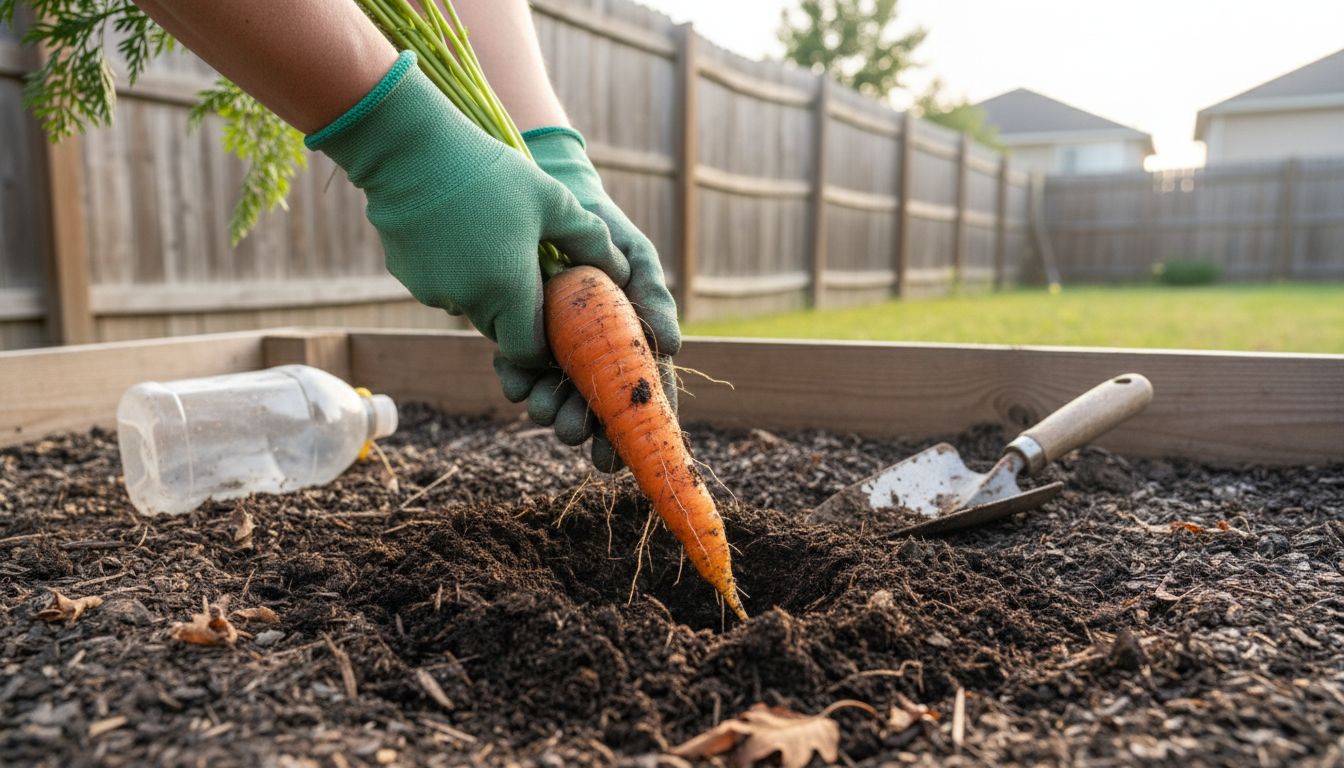
Diverse root systems play a critical role in soil transformation, with different crops contributing unique benefits to underground environments. Some plants have deep roots that break up compacted soil layers, while others release specific organic compounds that enhance microbial activity and nutrient availability. This intricate underground interaction helps create a more resilient and productive soil structure.
The key benefits of crop rotation on soil nutrients and structure include:
- Nutrient Replenishment: Different crops extract and contribute varying nutrients
- Organic Matter Enhancement: Increased diversity of plant residues
- Soil Structure Improvement: Varied root systems create better soil aggregation
- Microbial Diversity: Supporting a wider range of beneficial soil organisms
Understanding soil composition becomes crucial in this context. By strategically rotating crops, farmers can naturally address nutrient deficiencies, reduce erosion, and create a self-sustaining agricultural ecosystem that minimizes the need for artificial fertilizers and interventions.
Risks of Not Rotating Crops in Gardens
Failing to rotate crops can create a cascade of devastating agricultural challenges that gradually undermine garden productivity and plant health. When gardeners repeatedly plant the same crop family in the same location, they unknowingly create a perfect environment for pests, diseases, and nutrient depletion to flourish unchecked.
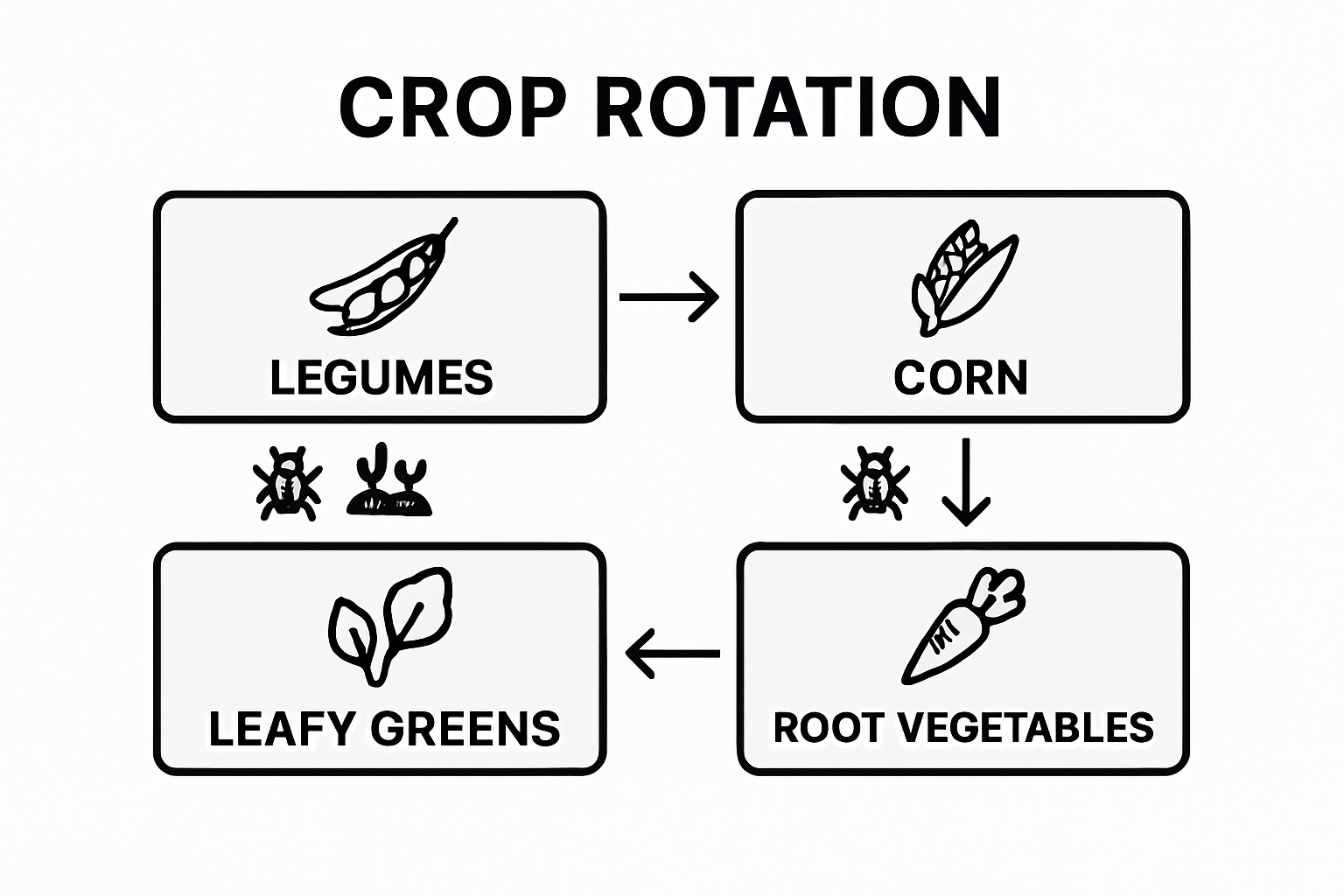
Continuous planting of identical crops leads to significant soil and plant health risks, including dramatic increases in pest populations and soil-borne diseases. Specific consequences include weakened plant immune systems, reduced nutrient availability, and increased vulnerability to pathogenic attacks that can decimate entire garden sections.
The most critical risks of neglecting crop rotation include:
- Nutrient Exhaustion: Specific soil minerals become progressively depleted
- Pest Accumulation: Harmful insects and nematodes build permanent populations
- Disease Proliferation: Soil-borne pathogens concentrate in unchanged environments
- Reduced Crop Yields: Plants become progressively weaker and less productive
Understanding vegetable garden layouts becomes crucial in preventing these risks. Strategic crop placement and rotation can transform a struggling garden into a thriving, resilient ecosystem that naturally resists agricultural challenges and maintains long-term productivity.
Comparing Crop Rotation with Other Methods
Crop rotation stands out as a superior agricultural strategy when compared to traditional farming approaches like continuous cropping or monoculture. Unlike static agricultural methods, crop rotation introduces dynamic complexity that naturally enhances ecosystem resilience and productivity.
Integrated pest management strategies reveal the significant advantages of crop rotation over conventional techniques. Where continuous cropping depletes soil nutrients and creates predictable environments for pests, crop rotation disrupts these established patterns, creating an inherently more challenging landscape for destructive organisms.
Key comparative advantages of crop rotation include:
- Ecosystem Diversity: Unlike monoculture, rotation supports multiple plant species
- Pest Resistance: More effective than chemical pest control methods
- Nutrient Management: Superior to synthetic fertilization approaches
- Soil Health: Significantly better than single-crop cultivation techniques
Vegetable garden layouts play a crucial role in implementing effective rotation strategies. By understanding the nuanced interactions between different crops, gardeners can create more resilient, self-sustaining agricultural systems that naturally overcome the limitations of traditional farming methods.
Enhance Your Garden with Smart Crop Rotation Strategies
The article highlights common gardening challenges such as nutrient depletion, pest build-up, and soil degradation caused by not rotating crops effectively. If you want to avoid depleted soil and recurring pests and turn your garden into a thriving and sustainable ecosystem, understanding crop rotation techniques like single-year and multi-year rotations is essential. This natural method improves soil health, boosts plant yields, and reduces the need for chemical fertilizers and pesticides.
At Lushy Gardens, you can explore practical gardening advice and detailed guides tailored to help you implement these vital practices. Discover how to design resilient vegetable garden layouts that complement crop rotation principles and learn about organic pest control methods that work in harmony with nature. Don’t wait until pests and nutrient deficiencies damage your garden. Visit us now to unlock expert tips and start transforming your gardening approach today.
Frequently Asked Questions
What is crop rotation and why is it important?
Crop rotation is an agricultural technique that involves systematically changing the type of crops planted in a specific field from season to season. It is important because it helps maintain soil health, optimize plant nutrition, and manage pests and diseases naturally.
How does crop rotation improve soil health?
Crop rotation enhances soil health by introducing different root structures and nutrient requirements, which improve soil fertility, structure, and microbial diversity. It also helps replenish nutrients that certain crops may deplete, creating a more balanced ecosystem.
What are the main types of crop rotation systems?
The main types of crop rotation systems include single-year rotation, two-year rotation, three-year rotation, and four-year rotation. Each system varies in complexity and is designed to maximize soil health and crop productivity through careful sequencing of different crops.
How does crop rotation help control pests and diseases?
Crop rotation disrupts the life cycles of pests and diseases by introducing non-host plants into the agricultural landscape. This makes the environment less hospitable for pests that thrive on specific crops, thereby reducing their populations and the risk of crop disease.

Recommended
- Understanding the Best Soil for Vegetables: Key Insights – Lushy Gardens
- 4 Vegetable Garden Layouts to Maximize Your Yield – Lushy Gardens
- 7 Essential Raised Bed Gardening Tips for Beginners – Lushy Gardens
- Benefits of Raised Beds: Complete Gardening Guide – Lushy Gardens
- Amazing soil-less farming – AMAZING GARDEN

I’m Eleanor, a seasoned gardener with over three decades of experience tending to Mother Nature’s creations. Through Lushy Gardens, I aim to share my wealth of knowledge and help fellow plant enthusiasts uncover the wonders of gardening. Let’s dive into this journey together, one leaf at a time.


