
Table of Contents
Sorting through seed catalogs in search of unique flavors and colors can quickly turn confusing for new gardeners across North America. Understanding the story behind heirloom seeds helps clarify what sets them apart from hybrids and modern varieties. These seeds are prized for their generational seed saving tradition and deep cultural roots, providing consistent plant traits while preserving agricultural heritage. Unpacking the myths and truths about heirloom seeds gives you the tools to grow diverse, resilient crops and support sustainable gardening.
Key Takeaways
| Point | Details |
|---|---|
| Heirloom Seeds Hold Cultural Significance | Heirloom seeds represent generations of agricultural heritage, connecting modern gardeners with rich histories of seed preservation within communities. |
| Genetic Stability is Key | Heirloom seeds maintain consistent genetic traits across generations through open-pollination, allowing them to reproduce true-to-type. |
| Benefits Outweigh Challenges | Growing heirloom seeds offers rich flavors and enhanced biodiversity, though they may require more careful cultivation compared to hybrids. |
| Understand Seed Origins | Researching the specific lineage and growing history of heirloom seeds can help gardeners optimize their cultivation practices. |
Defining Heirloom Seeds and Common Misconceptions
Heirloom seeds represent a fascinating agricultural heritage that goes far beyond simple plant reproduction. These remarkable seeds carry deep cultural significance, representing generations of careful seed selection and preservation within families and local communities. Historical seed lineage matters more than most gardeners realize.
Unlike modern hybrid varieties, heirloom seeds maintain consistent genetic characteristics across generations through open-pollination. These seeds are genetically stable, meaning the plants grown from them will reproduce true to their parent plant’s traits. Key characteristics that define authentic heirloom seeds include:
- Passed down through multiple generations
- Open-pollinated breeding process
- Maintained within specific families or communities
- Consistent genetic traits over time
- Rich cultural and agricultural history
Contrary to popular belief, heirloom seeds do not require a specific age to be considered authentic. While some gardeners assume heirlooms must be 50 or 100 years old, the primary criteria revolve around their generational transmission and genetic stability. Genetic heritage matters far more than an arbitrary age requirement.
Heirloom varieties emerge from traditional agricultural practices where farmers and gardeners carefully selected and preserved seeds displaying desirable characteristics. This meticulous process ensured crops with exceptional flavor, resilience, and adaptability to local growing conditions. Each seed variety tells a unique story of agricultural innovation and cultural preservation.
Pro tip: When starting with heirloom seeds, always purchase from reputable seed savers who can document the variety’s specific lineage and growing history.
Types of Heirloom Seeds and Their Origins
Heirloom seeds represent a remarkable tapestry of global agricultural diversity, with origins spanning multiple continents and cultures. Ancient cultivar traditions reveal fascinating stories of seed preservation that stretch back centuries, connecting modern gardeners with rich agricultural heritage.
These remarkable seed varieties emerge from diverse global regions, each with unique characteristics shaped by local growing conditions and cultural practices. Heirloom seeds can be broadly categorized into several compelling types:
- Vegetable heirlooms from family gardens
- Regional specialty crops
- Native American seed varieties
- Cultural preservation seeds
- Pre-industrial agricultural cultivars
Some heirloom seeds trace their lineage to specific geographic regions, highlighting the incredible biodiversity maintained by traditional farming communities. Cultural seed preservation represents more than just agricultural practice – it’s a living connection to generations of agricultural knowledge and environmental adaptation.
Interestingly, many heirloom varieties originated in regions like Asia, Africa, and Europe, with some seeds dating back over 100 years. These seeds survived through careful selection by farmers who prioritized flavor, resilience, and local adaptation over commercial uniformity. Each variety carries a unique genetic story of survival and agricultural innovation.
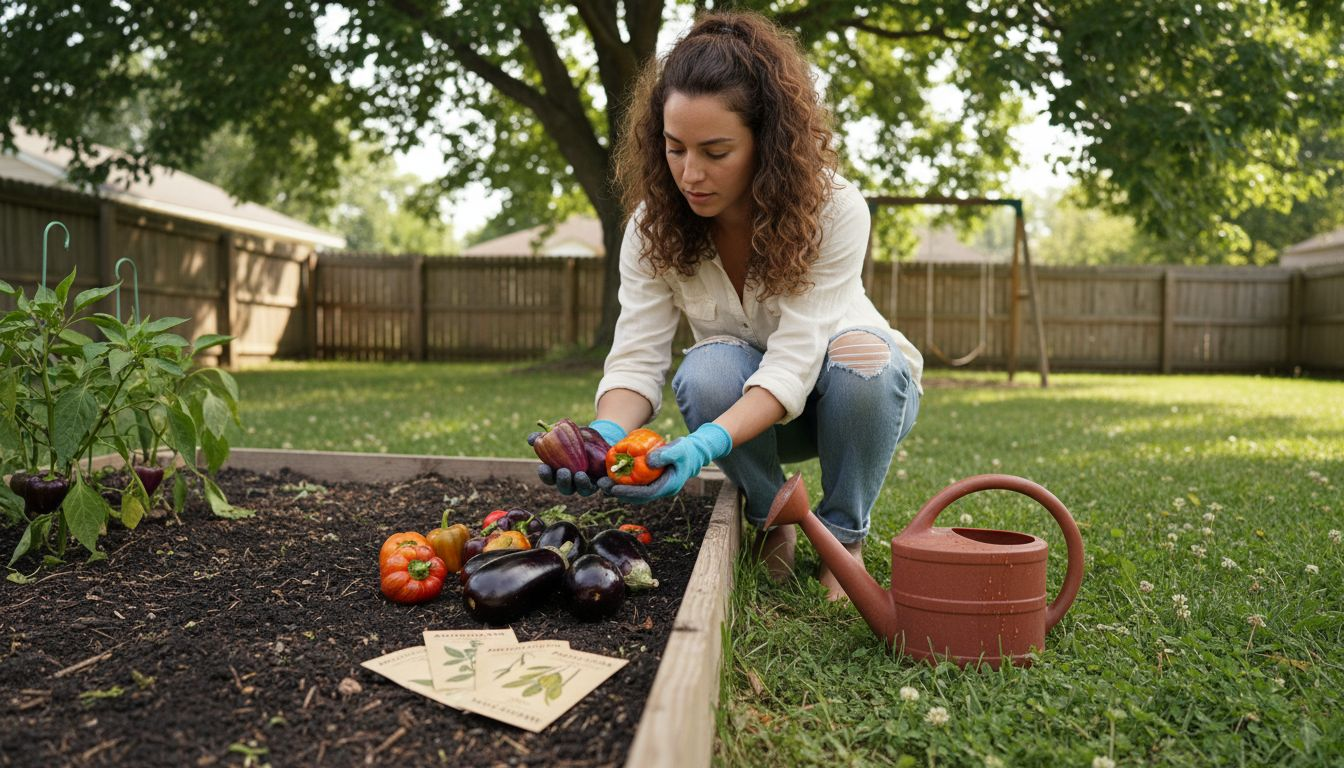
Pro tip: Research the specific origin and growing history of heirloom seeds before planting to understand their unique characteristics and optimal cultivation requirements.
Key Traits That Distinguish Heirloom Seeds
Heirloom seeds are distinguished by their remarkable genetic consistency and unique characteristics that set them apart from commercial hybrid varieties. Open-pollinated seed reproduction reveals the intricate ways these seeds maintain their distinctive traits across generations.
The most critical traits that define authentic heirloom seeds include:
- Consistent genetic reproduction
- Open-pollination capabilities
- Generational seed saving tradition
- Unique flavor profiles
- Adaptation to local growing conditions
- Resistance to specific environmental challenges
Genetic stability is perhaps the most fundamental characteristic of heirloom seeds. Unlike hybrid varieties that require repeated cross-breeding, heirloom seeds can reproduce true-to-type, meaning the offspring will closely resemble the parent plant. This remarkable trait allows gardeners to save and replant seeds year after year, preserving specific plant characteristics that have been carefully cultivated over decades or even centuries.
Beyond genetic consistency, heirloom seeds offer extraordinary diversity in appearance and taste. These seeds often produce vegetables and fruits with vibrant colors, unique shapes, and complex flavor profiles that commercial agriculture has largely abandoned in favor of uniformity and shipping durability. Each heirloom variety tells a story of cultural heritage, local adaptation, and agricultural innovation.
Pro tip: Create a seed diary to track the unique characteristics and performance of your heirloom varieties, helping you understand their specific growth patterns and adaptation capabilities.
Heirloom Seeds Versus Hybrid and GMO Seeds
Understanding the fundamental differences between heirloom, hybrid, and genetically modified (GMO) seeds is crucial for gardeners seeking to make informed agricultural choices. Seed reproduction methods reveal the complex landscape of modern seed development and genetic diversity.
The key distinctions between these seed types include:
- Genetic manipulation level
- Seed saving potential
- Reproduction capabilities
- Origin of development
- Long-term agricultural sustainability
- Genetic diversity preservation
Hybrid seeds are created through intentional cross-pollination of different plant varieties to enhance specific traits like disease resistance or yield. Unlike heirloom seeds, hybrid varieties cannot reliably reproduce their exact characteristics when seeds are saved and replanted. These seeds represent a deliberate human intervention designed to optimize agricultural performance in controlled environments.
Genetically modified (GMO) seeds represent the most technologically advanced approach, involving direct laboratory manipulation of plant DNA. These seeds are engineered to introduce traits not naturally possible through traditional breeding, such as pest resistance or enhanced nutritional profiles. Unlike heirloom varieties that have evolved through generations of careful selection, GMO seeds are fundamentally artificial constructs designed for maximum agricultural efficiency.
Here’s a summary comparing heirloom, hybrid, and GMO seeds:
| Seed Type | Genetic Manipulation | Seed Saving Potential | Typical Uses |
|---|---|---|---|
| Heirloom | None, natural selection | High, true-to-parent | Flavor, tradition |
| Hybrid | Cross-breeding | Low, unpredictable traits | Commercial yield, disease |
| GMO | Laboratory modification | Very low, patented traits | Pest resistance, biotech |
Pro tip: When selecting seeds, prioritize understanding their genetic background and potential long-term implications for your specific gardening environment.
Benefits and Challenges of Growing Heirloom Seeds
Growing heirloom seeds offers gardeners a nuanced approach to sustainable agriculture that balances remarkable benefits with unique cultivation challenges. Food security and biodiversity represent critical considerations for modern gardeners exploring these exceptional seed varieties.
Key benefits of cultivating heirloom seeds include:
- Exceptional flavor profiles
- Enhanced genetic diversity
- Lower environmental impact
- Preservation of agricultural heritage
- Seed-saving capabilities
- Adaptation to local growing conditions
Genetic preservation stands as one of the most significant advantages of heirloom seeds. These remarkable varieties offer gardeners the opportunity to maintain plant characteristics passed down through generations, creating a living connection to agricultural traditions. Unlike commercial hybrid varieties, heirloom seeds can be saved and replanted, allowing gardeners to develop plant strains uniquely adapted to their specific microclimates.
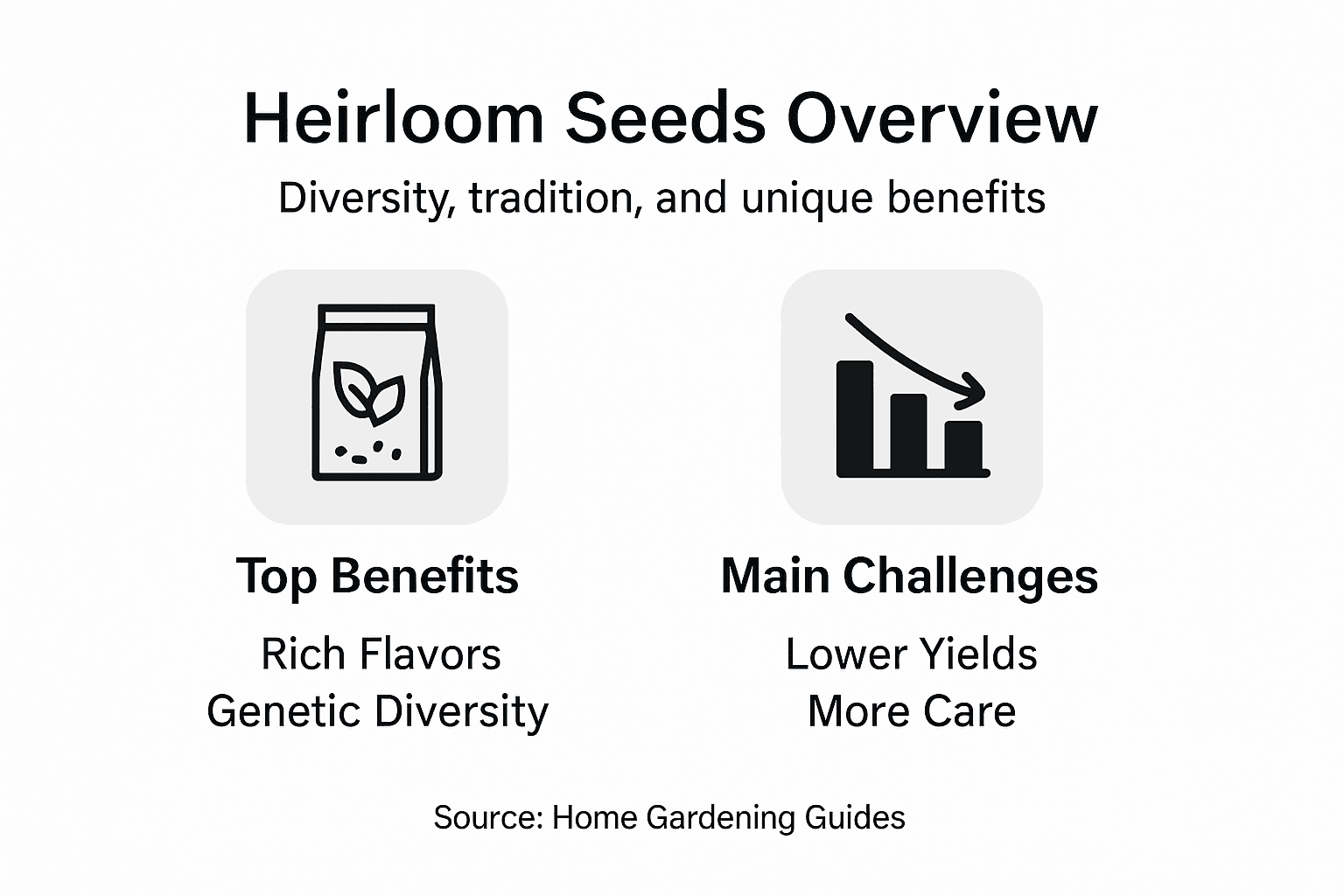
However, heirloom seeds are not without challenges. They typically require more attentive cultivation practices, demonstrating lower disease resistance and potentially inconsistent yields compared to modern hybrid varieties. Gardeners must invest additional time in monitoring plant health, selecting robust specimens, and developing cultivation strategies that support these genetically diverse and sometimes more delicate seed varieties.
This table outlines major advantages and challenges when growing heirloom seeds:
| Aspect | Main Advantage | Main Challenge |
|---|---|---|
| Flavor | Rich, unique taste | Can vary by season |
| Disease | Local adaptation possible | Often lower resistance |
| Biodiversity | Preserves genetic diversity | Requires selective cultivation |
| Sustainability | Enables seed saving & adaptation | More variable yields |
Pro tip: Start with 2-3 heirloom varieties and carefully document their performance to build your understanding of their unique growing requirements.
Embrace the Legacy of Heirloom Seeds with Expert Guidance
Understanding the unique challenges of growing heirloom seeds means balancing their rich genetic heritage with attentive care. If you want to preserve exceptional flavor, support agricultural biodiversity, and cultivate plants that truly adapt to your local environment, you need trusted advice tailored to these special varieties. At Lushy Gardens, we recognize the importance of seed-saving traditions, open-pollination, and nurturing plants through generations.
Explore practical tips on selecting, planting, and maintaining heirloom seeds along with detailed guides on achieving healthy growth and managing their specific needs. Take your gardening journey to the next level by visiting Lushy Gardens for thorough insights, user-friendly plant care advice, and inspiration from seasoned experts. Ready to make a difference in your garden today Visit Lushy Gardens and start cultivating heirloom seeds that tell a story while thriving in your garden.

Frequently Asked Questions
What are heirloom seeds?
Heirloom seeds are seeds that have been passed down through generations, maintained through open-pollination, and exhibit consistent genetic traits over time. They represent a rich cultural and agricultural heritage.
How do heirloom seeds differ from hybrid and GMO seeds?
Heirloom seeds are naturally selected without genetic modification, allowing for true reproduction of parent traits. In contrast, hybrid seeds are artificially crossbred to enhance specific traits and cannot reliably produce the same characteristics when saved. GMO seeds involve laboratory modification for specific traits and represent a more artificial approach to agriculture.
What are the benefits of growing heirloom seeds?
Growing heirloom seeds provides exceptional flavors, enhanced genetic diversity, lower environmental impacts, and the ability to save seeds for future planting. They also preserve agricultural heritage and can be adapted to local growing conditions.
What challenges might I encounter when growing heirloom seeds?
Heirloom seeds may require more attentive cultivation practices, as they often have lower disease resistance and yield variability compared to modern hybrid varieties. Gardeners must invest additional time in monitoring plant health and developing specific strategies for their unique growing requirements.
Recommended
- Heirloom vs Hybrid Seeds: Impact on Your Garden – Lushy Gardens
- Growing Microgreens at Home Naturally: Easy Step-by-Step Guide – Lushy Gardens
- 8 Essential Organic Gardening Tips for Beginners – Lushy Gardens
- 7 Essential Tips for Mastering Your Vegetable Planting Calendar – Lushy Gardens

I’m Eleanor, a seasoned gardener with over three decades of experience tending to Mother Nature’s creations. Through Lushy Gardens, I aim to share my wealth of knowledge and help fellow plant enthusiasts uncover the wonders of gardening. Let’s dive into this journey together, one leaf at a time.


