
Table of Contents
Choosing between heirloom and hybrid seeds can feel like a turning point for home gardeners hoping to boost vegetable yields and support organic practices. This decision shapes everything from flavor and garden diversity to pest resistance and long-term sustainability. Understanding the unique advantages of heirloom seeds versus hybrid seeds will empower you to grow healthier plants, save more seeds, and cultivate crops suited to your backyard’s conditions.
Key Takeaways
| Point | Details |
|---|---|
| Heirloom Seeds | Heirloom seeds maintain genetic consistency, allowing for reliable seed saving and unique flavors. |
| Hybrid Seeds | Hybrid seeds produce more uniform growth and typically yield higher outputs with improved disease resistance. |
| Sustainability | Heirloom varieties support biodiversity and local ecosystems through genetic preservation and seed saving. |
| Selection Strategy | Choose seeds based on specific gardening goals, such as flavor, sustainability, or yield expectations. |
Defining Heirloom and Hybrid Seeds
Gardeners diving into seed selection face a pivotal choice between heirloom and hybrid seeds – two distinct approaches with unique characteristics that dramatically impact garden outcomes. Open-pollinated seed varieties represent a fascinating agricultural heritage, offering gardeners more than just plant reproduction.
Heirloom seeds are time-honored varieties passed down through generations, typically cultivated before 1940. These seeds represent genetic lineages preserved by farmers and gardeners who carefully selected and saved seeds from their most robust plants. Unlike modern hybrid varieties, heirloom seeds maintain genetic consistency, allowing gardeners to save and replant seeds that will produce nearly identical plants in subsequent seasons. Hybrid seed production involves deliberate cross-pollination between distinct parent plants, creating offspring with specific desired traits like enhanced disease resistance or uniform appearance.
The key differences between heirloom and hybrid seeds emerge in several critical areas:
- Genetic Stability: Heirloom seeds reproduce true to type, while hybrid seeds produce variable offspring
- Genetic Diversity: Heirlooms offer greater genetic variation and unique characteristics
- Commercial Viability: Hybrids are often preferred in industrial agriculture for consistent yields
- Flavor Profile: Heirlooms frequently provide more complex and distinctive tastes
Pro tip: Before selecting seeds, consider your specific gardening goals and whether genetic consistency or enhanced traits matter most for your vegetable plot.
Here is a side-by-side comparison of heirloom and hybrid seeds for easier decision-making:
| Attribute | Heirloom Seeds | Hybrid Seeds |
|---|---|---|
| Seed Saving | Reliable for next generation | Offspring may not be true to type |
| Adaptation Potential | Adapts well to local environments | Standardized for predictability |
| Taste Experience | Often more complex, traditional | Generally milder, consistent flavor |
| Initial Seed Cost | Often lower due to seed sharing | Typically higher per packet |
Key Differences in Growth and Production
When comparing heirloom and hybrid seeds, gardeners encounter significant variations in growth patterns, yield potential, and overall plant performance. Seed breeding techniques reveal fascinating distinctions that impact garden productivity and plant characteristics.
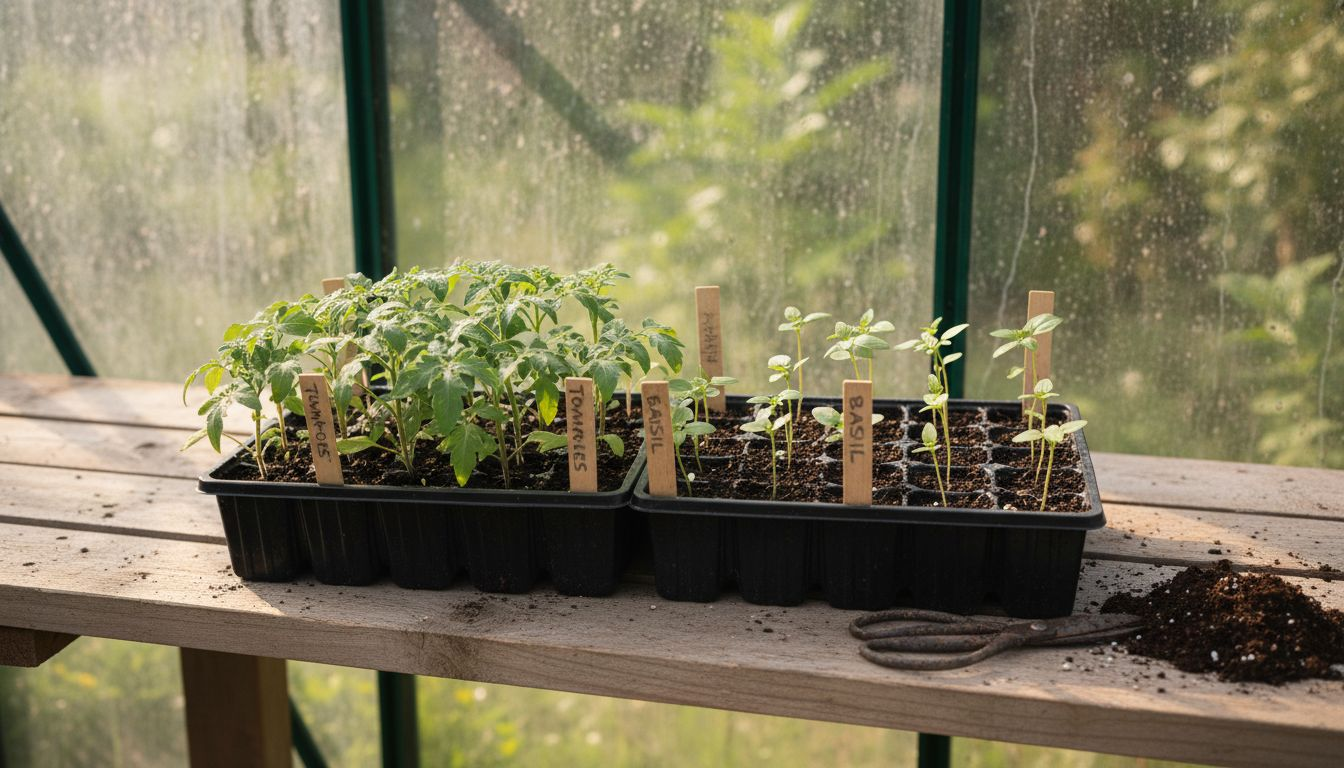
Heirloom seeds typically demonstrate slower, more deliberate growth cycles characterized by less uniformity but greater genetic diversity. These plants often mature at different rates, creating a more staggered harvest timeline. In contrast, hybrid seeds are engineered for rapid, consistent growth with enhanced disease resistance and more predictable yield outcomes. Open-pollinated seed characteristics underscore the genetic stability that allows heirloom varieties to maintain consistent traits across generations.
Key production differences between heirloom and hybrid seeds include:
- Maturation Speed: Hybrids grow more uniformly and quickly
- Yield Consistency: Hybrid seeds produce more predictable crop volumes
- Environmental Adaptation: Heirloom seeds often demonstrate better resilience in diverse growing conditions
- Genetic Preservation: Heirlooms maintain genetic integrity across planting cycles
Gardeners must recognize that each seed type brings unique advantages. Hybrids offer commercial-grade performance with reliable outcomes, while heirlooms provide genetic richness and potential for long-term seed saving.
Pro tip: Consider creating a mixed garden strategy that incorporates both heirloom and hybrid seeds to maximize genetic diversity and crop reliability.
Benefits and Drawbacks for Home Gardeners
Home gardeners face a nuanced decision when selecting seeds, with each type offering unique advantages and challenges. Seed diversity and sustainability play critical roles in determining the most appropriate choice for individual garden needs.
Heirloom seeds present compelling benefits for gardeners passionate about genetic preservation and flavor complexity. These seeds enable gardeners to save and replant seeds from their most successful plants, creating a sustainable cycle of crop production. Open-pollinated seed characteristics highlight their potential for maintaining genetic diversity and supporting local agricultural ecosystems. However, heirlooms also come with notable challenges, including reduced disease resistance and potentially lower overall yields compared to hybrid varieties.
Key considerations for home gardeners include:
- Genetic Preservation: Heirlooms allow seed saving and maintain genetic lineage
- Flavor Complexity: Heirloom varieties often provide more distinctive and rich taste profiles
- Yield Predictability: Hybrid seeds offer more consistent and potentially higher crop volumes
- Disease Resistance: Hybrid seeds typically demonstrate superior protection against pests and environmental challenges
- Cost Implications: Heirlooms can be more economical long-term due to seed-saving potential
Ultimately, the choice between heirloom and hybrid seeds depends on individual gardening goals, local growing conditions, and personal preferences. Some gardeners opt for a mixed approach, incorporating both seed types to balance genetic diversity with reliable production.
Pro tip: Experiment with small test plots of both heirloom and hybrid seeds to determine which performs best in your specific garden environment.
Seed Saving and Sustainability Concerns
Seed preservation represents a critical intersection of agricultural practice, biodiversity, and environmental sustainability. Seed system conservation highlights the complex challenges faced by gardeners seeking to maintain genetic diversity and independence from commercial seed sources.
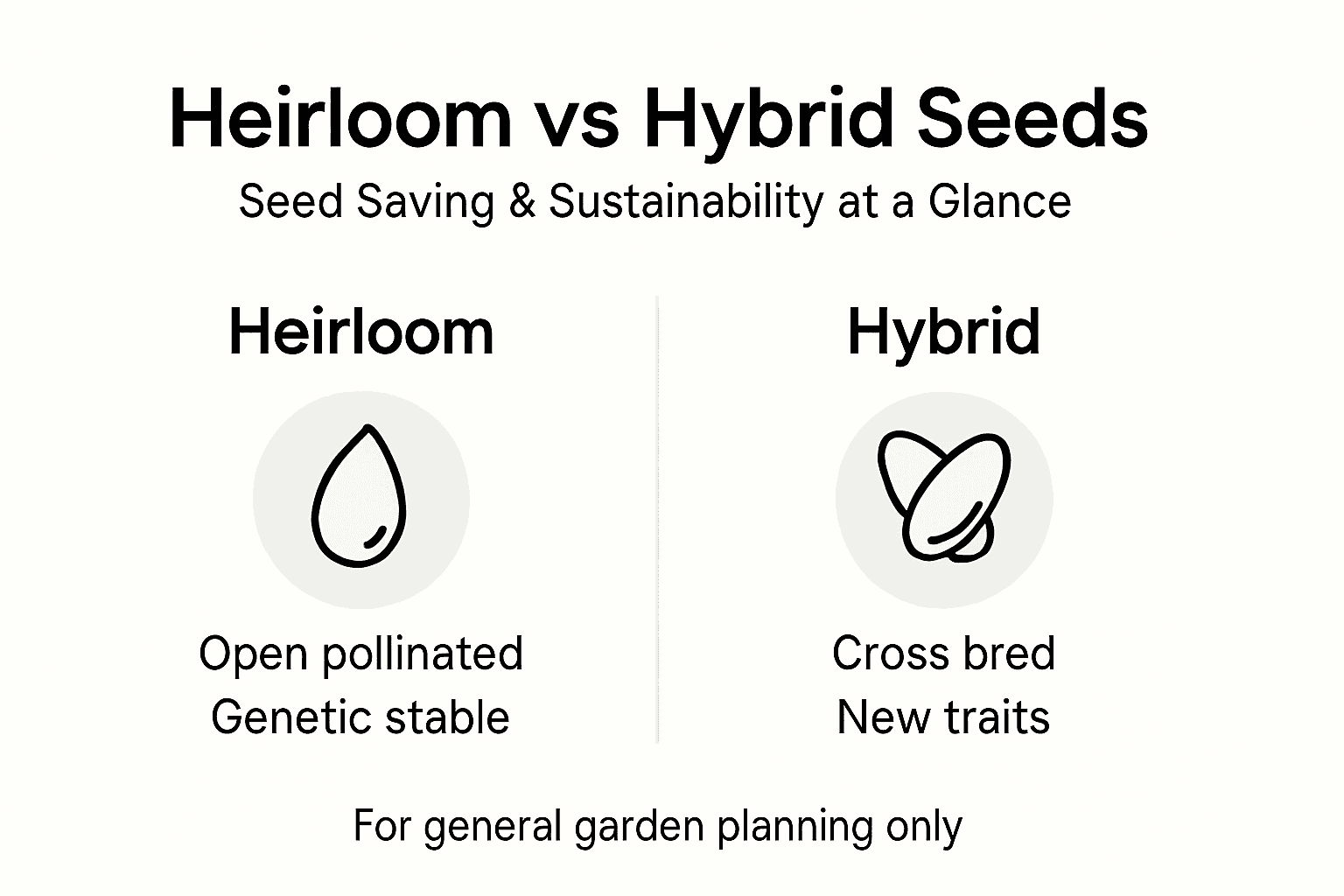
Heirloom seeds emerge as a powerful tool for sustainable gardening, offering unique opportunities for seed saving and genetic preservation. Unlike hybrid varieties, these open-pollinated seeds can be collected and replanted, creating a self-sustaining cycle of crop production. Sustainable seed production requires gardeners to understand the nuanced differences between seed types and their long-term environmental implications.
Key sustainability considerations include:
- Genetic Diversity: Heirloom seeds preserve unique plant varieties and genetic traits
- Economic Independence: Seed saving reduces dependence on commercial seed manufacturers
- Climate Adaptation: Open-pollinated seeds can develop resilience to local growing conditions
- Biodiversity Protection: Maintaining diverse seed varieties supports ecosystem health
- Cultural Preservation: Heirloom seeds often represent agricultural heritage and traditional growing practices
Gardeners committed to sustainability must recognize that seed saving is more than a practical skill. It represents an active contribution to preserving agricultural biodiversity and maintaining genetic resilience in our food systems.
Pro tip: Connect with local seed libraries and exchange networks to expand your seed diversity and learn advanced seed saving techniques.
Choosing the Right Seeds for Your Goals
Selecting the perfect seeds requires a thoughtful approach that aligns with your specific gardening objectives and environmental conditions. Seed selection strategies demand careful consideration of multiple factors beyond simple aesthetic preferences.
Home gardeners must evaluate their primary goals, whether focused on maximum yield, exceptional flavor, genetic preservation, or sustainable practices. Seed variety considerations reveal that different seed types offer unique advantages depending on individual gardening priorities. Hybrids excel in commercial settings with their uniform growth and disease resistance, while heirlooms shine in contexts prioritizing flavor complexity and genetic diversity.
Critical factors for seed selection include:
- Climate Adaptability: Match seeds to your specific growing zone and seasonal conditions
- Garden Purpose: Determine whether you seek commercial production or personal enjoyment
- Maintenance Level: Consider your available time and gardening expertise
- Long-Term Goals: Evaluate seed saving potential and sustainability objectives
- Flavor and Nutrition: Prioritize taste and nutritional content based on personal preferences
Successful seed selection transcends simple purchasing decisions. It represents a strategic investment in your garden’s potential, requiring a holistic understanding of each seed variety’s unique characteristics and potential performance.
Pro tip: Conduct small experimental plots with different seed types to empirically determine which varieties perform best in your specific microclimate and gardening conditions.
The following table summarizes how seed choices influence garden goals:
| Gardening Goal | Best Suited Seed Type | Main Benefit |
|---|---|---|
| High, stable yields | Hybrid Seeds | Greater output reliability |
| Unique flavors | Heirloom Seeds | Distinct taste profiles |
| Sustainable gardening | Heirloom Seeds | Enables continuous saving |
| Disease resistance | Hybrid Seeds | Improved plant vigor |
Unlock Your Garden’s Potential with Expert Guidance and Tools
Choosing between heirloom and hybrid seeds can feel overwhelming as you balance flavor, yield, and sustainability goals. The challenge lies in matching seed types to your unique garden environment while preserving genetic diversity and maximizing productivity. If you are eager to grow a thriving garden that reflects your preferences whether you seek bold flavors typical of heirloom varieties or the reliable yields of hybrids you need trusted advice and the right equipment.
Explore our Companion Planting – Lushy Gardens section for smart planting strategies that boost your plants’ health and resistance. Discover essential gear in Garden Tools & Equipment – Lushy Gardens to nurture your seedlings from sowing to harvest. Start making empowered gardening decisions today by visiting Lushy Gardens, your go-to resource for practical tips, expert insights, and inspiring content designed to help you cultivate the garden you envision.
Take charge of your garden’s future now by learning which seeds fit your growing goals and how to care for them effectively.

Frequently Asked Questions
What are heirloom seeds?
Heirloom seeds are traditional varieties that have been passed down through generations, typically cultivated before 1940. They maintain genetic consistency and can reproduce true to type, allowing gardeners to save and replant them.
What are hybrid seeds?
Hybrid seeds are produced by cross-pollinating two distinct parent plants to achieve specific traits like improved disease resistance and uniform appearance. These seeds often yield more consistent crops but may not reproduce true to type in subsequent generations.
How do heirloom and hybrid seeds differ in flavor?
Heirloom seeds often provide more complex and distinctive flavors compared to hybrid seeds, which typically have milder and more uniform tastes. This makes heirlooms a popular choice for home gardeners desiring unique culinary experiences.
Can I save seeds from hybrid varieties?
It is generally not recommended to save seeds from hybrid varieties, as their offspring may not exhibit the same characteristics as the parent plants. In contrast, heirloom seeds can be reliably saved and replanted, maintaining genetic integrity across generations.
Recommended
- Perennial vs Annual Plants: Everything You Need to Know – Lushy Gardens
- Importance of Pollinators: Boosting Garden Health and Yield – Lushy Gardens
- Difference Between Annuals and Perennials Explained – Lushy Gardens
- 21st Century Gardening Trends: Tech Meets Sustainability – Lushy Gardens

I’m Eleanor, a seasoned gardener with over three decades of experience tending to Mother Nature’s creations. Through Lushy Gardens, I aim to share my wealth of knowledge and help fellow plant enthusiasts uncover the wonders of gardening. Let’s dive into this journey together, one leaf at a time.


