
Table of Contents
Over half of American home gardeners admit confusion when choosing between annuals and perennials for their outdoor spaces. This decision shapes not only the look of your garden but also how much time and money you invest year after year. With some plants offering short bursts of color and others promising seasons of steady beauty, knowing these key differences helps create a thriving, sustainable garden that fits both your lifestyle and vision.
Key Takeaways
| Point | Details |
|---|---|
| Understanding Lifespan | Annuals complete their life cycle in one season, while perennials last for multiple years. |
| Growth and Maintenance | Annuals require more effort for replanting and maintenance compared to the more sustainable perennials. |
| Visual Impact | Annuals provide immediate color, whereas perennials offer long-term structural integrity in garden design. |
| Plant Selection | A balanced mix of both types can create dynamic landscapes that are visually compelling and adapt to seasonal changes. |
Defining Annuals and Perennials in Gardening
In the dynamic world of gardening, understanding the fundamental differences between annual and perennial plants is crucial for creating thriving, sustainable landscapes. These two plant categories represent distinct life cycles and growth strategies that significantly impact garden design and maintenance. According to Merriam-Webster’s botanical definitions, annuals are plants that complete their entire life cycle within a single growing season, while perennials persist for multiple years.
Annuals, characterized by their rapid growth and dramatic flowering, complete their entire biological journey from seed to seed production in just one season. They germinate, bloom, produce seeds, and die within the same year, making them incredibly efficient and colorful additions to gardens. These plants invest all their energy into rapid reproduction, creating stunning displays of flowers and foliage that can transform garden spaces with vibrant colors and textures. Scientific sources confirm that annuals focus their biological resources on producing abundant seeds to ensure the next generation’s survival.
In contrast, perennials are the endurance athletes of the plant world. These resilient plants live for multiple years, often dying back during winter and re-emerging in spring from their established root systems. Perennials develop more complex root structures that allow them to survive harsh conditions and return season after season. This characteristic makes them excellent for creating stable, low-maintenance garden landscapes that provide consistent structure and beauty. Unlike annuals, perennials allocate their energy towards developing robust root systems and gradual, sustained growth rather than rapid, single-season reproduction.
Pro Gardening Tip: Plan your garden with a strategic mix of annuals and perennials to create dynamic, evolving landscapes that offer both immediate visual impact and long-term structural stability.
Here’s a concise comparison of key traits for annuals and perennials:
| Characteristic | Annuals | Perennials |
|---|---|---|
| Lifespan | 1 growing season | Multiple years |
| Bloom Duration | Long, continuous | Short, often seasonal |
| Maintenance Needs | High – replant yearly | Low after establishment |
| Root System Depth | Shallow roots | Deep, complex roots |
| Visual Impact | Immediate, bold color | Gradual, consistent structure |
| Cost Over Time | More expensive due to replanting | Lower with ongoing returns |
Lifespan and Seasonal Growth Patterns Compared
The seasonal growth patterns of annuals and perennials reveal fascinating differences in plant survival strategies and reproductive approaches. While both plant types have unique characteristics, their growth cycles represent fundamentally distinct approaches to thriving in garden environments. Understanding these patterns helps gardeners make informed decisions about plant selection, garden design, and long-term landscape planning.
Annual plants exhibit an intense, condensed growth cycle that spans a single growing season. These plants prioritize rapid reproduction, investing all their energy into germinating, flowering, producing seeds, and completing their entire life cycle within months. Their growth pattern is characterized by explosive, rapid development – from tiny seedlings to full-grown, flowering plants in just weeks. This compressed timeline means annuals produce spectacular, vibrant displays of color and foliage but require complete replanting each year. Gardeners seeking immediate visual impact often choose annuals for their ability to quickly transform garden spaces with dense, colorful blooms.
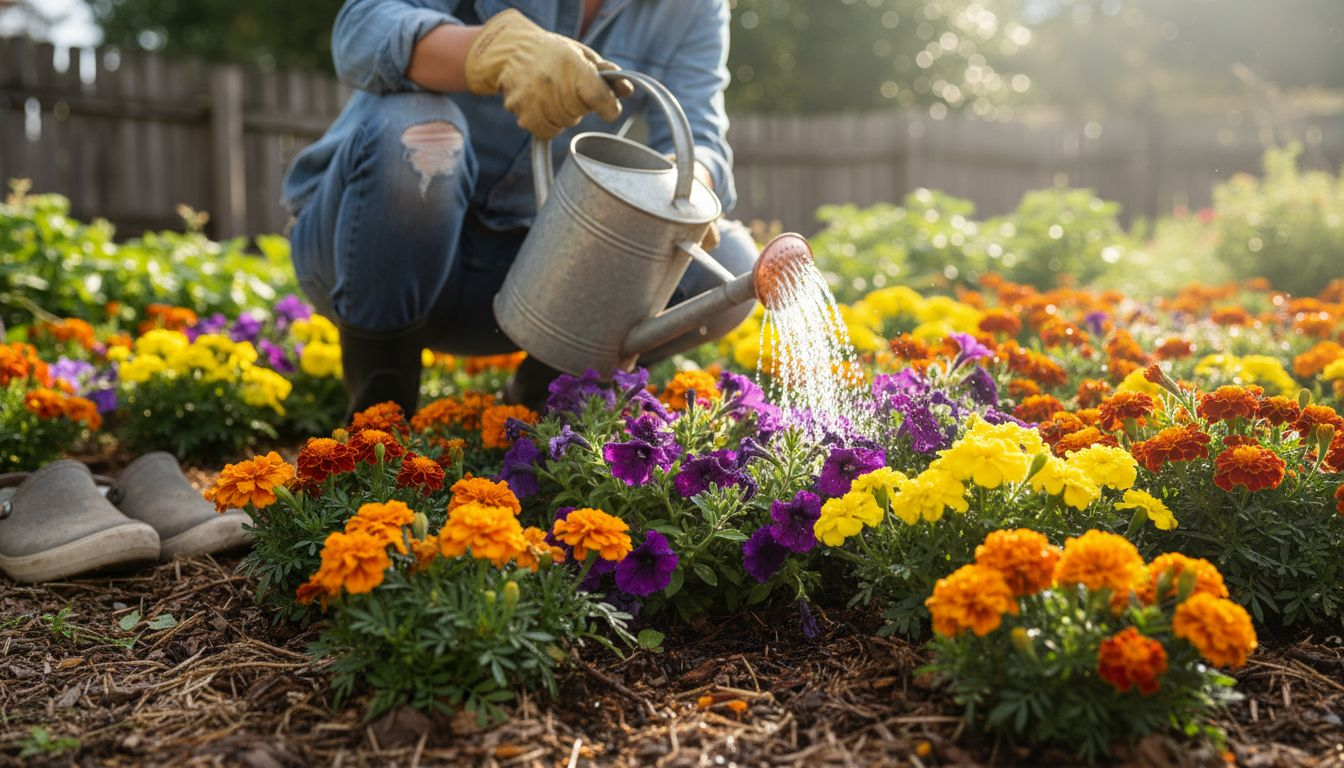
Perennials, by contrast, demonstrate a more measured and strategic growth approach. These plants develop complex root systems that allow them to survive multiple seasons, typically dying back during winter and reemerging in spring. Their growth pattern is characterized by gradual, sustained development with an emphasis on root establishment and long-term survival. Perennials allocate resources more conservatively, focusing on developing robust underground structures that can withstand harsh environmental conditions. This approach means perennials might not provide the same immediate visual drama as annuals, but they offer consistent, reliable garden structure and require less frequent replanting.
Pro Gardening Tip: Create visual garden diversity by strategically combining annuals and perennials, leveraging the immediate color of annuals with the structural stability of perennial plantings.
Planting and Care Requirements for Each Type
Planting and maintaining annuals and perennials require distinctly different approaches that reflect their unique growth characteristics and life cycles. Researchers have noted that while annuals offer long-lasting, vibrant blooms, they demand more frequent replanting, whereas perennials provide a more sustainable, low-maintenance gardening option.
Annual plants require intensive care and annual replanting, making them a high-maintenance but visually rewarding garden choice. Gardeners must carefully prepare soil, plant seeds or seedlings in the spring, and provide consistent care throughout the growing season. These plants typically need frequent watering, regular fertilization, and meticulous attention to ensure robust growth and continuous flowering. Their shallow root systems mean they’re more susceptible to environmental stresses like drought and temperature fluctuations, requiring gardeners to be vigilant about providing optimal growing conditions. Optimal planting techniques include preparing rich, well-draining soil, spacing plants appropriately, and ensuring adequate sunlight exposure based on each specific annual variety’s requirements.
Perennials, in contrast, offer a more sustainable and low-maintenance gardening approach. Once established, these plants return year after year, developing deeper root systems that make them more resilient to environmental challenges. Their planting process requires more initial investment in soil preparation and strategic placement, but rewards gardeners with reduced annual maintenance. Perennial care involves periodic division every few years to prevent overcrowding, strategic pruning to maintain plant health, and minimal replanting. Gardeners must select perennials appropriate to their specific climate zone, understanding each plant’s unique sunlight, water, and soil requirements. This approach allows for creating stable, long-term garden landscapes with consistent structural integrity and gradual, evolving beauty.
Pro Gardening Tip: Select a balanced mix of annuals and perennials to create dynamic garden spaces that offer both immediate visual impact and long-term sustainable growth.
Pros, Cons, and Common Misconceptions
Gardeners often approach annuals and perennials with preconceived notions that can lead to unrealistic expectations about their performance and maintenance. Experts highlight that understanding the true characteristics of these plant types is crucial for creating successful, dynamic garden landscapes that balance visual appeal with practical considerations.
Annuals come with distinct advantages and limitations that surprise many gardeners. Their primary benefit is the ability to produce explosive, vibrant color throughout the growing season, creating immediate visual impact that transforms garden spaces. However, this comes with significant drawbacks: annuals require annual replanting, demand more frequent maintenance, and represent a higher financial investment over time. Gardeners must purchase new plants each spring, prepare soil, and provide intensive care to ensure robust growth. Their shallow root systems make them more vulnerable to environmental stresses, necessitating consistent watering, fertilization, and protection from extreme temperatures.
Research reveals a critical misconception about perennials: many gardeners assume they bloom continuously throughout the season, when in reality, most perennials have relatively short blooming periods. These plants offer substantial benefits, including sustainable growth, reduced annual replanting costs, and development of complex root systems that improve soil health. Their primary drawback is the initially slower visual development and more limited color palette compared to annuals. Perennials require more strategic planning, with gardeners needing to understand each plant’s specific growth patterns, bloom times, and environmental requirements to create a visually interesting landscape.
Pro Gardening Tip: Design your garden as a dynamic ecosystem by strategically layering annuals and perennials, ensuring continuous visual interest and long-term garden sustainability.
Choosing the Right Plants for Your Space
Garden planning experts recommend creating a thoughtful balance between annuals and perennials to develop dynamic, visually compelling landscapes that adapt to changing seasonal conditions. The selection process involves carefully evaluating your specific garden environment, aesthetic goals, maintenance capabilities, and long-term gardening vision.
Garden spaces with limited area require strategic plant selection that maximizes visual impact while minimizing maintenance demands. Small urban gardens and compact outdoor spaces benefit from combining annuals and perennials to create layers of visual interest. Annuals excel in providing immediate color bursts and filling visual gaps, while perennials offer structural stability and recurring seasonal beauty. Gardeners with restricted space should prioritize compact plant varieties, considering vertical gardening techniques, container plantings, and strategic placement to maximize their limited growing area.
Environmental factors play a critical role in plant selection, with microclimates, sunlight exposure, soil composition, and regional climate significantly influencing plant performance. Gardeners must evaluate their specific growing conditions, understanding that some perennials thrive in shade while others require full sunlight, and certain annuals perform better in specific temperature ranges. Climate zone considerations, water availability, and potential temperature fluctuations become essential criteria when determining which plant types will successfully establish and flourish in a particular garden environment.
Pro Gardening Tip: Conduct a comprehensive site assessment of your garden space, measuring sunlight exposure, evaluating soil quality, and understanding local climate patterns before selecting annual or perennial plants.
Consider these factors when choosing plants for your space:
| Factor | Annuals | Perennials |
|---|---|---|
| Ideal Use | Filling gaps, seasonal accents | Structural backbone, borders |
| Suitability for Small Spaces | Great for containers, quick change | Best for long-term design |
| Adaptability | Widely varied, often sun-loving | Select varieties for specific zones |
| Environmental Resilience | Less tolerant of drought or cold | Hardy, withstands environmental stress |

Enhance Your Garden with the Right Plant Choices
Understanding the key differences between annuals and perennials is essential but deciding which plants fit your garden’s unique needs can be challenging. Whether you want the immediate burst of color from annuals or the dependable structure of perennials, managing these selections to create a thriving, sustainable garden is a goal many gardeners share. At Lushy Gardens, we recognize how overwhelming it can be to balance visual impact with maintenance needs and long-term growth strategies.
Explore detailed guides and expert tips on Seasonal Gardening – Lushy Gardens to discover how to combine annuals and perennials effectively in your landscape design. Our resources help you select plants tailored to your environment, soil, and climate conditions so you can create a vibrant garden that lasts year after year. Don’t wait to transform your garden into a beautiful, dynamic space today. Visit Lushy Gardens now and take the first step toward smart gardening choices that bring lasting joy.
Frequently Asked Questions
What is the main difference between annuals and perennials?
Annuals complete their life cycle within a single growing season, germinating, flowering, and dying all in one year. Perennials, however, live for multiple years, dying back in winter and re-emerging in spring from established root systems.
What are the maintenance needs of annuals compared to perennials?
Annuals require high maintenance, as they need to be replanted each year and require consistent watering and fertilization. Perennials are low maintenance once established, as they typically need minimal care beyond initial planting and periodic division.
How do annuals and perennials differ in terms of visual impact?
Annuals provide immediate, bold color and visual impact due to their quick growth and flowering. Perennials, while slower to bloom and establish, contribute long-term structure and gradually evolving beauty to garden spaces.
What factors should I consider when choosing between annuals and perennials for my garden?
Consider your garden’s space limitations, desired visual impact, environmental conditions such as sunlight and soil quality, and your maintenance capabilities. Annuals are great for quick bursts of color, while perennials offer stability and durability over time.
Recommended
- Perennial vs Annual Plants: Everything You Need to Know – Lushy Gardens
- Perennial Garden Planning: Create a Thriving Landscape – Lushy Gardens
- Weed Identification Guide: Everything You Need to Know – Lushy Gardens
- What Is Plant Dormancy? Complete Guide for Gardeners – Lushy Gardens
- How to Pick the Right Plants for Your Location – Luxury Apartments for Rent in Boca Raton | Premium Boca Raton Apartments | Aapartments Boca Raton

I’m Eleanor, a seasoned gardener with over three decades of experience tending to Mother Nature’s creations. Through Lushy Gardens, I aim to share my wealth of knowledge and help fellow plant enthusiasts uncover the wonders of gardening. Let’s dive into this journey together, one leaf at a time.


