
Table of Contents
Many american gardeners are surprised to learn that over 80 percent of common houseplants go through a form of dormancy each year. This silent pause is often misunderstood, leading to confusion about whether a plant is dying or simply resting. Understanding what plant dormancy really means can help anyone care for their greenery more effectively and avoid costly mistakes. Clear up common myths and discover how nature’s pause button works behind the scenes in your own backyard.
Key Takeaways
| Point | Details |
|---|---|
| Understanding Dormancy | Plant dormancy is a strategic survival mechanism that allows plants to pause growth during unfavorable conditions, not a sign of death. |
| Types of Dormancy | There are three main types of dormancy: paradormancy, ecodormancy, and endodormancy, each with unique triggers and characteristics. |
| Environmental Signals | Temperature, light exposure, and moisture levels are critical factors that influence a plant’s dormancy cycles. |
| Care for Dormant Plants | Recognizing the signs of healthy dormancy and managing moisture and temperature appropriately is essential for successful plant care. |
Defining Plant Dormancy and Common Misconceptions
Plant dormancy represents a sophisticated survival strategy where plants temporarily pause their growth and metabolic processes in response to challenging environmental conditions. According to research from Oxford Academic, this physiological state is crucial for distinguishing between actual dormancy and temporary quiescence, which are often confused by gardeners and plant enthusiasts.
At its core, plant dormancy is not simply a state of being inactive, but a carefully regulated biological process. Plants enter this condition to protect themselves from extreme temperatures, limited water availability, or reduced sunlight. During dormancy, plants significantly reduce their metabolic rate, conserve energy, and halt visible growth – a strategy that allows them to survive conditions that would otherwise be fatal.
Common misconceptions about plant dormancy can lead gardeners to misunderstand their plants’ needs. Many people erroneously believe that dormant plants are dead or dying, when in fact, they are actively preparing for future growth. A dormant plant continues essential internal processes, maintaining minimal cellular activity and preserving critical resources. This adaptive mechanism enables plants to withstand winter freezes, summer droughts, and other environmental stress factors.
To help gardeners navigate plant dormancy effectively, it’s important to recognize the signs and respect each plant’s unique dormancy cycle. Some plants have predictable dormancy periods tied to seasonal changes, while others respond more dynamically to immediate environmental challenges. By understanding that dormancy is a strategic survival technique, not a sign of plant failure, gardeners can provide better care and support their plants’ natural rhythms.
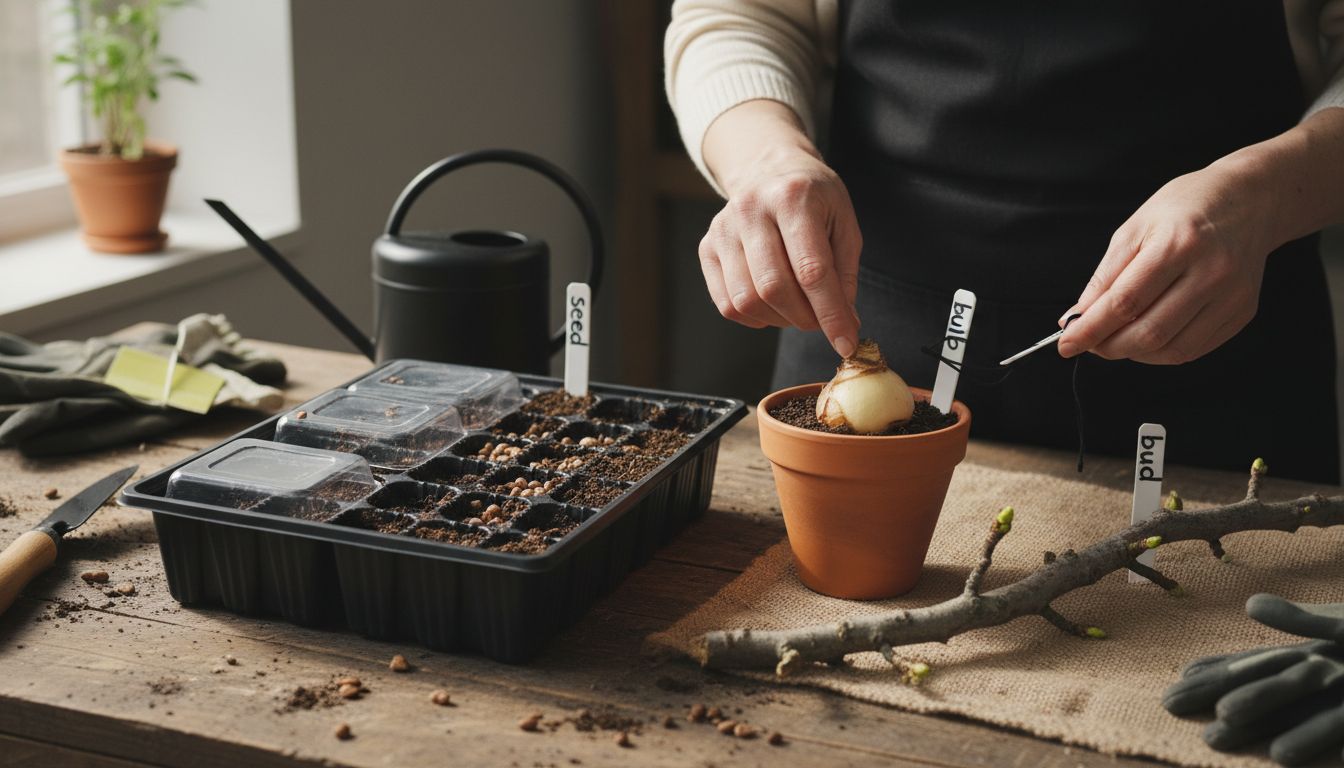
Types of Plant Dormancy: Seeds, Buds, and Bulbs
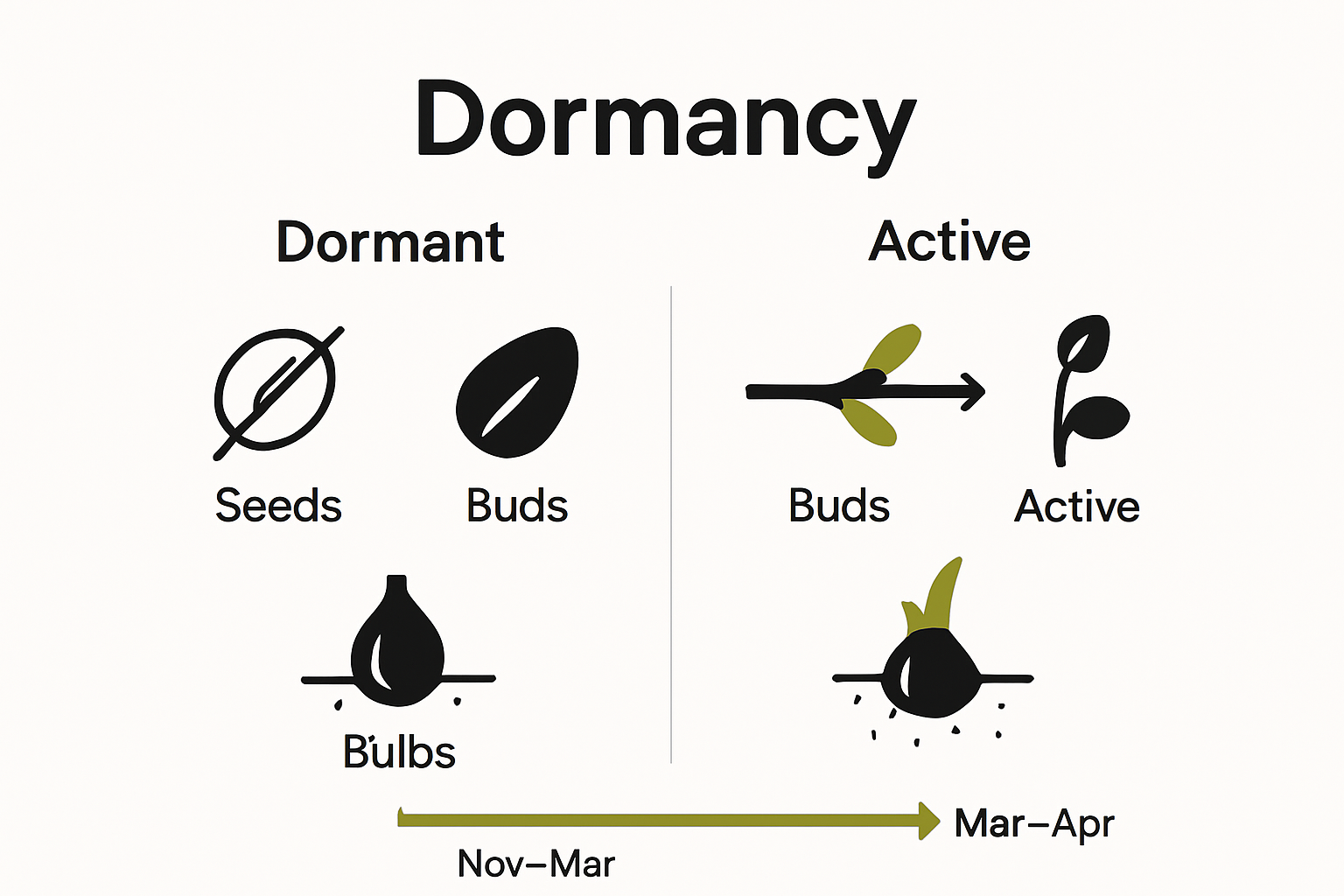
Plant dormancy manifests in several distinct forms, each representing a unique survival strategy for different plant structures. According to research from Oxford Academic, there are three primary types of vegetative dormancy: paradormancy, ecodormancy, and endodormancy, each with specific characteristics and triggers.
Seed Dormancy is a critical mechanism that prevents seeds from germinating under unfavorable conditions. Research from Cambridge University highlights the complexity of seed dormancy, particularly in Asteraceae plants, where dormancy types can be categorized based on temperature requirements and environmental conditions. Some seeds require specific temperature ranges, light exposure, or moisture levels to break their dormant state and begin germination.
Bud Dormancy represents another fascinating adaptation in plant survival. Paradormancy, also known as apical dominance, occurs when higher branches suppress the growth of lower buds. This prevents the plant from expending energy on multiple growth points simultaneously. Ecodormancy happens when external environmental factors like temperature or daylight interrupt bud growth, essentially forcing the plant to pause its development until conditions improve.
Bulb Dormancy is particularly important for perennial plants and many flowering species. Endodormancy, the most complex type, requires a specific period of cold exposure to trigger growth resumption. This explains why many spring-flowering bulbs like tulips and daffodils need a winter chilling period to bloom effectively.
 The internal biological clock of these plants is precisely regulated, ensuring they emerge at the most opportune time for survival and reproduction.
How Dormancy Works: Biological Processes Explained
Dormancy is a sophisticated biological mechanism that involves intricate molecular and physiological processes. According to research from Oxford Academic, plants utilize complex endogenous and environmental signals to regulate their growth and metabolic activities during dormant periods.
Hormonal Regulation plays a critical role in triggering and maintaining dormancy. Specific plant hormones like abscisic acid (ABA) act as primary controllers, suppressing growth and metabolic processes. When environmental conditions become challenging, plants increase ABA production, which signals cells to slow down cellular activities, reduce water loss, and preserve essential resources. This hormonal shift essentially creates a protective mode that prevents unnecessary energy expenditure during unfavorable periods.
The molecular mechanisms of dormancy involve sophisticated interactions between genetic expression and environmental cues. Horticulture Research highlights how seasonal signals like day length and temperature profoundly influence the transition between active growth and dormant states. Plants possess internal molecular switches that can interpret these external signals, allowing them to make precise adjustments to their metabolic processes. For instance, shorter daylight hours and dropping temperatures can trigger genetic pathways that initiate dormancy, effectively preparing the plant for survival during winter months.
At the cellular level, dormancy represents a remarkable survival strategy where plants dramatically reduce their metabolic rate without completely shutting down critical life processes. Protein synthesis slows, cell division becomes minimal, and energy is conserved through strategic metabolic adjustments. This allows plants to maintain basic cellular integrity while dramatically reducing their resource consumption, enabling them to survive extreme environmental conditions that would otherwise be fatal.
The ability to enter and exit dormancy represents an evolutionary adaptation that has allowed plants to colonize diverse and challenging ecosystems across the planet.
Environmental Triggers and Dormancy Cycles
Plants have developed remarkable strategies to synchronize their growth cycles with environmental conditions. According to Horticulture Research, temperate perennial plants utilize sophisticated mechanisms to interpret and respond to seasonal environmental cues, ensuring their survival and reproductive success.
Temperature Changes serve as one of the most critical triggers for dormancy cycles. As daylight hours shorten and temperatures drop, plants receive complex signals that initiate a systematic shutdown of growth processes. Research from Oxford Academic reveals that plants possess intricate molecular pathways that can detect minute temperature variations, allowing them to precisely time their transition into and out of dormant states. For example, some plant species require specific accumulated hours of cold exposure to break dormancy, a process known as vernalization.
Light exposure plays an equally significant role in regulating dormancy cycles. Photoperiodic signals – the length of daylight and darkness – act as powerful environmental triggers that communicate seasonal changes to plant systems. Different plant species have evolved unique sensitivities to these light cues, with some requiring long nights to initiate dormancy while others respond to shortened daylight periods. This remarkable adaptive mechanism allows plants to anticipate and prepare for upcoming environmental challenges before they fully manifest.
Hydration and moisture levels represent another crucial environmental factor influencing dormancy. During periods of potential water stress, plants can enter a protective dormant state that minimizes water loss and preserves cellular integrity. This adaptive response is particularly critical in regions with extreme seasonal variations, where plants must survive prolonged periods of drought or freezing conditions. By carefully regulating their metabolic processes in response to environmental triggers, plants demonstrate an extraordinary capacity for survival that has enabled them to thrive across diverse and challenging ecosystems.
Common Challenges and Tips for Dormant Plant Care
Managing dormant plants requires specialized knowledge and careful attention. According to EBSCO Research, understanding the complex mechanisms of dormancy is crucial for ensuring successful plant revival and preventing potential damage during inactive periods.
Moisture Management represents one of the most critical challenges during plant dormancy. Many gardeners mistakenly either overwater or completely neglect dormant plants. During dormant periods, plants require minimal water, but not zero hydration. Roots continue subtle metabolic processes, so maintaining slight moisture without waterlogging is essential. Agricultural Institute research suggests using techniques like stratification to help break dormancy and prepare plants for active growth, which involves carefully controlling environmental conditions like temperature and humidity.
Temperature control is another crucial aspect of dormant plant care. Different plant species have unique temperature requirements during dormancy, ranging from near-freezing conditions for some perennials to mild cool environments for tropical plants. Gardeners should research their specific plant species and provide appropriate temperature ranges that mimic natural winter conditions. This might involve moving potted plants to protected areas, using mulch for ground-planted species, or maintaining consistent cool temperatures for indoor plants.
Perhaps the most challenging aspect of dormant plant care is recognizing signs of health versus decline. Some key indicators include maintaining firm, resilient plant structures, absence of mold or rot, and subtle signs of metabolic activity like minimal moisture retention. Learn how to save your indoor plants with careful observation and strategic interventions. Patience is key – dormant plants may appear lifeless but are actually conserving energy for future growth. Avoid the temptation to stimulate growth prematurely, as this can disrupt the plant’s natural biological rhythms and potentially cause long-term damage.

Master Plant Dormancy With Expert Care Tips from Lushy Gardens
Understanding plant dormancy is key to helping your garden thrive through challenging seasons. The delicate balance of moisture, temperature, and light triggers dormancy, but knowing how to care for your plants during this period can be confusing and overwhelming. Avoid common pitfalls like overwatering or premature growth stimulation by learning how to support your plants’ natural cycles with proven techniques.
Explore our comprehensive Plant Care guides for detailed advice on managing dormant plants. Whether you are nurturing seeds, bulbs, or buds, you will find expert insights and practical solutions tailored to your needs. Take control of your garden’s health now by visiting Lushy Gardens and dive into a world of plant care knowledge designed to help your plants awaken stronger and more vibrant when their dormancy ends.
Frequently Asked Questions
What is plant dormancy?
Plant dormancy is a survival strategy where plants pause their growth and metabolic processes in response to unfavorable environmental conditions, allowing them to conserve energy and endure extreme temperatures, limited water, or reduced sunlight.
How can I tell if my plant is dormant?
Signs of dormancy include a significant reduction in visible growth, minimal metabolic activity, and sometimes changes in color or appearance. It’s important to evaluate the plant carefully, as dormant plants may seem lifeless but are conserving energy for future growth.
What care do dormant plants need?
Dormant plants require minimal water and specific temperature conditions that mimic their natural winter environment. It’s crucial to avoid overwatering or letting them dry out completely, while maintaining the right temperature and checking for signs of health like firm structures and absence of mold.
What are the types of plant dormancy?
There are three main types of plant dormancy: seed dormancy, bud dormancy, and bulb dormancy. Each type is triggered by different environmental conditions and involves unique processes to ensure survival during unfavorable periods.
Recommended
- Plant Hardiness Explained: Climate Zones and Selection – Lushy Gardens
- Blog – Lushy Gardens
- Master Winter Vegetable Gardening for Abundant Harvests – Lushy Gardens

I’m Eleanor, a seasoned gardener with over three decades of experience tending to Mother Nature’s creations. Through Lushy Gardens, I aim to share my wealth of knowledge and help fellow plant enthusiasts uncover the wonders of gardening. Let’s dive into this journey together, one leaf at a time.


