
Table of Contents
Most flower gardens look beautiful on the surface while quietly draining resources underneath. Conventional ornamental beds can consume thousands of gallons of water each season, rely on synthetic fertilizers, and offer little to native wildlife. The good news? Native and locally adapted flowers require less water, fewer chemicals, and support biodiversity far better than conventional plantings. This guide walks you through every stage, from understanding the core principles to measuring real results in your own yard.
Key Takeaways
| Point | Details |
|---|---|
| Prioritize native plants | Natives support wildlife, require less water, and create a more resilient and low-maintenance garden. |
| Build soil health | Composting and mulching keeps soil rich, reduces waste, and supports abundant blooms naturally. |
| Conserve water | Drip irrigation, rainwater harvesting, and drought-adapted plants drastically cut water use. |
| Practice mindful care | Edit and manage plants with a light touch—avoid harsh chemicals and leave natural debris for wildlife. |
| Start small and expand | Begin with accessible projects or containers, then add complexity as you gain confidence and skills. |
What sustainable flower gardening really means
Sustainable flower gardening is not about letting your yard go wild or spending weekends pulling weeds by hand. It is about working with natural systems rather than against them. You reduce inputs like water, fertilizer, and pesticides while building a garden that supports life above and below the soil.
A lot of gardeners assume sustainable means messy or labor intensive. That is simply not true. A well-designed sustainable garden actually requires less ongoing work once established, because the plants and soil ecosystem do much of the heavy lifting for you.
Core mechanics of sustainable flower gardening include:
- Planting native and regionally adapted species
- Composting kitchen and yard waste to feed the soil
- Conserving water through smart irrigation and mulching
- Avoiding synthetic pesticides and herbicides
- Enhancing biodiversity by planting for pollinators
Pro Tip: Even a single container on a patio can be a sustainable garden. Fill it with a native wildflower, top it with compost, and skip the synthetic fertilizer. Small actions add up fast.
Gather what you need: Tools, materials, and plant choices
Before you dig a single hole, getting the right tools and materials in place saves you time and money. You do not need an expensive setup. Most sustainable gardens start with basic equipment and a smart plant list.
Here is what to gather before you begin:
- Basic tools: Shovel, hand trowel, rake, garden fork, watering can
- Water management: Drip irrigation kit or soaker hose, rain barrel
- Soil builders: Compost, aged manure, organic mulch (wood chips, straw, or leaf litter)
- Seed and plant sources: Local native plant nurseries, seed swaps, or reputable online native plant retailers
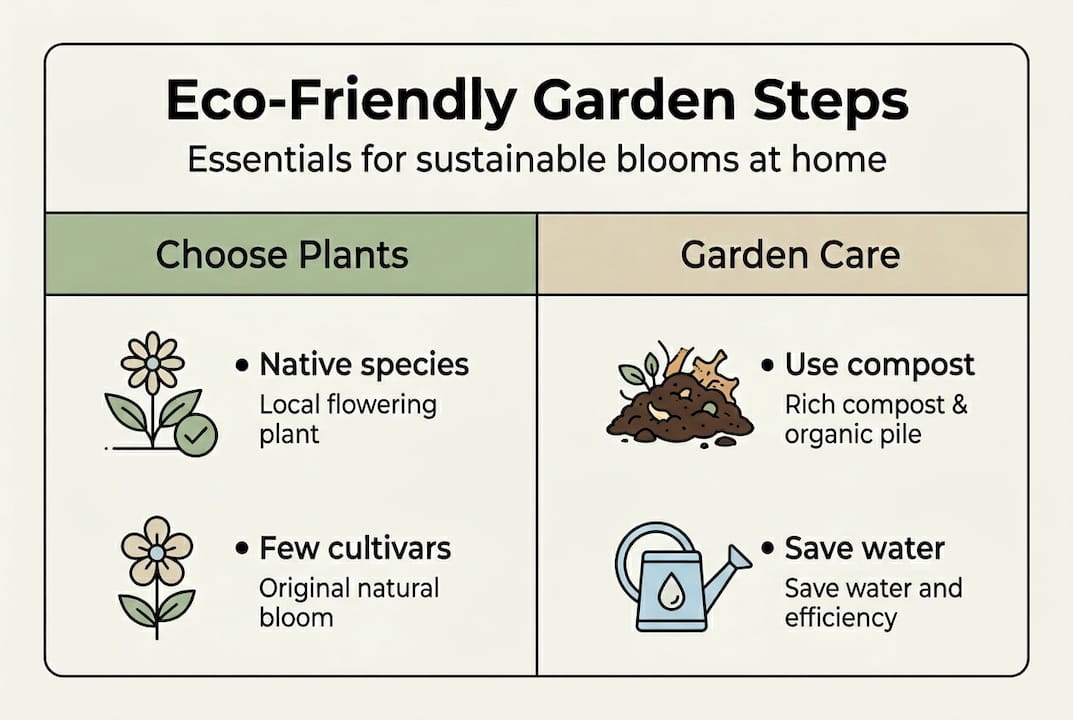
Starting small with native species, compost, mulch, and zero synthetic chemicals is the single best move a beginner can make. Native plants are the backbone of a sustainable garden because they evolved alongside local insects, birds, and soil organisms.
When choosing plants, prioritize wild-type natives over fancy cultivars. Research from Oregon State University confirms that native plants attract more pollinators than cultivars, especially those bred for unusual colors or double flowers. You can explore a curated list of best pollinator plants to narrow down your choices by region.
| Plant type | Maintenance level | Wildlife value | Establishment speed |
|---|---|---|---|
| Native wild-type | Low once established | Very high | Moderate |
| Native cultivar | Low to moderate | Moderate | Moderate |
| Non-native ornamental | Moderate to high | Low | Fast |
The table makes it clear: natives win on wildlife value and long-term maintenance, even if they take a season or two to fully establish.
Preparing your site: Soil health and water management
Healthy soil is the engine of a sustainable flower garden. Without it, even the best plant choices will struggle. The good news is that building great soil does not require expensive products.
Follow these steps to prepare your site:
- Remove existing turf or weeds by smothering with cardboard (sheet mulching) rather than using herbicide. Wet the cardboard thoroughly and cover with 4 to 6 inches of compost.
- Test your soil with an inexpensive home kit or through your local cooperative extension office. This tells you what, if anything, needs adjusting.
- Add compost generously, working 2 to 3 inches into the top layer of soil. Compost feeds soil microbes and improves both drainage and moisture retention.
- Apply mulch over the entire bed after planting. A 2 to 3 inch layer suppresses weeds, retains moisture, and regulates soil temperature.
- Set up your water system before plants go in. Drip lines and soaker hoses deliver water directly to roots, cutting evaporation dramatically.
Composting and mulching paired with drip irrigation or rainwater harvesting are central to any truly sustainable flower garden. You can read more about mulch for healthy soil and compare your options with a detailed watering system comparison.
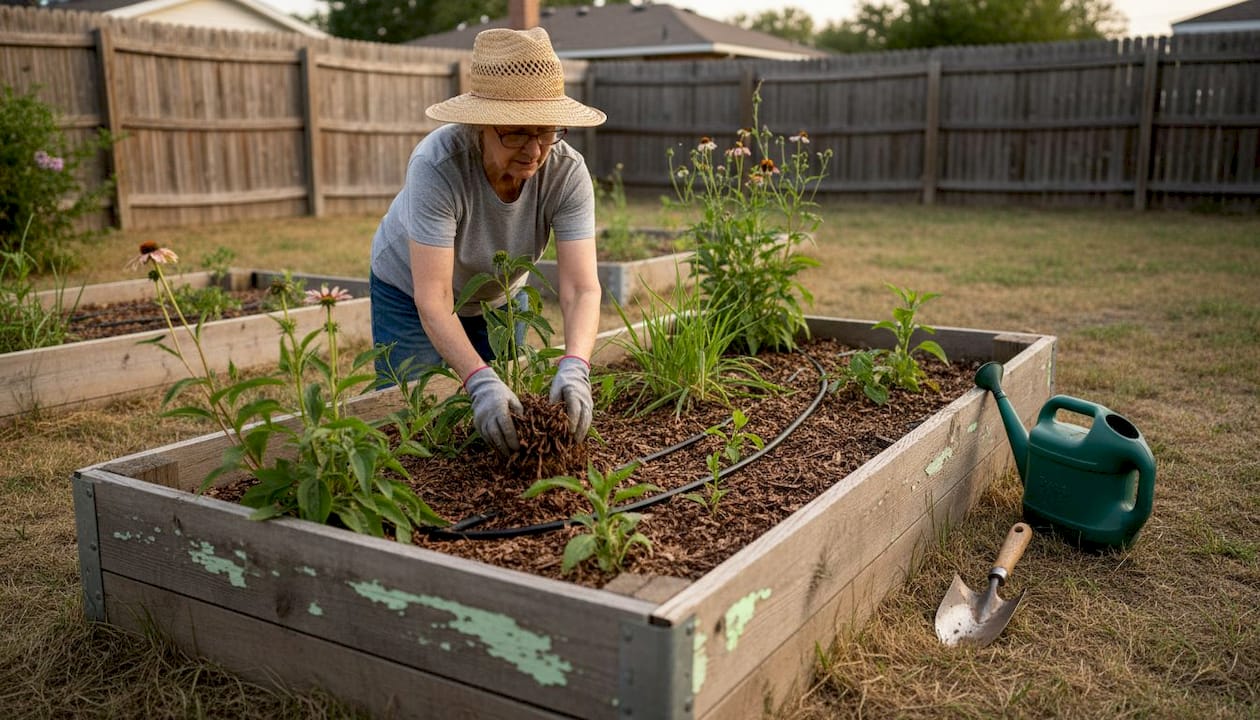
Pro Tip: Free mulch is everywhere. Rake up fall leaves, collect grass clippings (from untreated lawns), or ask a local tree service for wood chips. These local materials also break down into nutrients your plants will love.
| Irrigation type | Avg. installation cost | Water savings vs. overhead | Maintenance effort |
|---|---|---|---|
| Drip irrigation | $50 to $200 | Up to 50% | Low |
| Soaker hose | $20 to $60 | Up to 40% | Very low |
| Rain barrel system | $30 to $150 | Varies by rainfall | Low |
| Overhead sprinkler | $30 to $300 | Baseline (0%) | Low to moderate |
Swales and rainwater systems can cut irrigation needs by up to 50%, making them one of the highest-impact investments you can make early on. For creative water delivery ideas, check out innovative watering solutions that blend function with garden aesthetics.
Planting for the environment: Laying out and sowing your sustainable flower garden
With your soil built and water systems in place, you are ready to plant. How you lay out your garden matters as much as what you grow.
Design in layers. Tall plants like Joe Pye weed or native sunflowers go at the back or center. Mid-height plants like coneflower and black-eyed Susan fill the middle. Low groundcovers like creeping thyme or native violets anchor the front. This layered structure mimics natural plant communities and creates more habitat niches for insects and birds.
To start a wildflower area from scratch, follow these steps:
- Choose your timing. Sow seeds in spring or fall depending on your region. Fall sowing lets seeds stratify naturally over winter.
- Prepare low-fertility soil. Wildflowers actually prefer lean soil. Rich soil encourages weeds and aggressive grasses instead.
- Scatter seeds and press them in. Do not bury them deep. Most wildflower seeds need light to germinate.
- Water gently until seedlings establish, then let rainfall do the work.
- Be patient. Perennial wildflower meadows take two to three seasons to fully fill in.
For small spaces, containers are a powerful option:
- Use pots at least 12 inches wide for most native perennials
- Mix a native annual like California poppy with a compact native perennial
- Top dress with compost each spring instead of synthetic fertilizer
- Group containers together to create a mini pollinator corridor
Avoid double-flowered or sterile cultivars at all costs. Native plantings support 4x more bees than non-natives or sterile cultivars, and that difference shows up fast once your garden is established. For urban gardeners, a focused list of pollinator-friendly plants can help you choose what works best in your specific setting.
Low-impact garden care: Managing weeds, pests, and maintenance sustainably
Once planted, sustainable gardens thrive with careful, minimal intervention rooted in observation and organic care. The goal is not a perfectly manicured bed. It is a living system that balances itself over time.
Selective weeding beats blanket removal every time. Pull or smother invasive species like bindweed or Japanese knotweed aggressively. But leave plants like clover, self-heal, and native violets alone. They feed pollinators and fill gaps that aggressive weeds would otherwise colonize.
Some degree of garden neglect actually boosts pollinator diversity, but the key is knowing which plants to leave and which to remove before they take over.
For pest and disease management, try these organic approaches first:
- Hand-pick large pests like caterpillars or beetles in the early morning
- Encourage beneficial insects by planting dill, fennel, and yarrow nearby
- Use insecticidal soap or neem oil only as a last resort, and only on affected plants
- Practice companion planting to naturally deter common pests
- Apply a fresh layer of mulch for weed control each spring to reduce the need for weeding
For organic pest management strategies that go deeper, Lushy Gardens has a full guide worth bookmarking.
Pro Tip: Mow wildflower areas once a year in late fall or early winter, cutting to about 6 inches. This mimics natural disturbance cycles, prevents woody shrubs from crowding out flowers, and leaves stem sections intact for cavity-nesting bees.
Research also confirms that not over-weeding is a legitimate strategy. Some benign weeds are critical pollinator hosts, but you must remove true invasives before they spread.
Expert insights: Going further with sustainable garden design
With foundational skills in place, you can push your sustainable garden further with design thinking borrowed from permaculture and ecology.
Here are key permaculture principles applied to flower gardens:
- Observe before acting. Spend a full season watching sun, water flow, and wildlife patterns before making major changes.
- Use edges. The border between two plant communities (like lawn and garden bed) is where biodiversity peaks. Design for more edge, not less.
- Produce no waste. Every clipping, leaf, and spent flower head is a resource. Compost it or leave it as habitat.
- Use diversity. Twelve permaculture principles all point toward diversity as the foundation of a self-sustaining garden.
- Stack functions. Choose plants that feed pollinators, fix nitrogen, provide cut flowers, and offer winter seed heads all at once.
Succession planting keeps your garden productive and attractive from early spring through late fall. Pair early bulbs like native camass with mid-season coneflower and late-season goldenrod. This ensures continuous bloom and continuous food for pollinators across the entire season.
Stat to know: Pollinator gardens support 50 to 80 bee species, and larger, older gardens consistently attract more activity than newer or smaller ones. This is a strong argument for starting now and expanding gradually.
Leave some areas intentionally messy. Hollow stems, leaf piles, and bare soil patches provide nesting sites for native bees, many of which are ground nesters. A log pile in a shady corner supports beetles, fungi, and amphibians that all play roles in a healthy garden ecosystem. For a deeper look at design-level thinking, the permaculture basics guide at Lushy Gardens is a great next read.

Ready for more sustainable gardening success?
You now have a clear, actionable path from bare ground to a thriving, eco-friendly flower garden. But sustainable gardening is a practice, not a project. It grows with you. If you are just getting started, the beginner gardening guide at Lushy Gardens covers the foundational skills every new gardener needs. As your garden matures, the seasonal maintenance steps guide will help you stay on track through every season without overcomplicating your routine. And when you are ready to expand your plant palette, browse the pollinator plant recommendations to find the best native species for your region. Lushy Gardens is here to support every stage of your sustainable gardening journey.
Frequently asked questions
What are the most important native flowers for sustainable gardening?
Coneflower, black-eyed Susan, milkweed, and goldenrod are top native choices for most U.S. regions. These species support 4x more bees than non-native alternatives and require minimal care once established.
How do I know if my garden is truly sustainable?
A sustainable garden uses minimal water, few or no synthetic chemicals, prioritizes native plants, and shows visible pollinator activity. Gardens with strong native plant coverage support up to 80 bee species, which is a reliable sign of ecological health.
Can I practice sustainable flower gardening in containers or small spaces?
Yes. Even patio growers can use native plants, compost, mulch, and water-saving techniques for eco-friendly results. Starting small with containers and natives while skipping synthetic chemicals is a fully valid sustainable approach.
What are common mistakes in sustainable flower gardening?
Overusing fertilizer, choosing showy but sterile cultivars, and clearing all weeds or debris are the most common errors. Sterile double-flowered cultivars support far fewer pollinators, and removing all plant debris eliminates critical overwintering habitat for beneficial insects.
Recommended
- Essential Sustainable Gardening Practices for Every Home – Lushy Gardens
- Essential Indoor Gardening Tips for Urban Dwellers – Lushy Gardens
- Smart Container Gardening Ideas for Urban Gardeners – Lushy Gardens

I’m Eleanor, a seasoned gardener with over three decades of experience tending to Mother Nature’s creations. Through Lushy Gardens, I aim to share my wealth of knowledge and help fellow plant enthusiasts uncover the wonders of gardening. Let’s dive into this journey together, one leaf at a time.


