
Table of Contents
TL;DR:
- Proper drainage is essential for healthy plants because it maintains oxygen levels in the soil, preventing root suffocation and rot. Pots without drainage holes increase the risk of waterlogging, which can cause yellowing leaves, wilting, and foul-smelling roots, often mistakenly attributed to overwatering. Using well-designed soil mixes, appropriate containers, and correct watering habits ensures optimal aeration and moisture balance for plant vitality.
Most plant deaths blamed on overwatering aren’t really about the amount of water poured. They’re about where that water goes afterward. Understanding why do plants need drainage shifts the conversation from “how much to water” to “what happens to water that stays.” Proper drainage, or what horticulturalists call soil water management, keeps roots alive by maintaining the oxygen-rich environment they require. This guide covers the biological reasons roots need drainage, how to spot problems early, which containers work best, and how to match your watering habits to your setup.
Key takeaways
| Point | Details |
|---|---|
| Roots need oxygen | Waterlogged soil suffocates roots by displacing air, leading to rot and plant death. |
| Drainage holes are non-negotiable | Pots without holes create conditions where even careful watering causes damage. |
| Double-potting solves aesthetics | Use a grow pot inside a decorative container to protect roots without sacrificing style. |
| Soil mix matters as much as holes | Perlite, bark, and peat moss in your potting mix actively support water flow and aeration. |
| Watering technique completes the picture | Thorough soaking followed by partial drying encourages strong, deep roots. |
Why plants need drainage: the oxygen problem underground
Here’s the part most plant guides skip. Roots don’t just absorb water. They breathe. Healthy root systems require constant access to oxygen, which they get from tiny air pockets between soil particles. When water fills those spaces and has nowhere to go, roots are effectively submerged. That’s when the real damage starts.
Waterlogged soil reduces oxygen reaching roots, cutting off the supply they need to function. What follows is a condition called hypoxia, where roots shift from normal aerobic metabolism to anaerobic processes. Those anaerobic pathways trigger metabolic changes that damage root tissue directly, and that damaged tissue becomes easy prey for fungal and bacterial pathogens.
Root rot is the most common result. It doesn’t appear overnight, but by the time you see symptoms above the soil line, the root system is often already severely compromised. Drainage holes at the bottom of a pot create an exit for excess water, which restores airflow and keeps oxygen cycling through the soil.
The benefits of soil drainage go beyond just removing water:
- Holes let water move through without creating a permanent saturated layer at the bottom
- Moving water pulls fresh, oxygenated air down into the root zone
- Potting mixes with organic amendments work best alongside drainage holes to prevent bacterial rot
- Dry, aerated soil between waterings discourages the pathogens that thrive in wet conditions
Pro Tip: Place your pot on a small rack or feet so drainage holes aren’t sitting flat against a surface. Even tiny obstructions block water from escaping completely.
Drainage isn’t just about removing excess water. It’s about keeping the air moving through your soil so roots can do their job.
What poor drainage actually looks like
Recognizing drainage problems early saves plants. The tricky part is that several symptoms of poor drainage look identical to other issues, especially underwatering. That confusion causes many gardeners to water more, making the actual problem worse.
Watch for these warning signs:
- Yellowing leaves that start at the bottom of the plant and move upward
- Wilting despite wet soil, which signals root damage rather than thirst
- Stunted or stopped growth even during the active growing season
- Foul smell from the soil, caused by anaerobic bacterial activity in saturated conditions
- Mushy or discolored roots when you remove the plant from its pot
Excess moisture without drainage creates the ideal environment for root decay and disease. Beyond the roots themselves, soggy soil disrupts microbial activity that supports healthy plant nutrition, so the plant struggles to absorb the nutrients available to it even if the soil is well fertilized.
One underappreciated risk: pots without drainage holes are unforgiving. Water accumulates in pots without holes causing slow, steady decline that can take weeks to become visible. By then, rescue becomes difficult. For beginners especially, pots without drainage holes are one of the leading causes of plant failure, even when watering carefully.
Working with pots that have no drainage holes
Decorative pots are often beautiful and drainage-free. You don’t have to choose between your home’s aesthetic and your plant’s health. There are practical ways to use both.
The double-potting method is the most reliable option. Here’s how it works:
- Keep your plant in a standard nursery grow pot that has drainage holes.
- Place that grow pot inside your decorative container.
- Water normally and let excess water collect in the bottom of the outer pot.
- Lift out the grow pot after watering and empty the outer pot before placing it back.
The double-potting method protects roots while maintaining the look of a solid decorative container. It’s particularly useful for moisture-sensitive plants like cacti, succulents, and snake plants, since those plants punish any standing water quickly.
If you must plant directly into a pot without holes, the rules change significantly. Water in very small amounts. Allow the soil to dry out more thoroughly between sessions. Add a layer of activated charcoal at the base to reduce bacterial buildup. Use a moisture meter rather than relying on visual cues from the topsoil, since the bottom of the pot can be waterlogged while the surface looks and feels dry.
Pro Tip: Terracotta pots are naturally breathable and help pull moisture away from soil through their walls, making them one of the most forgiving choices for beginners who are still calibrating their watering habits. Browse well-made terracotta container options if you want something functional and stylish.
Plants that tolerate no-drainage setups better include pothos, ZZ plants, and cast iron plants. These species handle inconsistent watering and can manage short periods of higher soil moisture without immediate damage.
How soil mix supports drainage
A pot with drainage holes still fails if the soil inside doesn’t let water move through it. Think of it this way: holes create the exit, but soil structure determines how quickly water reaches that exit. Garden soil pulled directly from the ground is almost never appropriate for containers. It compacts tightly, retains too much water, and blocks the airflow roots need.
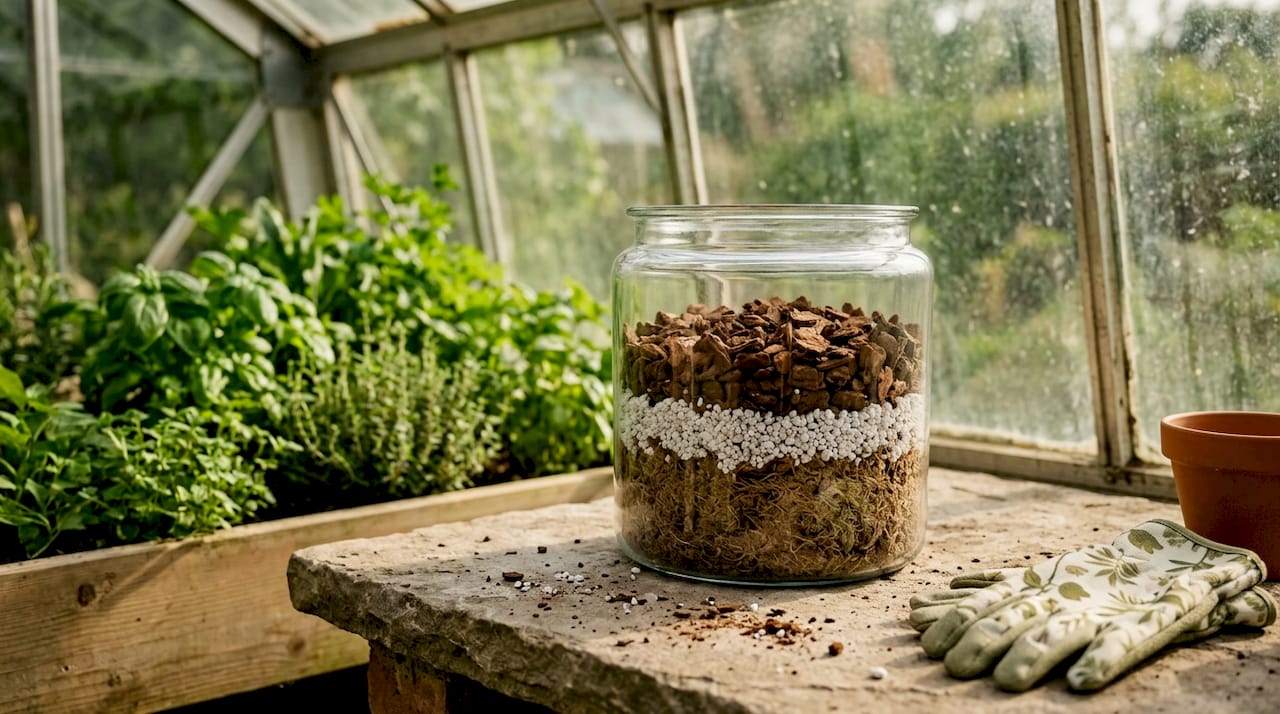
Commercial potting mixes are formulated differently, and for good reason.
| Ingredient | Role in drainage and aeration |
|---|---|
| Perlite | Lightweight volcanic glass that creates air pockets and speeds water movement |
| Peat moss | Retains some moisture while keeping the mix loose and light |
| Pine bark | Larger particles prevent compaction and support structure around roots |
| Coarse sand | Improves drainage speed in mixes that run too dense |
Peat moss, perlite, and pine bark balance moisture retention with airflow, which is exactly what roots need. For plants that prefer drier conditions, like succulents or Mediterranean herbs, add extra perlite to the standard potting mix at roughly a 1:1 ratio. For plants that like more consistent moisture, standard mixes without amendment often work well.
Heavy clay garden soil benefits from mixing in compost and coarse sand if you’re growing in raised beds or the ground rather than containers. Check out Lushygardens’ guide on preparing soil properly for a full breakdown on soil amendments by plant type.
Pro Tip: Refresh potting mix every one to two years. Old mix breaks down, compacts, and loses the structure that supports drainage. A plant in old, dense soil behaves as if it has no drainage even when the pot has holes.
Watering habits that make drainage work
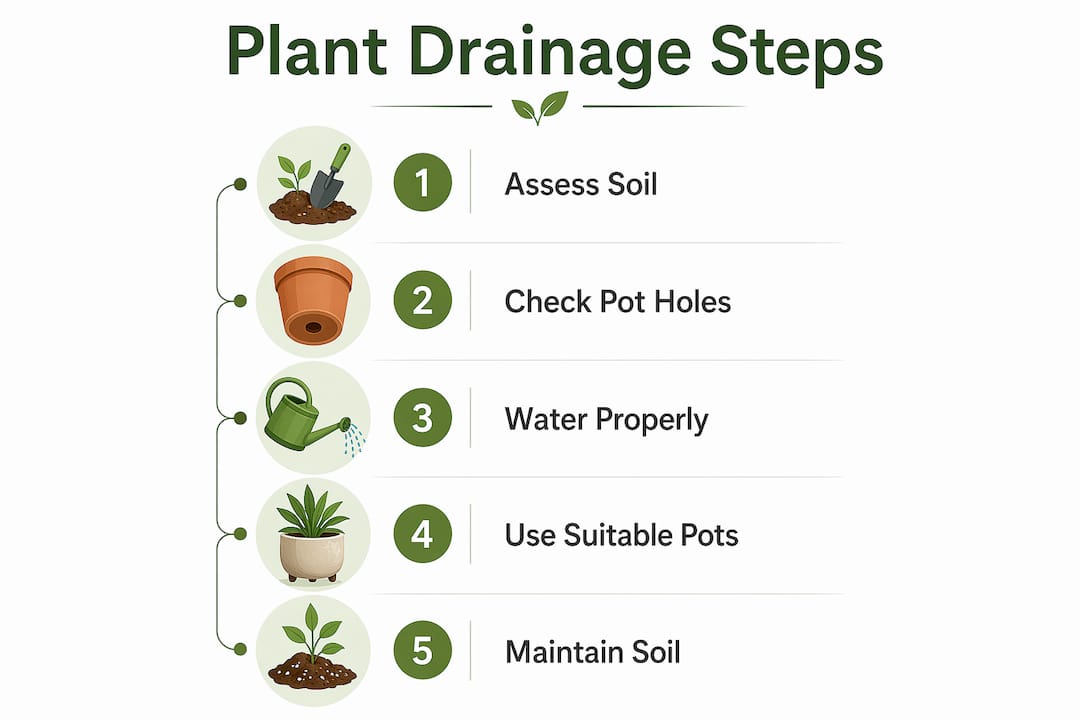
Drainage and watering habits are two sides of the same coin. A well-draining pot means nothing if watering technique undermines it. The most effective approach follows a simple rhythm: water thoroughly, then wait.
When you water, do it until water flows freely from the drainage holes. That tells you moisture has reached the entire root zone, not just the top inch. Then leave the soil alone until the top two inches feel dry when you press your finger in. That cycle of wet and dry is what roots are built for.
Practices that help this rhythm work:
- Avoid frequent small amounts. Shallow, frequent watering leads to weak roots that stay near the surface and struggle during dry periods.
- Try bottom watering occasionally. Set the pot in a shallow tray of water for 20 to 30 minutes and let the soil absorb from below. This encourages roots to grow downward toward deeper moisture.
- Empty saucers after watering. A saucer full of standing water under the pot negates the drainage hole above it. Water sitting in the tray keeps the bottom of the soil perpetually wet.
- Watch the plant, not just the calendar. Watering schedules ignore seasonal changes, temperature, and humidity. A plant in a sunny window in summer needs water far more often than the same plant in winter.
Combine these habits with well-draining soil and a pot with proper holes, and you’ve addressed the full cycle. For more specific guidance on timing and technique, Lushygardens has a detailed watering schedule guide worth bookmarking.
My take on the drainage mistakes most people repeat
I’ve watched a lot of plants decline slowly in beautiful pots, and the pattern is almost always the same. Someone picks a gorgeous ceramic container with no holes because it matches the room. They water carefully. The plant looks fine for a month. Then the leaves go yellow, one by one, from the bottom up. By the time the smell appears, the roots are gone.
What I’ve found is that most people correct their watering volume when they should be correcting their setup. Cutting back on water helps, but it doesn’t solve the oxygen problem. Roots in saturated soil aren’t just thirsty for less water. They’re starving for air. That distinction changed how I approach every container I use.
The lesson that stuck with me hardest: visual soil moisture is unreliable. The top of the soil can look and feel dry while the bottom sits in a permanent pool. A moisture meter is a small investment that eliminates most of the guesswork, especially in deeper pots where the root zone is far from the surface you can touch.
If you’re starting out, prioritize drainage above almost everything else. A plain nursery pot with holes and decent potting mix beats a premium decorative container with no exit for water. Once you understand how the system works, you can layer in aesthetics without sacrificing the roots.
— Povilas
Explore more plant care guides on Lushygardens
Getting drainage right is one of the highest-return habits in plant care, and Lushygardens has the resources to help you build on it. If you’re newer to gardening, the beginner gardening guide covers everything from container selection to soil prep in one place. For those managing multiple houseplants, the watering houseplants guide addresses plant-specific needs and seasonal adjustments. And if you’re working with container setups specifically, the detailed container drainage tips page walks you through practical fixes for both drainage and non-drainage pots. Every guide is built for real gardeners trying to keep real plants alive.
FAQ
Why do plants need drainage holes in their pots?
Drainage holes allow excess water to escape the pot, which prevents the soil from staying saturated and keeps oxygen available to roots. Without holes, even careful watering causes root rot over time.
Can plants survive without drainage holes?
Some plants tolerate no-drainage setups better than others, but most do best with holes. The double-potting method, using a grow pot with holes inside a decorative outer pot, is the safest way to use drainage-free containers.
What are the signs of poor drainage in a potted plant?
Yellowing lower leaves, wilting in wet soil, foul-smelling potting mix, and mushy roots all point to drainage problems. These symptoms often appear weeks after the damage has already begun underground.
Does soil type affect drainage as much as pot holes?
Yes. Dense or compacted soil slows water movement even when a pot has holes. Adding perlite or pine bark to your potting mix speeds drainage and keeps the root zone aerated between waterings.
How often should I water a plant with good drainage?
Water thoroughly until it flows from the drainage holes, then wait until the top two inches of soil feel dry before watering again. The exact frequency depends on the plant, the season, and ambient humidity rather than a fixed schedule.
Recommended
- Container Garden Drainage Tips for Thriving Plants – Lushy Gardens
- Plant nodes explained: The key to healthier, bushier plants – Lushy Gardens
- Houseplants That Drain Your Energy. Who Are the Green Vampires in Your Home? – Lushy Gardens
- Root Rot Explained: How It Impacts Indoor Plants – Lushy Gardens

I’m Eleanor, a seasoned gardener with over three decades of experience tending to Mother Nature’s creations. Through Lushy Gardens, I aim to share my wealth of knowledge and help fellow plant enthusiasts uncover the wonders of gardening. Let’s dive into this journey together, one leaf at a time.


