
Table of Contents
TL;DR:
- Raised bed gardening involves growing plants in soil elevated within a frame, providing control over soil quality and drainage. It extends the growing season, improves plant health, and reduces physical strain, making it ideal for beginners and those with limited space or mobility issues. Proper size, material selection, soil mix, and crop rotation are critical for successful, sustainable raised bed gardening.
Raised bed gardening is a method where plants grow in soil elevated above ground level, typically enclosed within a frame made of wood, metal, or stone. This approach gives you direct control over soil quality, drainage, and nutrient levels in ways that traditional in-ground planting rarely allows. A standard raised bed sits 6 to 12 inches above the ground, and the frames range from simple untreated pine boards to galvanized steel panels. Whether you have poor native soil, limited yard space, or a bad back, raised beds solve problems that stop most beginners before they even get started.
What is raised bed gardening and why does it work so well?
Raised bed gardening works because you build the growing environment from scratch rather than inheriting whatever soil happens to be in your yard. Native soil is often compacted, nutrient-poor, or full of clay. A raised bed lets you fill the frame with a custom mix designed for plant performance.
The elevated structure also changes how the soil behaves. Raised beds warm faster in spring, which extends your growing season by two to four weeks in cooler climates. That head start matters enormously when you want to grow tomatoes, peppers, or squash in a short summer window.
Water management improves too. The loose, well-structured soil drains freely after rain, preventing the waterlogged roots that kill plants in heavy clay yards. Drainage is one of the most underrated advantages of raised bed gardening, and it shows up immediately in healthier root systems and fewer fungal diseases.
“Raised beds provide better drainage and warmer soil, leading to earlier planting and potentially higher yields, but require more attentive watering.” — University of Maryland Extension
Why use raised beds? Key benefits explained
The advantages of raised bed gardening go well beyond soil quality. Here is what you actually gain when you switch from in-ground to elevated beds:
- Better drainage and aeration. Loose, uncompacted soil lets roots breathe and water move freely, reducing rot and disease pressure.
- Earlier planting dates. Elevated soil warms faster than ground soil in spring, giving you a longer productive season.
- Reduced physical strain. A bed raised 12 to 24 inches high means you can garden while seated or standing, which matters for anyone with knee or back problems.
- Weed suppression. Filling beds with clean soil mix dramatically reduces weed seed banks compared to native ground.
- Pest management. Raising plants off the ground creates a physical barrier against slugs, ground beetles, and burrowing pests.
- Higher yields per square foot. Optimized soil and dense planting methods consistently outperform traditional row gardening in small spaces.
The access benefit is one that surprises new gardeners the most. Beds built at counter height transform gardening from a physically demanding chore into something you can do for an hour without discomfort. For older gardeners or those with mobility limitations, this single factor makes the difference between gardening and not gardening.
How to start raised bed gardening: materials, design, and soil
Choosing the right size and location
Raised beds should be no wider than 4 feet so you can reach the center from either side without stepping onto the soil. Stepping on the soil compacts it, which defeats the purpose of building a loose, aerated growing medium. Length is flexible. Most beginners start with a 4×8 foot bed, which gives you 32 square feet of growing space without overwhelming your first season.
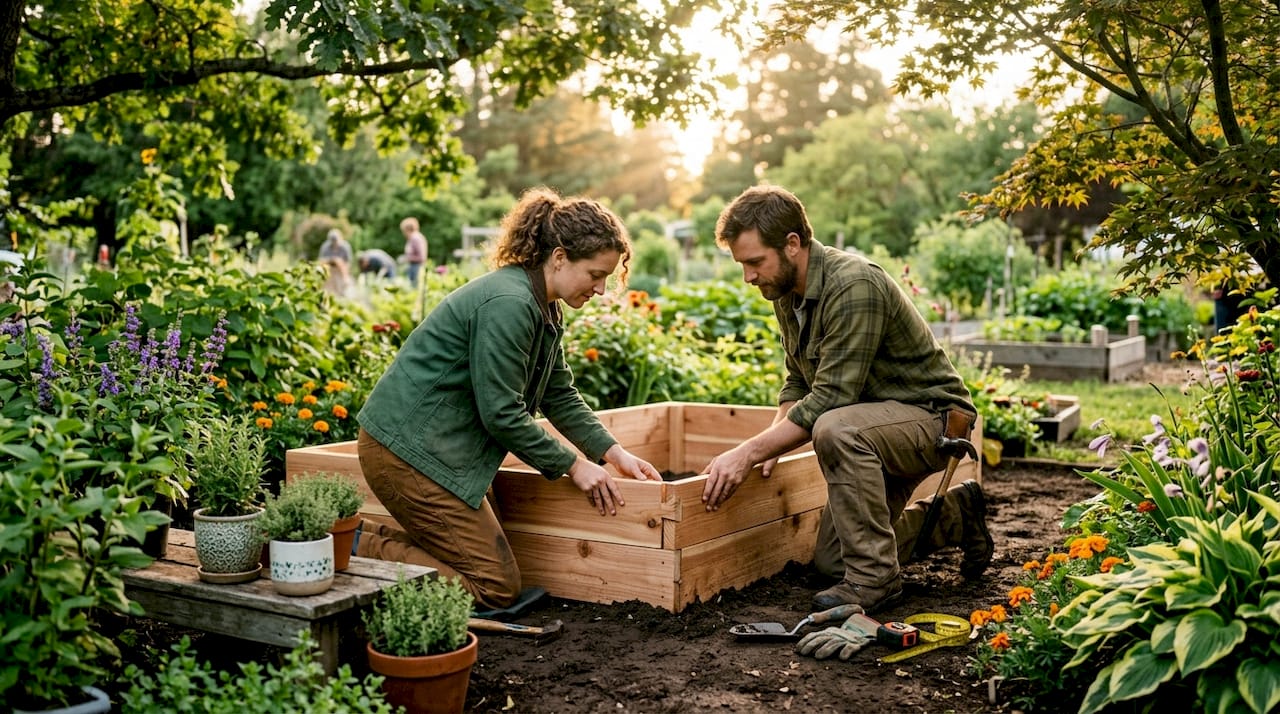
Place your bed where it receives at least six hours of direct sunlight daily. Most vegetables, including lettuce, tomatoes, and herbs, need full sun to produce well. Proximity to a water source matters too. Raised beds dry out faster than in-ground gardens, so you want a hose or drip line within easy reach.
Comparing frame materials
| Material | Typical cost (4×8 bed) | Lifespan | Notes |
|---|---|---|---|
| Cedar | $80 to $150 | 10 to 20 years | Naturally rot-resistant, safe for food crops |
| Pine (untreated) | $30 to $60 | 3 to 7 years | Budget option, replace boards as needed |
| Galvanized steel | $120 to $200 | 20 to 30 years | Modern look, heats soil quickly |
| Composite lumber | $100 to $180 | 15 to 25 years | Recycled materials, no chemicals |
Untreated kiln-dried wood is the safest choice for edible crops. Pressure-treated lumber contains chemical preservatives that can leach into soil and accumulate in food plants. Cedar costs more upfront but lasts decades and never needs chemical treatment to stay sound.
A standard 4×8 raised bed setup costs between $67 and $435 total, with most homeowners landing at $150 to $280 depending on frame material and soil volume. That range gives you room to start cheap with pine and upgrade later.
Filling your bed with the right soil
Experts recommend a soil mix of 60% topsoil, 30% compost, and 10% perlite or vermiculite. This ratio balances moisture retention with drainage and provides the fertility that vegetable crops demand. Bulk cost for this mix runs $35 to $65 per cubic yard in 2026, which is manageable for a single bed.
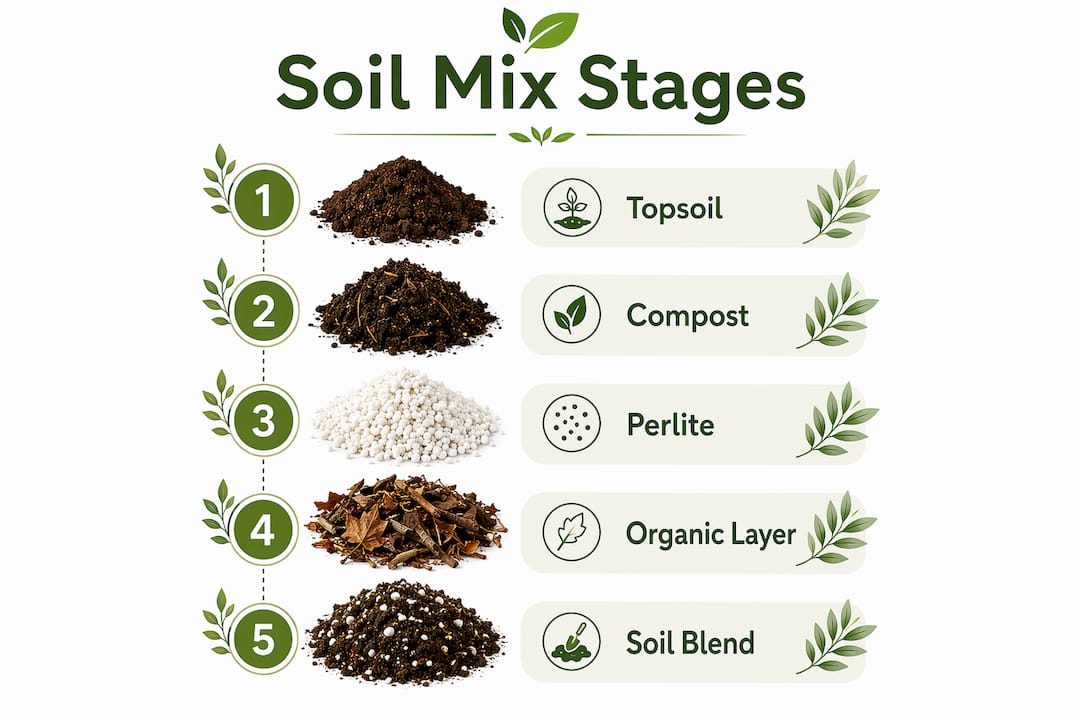
Pro Tip: Fill the bottom third of a deep raised bed with compressed organic material like twigs, leaves, and grass clippings before adding your soil mix. This organic filler layer decomposes over time, improving fertility while cutting your soil purchase volume by up to 40%.
Common raised bed gardening mistakes and how to avoid them
Most raised bed failures trace back to a handful of repeatable errors. Knowing them in advance saves you a full growing season of frustration.
- Starting with poor soil. Filling a raised bed with native yard soil or cheap topsoil alone produces mediocre results. Use the 60/30/10 mix described above.
- Skipping crop rotation. Rotating crop families yearly prevents soil nutrient depletion and reduces disease buildup. Nightshade crops like tomatoes and peppers are especially prone to soil exhaustion if planted in the same spot year after year.
- Neglecting soil feeding. Raised bed soil loses nutrients faster than in-ground beds because of frequent watering and high plant density. Feeding with organic matter including compost, ground eggshells, and grass clippings throughout the year maintains fertility and prevents deficiencies like blossom end rot in tomatoes.
- Overcrowding plants. Dense planting sounds efficient but reduces airflow, invites disease, and cuts yields. Follow spacing guides for each crop.
- Underwatering. Raised beds dry out faster than in-ground beds because of their superior drainage. Check moisture daily during hot weather and consider a drip irrigation system for consistency.
- Using pressure-treated wood. The chemicals in treated lumber leach into soil over time. Stick with untreated cedar, pine, or galvanized metal.
Pro Tip: Divide your raised bed mentally into zones and rotate each crop family to a different zone every spring. Even a single 4×8 bed has enough space to practice meaningful crop rotation that protects soil health year after year.
Planting and maintenance tips for thriving raised beds
What to grow in raised beds
Raised beds suit almost any vegetable, herb, or flower, but some crops perform especially well in the controlled environment. Lettuce, spinach, and other greens thrive in the cool, moist soil of early spring beds. Tomatoes, peppers, and cucumbers love the warm, well-drained conditions of summer beds. Herbs like basil, parsley, and chives grow vigorously in raised beds and benefit from the close spacing that concentrates their aromatic oils.
Root vegetables including carrots, beets, and radishes perform better in raised beds than in compacted ground soil because the loose medium lets roots expand without resistance. Deep beds of 12 inches or more are ideal for these crops.
Maximizing space with square-foot gardening
The square-foot gardening method divides your bed into a grid where each square holds a specific number of plants based on their mature size. Scallions fit nine per square foot. Broccoli needs one full square foot per plant. Tomatoes require four square feet each. This system prevents the guesswork that leads to overcrowding and gives beginners a clear planting map to follow. You can find detailed vegetable spacing guides that translate directly to raised bed grids.
Watering and feeding schedules
- Water deeply two to three times per week in moderate weather, and daily during heat waves above 90°F.
- Use a drip irrigation system or soaker hose to deliver water directly to roots and reduce evaporation.
- Mulch the soil surface with 2 inches of straw or wood chips to retain moisture between waterings. Check Lushygardens’ watering best practices for a full irrigation schedule.
- Add a 1-inch layer of compost to the top of the bed each spring before planting to replenish nutrients lost over winter.
- Side-dress heavy feeders like tomatoes and corn with compost or balanced organic fertilizer every four to six weeks during the growing season.
- Prepare beds for winter by removing spent plants, adding compost, and covering with a layer of mulch or a cold frame to protect soil structure.
Key takeaways
Raised bed gardening succeeds because it gives you complete control over soil quality, drainage, and plant spacing, which translates directly into higher yields and fewer problems than in-ground gardening.
| Point | Details |
|---|---|
| Soil mix is the foundation | Use 60% topsoil, 30% compost, and 10% perlite for drainage and fertility. |
| Width determines accessibility | Keep beds no wider than 4 feet to reach the center without compacting soil. |
| Material choice affects safety | Use untreated cedar or pine to avoid chemical contamination in edible crops. |
| Crop rotation protects soil | Rotate plant families annually within bed zones to prevent disease and nutrient depletion. |
| Watering needs more attention | Raised beds dry faster than ground beds, so monitor moisture daily in warm weather. |
Why raised beds changed how I think about gardening
I spent three seasons fighting clay soil before I built my first raised bed. The difference was not gradual. It was immediate and obvious. Plants that had struggled to reach knee height in the ground were shoulder-high by midsummer in the raised bed.
What I did not expect was how much the mental shift mattered. When you build a raised bed, you stop thinking about what the soil will allow and start thinking about what you want to grow. That change in perspective makes you a more intentional gardener. You plan rotations. You track what worked. You invest in the soil because you built it yourself and you know exactly what is in it.
My honest recommendation on materials: spend the extra money on cedar the first time. I replaced two pine beds in year four, and the labor cost more than the price difference would have. Cedar lasts, and it looks good doing it.
On crop rotation, the advice to rotate families sounds abstract until you grow tomatoes in the same spot twice and watch them struggle with early blight by August. Divide your bed into quadrants in your head and move each family one quadrant clockwise every spring. It takes thirty seconds of planning and pays off for years.
The mental health side of raised bed gardening is real too. There is something grounding about tending a contained, productive space. It is manageable in a way that a sprawling in-ground garden rarely is, especially for beginners who need early wins to stay motivated.
— Povilas
Start your raised bed garden with Lushygardens
Lushygardens has built a library of practical, beginner-focused resources to help you move from planning to planting without expensive trial and error. The gardening basics for beginners guide covers everything from choosing your first bed to understanding soil amendments, and it is the best single starting point for anyone new to growing food at home. For ongoing care, the seasonal garden maintenance guide walks you through spring prep, summer feeding, and fall soil restoration so your raised beds stay productive year after year. If you want to go deeper on soil preparation and natural growing methods, Lushygardens’ natural bed preparation guide is worth bookmarking before your next planting season.
FAQ
What is a raised bed garden exactly?
A raised bed garden is a growing structure where soil is elevated above ground level inside a frame made of wood, metal, or stone. Plants grow in a custom soil mix rather than native ground soil, giving gardeners direct control over drainage, fertility, and structure.
How wide should a raised bed be?
Raised beds should be no wider than 4 feet so you can reach the center from either side without stepping on the soil. Stepping on the soil compacts it and undoes the drainage and aeration benefits that make raised beds effective.
What is the best soil mix for raised beds?
The expert-recommended mix is 60% topsoil, 30% compost, and 10% perlite or vermiculite. This ratio provides the fertility, drainage, and moisture retention that vegetable crops need to produce well.
Do raised beds need more watering than in-ground gardens?
Yes. Raised beds drain more freely than in-ground beds, which means they dry out faster. The University of Maryland Extension advises gardeners to water more frequently and consider drip irrigation to maintain consistent moisture levels.
What vegetables grow best in raised beds?
Lettuce, tomatoes, peppers, herbs, carrots, beets, and cucumbers all perform exceptionally well in raised beds. Root vegetables especially benefit from the loose, deep soil that allows unobstructed root expansion.
Recommended
- Benefits of Raised Beds: Complete Gardening Guide – Lushy Gardens
- Benefits of Raised Beds: Complete Gardening Guide – Lushy Gardens
- Vegetable gardening basics: step-by-step guide for beginners – Lushy Gardens
- Gardening Basics for Beginners: Complete Guide – Lushy Gardens

I’m Eleanor, a seasoned gardener with over three decades of experience tending to Mother Nature’s creations. Through Lushy Gardens, I aim to share my wealth of knowledge and help fellow plant enthusiasts uncover the wonders of gardening. Let’s dive into this journey together, one leaf at a time.


