
Table of Contents
TL;DR:
- Indoor plant pest prevention involves proactive hygiene, environmental control, and targeted treatments to stop infestations early. Regular leaf wiping, proper spacing, and careful watering significantly reduce pest outbreaks and break their life cycles. Consistent full-cycle treatments and quarantining new plants ensure long-term pest-free indoor gardens.
Indoor plant pest prevention is the practice of using proactive hygiene, environmental control, and targeted treatments to stop pest infestations before they take hold. Most indoor gardeners only act after they spot damage, which is already too late. The good news is that a consistent weekly routine using tools like microfiber gloves, neem oil, and insecticidal soap stops the majority of problems at the source. This guide covers everything you need to identify threats early, build habits that deter pests, and treat problems naturally when they do appear.
What are the most common indoor plant pests?
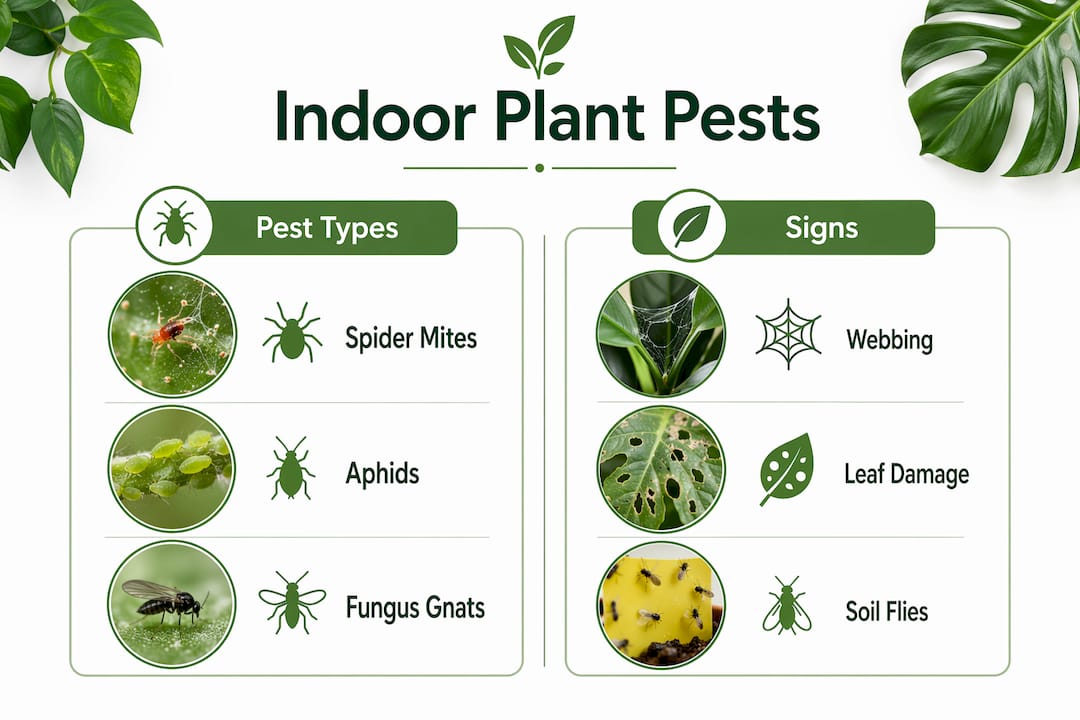
Twelve specific pests cause 95% of all indoor plant infestations. Knowing which ones to look for means you spend less time guessing and more time acting.
Spider mites leave fine webbing on leaf undersides and cause stippled, pale discoloration. They thrive in dry, warm air and spread fast between plants that sit close together. Mealybugs look like small cotton tufts tucked into leaf joints and stem crevices. They excrete honeydew, which leads to sooty mold and weakens the plant steadily over weeks. Aphids cluster on new growth and soft stems, draining sap and causing curled, distorted leaves. They reproduce rapidly, so a small colony becomes a serious problem within days.
Fungus gnats are the tiny flies you see hovering around soil. The adults are mostly harmless, but their larvae feed on roots and organic matter in wet soil, stunting growth in young plants. Scale insects look like brown or tan bumps on stems and leaf midribs. They are easy to miss because they barely move and blend into bark. Thrips rasp leaf surfaces and leave silver streaking or black fecal dots. They are fast movers and hide inside flower buds, making them hard to spot until damage is visible.
One pest category most indoor gardeners overlook completely is root pests. Root mealybugs stay invisible until you unpot the plant and find white fuzz coating the roots. By that point, the infestation is advanced. Control requires a full root wash and repotting in sterile, fresh soil.
Pro Tip: Check both sides of every leaf during your weekly watering routine. The underside is where spider mites, mealybugs, and aphids establish first, long before damage shows on top.
| Pest | Visual sign | Favorite hiding spot |
|---|---|---|
| Spider mites | Fine webbing, pale stippling | Leaf undersides |
| Mealybugs | White cotton tufts | Stem joints, leaf axils |
| Aphids | Clustered soft bodies, curled leaves | New growth, soft stems |
| Fungus gnats | Tiny flies near soil | Wet topsoil |
| Scale | Brown bumps on stems | Stems, leaf midribs |
| Thrips | Silver streaks, black dots | Flower buds, leaf surfaces |
Which care routines prevent pest outbreaks most effectively?
Prevention beats treatment every time, and the routines that work best are simpler than most people expect.
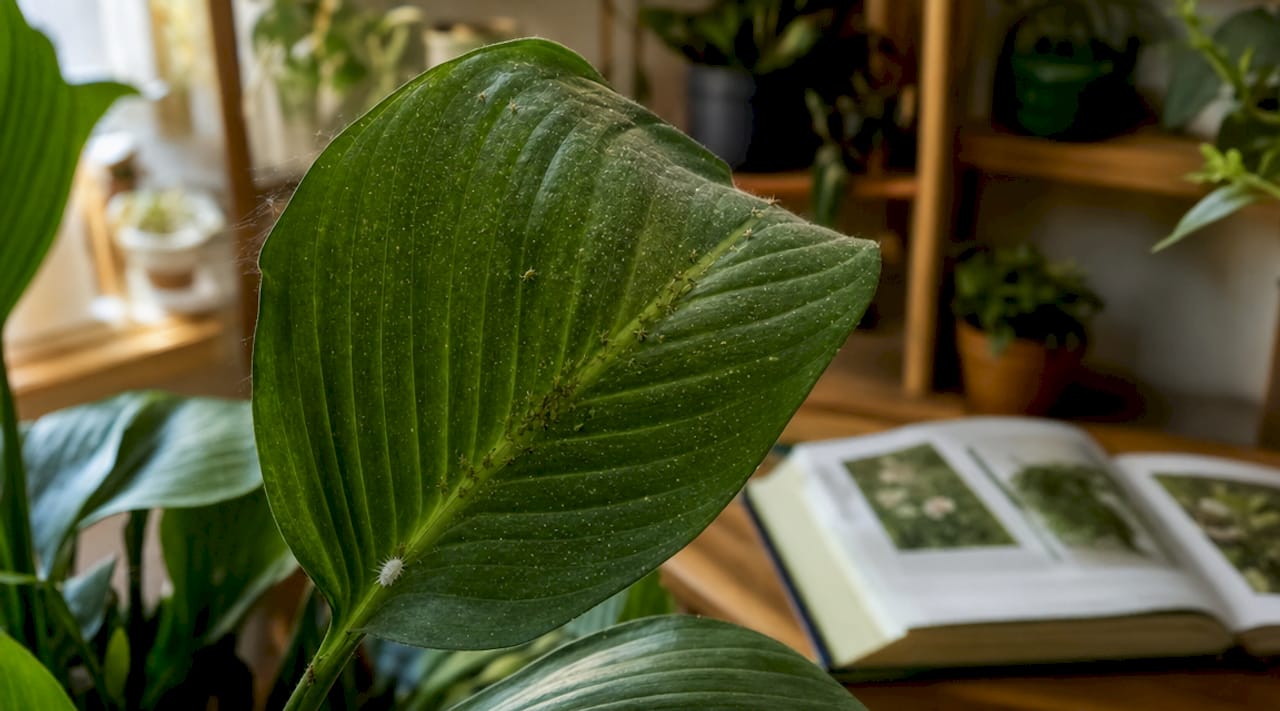
Weekly leaf wiping physically disrupts early pest activity before a colony can establish. Use a damp microfiber cloth or microfiber gloves and wipe both sides of each leaf. This removes dust, which spider mites love, and dislodges any eggs or early-stage insects before they multiply. It takes about two minutes per plant and is the single most underrated step in houseplant pest control.
Good airflow and proper spacing between plants reduce the stagnant, humid conditions that pests prefer. Crowded plants also make it easy for pests to travel from one host to another. A small USB fan running on low near your plant shelf makes a measurable difference, especially in rooms with poor ventilation.
Watering discipline is equally critical. Keeping the top 2 to 3 cm of soil dry between waterings kills most fungus gnat populations by eliminating the moist environment their larvae need to survive. Bottom watering, where you set the pot in a tray of water and let the soil absorb from below, keeps the surface dry and is one of the most effective fungus gnat deterrents available.
Here are the core preventive habits to build into your routine:
- Wipe both sides of leaves with a microfiber cloth every week
- Space plants so air can circulate freely around each one
- Water from the bottom when possible and let the top layer of soil dry out
- Rotate plants a quarter turn weekly to spot new growth and check for pests
- Quarantine every new plant for two to three weeks before placing it near your collection
- Clean empty pots with diluted bleach before reusing them
Pro Tip: The quarantine step is non-negotiable. Nursery plants frequently carry pest eggs or larvae that are invisible at purchase. Two weeks of isolation in a separate room catches the problem before it spreads.
How to use natural pest deterrents safely on indoor plants
Natural treatments work well for both prevention and early-stage control when applied correctly and consistently.
Neem oil disrupts insect feeding and reproduction and also acts as a mild fungicide, making it one of the most versatile products in chemical-free pest management. Mix one teaspoon of cold-pressed neem oil with a few drops of dish soap and one liter of water. Shake well and spray the entire plant, including leaf undersides and soil surface, every seven to ten days. Apply in the evening to avoid leaf burn from light exposure after treatment.
Insecticidal soap, made from potassium salts of fatty acids, kills soft-bodied insects like aphids, mealybugs, and spider mites on contact. It breaks down quickly and leaves no harmful residue, which makes it safe for most indoor plants. Test it on one leaf first and wait 24 hours before full application, since some plants like ferns and succulents can be sensitive.
Diatomaceous earth breaks the larval lifecycle of fungus gnats when applied as a dry top dressing on soil. It works mechanically, not chemically, by damaging the soft bodies of larvae as they move through it. Apply food-grade diatomaceous earth only to dry soil and reapply after watering.
Follow this treatment sequence for best results:
- Identify the pest and confirm which plants are affected
- Isolate affected plants immediately to prevent spread
- Remove visible pests manually with a cotton swab dipped in rubbing alcohol
- Apply neem oil spray or insecticidal soap to the full plant
- Top-dress soil with diatomaceous earth if fungus gnats or soil larvae are present
- Repeat treatment every seven days for the full pest life cycle
Treatment duration matters as much as the product you choose. Pest life cycles require 3 to 6 weeks of consistent treatment to break completely. Aphids, whitefly, and spider mites need about three weeks. Thrips need four weeks. Mealybugs and scale can require four to six weeks of weekly applications. You can find additional organic treatment methods at Lushygardens that complement these approaches.
Common mistakes that cause pest prevention to fail
Even dedicated plant owners make errors that undo weeks of careful work.
The most damaging mistake is stopping treatment the moment visible adults disappear. Treatment failure most often occurs when gardeners stop after adults are gone but before the next generation hatches from eggs. Eggs are invisible to the naked eye and survive most surface treatments. The infestation rebounds within days. Commit to the full treatment window regardless of what you can see.
Other common pitfalls include:
- Overwatering, which creates the wet soil conditions that fungus gnats and root rot pathogens need to thrive
- Skipping the underside of leaves during inspection, which is where most pests lay eggs
- Reusing old potting soil without sterilizing it, which can harbor larvae and eggs from previous plants
- Placing new plants directly into your collection without quarantine
- Ignoring root health, since root aphids and root mealybugs cause slow decline that looks like nutrient deficiency
Cross-contamination through shared tools is also underestimated. Pruning shears, watering cans, and even your hands can transfer pest eggs between plants. Wipe tools with rubbing alcohol between plants, especially during an active infestation.
“The plants that stay pest-free long-term are the ones whose owners treat prevention as a non-negotiable weekly habit, not a reaction to visible damage.”
If you suspect a hidden root pest, unpot the plant and inspect the root ball directly. White fuzz on roots signals root mealybugs. Wash the roots thoroughly under running water, treat with diluted neem oil, and repot in fresh sterile soil. For ongoing troubleshooting, the indoor plant troubleshooting guide at Lushygardens covers a wide range of scenarios in detail.
Key takeaways
Consistent indoor plant pest prevention relies on weekly leaf hygiene, correct watering, and completing full treatment cycles of 3 to 6 weeks without stopping early.
| Point | Details |
|---|---|
| Identify the top 12 pests | Twelve pests cause 95% of infestations; learn their visual signs to act early. |
| Weekly leaf wiping works | Wiping both sides of leaves with a microfiber cloth disrupts pests before colonies form. |
| Dry soil stops fungus gnats | Letting the top 2 to 3 cm of soil dry between waterings eliminates larval habitat. |
| Complete full treatment cycles | Stopping treatment early causes rebound; mealybugs and scale need 4 to 6 weeks of treatment. |
| Quarantine all new plants | Isolate new arrivals for 2 to 3 weeks to prevent introducing pests to your collection. |
Why I stopped reacting and started preventing
I spent two years treating spider mite outbreaks on my Calathea collection before I realized I was solving the wrong problem. Every time I cleared one plant, the mites had already spread to the next. The issue was not my treatment product. It was that I had no prevention routine at all.
The shift that actually worked was simple: I added a ten-minute Sunday routine. I wipe every leaf, check the soil moisture, and do a quick visual scan for early signs. That routine has kept my 30-plant collection essentially pest-free for over a year. I use neem oil as a preventive spray once a month on plants that have historically been vulnerable, like my Monstera deliciosa and Ficus lyrata.
What most articles get wrong is overcomplicating the solution. You do not need a cabinet full of products. You need consistency with a few proven tools. Microfiber gloves, cold-pressed neem oil, and food-grade diatomaceous earth cover the vast majority of situations. The natural pest deterrent strategies that work long-term are the ones you can realistically do every week without burning out.
My honest advice: start with the leaf wipe. If you do nothing else, that one habit will catch most problems before they become infestations. Build from there.
— Povilas
Build your pest-free plant routine with Lushygardens
Lushygardens has built a library of practical, no-fluff guides specifically for indoor plant owners who want healthy plants without constant crisis management. If you are ready to move from reactive to preventive, the daily plant care checklist is the best place to start. It walks you through a structured routine that covers watering, leaf hygiene, and early pest detection in one place. For situations where pests have already appeared, the evidence-based pest control guide at Lushygardens gives you a clear, step-by-step treatment plan. Both resources are free and written for real plant owners, not botanists.
FAQ
What is the most effective method for indoor plant pest prevention?
Weekly leaf wiping with a microfiber cloth, combined with proper watering and good airflow, is the most effective preventive approach. These three habits disrupt pest establishment before infestations can form.
How long does it take to get rid of indoor plant pests?
Treatment takes 3 to 6 weeks depending on the pest. Aphids and spider mites need about 3 weeks of consistent treatment, while mealybugs and scale require 4 to 6 weeks to fully eliminate.
Is neem oil safe for all indoor plants?
Neem oil is safe for most indoor plants when diluted correctly, but sensitive species like ferns and some succulents can show leaf burn. Always test on one leaf and wait 24 hours before applying to the full plant.
How do I know if my plant has root pests?
Root pests like root mealybugs show no visible signs above soil until the plant declines noticeably. Unpot the plant and look for white fuzz on the root ball. Treatment requires a full root wash and repotting in sterile soil.
Can I prevent fungus gnats without chemicals?
Yes. Letting the top 2 to 3 cm of soil dry between waterings eliminates the moist conditions fungus gnat larvae need. Adding a top dressing of food-grade diatomaceous earth to dry soil also breaks the larval lifecycle without any chemical input.
Recommended
- Defeat Indoor Plant Pests: Evidence-Based Control – Lushy Gardens
- Indoor House Plants: Enhance Air Quality Safely – Lushy Gardens
- Solving Indoor Plant Problems: Expert Solutions – Lushy Gardens
- Fix indoor plant problems: troubleshooting guide 2026 – Lushy Gardens

I’m Eleanor, a seasoned gardener with over three decades of experience tending to Mother Nature’s creations. Through Lushy Gardens, I aim to share my wealth of knowledge and help fellow plant enthusiasts uncover the wonders of gardening. Let’s dive into this journey together, one leaf at a time.


