
Table of Contents
TL;DR:
- Fertilizer provides essential nutrients like nitrogen, phosphorus, and potassium to support healthy plant growth. Proper timing, soil health, and understanding nutrient needs are key to effective fertilization. Overuse or incorrect application can harm plants and soil ecosystems.
Fertilizer is defined as any material applied to soil or plants to supply nutrients that support healthy growth, flowering, and fruiting. The role of fertilizer in plant growth centers on three primary macronutrients: nitrogen, phosphorus, and potassium. Each one drives a distinct biological process, from leaf production to root development to disease resistance. The Royal Horticultural Society and global agronomic research both confirm that understanding these nutrients, and knowing when and how to apply them, separates thriving gardens from struggling ones.
What are the main nutrients in fertilizers and how do they affect plant growth?
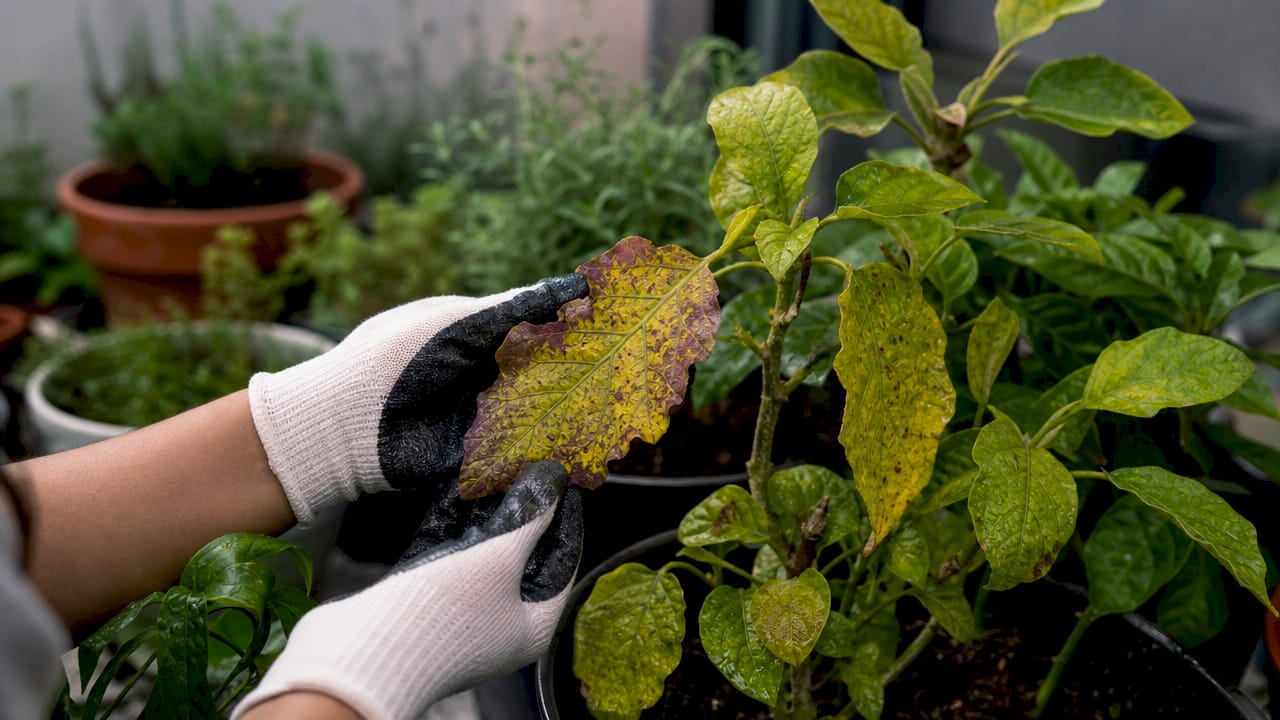
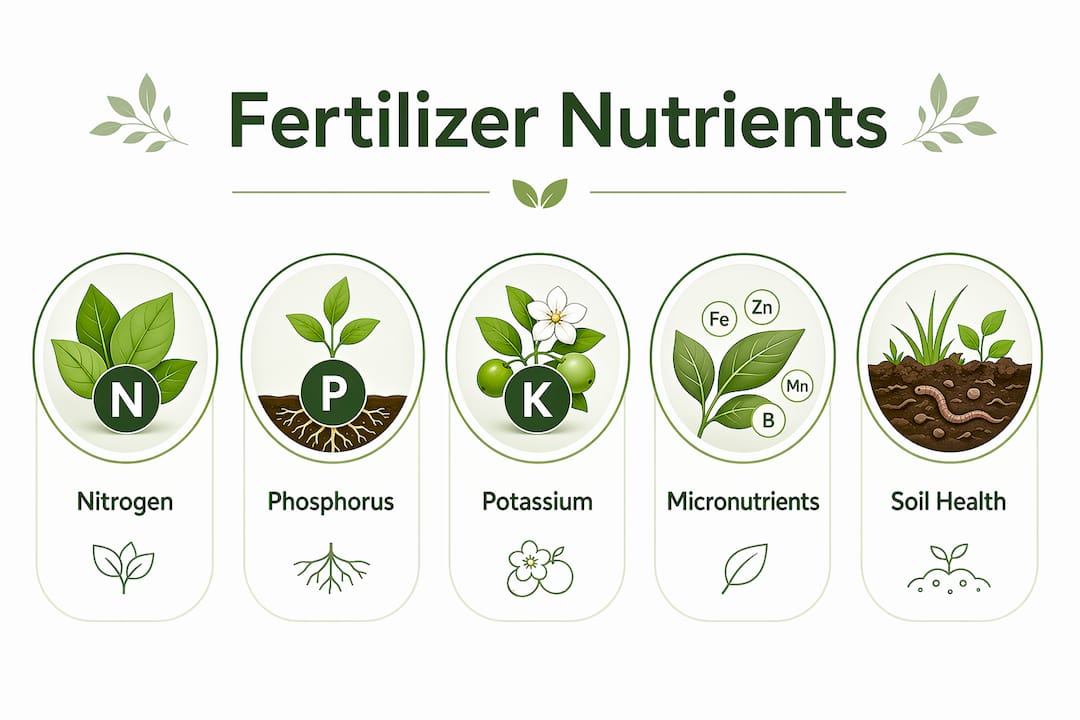
Nutrients from fertilizer work together, but each macronutrient has a specific job. Nitrogen drives leafy, vegetative growth. Phosphorus supports root development and flowering. Potassium strengthens a plant’s ability to manage water, resist disease, and produce fruit. That division of labor is why a one-size-fits-all feeding approach often falls short.
Deficiency symptoms make these roles concrete. A nitrogen-deficient plant shows yellowing on older leaves first, because the plant pulls nitrogen from mature tissue to feed new growth. Phosphorus deficiency produces purple or reddish discoloration on leaf undersides, a sign that root energy is running low. Potassium deficiency shows up as scorched leaf edges, particularly on fruiting crops like tomatoes and peppers.
| Macronutrient | Primary function | Deficiency sign |
|---|---|---|
| Nitrogen (N) | Leaf and stem growth | Yellowing of older leaves |
| Phosphorus (P) | Root growth and flowering | Purple leaf undersides |
| Potassium (K) | Water regulation and fruiting | Scorched leaf margins |
Understanding these roles helps you diagnose nutrient deficiencies before they become serious. A plant showing purple leaves in spring likely needs a phosphorus boost, not a general-purpose feed. Matching the nutrient to the symptom saves money and avoids overloading the soil with nutrients the plant does not need.
Pro Tip: Before buying any fertilizer, look at the N-P-K ratio on the label. A 10-5-5 formula feeds leafy growth, while a 5-10-10 formula suits root crops and flowering plants. Matching the ratio to your plant’s growth stage is the single fastest way to improve results.
For a deeper look at how nitrogen specifically drives vegetative development, Lushygardens covers the nitrogen’s biological role in detail.
How do different types of fertilizers influence soil and plant health?
Fertilizer types fall into three broad categories: organic, inorganic (synthetic), and enhanced-efficiency fertilizers. Each one affects soil and plants differently, and the right choice depends on your garden’s specific conditions.
Organic fertilizers, such as compost, bone meal, and fish emulsion, release nutrients slowly as soil microbes break them down. That slow release reduces the risk of nutrient burn and feeds the soil’s microbial community at the same time. Inorganic fertilizers deliver nutrients immediately in a water-soluble form, which is useful when plants show acute deficiency symptoms and need a fast response.
Enhanced-efficiency fertilizers (EEFs) represent a newer category. They use coatings or biological inhibitors to slow nutrient release and match plant uptake timing more closely. Research shows that EEFs increase crop yield by 8.32% and improve nitrogen use efficiency by 25.90% across rice, wheat, and maize. That efficiency gain matters for home gardeners too, because less nitrogen lost to runoff means less waste and less environmental impact.
Soil chemistry is another factor. Long-term mineral fertilization raises soil organic carbon by 14%, which improves soil structure. At the same time, it lowers soil pH by 0.31 units on average, which shifts microbial communities toward bacteria that favor acidic conditions. That pH change can reduce the availability of certain nutrients, particularly phosphorus, even when you are applying plenty of it.
Key considerations when choosing a fertilizer type:
- Organic fertilizers suit gardens where long-term soil health matters more than immediate results.
- Inorganic fertilizers work best for fast corrections of visible deficiency symptoms.
- Enhanced-efficiency fertilizers reduce waste and suit gardeners who want to feed less often without sacrificing plant performance.
- Soil pH should guide your choice. If your soil is already acidic, repeated synthetic fertilizer use can push pH lower and create new nutrient availability problems.
How do environmental factors and application timing affect fertilizer effectiveness?
Timing and soil conditions determine whether fertilizer feeds your plants or gets wasted. Plants have non-linear nutrient requirements: nitrogen demand follows a sigmoid curve during growth, rising steeply during active vegetative stages and tapering off as plants mature. Applying a large dose of nitrogen during dormancy or late in the season means most of it never reaches the plant.
Soil moisture is equally critical. Optimal nitrogen uptake occurs between 60% and 80% soil water-filled pore space. Above 80%, uptake efficiency drops by up to 40% because waterlogged conditions restrict root oxygen and impair the energy-dependent processes that pull nutrients into root cells. Below 40% moisture, nutrients cannot dissolve and move through the soil at all. Watering correctly before and after fertilizing is not optional. It is part of the application itself.
Temperature also matters. Cold soils slow microbial activity, which means organic fertilizers release very little nutrition in early spring before the soil warms. Synthetic fertilizers remain soluble in cold conditions, which is why they are often the better choice for early-season feeding.
Common mistakes that reduce fertilizer effectiveness:
- Applying fertilizer to dry soil and skipping irrigation afterward
- Feeding during dormancy when plants cannot use nutrients
- Using a high-nitrogen formula during the flowering or fruiting stage, which pushes leafy growth at the expense of blooms
- Applying a single large dose instead of splitting it across the growing season
Pro Tip: Split your fertilizer applications into two or three smaller doses across the growing season rather than one large feeding. This approach matches the plant’s actual demand curve and reduces nutrient loss through leaching, particularly in sandy or fast-draining soils.
For guidance on getting your watering right before and after feeding, Lushygardens has a practical resource on optimal watering practices.
What are best practices for gardeners to use fertilizers sustainably and effectively?
Sustainable fertilizer use starts with knowing what your soil already contains. The Royal Horticultural Society advises that many garden soils have adequate fertility, and feeding when plants do not need it wastes resources and harms soil microbiomes. A soil test from a local cooperative extension service or garden center gives you a baseline for pH, organic matter, and existing nutrient levels before you spend anything on fertilizer.
Follow these steps to fertilize sustainably:
- Test your soil first. A basic soil test costs very little and tells you exactly which nutrients are lacking. Lushygardens covers the benefits of soil testing in depth for gardeners who want to start here.
- Feed only when plants show need. Yellow leaves, slow growth, or poor flowering are the signals to act. Routine feeding on a fixed calendar schedule often leads to overfeeding.
- Avoid excess nitrogen. Over-fertilization with nitrogen causes vigorous vegetative growth that harms flowering, increases lodging risk in tall plants, and attracts fungal diseases. More fertilizer does not mean more harvest.
- Add organic matter regularly. Compost, aged manure, and leaf mold improve soil structure, feed beneficial microbes, and reduce how much synthetic fertilizer you need over time.
- Rotate crops in vegetable beds. Integrating crop rotation with organic matter additions improves nutrient use efficiency and reduces dependence on synthetic inputs across seasons.
- Select plants suited to your soil. The RHS recommends choosing plants adapted to your existing soil conditions rather than forcing unsuitable plants to grow with heavy feeding.
Precision fertilizer management, meaning applying the right nutrient at the right time in the right amount, consistently outperforms blanket applications. Precision management avoids environmental harm and produces better plant response than routine, calendar-based feeding.
Key Takeaways
Fertilizer feeds plants by supplying nitrogen, phosphorus, and potassium, but timing, soil moisture, and application rate determine whether those nutrients actually reach the plant.
| Point | Details |
|---|---|
| Macronutrients have distinct roles | Nitrogen drives leaves, phosphorus builds roots and blooms, potassium supports fruiting and resilience. |
| Fertilizer type affects soil health | Mineral fertilizers raise soil carbon but lower pH over time, shifting microbial communities. |
| Soil moisture controls uptake | Optimal uptake occurs at 60%–80% soil moisture; above 80% reduces efficiency by up to 40%. |
| Timing matters as much as dose | Split applications aligned with growth stages outperform single large doses every time. |
| Test before you feed | Soil testing prevents overfeeding, saves money, and protects soil microbiomes from unnecessary inputs. |

What I’ve learned from years of watching gardeners overfeed their plants
Most gardeners I talk to treat fertilizer like medicine: if a little helps, more must be better. That instinct is understandable, but it is wrong. The plants that struggle most in home gardens are usually not underfed. They are overfed at the wrong time, in the wrong form, without any knowledge of what the soil already contains.
The research on over-fertilization is clear. Excess nitrogen produces lush, soft growth that looks impressive in june but collapses under its own weight by august, attracts aphids, and produces fewer flowers. I have seen this pattern repeatedly in vegetable gardens where gardeners apply a high-nitrogen formula right through the fruiting stage because the bag says “for all plants.”
What actually works is patience and observation. Watch the plant. A tomato that sets fruit well and holds its color does not need feeding. A pepper with purple-tinged leaves in may is telling you something specific. Responding to what you see, rather than following a fixed schedule, is the difference between gardening and just going through the motions.
The other shift worth making is toward organic matter as the foundation. Compost does not replace fertilizer entirely, but it builds the kind of soil where fertilizer works better and lasts longer. I have watched gardeners halve their fertilizer use over three seasons simply by adding compost each fall and rotating their vegetable beds. The soil does more of the work, and the plants show it.
Feed with intention. Test your soil. Watch your plants. That approach will serve your garden better than any product on the shelf.
Grow a stronger garden with Lushygardens
Understanding how nutrients fuel plant growth is the foundation of good gardening, but putting that knowledge into practice takes the right starting point. Lushygardens has built a library of guides designed to take you from soil prep through seasonal care, step by step. If you are new to gardening or want to build a more structured routine, the beginner gardening guide covers everything from soil preparation to feeding schedules in plain language. For gardeners who want to stay on top of plant health through every season, the seasonal maintenance guide pairs well with what you have learned here about timing and nutrient demand.
FAQ
What is the role of fertilizer in plant growth?
Fertilizer supplies the primary macronutrients, nitrogen, phosphorus, and potassium, that plants need for leaf growth, root development, flowering, and fruiting. Without adequate nutrients, plants grow slowly, produce fewer flowers, and become more vulnerable to disease.
How often should I fertilize my garden plants?
Feed only when plants show signs of nutrient deficiency or when a soil test confirms a specific shortage. The Royal Horticultural Society advises against routine feeding when soil fertility is already adequate.
What happens if I use too much fertilizer?
Over-fertilization with nitrogen causes excessive leafy growth, reduces flowering, increases disease risk, and can destabilize tall plants. Excess nutrients also leach into groundwater and harm soil microbial communities.
Are organic fertilizers better than synthetic ones?
Organic fertilizers release nutrients slowly and support soil microbes, making them better for long-term soil health. Synthetic fertilizers act faster and suit situations where plants need an immediate nutrient correction.
Does soil moisture affect how well fertilizer works?
Nutrient uptake drops sharply when soil moisture falls below 40% or rises above 80% water-filled pore space. Always water your soil to an adequate level before and after applying fertilizer to get the best results.
Recommended
- How to Fertilize Plants Naturally for Healthy Growth – Lushy Gardens
- The Role of Nitrogen in Gardening: 2026 Guide – Lushy Gardens
- When to fertilize plants: optimize growth timing – Lushy Gardens
- Is Plant Food the Same as Fertilizer – Lushy Gardens

I’m Eleanor, a seasoned gardener with over three decades of experience tending to Mother Nature’s creations. Through Lushy Gardens, I aim to share my wealth of knowledge and help fellow plant enthusiasts uncover the wonders of gardening. Let’s dive into this journey together, one leaf at a time.


