
Table of Contents
Fertilizing your plants at the wrong time can stunt their growth, burn their roots, or leave them starving for nutrients when they need it most. Timing fertilization with your plant’s natural growth cycles ensures nutrients are absorbed efficiently, promoting vibrant foliage, stronger roots, and better blooms. This guide walks you through the optimal fertilization schedule for both indoor and outdoor plants, helping you avoid common mistakes and achieve healthier, more productive gardens.
Key takeaways
| Point | Details |
|---|---|
| Match fertilization to active growth phases | Fertilize during spring and summer when plants actively grow to maximize nutrient absorption and prevent waste. |
| Avoid feeding dormant plants | Fertilizing during fall and winter dormancy can cause root burn and toxic nutrient buildup in soil. |
| Indoor plants need less frequent feeding | Indoor environments slow growth rates, requiring fertilization every 8 to 12 weeks compared to outdoor schedules. |
| Watch for deficiency symptoms | Yellowing leaves, stunted growth, and poor flowering signal when your plants need nutrients before following rigid schedules. |
| Prevent overfertilization damage | Following recommended application rates and frequencies protects roots from chemical burns and salt accumulation. |
Understanding plant growth cycles and fertilization timing
Your plants follow predictable growth patterns that dictate when they can actually use the nutrients you provide. Many plants experience active growth mainly from March to September in temperate US zones, when warmer temperatures and longer daylight hours trigger rapid cell division and expansion. During this period, roots actively absorb water and nutrients, leaves photosynthesize at peak rates, and stems extend with new growth.
Dormancy changes everything about fertilization strategy. From late fall through winter, most outdoor plants and many indoor varieties slow or halt growth entirely, entering a rest phase where metabolic activity drops dramatically. Fertilizing during dormancy forces unused nutrients into the soil, where they can accumulate to toxic levels or leach away, wasting your money and potentially harming waterways.
Indoor plants present unique timing considerations because controlled environments moderate their growth cycles. Without extreme seasonal temperature swings, houseplants grow year round but at much slower rates than their outdoor counterparts. This reduced growth velocity means they consume nutrients more gradually, requiring fertilization only every 8 to 12 weeks compared to the 4 to 6 week schedules common for outdoor gardens.
Aligning fertilization with growth phases prevents two major problems. First, you avoid nutrient deficiencies during peak growth when plants rapidly deplete soil reserves. Second, you protect roots from chemical burns caused by concentrated fertilizer salts sitting unused in dormant soil. Understanding when your specific plants grow actively versus rest ensures every application supports health rather than causing stress.
Key timing principles include:
- Begin fertilizing outdoor plants in early spring when soil temperatures reach 50°F and new growth emerges
- Reduce or stop feeding outdoor plants by late August to prepare them for dormancy
- Continue light feeding of tropical houseplants through winter if they show active growth
- Adjust schedules based on your USDA hardiness zone and local frost dates
Prerequisites: what you need before fertilizing your plants
Successful fertilization starts with understanding what you’re feeding and why. Different plant species have vastly different nutrient requirements. Heavy feeders like tomatoes and roses demand frequent applications, while succulents and native plants thrive with minimal intervention. Research your specific plants to determine whether they prefer high nitrogen for foliage, balanced formulas for general growth, or phosphorus-rich blends for flowering.
Fertilizer labels provide crucial timing information through their NPK ratios and release mechanisms. Quick-release formulas deliver nutrients immediately but require frequent reapplication every 2 to 4 weeks during active growth. Slow-release options provide steady nutrition over 3 to 6 months, reducing application frequency and minimizing burn risk. Reading and following label instructions prevents both under and overfertilization, which cause equally serious problems.
Gather these essential tools before starting:
- Measuring cups or spoons for accurate fertilizer quantities
- Watering can or hose-end sprayer for even distribution
- Soil moisture meter or your finger to check water levels
- Soil test kit to identify existing nutrient levels and pH
- Garden gloves to protect hands from chemical contact
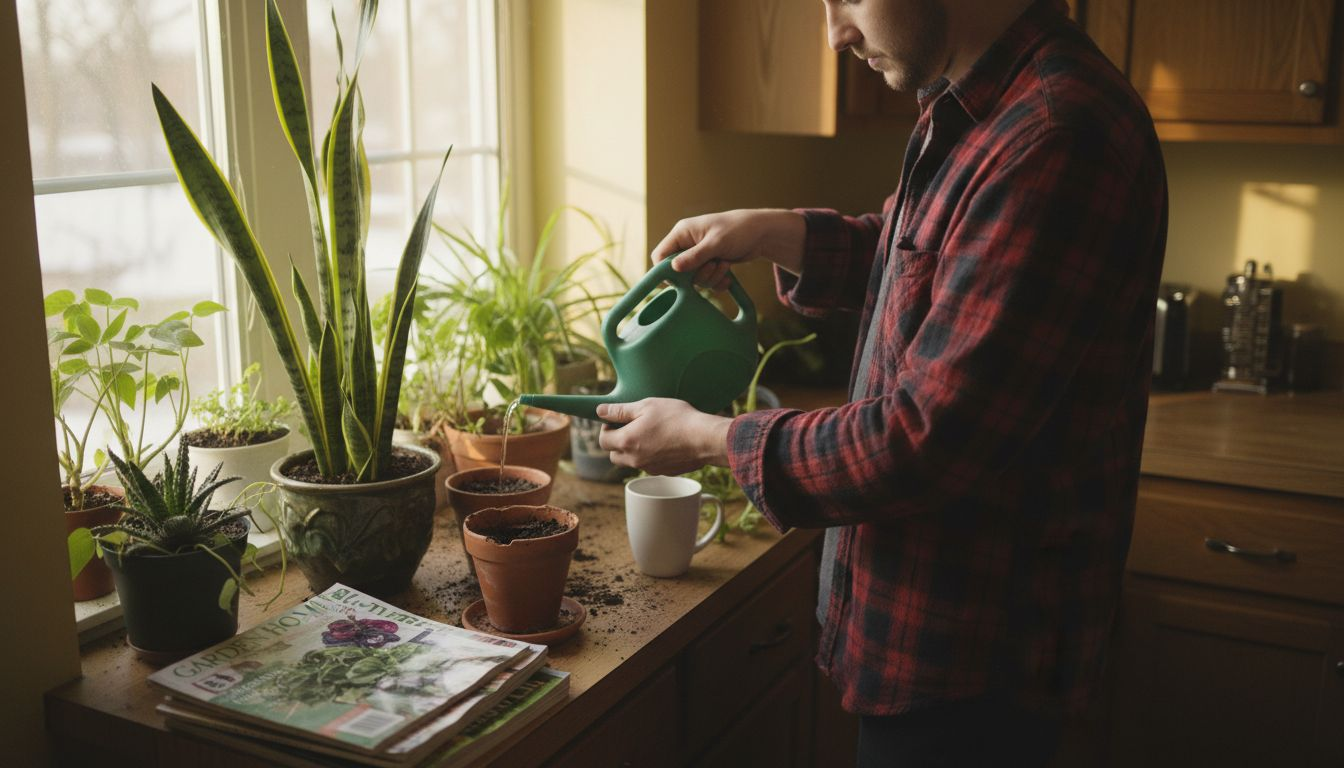
Environmental conditions matter as much as calendar dates. Never fertilize bone-dry soil, as concentrated nutrients will burn roots on contact. Water your plants thoroughly 24 hours before feeding to create moist conditions that dilute and distribute nutrients safely. Avoid fertilizing during heat waves above 85°F, when stressed plants can’t process nutrients effectively and root damage becomes more likely.
| Preparation Factor | Requirement | Why It Matters |
|---|---|---|
| Plant identification | Know species and variety | Different plants need different feeding schedules and formulas |
| Growth stage assessment | Determine if actively growing | Dormant plants cannot use nutrients and may suffer damage |
| Soil moisture check | Ensure soil is moist but not waterlogged | Dry soil causes fertilizer burn; saturated soil prevents nutrient uptake |
| Current nutrient levels | Test soil before first application | Prevents overfertilization and identifies specific deficiencies |
| Weather conditions | Choose mild temperatures between 60°F and 80°F | Extreme heat or cold stress plants and reduce nutrient absorption |
Choosing the right fertilizer type for your situation simplifies timing decisions. Liquid fertilizers work best for immediate deficiency correction and container plants. Granular options suit in-ground gardens where slow nutrient release matches outdoor growth patterns. Organic choices like compost and fish emulsion provide gentle, steady feeding with lower burn risk but require more frequent application than synthetic alternatives.
Step-by-step fertilization process
Start your fertilization schedule when spring temperatures consistently stay above 50°F and you notice new leaf buds or shoots emerging. This signals that root systems have activated and can absorb the nutrients you provide. For most US gardeners, this window opens between late March and early May depending on your hardiness zone.
Follow this proven sequence for optimal results:
- Water plants thoroughly 24 hours before fertilizing to prevent root burn and ensure even nutrient distribution through moist soil.
- Measure fertilizer precisely according to package directions, erring on the side of slightly less rather than more for the first application.
- Apply balanced fertilizer formulas every 6 to 8 weeks during the active growing season from spring through late summer.
- Distribute fertilizer evenly around the drip line for outdoor plants, avoiding direct contact with stems and leaves to prevent chemical burns.
- Water again immediately after application to dissolve granules and move nutrients into the root zone where plants can access them.
- Reduce feeding frequency by half in late August for outdoor plants, allowing them to slow growth and harden off before winter dormancy.
- Stop fertilizing outdoor perennials and shrubs entirely by September, but continue light feeding of actively growing houseplants through fall.
Slow-release fertilizers simplify timing by delivering nutrients gradually over extended periods. Apply these formulas in early spring at soil preparation time, then once more in mid-summer if the product duration is shorter than your growing season. This reduces application frequency from every 6 weeks to just once or twice per year while maintaining steady nutrient availability.
Special timing considerations apply after major plant events. Fertilize immediately after pruning to fuel new growth from dormant buds. Feed within one week of repotting to help roots establish in fresh soil, but use half-strength solutions for the first month to avoid overwhelming stressed plants. Skip fertilization for two weeks after transplanting to allow recovery time before adding nutrient demands.
Pro Tip: Mark your calendar with fertilization dates rather than relying on memory. Set reminders for every 6 weeks during the growing season, adjusting as you learn your plants’ specific responses. This systematic approach prevents both missed feedings and accidental overfertilization from lost track of previous applications.
Recognizing when your plants need fertilizer
Your plants communicate nutrient needs through visible symptoms that appear weeks before severe deficiency damage occurs. Yellow or pale leaves, especially older foliage near the base, indicate nitrogen deficiency as the plant cannibalizes nutrients from mature leaves to support new growth. Purple or reddish tints on leaf undersides and stems suggest phosphorus shortage, while brown leaf edges point to potassium deficiency.
Growth patterns reveal nutritional status more reliably than any single symptom. Plants receiving adequate nutrients during their active season produce steady new shoots, expand existing leaves, and maintain vibrant green coloration. Stunted growth where stems elongate slowly and leaves remain small signals insufficient feeding. Complete absence of new growth during spring and summer, when plants should actively expand, demands immediate fertilization attention.
Flowering and fruiting performance directly reflects nutrient availability. Plants that produce abundant foliage but few or no blooms likely suffer from excess nitrogen and insufficient phosphorus. Weak flower development, small fruits, or premature fruit drop indicate the plant has exhausted soil nutrients and needs supplemental feeding to complete its reproductive cycle.
Objective soil testing removes guesswork from fertilization timing. Home test kits measuring nitrogen, phosphorus, and potassium levels cost less than $20 and provide results in minutes. Test at the beginning of each growing season to establish baseline nutrient levels, then retest mid-season if deficiency symptoms appear despite regular feeding schedules.
Key visual indicators include:
- Overall yellowing spreading from older to newer leaves signals nitrogen depletion
- Leaf tips and edges turning brown or crispy indicate potassium shortage or salt buildup
- Smaller than normal new leaves and shortened stem segments show general nutrient deficiency
- Leaves dropping prematurely during the growing season suggest multiple nutrient imbalances
- Pale or washed-out leaf color despite adequate light indicates chlorophyll production problems from iron or magnesium deficiency
Pro Tip: Take photos of your plants monthly during the growing season. Comparing images side by side reveals subtle changes in color, size, and vigor that you might miss through daily observation. This photographic record helps you identify exactly when plants begin showing deficiency symptoms, allowing you to adjust fertilization timing for optimal results next season.
Common mistakes and how to avoid them
Overfertilization ranks as the most frequent and damaging timing error home gardeners make. Applying too much fertilizer or feeding too frequently causes salt accumulation in soil that draws moisture from roots through osmosis, creating drought stress even in well-watered plants. Root burn symptoms include brown, crispy leaf edges, wilting despite moist soil, and white crusty deposits on soil surface or pot rims.
Fertilizing during plant dormancy creates serious problems that may not appear until spring. Dormant roots cannot absorb nutrients, allowing fertilizer salts to concentrate in the root zone over winter. When plants break dormancy and begin growing, these accumulated salts immediately damage tender new roots. Not flushing indoor plant soil causes salt build-up that harms roots; flushing every 3 months prevents toxic accumulation.
Underfertilization receives less attention but equally limits plant potential. Applying fertilizer less frequently than plants need, using insufficient quantities, or stopping too early in the season leaves plants starving for nutrients during peak growth. This results in pale, weak growth that falls prey to pests and diseases more easily than properly nourished plants. Many gardeners fear overfertilization so much that they swing too far toward under-feeding, sacrificing healthy growth to avoid potential damage.
Ignoring plant-specific requirements causes preventable problems. Acid-loving plants like azaleas and blueberries need specialized fertilizers with sulfur to maintain low soil pH, while feeding them standard formulas can induce nutrient lockout. Similarly, applying high-nitrogen lawn fertilizer to flowering plants produces lush foliage at the expense of blooms.
Avoid these critical errors:
- Never fertilize newly planted specimens for 4 to 6 weeks, allowing roots to establish before adding nutrient demands
- Don’t fertilize stressed plants suffering from drought, disease, or pest damage until you resolve the underlying problem
- Avoid fertilizing during extended hot spells above 85°F when plants focus on survival rather than growth
- Never apply fertilizer to dry soil without watering first and again after application
- Don’t assume more fertilizer produces better results; excess nutrients harm rather than help plants
Recovering from overfertilization requires immediate action. Flush container plants by running water through the soil for several minutes until it drains clear, repeating daily for three days. For in-ground plants, deep watering helps dilute concentrated nutrients. Remove any visible fertilizer granules from the soil surface. Consider your garden planning approach to prevent recurring fertilization mistakes through better record keeping and systematic scheduling.
Expected results and how to measure success
Properly timed fertilization produces measurable improvements in plant health and productivity within one growing season. Leaf color provides the quickest visual indicator, with yellowing foliage regaining vibrant green tones within 4 to 8 weeks of correcting deficiencies. New growth emerges in richer, deeper shades than older, nutrient-starved leaves, creating a striking contrast that confirms your fertilization program is working.
Growth rate acceleration offers quantifiable proof of fertilization success. Measure stem length weekly during active growth, or count new leaves on houseplants monthly. Plants receiving optimal nutrition can increase growth rates by 20% to 30% compared to unfertilized specimens, producing noticeably more foliage, fuller shapes, and better overall vigor within a single season.
Reduction or elimination of deficiency symptoms validates your timing and application methods. Brown leaf tips should stop spreading, yellow leaves should stop appearing on new growth, and overall plant appearance should steadily improve. If symptoms persist or worsen after 6 to 8 weeks of regular feeding, suspect issues beyond simple nutrient deficiency like soil pH problems, root diseases, or pest damage.
Flowering and fruiting success depends heavily on fertilization timing and formula selection. Plants fed appropriately produce more flower buds, larger blooms, and better fruit set compared to unfed plants. Vegetable gardens show particularly dramatic responses, with properly fertilized crops yielding 30% to 50% more produce than neglected plots.
Track these success indicators:
- New leaf emergence rate increases from monthly to weekly during peak growing season
- Stem diameter and strength improve, with plants standing upright without staking
- Root systems expand visibly in container plants, requiring pot size increases
- Overall plant size increases steadily throughout the growing season rather than stalling
- Resistance to pest and disease problems improves as plant vigor increases
Document your results through photos, measurements, and yield records. Note which fertilization schedules and products work best for specific plants in your garden. This personalized data allows you to refine timing year after year, optimizing nutrition programs based on observed results rather than generic recommendations. Share your seasonal maintenance successes with fellow gardeners to help them improve their fertilization strategies.
Boost your gardening success with expert guides and tools
Mastering fertilization timing is just one piece of creating thriving gardens and healthy houseplants. Lushy Gardens offers comprehensive resources to support your gardening journey at every stage. Our gardening basics for beginners guide covers fundamental techniques that complement proper fertilization, from soil preparation to plant selection strategies that set you up for success from day one.
Maintaining optimal plant health requires year-round attention to seasonal tasks. Our seasonal garden maintenance step by step guide walks you through monthly activities that keep your garden productive and beautiful through every season, ensuring you never miss critical timing windows for fertilization, pruning, or pest management.
Choosing the right fertilizer products can feel overwhelming with hundreds of options available. We’ve tested and reviewed top performers to help you make informed decisions. Explore our recommendations in the best indoor plant fertilizer guide to find products perfectly matched to your houseplant collection, budget, and experience level.

Frequently asked questions about when to fertilize plants
How does fertilization timing differ for indoor versus outdoor plants?
Indoor plants grow continuously in stable environments but at slower rates than outdoor plants, requiring fertilization every 8 to 12 weeks rather than the 4 to 6 week outdoor schedule. Outdoor plants follow distinct seasonal growth patterns with active spring and summer phases needing regular feeding, while fall and winter dormancy periods require no fertilization. Temperature and light control indoors moderates growth cycles, eliminating the hard stop to feeding that outdoor plants need before winter dormancy.
How can I tell when my plants enter dormancy and should not be fertilized?
Dormancy signals include complete cessation of new leaf or shoot production, leaf drop in deciduous plants, and stem growth that stops extending. Outdoor plants typically enter dormancy when nighttime temperatures consistently fall below 50°F in fall, usually between September and November depending on your region. Indoor plants rarely go fully dormant but may show dramatically slowed growth during winter months with reduced daylight hours. Stop fertilizing when you observe these changes and resume only when active growth restarts in spring.
What advantages do slow-release fertilizers offer for timing fertilization schedules?
Slow-release fertilizers provide steady nutrient availability over 3 to 6 months, reducing application frequency from every 6 weeks to just once or twice per growing season. This eliminates the risk of missing scheduled feedings and prevents nutrient fluctuations that stress plants. The gradual release mechanism also minimizes fertilizer burn risk since nutrients become available slowly as soil microbes break down the coating, matching natural plant uptake rates throughout the growing season.
Why should I flush indoor plant soil and how does this relate to fertilization timing?
Flushing removes accumulated fertilizer salts that build up from repeated applications in container soil with limited drainage. Run water through the pot for several minutes until it drains clear, allowing excess salts to wash away rather than concentrating in the root zone. Flush indoor plants every 3 months during active growing seasons when you fertilize regularly, and once before resuming fertilization in spring. This maintenance prevents toxic salt accumulation that causes root burn, leaf tip browning, and stunted growth despite regular feeding schedules.
Recommended
- How to Fertilize Plants Naturally for Healthy Growth – Lushy Gardens
- When to Plant Vegetables for Maximum Yields – Lushy Gardens
- Fertilizer vs Compost: Choosing What Plants Need – Lushy Gardens
- Preparing Soil for Planting: Achieve Healthy Growth Easily – Lushy Gardens

I’m Eleanor, a seasoned gardener with over three decades of experience tending to Mother Nature’s creations. Through Lushy Gardens, I aim to share my wealth of knowledge and help fellow plant enthusiasts uncover the wonders of gardening. Let’s dive into this journey together, one leaf at a time.


